

For most growers, harvest marks the end of a cannabis plant's life. Once the flowers have been cut, it's time to clean the grow space and get ready to start again - whether it's right away for indoor growers, or next season for outdoor growers.
But that's not always the case.
With the right approach, it's possible to return a flowering photoperiod cannabis plant to the vegetative stage and give it a second life. This process is known as cannabis revegging, or revegetation. Instead of finishing its life cycle after harvest, the plant starts producing fresh shoots and leaves, allowing you to grow it on, take clones, or even flower it again [1,2].
Cannabis revegging isn't a shortcut to bigger harvests, and it isn't something every grower needs to do. It takes time, patience, and relies on having a healthy plant to work with. But if you've found a standout phenotype or even if you just want to keep a favourite plant going, it's a useful technique to have in your growing toolkit.
Let's exlore the concept of cannabis revegging.
What Is Cannabis Revegging?

Cannabis revegging is the process of returning a flowering photoperiod cannabis plant to vegetative growth by increasing the amount of light it receives each day. In most indoor grows, this means switching the lighting schedule back over to somewhere between 18-24 hours of light [1].
Cannabis is a photoperiod plant, meaning it uses changes in day length to deicde when to grow and when to flower. Long days encourage the production of new stems, branches and leaves., while shorter days (more darkness) trigger flowering [2,3].
When a grower increases the light cycle again after flowering, the plant begins to reverse that process. It gradually stops focusing on flower production and starts putting its energy back into vegetative growth. It doesn't happen overnight, though.
For the first couple of weeks, the plant can look like it's doing very little. Then small shoots begin to appear from the remaining buds, followed by new leaves. Before long, it starts growing like a vegetative plant again.
Why Use Cannabis Revegging?
For most growers, cannabis revegging isn't about saving time over growing anew from seed. In fact, it usually takes longer than starting again from seed. The real benefit for growers is that cannabis revegging allows them to keep a plant that's already proved itself.
You might choose to reveg a cannabis plant if you want to:
- Keep an exceptional phenotype you've discovered during a grow.
- Save genetics when you forgot to take clones before flowering.
- Take fresh clones after harvest.
- Keep a favourite mother plant gowing.
- Continue working with a favourable plant for breeding projects.
Even within the same strain, every seed produces a slightly different plant. Every now and then, growers come across one that stands out as exceptional for its flavour, aroma, resin production, or overall vigour. Cannabis revegging gives growers a way to keep those exceptional genetics alive instead of losing them at harvest.
A quick caveat on cannabis revegging: Revegging isn't about trying to save every plant. It's about recognising when you've found one that's worth keeping.
Can Every Cannabis Plant Be Revegged?
The short answer here is no. Cannabis revegging only works reliably with photoperiod cannabis plants because they're able to respond to changes in the light cycle [1].
Autoflowers are different. Their life cycle is controlled by age rather than day length, so once they start flowering they'll continue to their life regardless of how many hours of light they receive. That means they can't realistically be revegged.
Related Article:Autoflowering Cannabis Explained: Essential Questions Answered
The condition of the plant also plays a big part in whether cannabis revegging is successful.
Growers will have the best chance of successfully revegging if the plant:
- Has plenty of healthy lower buds left after harvest.
- Still has some healthy leaves.
- Has a strong healthy root system.
- Hasn't been badly affected by pests, disease, or severe nutrient problems.
Put simply, the heallthier the plant is when flowering finishes, the better its chances of making a successful return to vegetative growth.
How Does Cannabis Revegging Work?
The science behind cannabis revegging is surprisingly straightforward.
As the amount of daylight changes, the plant adjusts the hormones that control how it grows. During flowering, those hormonal changes tell the plant to focus on producing buds. When longer days return, the balance shifts again and the plant starts growing leaves and branches instead [2,3].
This change doesn't happen instantly, though.
For a while, the plant almost seems to pause. Growth slows right down while it adjusts to the new lighting schedule. Then, little by little, new shoots begin to appear from the buds left behind after harvest.
One of the first things growers notices is that the new leaves often look strange. Instead of the familiar five or seven fingers, they're often single-bladed or have just three fingers. This is actually completely normal and one of the clearest signs that cannabis revegging is working [1].
As the plant settles back into vegetative growth, those unusual leaves gradually give way to normal foliage, vigorous new branching soon follows - and perhaps most importantly, growers relax as they see recognisable signs of normal cannabis growth.
Common Cannabis Revegging Myths
Like a lot of advanced growing techniques, cannabis revegging has picked up its fair share of myths over the years. Some come from old forum posts, others from one-off experiences that have been repeated so often they've started to sound like fact.
Let's separate a few of the most common misconceptions from what growers actually see in practice.
Myth: Cannabis revegging plants produce lower-quality buds
Reality: Revegging itself doesn't reduce flower quality.
The quality of a harvest still comes down to the same things it always has: genetics, plant health, and plant care - in other words, the environment the grower provides. If a plant recovers wel and is grown under good conditions, there's no reason it can't produce excellent flowers during a second flowering cycle.
That said, a stressed or unhealthy plant is unlikely to perform at its best, whether it's been revegged or not.
Myth: You can harvest everything and still reveg the plant
Reality: The plant needs something to grow back from.
If every bud and leaf is removed during harvest, there's very little living tissue left to produce new shoots. Most growers who are successful with cannabis revegging leave a number of lower buds and healthy leaves on the plant to give it the best chance of recovering.
Think of it as leaving the plant with a foundation to rebuild from.
Myth: Strange-looking leaves mean cannabis revegging has failed
Reality: They're usually a sign that it's working.
One of the first signs of successful cannabis revegging is the appearance of unusual leaves. It's easy to assume something has gone wrong, but this is simply part of the transition back to vegetative growth. As the plant settles into its new growth cycle, normal leaf shape gradually returns [1].
Myth: Cannabis revegging always causes hermaphroditism
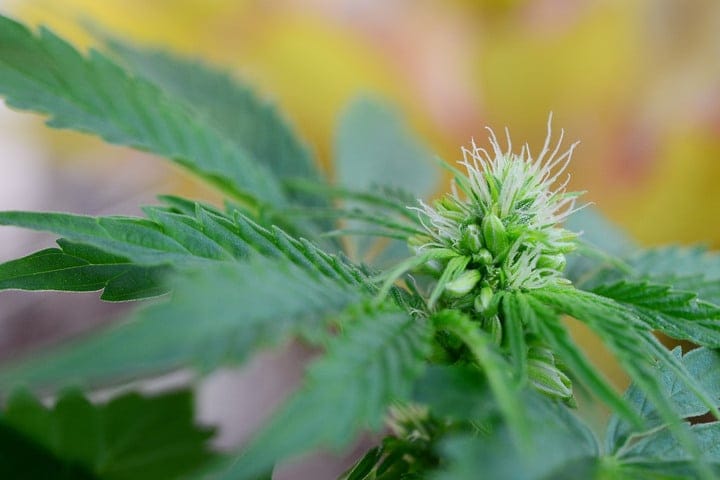
Reality: Stress can increase the risk of hermaphroditism, but revegging isn't the direct cause.
Any form of stress has the potential to expose genetic weaknesses in cannabis plants. Revegging is no different. However, a healthy, stable plant isn't automatically going to turn hermaphrodite just because it's been returned to vegetative growth.
Good genetics and a stable growing environment remain the biggest factors in reducing the risk.
Related Article:Early Signs of Hermaphrodite Cannabis Plant
Step-By-Step Guide To Cannabis Revegging
Now that we've explained how it works and some of the surrounding myths, let's take a look at how to execute cannabis revegging from a grower's perspective.
If the plant has proved its worth and you've chosen to keep it, the next step is giving it the best possible chance of returning to healthy vegetative growth. There's no secret fomula here, but there are a few principles that consistently improve the chance of success.
Step 1: Carry out the first harvest with revegging in mind
If you're planning on revegging the plant, don't cut everything off. Leave several healthy lower buds along with as many healthy leaves as is pracitcal. These will provide the growing points the plant will use to produce fresh shoots over the coming weeks.
A plant that's been stripped completely has far less chance of recovering.
Step 2: Switch back to a vegetative light schedule
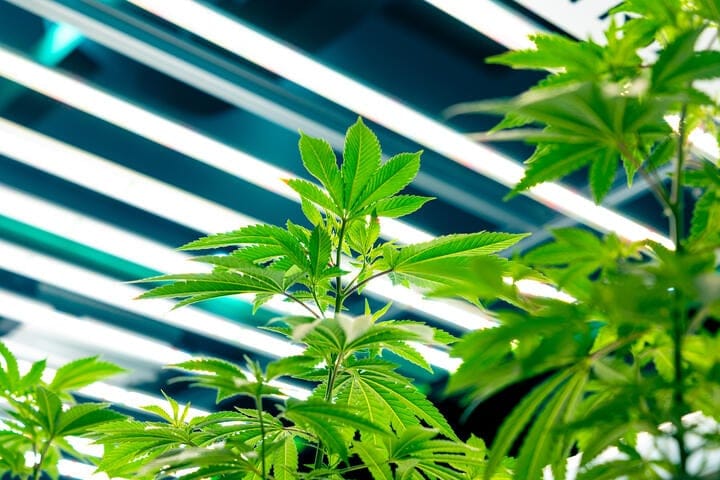
Once your first harvest is finished, increase the lighting period back to around 18 to 24 hours of light each day. This longer day length is the signal that tells a photoperiod cannabis plant it's time to stop flowering and start growing again [1].
Keep the light intensity sensible, though. It's highly unlikely the plant will be growing vigorously right away, so there's no need to push it.
Step 3: Change The Feeding Programme
As the plant leaves flowering behind, its nutritional needs change once again. Gradually move away from from bloom nutrients and back towards a balanced vegetative feed with more nitrogen to support fresh leaf and branch growth.
Avoid making sudden changes or overfeeding while the plant is still in recovery.
Step 4: Avoid Overwatering
One mistake growers sometimes make is watering as though the plant is still in full flower. During cannabis revegging, growth slows right down, which meaning water uptake slows too. Let the growing medium dry appropriately between waterings, and avoid keeping the roots constantly saturated. If you've accidentally fallen foul here, learn how to fix cannabis overwatering and take action fast.
Healthy roots are one of the biggest contributors to successful cannabis revegging, and one of the best things a grower can do is learn to understand the cannabis root zone.
Step 5: Be patient
This might be the hardest part of cannabis revegging. It's perfectly normal for a plant to appear almost unchanged for a couple of weeks. That doesn't mean the process has failed. As long as the plant remains healthy, give it time. New shoots often appear when least expected.
Step 6: Wait before training or taking clones
Once vegetative growth starts becoming vigorous, growers can start treating the plant like any other vegging cannabis plant again. At that point, plant training techniques and taking clones can be carried out as normal.
The key here is not to rush it. Let the plant fully recover before asking it do more.
What to Expect During Cannabis Revegging
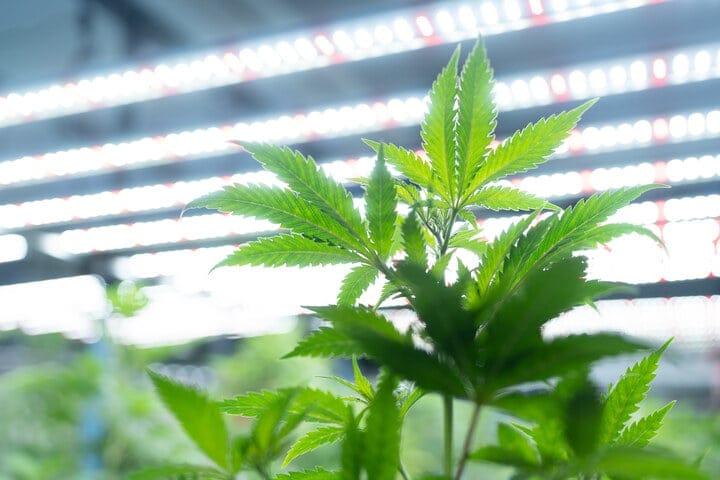
For growers attempting cannabis revegging for the first time, don't be surprised if it looks a little odd to begin with. In fact, one of the biggest reasons growers think revegging has failed is because they expect to see fresh, vigorous growth straight away. The truth is, that's rarely how it works. The plant has just come out of flowering, its hormones are changing direction, and it's essentially switching from one stage of its life cycle back to another. That takes time.
Here's what growers can usually expect:
Week 1: Not much happens
The first week can test a grower's patience. The plant may look almost exactly as it did after harvest, with little visible growth. This is completely normal. At htis point, the action takes place beneath the surface, with the plant adjusting to the longer light cycle and beginning the shift back towards vegetative growth [2,3].
Keep watering and feeding consistent, but resist the urge to keep changing things if results aren't visible quickly.
Weeks 2-3: The first signs of new growth
This is when it starts to get interesting. Small shoots begin to emerge from the buds you left behind after harvest, and new leaves often start to appear. Don't worry if they look unusual.
Single-bladed leaves are a common part of cannabis revegging. They're one of the clearest signs that the plant is transitioning back into vegetative growth.
Growth is still likely to be slow at this point, so stay patient and wait for the next phase.
Weeks 4 and beyond: Back into vegetative growth
As the weeks go on, the plant gradually begins behaving like a normal vegging cannabis plant again. Leaf shape returns to normal, branching becomes stronger, and new growth appears much more quickly. From this point, you can begin planning your next steps. Some growers keep the plant as a mother, others take fresh clones, while many simmply prepare for another flowering cycle.
Every cultivar responds slightly differently, so don't worry if your plants takes a little longer than someone else's.
When Should You Not Attempt Cannabis Revegging?
Cannabis revegging is an impressive technique - one that not all growers are aware of. But it isn't always the right choice. If the goal is simply to get another crop as quickly as possible, starting again from seed or using a healthy clone will often save time. Likewise, if a plant has struggled through flowering because of pests, diseases, or severe nutrient probems, revegging may not be worthe the effort. Recovery is never guaranteed, and sometimes it's better to begin again with a healthy, vigorous plant. Either way, it's not advisable to hinge your hopes of an entire harvest on revegging one plant.
Where cannabis revegging really comes into its own is when you've found something special. Maybe it's a plant with exceptional vigour, incredible terpene production, or a structure that's perfectly suited to your growing style. Thse are the plants worth investing the extra time in.
Growing cannabis isn't always about getting to the finish line as quickly as possible. Sometimes it's about recognising when a plant deserves another season.
Cannabis Revegging FAQs
How long does cannabis revegging take?
Most plants begin producing new vegetative growth within two to four weeks, although complete recovery might take longer depending on cultivar and growing conditions.
Can you reveg an autoflower?
No. Autoflowering cannabis does not respond to changes in photoperiod and cannot reliably return to vegetative growth.
Why are the new leaves so strange?
Single-bladed or oddly-shaped leaves are a normal part of the transition back to vegetative growth. Give them time and they'll develop normally.
Should you repot the plant during cannabis revegging?
Onlly if the plant is clearly rootbound or the growing medium has significantly deteriorated. Unnecessary disturbance can add further stress during recovery.
Can You Reveg a cannabis plant without meaning to?
Yes. If your plant is exposed to light leaks during flowering , this can cause it to re-enter the vegetative stage - not ideal when you're in the midst of flowering.
-----------------------------------------------------
References:
[1] An Update on Plant Photobiology and Implications for Cannabis Production. Frontiers in Plant Science (2019)
https://www.frontiersin.org/journals/plant-science/articles/10.3389/fpls.2019.00296/full
[2] Phytochrome-hormonal Signalling Networks. New Phytologist (Halliday & Fankhauser)
https://nph.onlinelibrary.wiley.com/doi/10.1046/j.1469-8137.2003.00689.x
[3] Photons from NIR LEDs Can Delay Flowering in Short-Day Soybean and Cannabis: Implications for Phytochrome Activity. PLOS ONE (2021)
https://journals.plos.org/plosone/article?id=10.1371/journal.pone.0255232
