

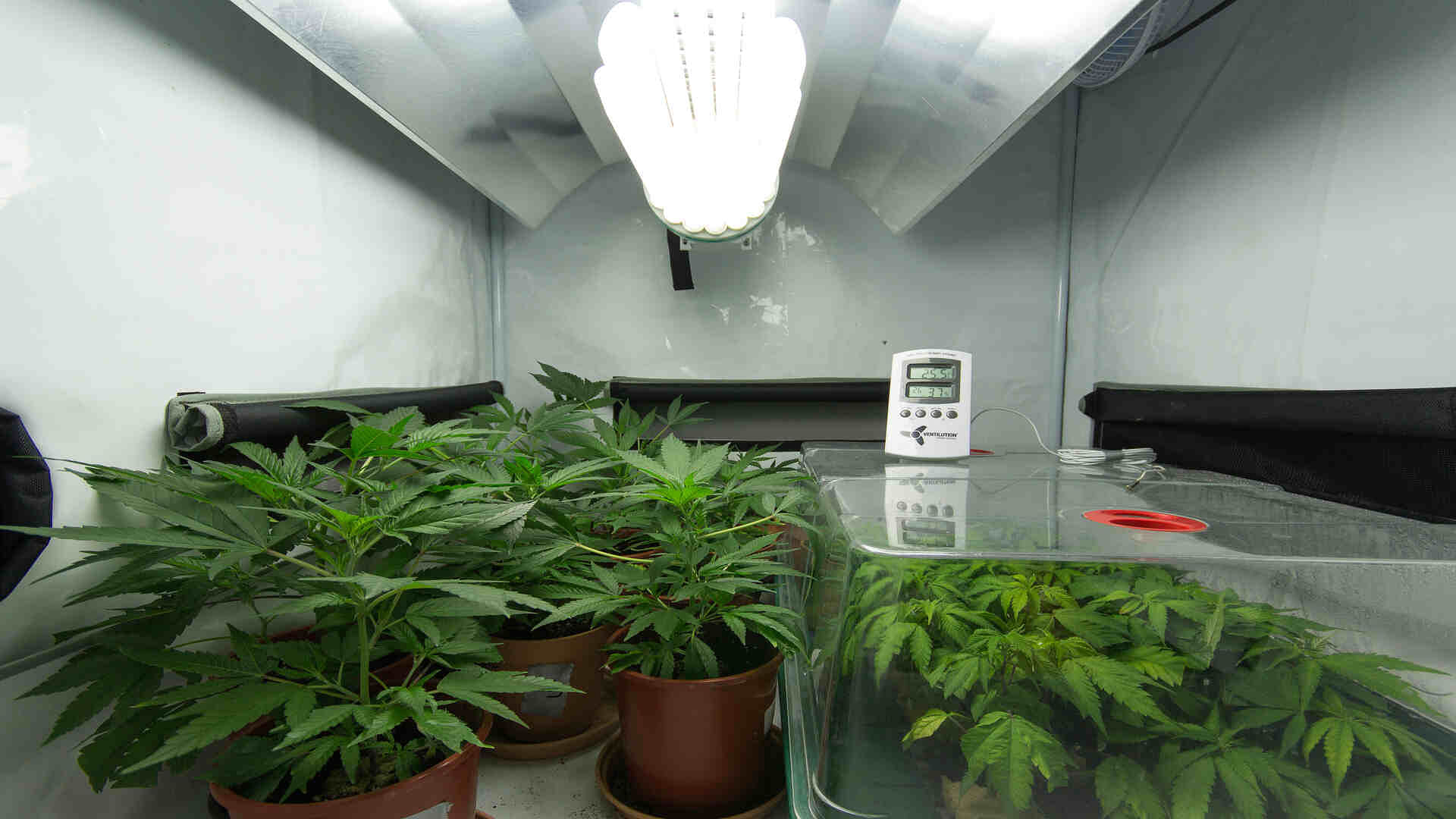
Perfectly controlled environments are essential for successful indoor cannabis cultivation. This article covers optimizing temperature, humidity, lighting, and airflow to create the best environment for indoor cannabis. Following these tips will help you achieve healthier plants and higher yields.
Key Takeaways
- Climate control is vital for healthy cannabis growth; maintaining a stable temperature, humidity, and ventilation maximizes yields.
- During the flowering stage, adjust temperature and humidity to enhance bud quality and provide the right light spectrum for optimal growth.
- Implement energy-efficient practices like LED lighting and smart HVAC systems to reduce costs and promote sustainable indoor cultivation.
Importance of Climate Control for Cannabis Plants
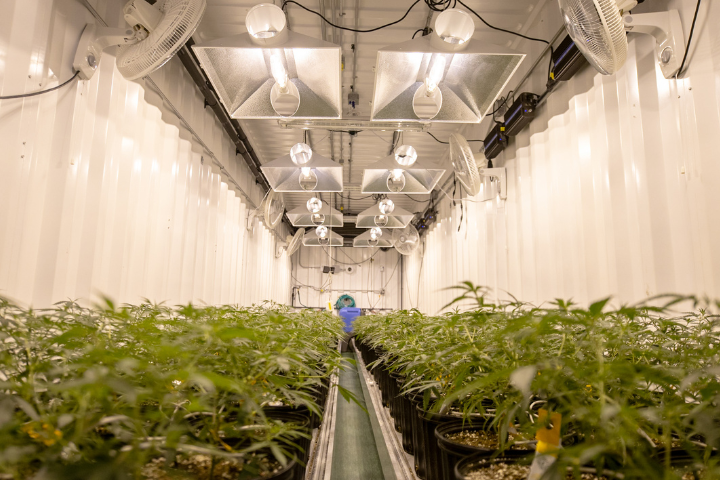
Climate control is fundamental to successful indoor cannabis cultivation. Replicating the conditions in which cannabis plants thrive promotes healthy growth and maximizes yield. Indoor growers invest in cannabis climate control systems to avoid mold and achieve the desired cannabinoid concentrations. Without proper climate control, plants can suffer from stressors that impact their health and productivity.
A stable temperature is essential for cannabis growth. Fluctuations can cause plant stress, poor growth, and reduced yields. Automated temperature control systems improve efficiency and consistency, keeping plants within their optimal range throughout their growth cycle. Humidity levels must also be adjusted according to the growth stage to prevent mold and enhance nutrient uptake.
Understanding vapor pressure deficit (VPD) is essential for maintaining optimal humidity levels, as it directly influences plant transpiration and growth.
Adequate ventilation is crucial for climate control. It ensures a fresh supply of CO2, manages humidity levels and prevents stagnant air and heat buildup. The quality of the final product heavily depends on climate control, making it indispensable for indoor cannabis cultivation.
Choosing the Right Location for Your Grow Room
Choosing the right location for your grow room is crucial for successful indoor cannabis cultivation. The location should be safe, secure, and easily accessible. When selecting a location, it’s essential to consider factors such as temperature, humidity, and light exposure. A grow room should be located in an area with a consistent temperature between 65-75°F (18-24°C) and humidity levels between 40-60%. The location should also be away from direct sunlight and have minimal light exposure to prevent overheating and promote healthy plant growth.
Additionally, the location should be well-ventilated to prevent the buildup of CO2 and moisture. Good airflow will also help prevent the growth of mold and mildew, which can be detrimental to cannabis plants. It’s also essential to consider the proximity of the grow room to a water source and electrical outlets. A location with easy access to water and electricity will make maintaining and monitoring the grow room easier.
Ideal Temperature Range for Indoor Cannabis
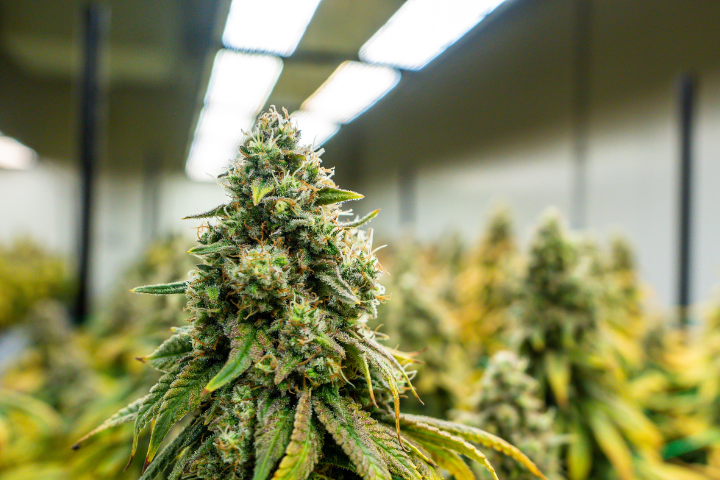
For optimal growth, cannabis plants flourish when the temperature is kept between 65-80°F (18-27ºC), ideally hovering near 70°F (21ºC). Enhancing photosynthesis and plant development is best achieved with daytime temperatures ranging from 70-85°F (21-29ºC).
Cooler temperatures at night are advisable, aiming for a decline of approximately 10°F to daytime levels during the flowering period. This strategy reflects the natural climatic conditions from which cannabis originates, facilitating vigorous growth and increased yield.
During the latter part of their flowering phase, it’s imperative to prevent exposure to temperatures exceeding 84°F (28ºC), as this can adversely affect the quality of buds produced.
Temperature swings are known to stress cannabis plants, which may lead to stunted growth and diminished cannabinoid content. Your plants stay healthy and maintain high productivity by consistently regulating temperature within this ideal range throughout their life cycle.
Managing Humidity Levels in Grow Rooms
Humidity control is equally crucial in indoor cannabis cultivation. The ideal humidity level for cannabis plants is between 40-50%, ensuring optimal growth conditions.
During the flowering stage, maintaining this humidity range helps prevent mold and mildew, promoting healthy plant development.
Using a hygrometer to monitor temperature and humidity helps maintain proper indoor cannabis humidity control. Understanding vapor pressure deficit (VPD) is essential, as it helps maintain the ideal humidity levels for cannabis plants by balancing the moisture in the air and the plant.
High moisture levels can lead to moldy crops, risking the reputation of cannabis growers and reducing yields. Molds require high humidity and dew point condensation to develop on cannabis plants.
Excessive humidity encourages the growth of powdery mildew and can adversely affect THC production. If humidity drops too low, it can draw moisture from the leaves, stressing the plant.
Preventing mold is crucial, as strict regulations limit the use of sprays, which can damage crops. Keeping a minimum humidity level of 40% during the vegetative phase prevents plant stress. Lowering humidity during the flowering stage helps prevent mold and mildew, resulting in healthier plants and better-quality buds.
Light Requirements for Indoor Cannabis Cultivation

Lighting is a critical factor in growing cannabis indoors. HID and LED grow lights are commonly used, with highly efficient LEDs producing less heat. LED lights offer energy savings over time and are considered more efficient for cannabis cultivation.
Cannabis thrives under blue light (400-500 nm) for vegetative growth and red light (600-700 nm) for flowering.
Cannabis requires specific light durations: 18 hours of light and 6 hours of darkness during the vegetative stage and 12 hours of light and 12 hours of darkness during the flowering stage. High-intensity light significantly enhances growth and cannabinoid production.
Managing PPFD (Photosynthetic Photon Flux Density) and DLI (Daily Light Integral) ensures plants receive adequate light throughout their growth cycle.
Insufficient lighting hinders the plant’s ability to convert nutrients into energy, crucial for healthy growth. UV-B light can stimulate trichome production in cannabis, potentially increasing THC levels when used in moderation. Providing the right light spectrum and duration optimizes plant growth and maximizes yields.
Cannabis Day/Night Lighting Regimen
A cannabis day/night lighting regimen is essential for promoting healthy plant growth and maximizing yields. Cannabis plants require a specific light cycle to thrive, and a day/night lighting regimen helps to simulate natural daylight and darkness.
The lighting regimen should be tailored to the plants' specific needs, taking into account factors such as the stage of growth, strain, and desired yield.
During the vegetative stage, cannabis plants require 18-24 hours of light per day. Energy-efficient LED grow lights produce minimal heat, which can be achieved using a combination of LED and HPS grow lights.
During the flowering stage, cannabis plants require 12 hours of light per day, which can be achieved using a combination of LED and HPS grow lights, which provide a balanced light spectrum.
A consistent day/night lighting regimen promotes healthy plant growth and prevents stress. This will help regulate the plant’s internal clock and promote optimal growth and development.
Airflow and Ventilation in Grow Spaces
Maintaining good air circulation within a grow room is essential for preventing air layering and providing plants with ample CO2 by removing old, stale air. This proper ventilation system facilitates photosynthesis by ensuring a continuous supply of fresh carbon dioxide, which is vital to plant growth. It promotes even humidity and temperature distribution throughout the area while reducing surplus moisture and deterring the formation of microclimates.
The implementation of exhaust fans plays a critical role in expelling warm air from growing areas to avoid heat-related stress or problems that could harm plant health. Conversely, intake fans bring new cooler air into the grow space to assist both in managing temperatures and replenishing carbon dioxide levels necessary for healthy growth cycles.
Using variable-speed fans optimized for ventilation can curb unnecessary energy usage through tailored adjustments based on changing requirements. Controlling your grow room’s atmospheric pressure fosters prime airflow conditions, making it easier to regulate other environmental elements.
Automated systems designed for ventilation work tirelessly at fine-tuning airflow dynamics so that ideal humidity and temperature are sustained, factors integral to flourishing vegetation.
Using oscillating and high-output fans together ensures consistent airflow, which is essential for properly caring for plants. Filters in these systems remove pollutants like pollen and mold spores from the air, keeping the growing environment clean and encouraging strong plant growth.
Utilizing CO2 to Increase Cannabis Growth
When CO2 levels are increased in controlled environments, photosynthesis and general growth in cannabis plants can be considerably enhanced. By achieving CO2 concentrations as high as 1,000 ppm, indoor cannabis grows experience improved plant growth and crop yields. Ensuring proper airflow is essential for providing ample carbon dioxide for optimal plant development.
Employing methods to enrich the environment with CO2 results in more vigorous and fruitful cannabis plants.
Dehumidifiers vs. HVAC Systems
Humidity control in indoor grow rooms can be managed using dehumidifiers or HVAC systems. Horticultural dehumidifiers extract moisture from the air efficiently using a controlled condensation method.
Dehumidifiers allow HVAC systems to focus solely on heating and cooling, reducing their workload and improving overall efficiency. Dehumidifiers can help minimize the size and cost of HVAC systems needed in indoor grow rooms.
Desiccant dehumidifiers are more energy efficient than traditional refrigerant-based systems, as they do not rely on compressors.
However, relying solely on HVAC systems for humidity management can lead to higher initial and operational costs, including maintenance and energy.
Combining dehumidifiers with HVAC systems boosts overall efficiency and climate control in grow spaces. Dehumidifiers effectively control humidity in grow rooms.
Best Practices for Seedling and Vegetative Stages
During the vegetative phase, cannabis plants flourish best when the temperature is kept between 70-85°F (21-29ºC). High humidity is essential for seedlings to reduce water loss through evaporation and promote healthy root development.
Thus, it’s advisable to maintain relative humidity levels between 55% and 70%. Ensure the humidity doesn’t drop below 40% during this stage, which helps prevent unnecessary plant stress.
For optimal growth throughout this vegetative period, a lighting schedule consisting of 18 illuminated hours and an uninterrupted dark period of six hours should be implemented.
Such a regimen fosters robust plant health and effectively primes them for entering into their subsequent flowering stage. Properly managing environmental conditions from seedling to vegetation sets up cannabis plants for successful growth cycles moving forward.
Flowering Stage: Temperature and Humidity Adjustments
Regulating temperature and humidity throughout the flowering stage is important to ensure the production of high-quality buds. During this phase, temperatures should be between 68-80°F (20-27ºC).
Lowering these temperatures in the final four weeks can increase flower quality. For optimal results, humidity levels should be maintained at about 50%. Continuously supplying fresh air is critical to maintaining appropriate CO2 levels essential for healthy growth.
Exposing plants to higher-than-recommended temperatures may cause cannabinoids to evaporate, which detrimentally affects the bud’s quality. By carefully controlling both temperature and humidity while plants are flowering, cultivators can achieve potent cannabinoid profiles within their harvests, ensuring top-tier product output with significant potency.
Drying and Curing: Ensuring Quality Cannabis Buds
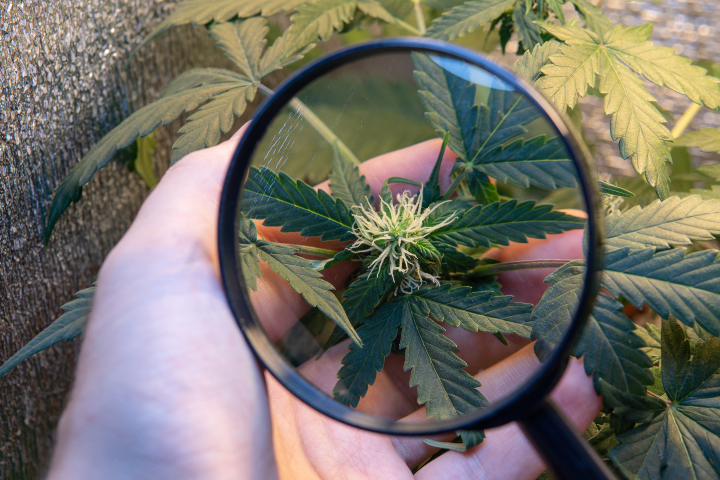
To ensure the effective drying of cannabis, the temperature should be kept between 60-70°F (16-21ºC). Exceeding temperatures of 80°F might harm the terpenes present in cannabis. The ideal humidity for efficient drying should range from 45 to 55%, and when transitioning to curing, maintaining roughly a 50% humidity level becomes essential to hinder mold growth.
Ensuring good airflow where the buds are being dried is critical to avoiding excessive moisture buildup and even dryness.
When it comes to cultivating top-notch cannabis, careful attention must be given to both drying and curing processes.
Chemical changes within the plant material can significantly improve flavor profiles and aromatic qualities. By meticulously controlling these stages, one ensures that the cannabis buds not only possess profound flavors but also maintain their potent properties.
Setting Up an Efficient Grow Room
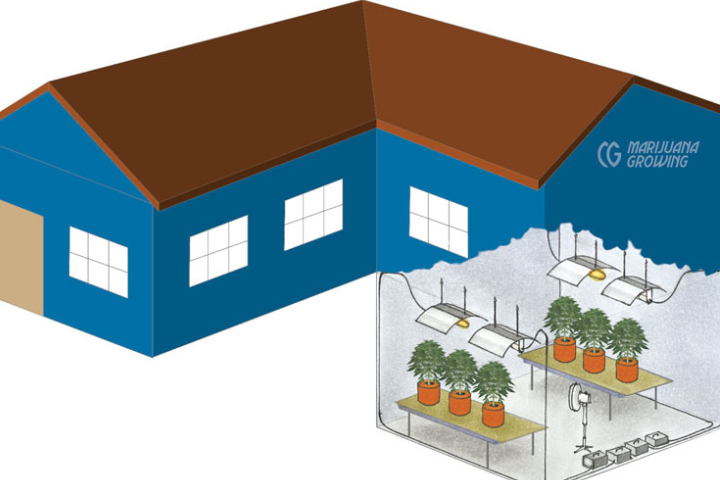
A dedicated area for growing cannabis indoors limits movement and ensures proper care. Larger garden rooms are usually in out-of-the-way spaces with little or no traffic, like a basement corner or spare bedroom.
Grow tents are inexpensive and can be set up in any room in or near the house, providing a simple and easy grow space. Light-proofing the grow space prevents unwanted light exposure that can harm plants. This is a helpful guide for indoor grow.
The walls should be covered with a highly reflective material, such as flat white paint or reflective Mylar, to increase the light energy available to plants.
Clean and smooth flooring, ideally concrete, facilitates easy maintenance and prevents disease spread. Adequate insulation in the cultivation space helps maintain stable temperatures and reduces energy losses.
Creating a homemade grow room requires reflective surfaces, proper ventilation, and appropriate lighting. Setting up an efficient grow room creates the optimal environment for cannabis plants, ensuring healthy growth and high yields.
Automating Climate Control and Lighting
Automating climate control and lighting is essential for maintaining a consistent and optimal environment for cannabis plants. Automation systems can be programmed to regulate temperature, humidity, and light levels, ensuring that the plants receive the optimal conditions for growth and development.
Automation systems can be integrated with sensors and monitoring systems to provide real-time temperature, humidity, and light levels data. This data can be used to adjust the automation system, ensuring that the plants receive the optimal conditions for growth and development.
Automating climate control and lighting can also help to reduce energy consumption and minimize waste. By optimizing the lighting and climate control systems, growers can reduce their energy consumption and minimize their environmental impact.
Energy Efficiency in Indoor Cannabis Cultivation
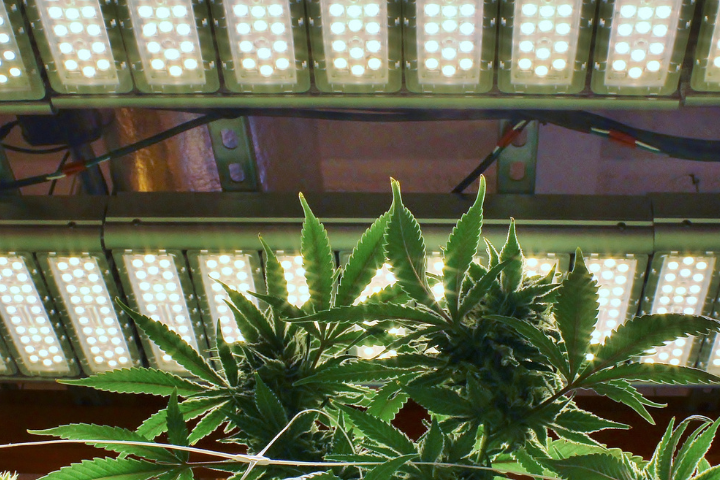
Transitioning to LED lighting can result in a 40% decrease in energy usage compared with conventional lighting setups. LEDs outperform high-pressure sodium (HPS) lights by generating less heat and converting more electricity directly into light, making them ideal for indoor cannabis growers looking for efficiency gains.
Advanced HVAC systems optimize energy consumption using sensors that automatically adjust temperature, air conditioning, and ventilation based on immediate environmental conditions.
Systems designed to manage light and power facilitate precise control over illumination timings, ensuring reduced energy expenditure when plants are dormant.
By prioritizing energy conservation methods in indoor cannabis cultivation environments, cultivators trim down operational expenditures and endorse eco-friendly agricultural modalities. Adopting these efficient strategies fosters harmony between high-yield production and ecological stewardship in indoor cannabis farming.
Securing Your Grow Room and Equipment
Securing your grow room and equipment is essential for protecting your investment and preventing theft. A secure grow room should be located in a safe and secure area with minimal access to unauthorized individuals.
The grow room should have security and motion sensors to detect unauthorized activity. The equipment should be secured with locks and chains to prevent theft. Keeping the grow room clean and organized is also essential, with all equipment and supplies labeled and stored securely.
Additionally, growers should consider investing in a security system with features like alarm systems, motion detectors, and video surveillance. This will provide an additional security layer and help prevent theft and unauthorized access to the grow room.
By following these tips, growers can ensure the security and protection of their grow room and equipment from theft and unauthorized access.
Common Issues and Troubleshooting
Ensuring steady climate control within grow rooms is pivotal, and adherence to best practices aids in maintaining this steadiness. Regular observation and documentation of the temperature and humidity levels are essential for comprehending the nuances of cultivation while detecting irregularities. Lowering soil oxygen content through excessive watering may promote fungal diseases in cannabis plants. Failing to sterilize soil properly can introduce detrimental microorganisms that obstruct the healthy development of these plants.
Employing soil lacking nutrients or containing contaminants negatively impacts hydration levels and nutrient absorption rates in cannabis plants. By being mindful of such prevalent problems and possessing practical troubleshooting skills, cultivators have a better chance at preserving an optimal environment conducive to thriving cannabis growth.
Jorge Cervantes's Expert Tips
Temperature Control
- Optimal Temperatures: For optimal resin production, keep flowering rooms between 68-80°F (20-27°C), with a 10°F drop at night.
- Avoid Overheating: Never exceed 84°F (28°C) during late flowering to preserve terpenes and cannabinoids.
Humidity Management
- Ideal Humidity Levels: Maintain 65-70% humidity for seedlings, dropping to 40-50% during flowering.
- Dehumidifiers: Use industrial dehumidifiers instead of relying solely on HVAC systems for better efficiency and cost-effectiveness.
Lighting Excellence
- LED Grow Lights: Install LED systems with specific spectrum control: blue light (400-500 nm) for vegetation and red light (600-700 nm) for flowering.
- Airflow: Position oscillating fans at canopy level to strengthen stems and prevent microclimates.
CO2 Enhancement
- CO2 Levels: Maintain CO2 levels at 1,000 ppm during peak growth periods to maximize photosynthesis.
- Air Circulation: Ensure proper air circulation to facilitate CO2 absorption.
Energy Efficiency
- LED and HVAC Integration: Combine LED lighting with smart HVAC systems to reduce energy consumption by up to 40%.
- Automated Climate Control: Use computerized systems to maintain consistent conditions and minimize resource usage.
Remember: Consistency is critical in indoor cultivation.
Summary
In summary, achieving optimal conditions for indoor cannabis cultivation involves careful management of temperature, humidity, light, airflow, and CO2 levels. By understanding the specific needs of cannabis plants at different growth stages, growers can create an environment that promotes healthy growth and high yields.
With suitable climate control systems, including dehumidifiers, HVAC systems, and proper ventilation, growers can prevent common issues such as mold and temperature fluctuations. By following best practices and expert tips, anyone can successfully grow cannabis indoors and enjoy the fruits of their labor.


