

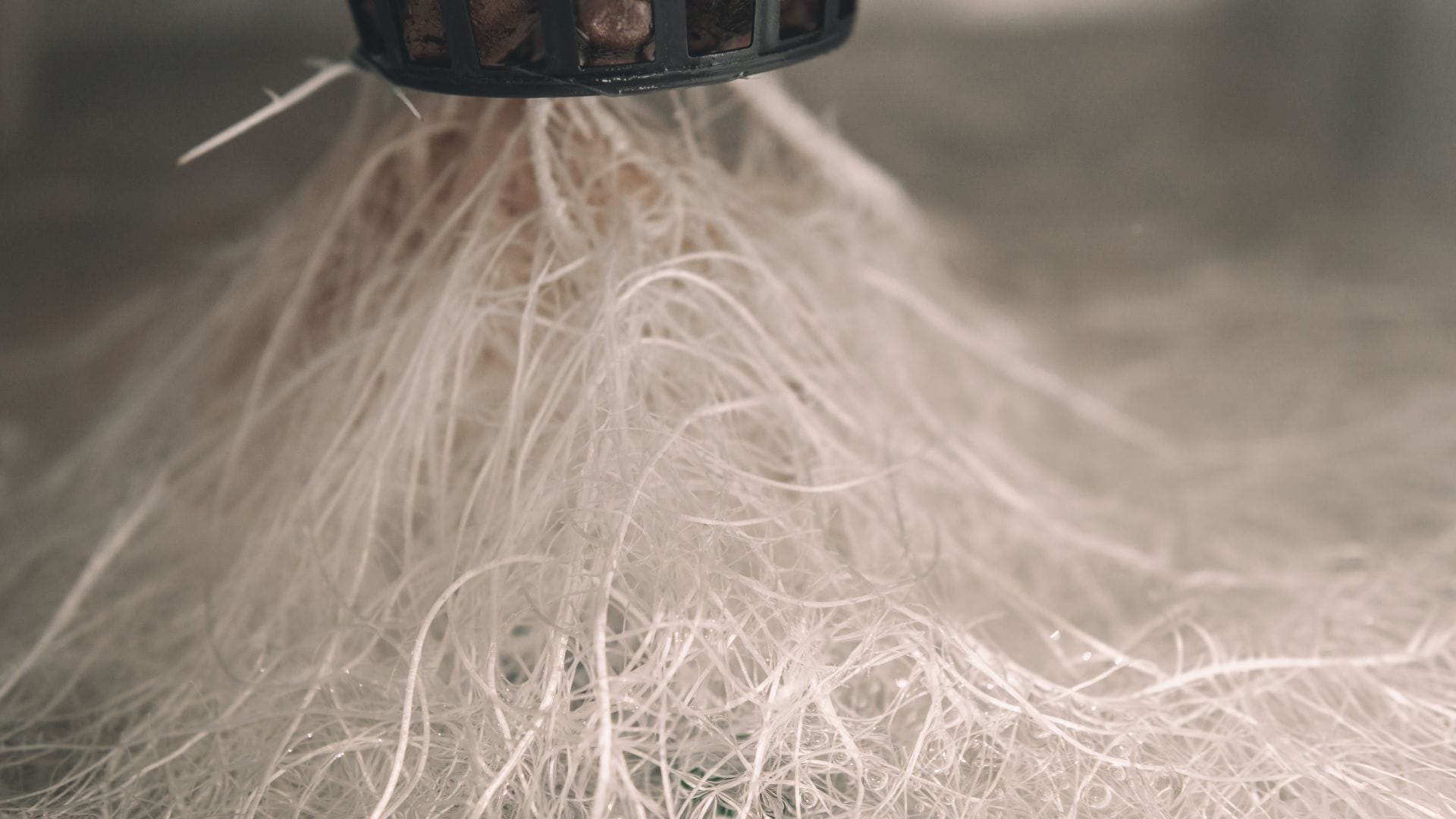
In the realm of cannabis cultivation, it is generally understood that the final root zone reflects the plant's success. Big roots mean big fruits, and when you see how commercial cannabis growers use hydroponic systems to increase final weight as well as logistics, you will understand that the root zone is the difference between a high-quality cannabis crop of knockout dank or a deficient plant that has lost all vigour and life. Most growers will see a compact root-bound plant and think that this is the root zone at maximum capacity when the science behind the root zone suggests otherwise.
Different Types Of Roots
To achieve a healthy cannabis root zone, we first must understand the components of the root system. There are different parts of the cannabis root structure, and the first is the tap root. This is the tail that will emerge from a germinating seed, acting like an anchor and pushing downwards in the growing medium. From this main root appears other root hairs, each with a different role. The tap root can act in the same way as the apical stem, orchestrating hormones for growth and regulation.

The second part of a root structure is the fibrous roots. These are the ones that emerge directly out of the side of the tap root and will work themselves outwards in a network of uniform root hairs. They will grow horizontally in the growing medium, forming a net. However, due to the depth of some of the fibrous roots, they can only absorb moisture and nutrients from the upper parts of the growing medium.
These are the ones that will search the medium and absorb what moisture and available nutrients are present. Also, you may find white stubs forming up the lowest few inches of the stem in mother rooms with high humidity.
One trick many growers use when transplanting to a larger pot is to raise the current rooted plant a few inches taller out of the new growing medium so an area is exposed to air. This technique promotes thick wooden adventitious roots similar to the roots of a tree.
Root Pruning
Pruning is perhaps something you have only practised with plant foliage; however, pruning your roots has the same benefits. At microscopic levels, these tiny root hairs are in darkness under certain moist conditions. When these root hairs come into contact with air, they naturally prune themselves and split. Topping cannabis plants allows a cultivator to grow multiple tops and manipulate the canopy to their will. If you can do the same with the root zone, then you can form a network of roots that are constantly pruning themselves and growing in a way that is the most advantageous to the root zone and the plant

If you have ever grown in fabric pots, large net pots or pots with air chambers built around the sides, you will know that roots will grow sideways towards the exposed parts of the pots. Then once the root has split at the contact of air, it will turn back on itself, search the growing medium, and extend the mass of roots. Ultimately this scenario will happen repeatedly until there's a spider web formation of fibrous roots.
A great way to grow with pruned roots is to use fabric pots or make your own plastic pots with air holes 5mm wide. When you re-pot and check the roots, you will notice that there will be an abundance of roots that have grown sideways and are not root bound. When a plant has become root bound, this only restricts the roots' formation to the size of the pot, and stops roots from stretching further. A great tip here is if you have a root ball which has become very dense and root bound, soak the roots and untangle them. Prune the roots carefully, and then transplant into a bigger pot.
Beneficial Bacteria
If you are reading this and are new to growing, you may be unfamiliar with the subculture of growing with beneficial bacteria. Many forms of beneficial bacteria and fungi will form a symbiotic relationship with the plant root zone. The 'good' bacteria which hosts itself in the root zone acts in a few different way to help the plant. They can help mobilize essential nutrients, fend off pathogen bacteria, as well as stimulating plant regulatory phytochemicals such as growth/defense hormones.
Growing with beneficial microbes is like growing with a team of microscopic farm hands. At a very local level in the root zone, these microscopic helpers assist in recycling nutrients and make them more bioavailable to the plants. They effectively hand-feed each section of root in concert with the plant’s nutrient demands. Much like farm hands, they are out of work if the farm closes, therefore in the root zone, microbes thrive when the plant thrives, thus creating a mutually beneficial relationship.
The principle behind growing with microbes is that they will break down their own independent food source: carbon-based fibres and fructose molecules. Once the microbes have converted their food into necessary micro and trace elements for the plant, the delivery and efficiency of the plant's ability to feed as it wants is now at full potential.
Growing Mediums
How your growing medium acts as a long-term base for the root zone can determine many factors. Plant health issues can be caused due to the root zone not functioning correctly due to cold temperatures and water retention issues. Problems in the root zone can cause nutrient deficiencies. Phosphorus, for example, will become deficient in a root zone with cold roots. This is just one example of how important the functionality of the plant's metabolism and development is and how the growing medium can adversely affect the root zone. A pH imbalance is another potential problem, stressing the root zone and causing nutrient lockout.

A great tip is to use a growing medium with a high air capacity when dry and excellent water retention when wet. Recommended is a mix of coco and perlite. Then, you can add humates such as worm castings and bat guano, which already has many microbes and beneficial bacteria. Feeding molasses will allow your roots to enjoy the liquid carbon sugars, which they will convert into energy for the plant.
pH And E.C.
Standing for potential hydrogen and electrical conductivity, these two go hand in hand. As the growing medium and nutrients all have their own pH and E.C., supplying a constant nutrient solution that balances micro and macro nutrients will allow the root zone to function with complete integrity - creating optimal root health.
Adding organic matter to the growing medium will cause a change in pH and E.C., the same way rainwater can cause minerals to be leached from the soil. It is also worth considering that oxygen will increase pH, so when growing in a system that requires an air pump, be vigilant of how much your pH will increase, as this will have an equal effect on the E.C of the nutrient solution.
Flushing The Roots
You must thoroughly remove all the salts in the growing medium to 'flush' out the remaining nutrients and get the plants to finish more readily. This prcoess should occur in the last two weeks before harvesting, and all you need is untreated tap water - just ensure the pH of the water is at a safe level for your plants. 6.5-7.0 is the safe zone. After flushing, it's important to continue maintaining an optimal environment for your cannabis plants. Keep an eye on humidity levels and temperatures, and continue to monitor your plants for any signs of nutrient deficiency or other stress.
Expert cannabis cultivation goes far beyond the visible beauty of the plant above ground. It involves an in-depth understanding of the plant's hidden half - its root zone. The key to optimal yield and plant health is not just in what we see, but also what we don't see. The secrets of the root zone are, quite literally, the foundation of your cultivation success.

