
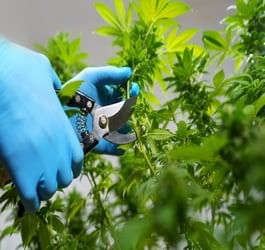

Cannabis plant training is a critical component of successful cultivation that aims to optimize yield, improve light penetration, and control plant height and structure. By training cannabis through various techniques such as LST, FIMing, and no-technique training, growers can manipulate the growth patterns of cannabis plants to ensure better resource allocation and more efficient use of space, especially in indoor environments. Judicious use of training techniques can optimize growth, improve yields, and enhance overall plant health. This guide provides an in-depth look at the most common cannabis plant training techniques, offering detailed instructions on how to perform each method, the benefits they offer, and the equipment needed. If you're new to cultivating cannabis, bookmark this guide and refer back to it throughout the lifecycle of your plants. Rather than bog you down with any further preamble, we'll cut right to the chase.
Low-Stress Training (LST)

What is LST?
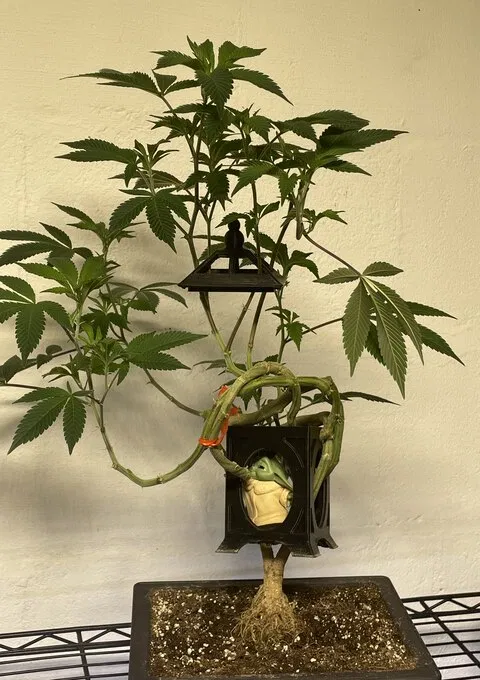
LST methods have their roots in traditional gardening practises used for various crops, long before they were adopted for cannabis cultivation. Low-Stress Training (LST) is a gentle method of manipulating the growth of cannabis plants to create a more even canopy. This technique involves bending and securing the branches without causing significant damage to the plant. Cannabis plants need light, and the goal is to improve light distribution across all parts of the plant, enhancing overall growth and yield. Have a look through any cultivation forum and you'lllikely see examples of LST in the pictures of grows in progress.
How to Perform LST
Preparation: Begin LST when the plant is in the vegetative stage and has developed at least 4-6 nodes. This ensures the plant is robust enough to handle the training.
Bending: Carefully bend the main stem and side branches away from the center. Do this gradually to avoid snapping the branches. Start with the main stem and move on to the side branches.
Securing: Use plant ties, soft wire, or garden twist ties to secure the bent branches. Attach the ties to the edge of the pot or stakes inserted into the soil. Ensure the ties are not too tight to avoid damaging the plant.
Adjustment: Regularly check the plant and adjust the ties as it grows. This helps maintain an even canopy and prevents the plant from reverting to its original growth pattern.
Why LST is Effective
LST is effective because it increases light exposure to all parts of the plant, enhancing photosynthesis and promoting the growth of multiple main colas instead of a single dominant one. This method also helps manage plant height, making it ideal for indoor growers with limited vertical space. By spreading out the plant’s growth, LST can also improve airflow, reducing the risk of mold and pests. It's a simple technique, with multiple benefits.
Equipment Needed
Plant ties, soft wire, or garden twist ties: These are used to secure the branches in their new positions.
Stakes or anchors (optional): These can provide additional support for securing the ties.
High-Stress Training (HST)
What is HST?
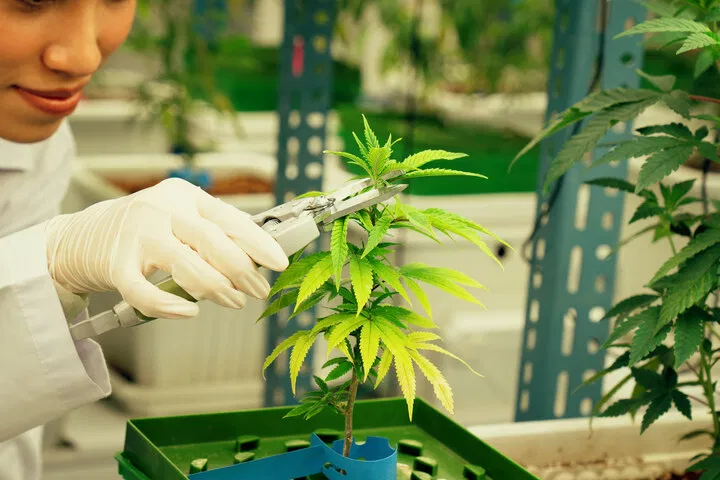
High-stress training for cannabis plants involves techniques that intentionally stress the plant to promote a stronger and bushier structure. High-Stress Training (HST) methods, unlike LST, involve physically altering the plant’s growth by cutting or bending. Common HST methods include topping, FIMing, super cropping, and mainlining.
Topping
How to Perform Topping
Timing: Topping should be performed during the vegetative stage when the plant has at least 4-6 nodes. This ensures the plant is mature enough to recover from the stress.
Cutting: Using sterilized scissors or a razor blade, cut off the top of the main stem just above the node. Make a clean cut to minimize damage.

Why Topping is Effective
Topping is effective because it breaks the apical dominance of the main stem, which naturally causes the plant to grow into a Christmas tree shape. This encourages the plant to develop multiple colas, resulting in a bushier plant with more potential bud sites - and it's all about those buds, right? Topping also helps manage the height of the plant, making it more suitable for indoor growing conditions.
Equipment Needed
Sterilized scissors or razor blade: These are essential for making clean cuts and preventing infection.
FIMing
FIMing literally stands for "F*ck, I Missed," a name that originated from the technique's accidental discovery. The story goes that a grower intended to perform topping, a method where the entire new growth tip is removed to encourage the plant to grow more branches. However, instead of cutting off the entire tip, they only removed about 75% of it. This "missed" cut resulted in the plant producing multiple new growth tips from the same node instead of the usual two.
Recognizing the potential benefits of this outcome, such as more colas and a bushier plant, growers began intentionally replicating this "mistake." The humorous and memorable name stuck, and FIMing became a recognized technique in cannabis cultivation for its effectiveness in promoting a fuller plant with increased bud sites.
How to Perform FIMing
Timing: Similar to topping, perform FIMing during the vegetative stage when the plant has developed several nodes.
Cutting: Pinch or cut about 75% of the new growth at the tip of the main stem. Unlike topping, FIMing leaves a portion of the new growth intact.

Why FIMing is Effective
Training cannabis involves various techniques to optimize plant growth, and FIMing creates multiple colas like topping but is less stressful to the plant. It can potentially produce more main branches from a single cut, resulting in a fuller canopy and increased yield. The technique also allows for more control over the plant’s shape and size.
Equipment Needed
Sterilized scissors or razor blade (optional for pinching): Necessary for making precise cuts.
Super Cropping
How to Perform Super Cropping
Timing: Super cropping can be performed during the vegetative or early flowering stage when the branches are still flexible.
Bending: Gently pinch and bend the branches until you feel the inner core (xylem) crush without breaking the outer skin. This requires a delicate touch to avoid causing irreparable damage.
Securing: Use ties to keep the bent branches in place if necessary. This ensures they remain in the desired position as they heal and strengthen.
Why Super Cropping is Effective
Super cropping increases light penetration and strengthens the branches, making them capable of supporting heavier buds. The stress can also stimulate increased resin production, enhancing the potency of the final product. Additionally, super cropping helps create a more even canopy, optimizing the use of available light.
Equipment Needed
Plant ties (optional): These can help secure the bent branches in place.
Mainlining/Manifolding
Mainlining, also known as "manifolding," is a cannabis plant training technique designed to create a symmetrical and efficient structure that optimizes light distribution, airflow, and nutrient delivery. The primary goal is to produce multiple main colas (primary bud sites) of equal size and height.
How to Perform Mainlining
Preparation: Start mainlining when the plant has at least 5-6 nodes. This ensures the plant is mature enough to handle the stress of multiple toppings.
Topping: Top the plant above the 3rd node and remove all other growth below this node. This creates a clean, symmetrical base for further training.
Training: Train the new growth into two symmetrical branches. Continue topping and training to create multiple evenly spaced colas. Each new growth tip is topped again to maintain symmetry.
Why Mainlining is Effective
Training indica cannabis plants through mainlining creates a uniform structure with equal distribution of energy to each cola. This method can significantly increase yield and improve the quality of the buds by ensuring all colas receive equal light and nutrients. The structured approach also makes it easier to manage and maintain the plant.
Equipment Needed
Sterilized scissors or razor blade: Essential for making clean cuts.
Plant ties: Used to train and secure the branches.
Stakes or anchors (optional): Provide additional support for the trained branches.
Lollipopping
Lollipopping is a cannabis cultivation technique that involves trimming the lower branches and leaves of the plant. This method helps redirect the plant's energy towards the upper buds, which receive more light and air, leading to higher quality and yield.
How to Perform Lollipopping
Timing: Start lollipopping during the vegetative stage or early flowering stage.
Sanitation: Sterilize your trimming tools to prevent infection.
Observation: Assess the plant to identify lower growth that receives minimal light
Why Lollipopping is Effective
By removing the lower growth, typically the bottom 1/3rd of the plant, energy and nutrients are redirected to the upper, more productive buds. This results in larger, denser, and more potent flowers. The technique improves airflow and light penetration, reducing the risk of mold and pest infestations. Better airflow also decreases humidity around the plant, which is crucial in preventing diseases. Additionally, it simplifies maintenance by making it easier to inspect and manage the plants. Overall, lollipopping optimizes the plant’s resources, focusing growth on the top colas where light is most intense, ultimately leading to higher-quality yields.
Equipment Needed
Pruning Shears or Scissors: Sharp, clean tools are essential for making precise cuts and preventing plant damage or disease spread.
Gloves: Protect your hands from plant sap and potential irritants.
Sanitizing Solution: Alcohol or a bleach solution to sterilize pruning tools before and after use, preventing disease transmission between plants.
Screen of Green (ScrOG)
What is ScrOG?
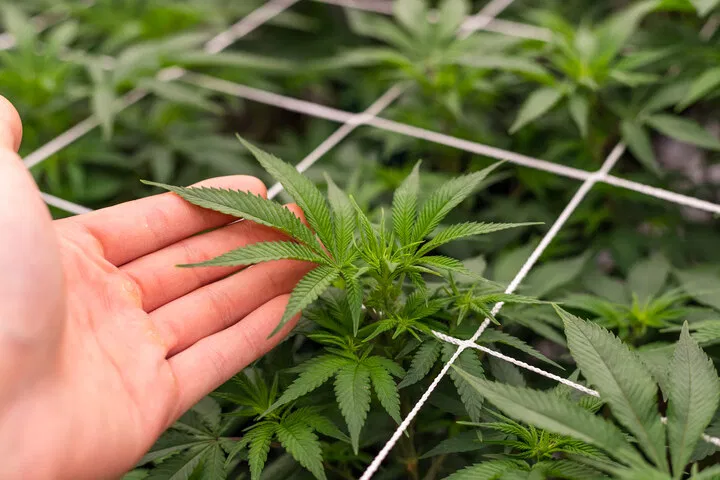
The Screen of Green (ScrOG) technique involves placing a screen or net above the plants and training the branches to grow horizontally across the screen. This method is particularly effective for indica cannabis plants due to their distinct characteristics and shapes. It maximizes light exposure and promotes an even canopy, ensuring that all parts of the plant receive sufficient light for optimal growth.
How to Perform ScrOG
Setup: Install a screen or net 8-12 inches above the base of the plants. The screen should be sturdy enough to support the weight of the branches and buds.
Training: As the plants grow, weave the branches through the screen to spread them out horizontally. This involves guiding the branches along the screen and securing them in place as needed.
Maintenance: Regularly adjust the branches to fill the screen evenly. This helps create a uniform canopy and ensures all parts of the plant receive adequate light.
Why ScrOG is Effective
ScrOG maximizes the use of available light, increases bud sites, and improves air circulation through the canopy. It is particularly useful for indoor growers with limited space, as it allows for the cultivation of larger plants without the need for additional vertical space. By creating an even canopy, ScrOG can also enhance the quality and density of the buds.
Equipment Needed
Screen or net (plastic, metal, or string): Used to support and train the branches.
Stakes or frame: Provides support for the screen or net.
Sea of Green (SOG)
What is SOG?
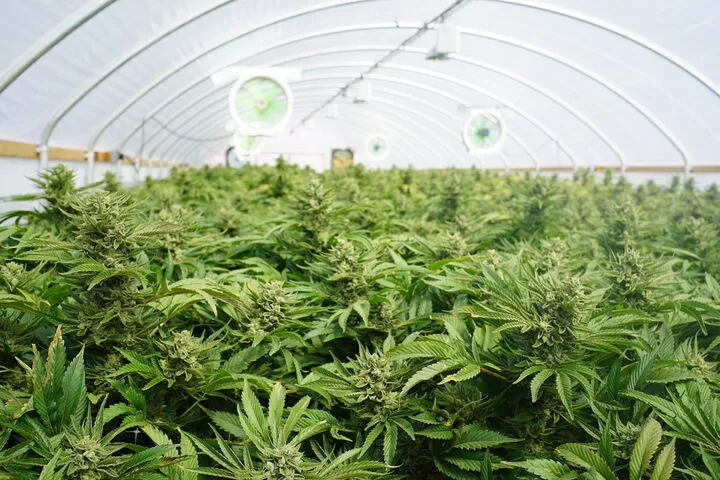
The Sea of Green (SOG) technique involves growing many small plants closely together to create a "sea" of uniform tops. This method focuses on maximizing yield in a short period by shortening the vegetative stage and quickly moving to the flowering stage.
How to Perform SOG
Selection: Use clones or seeds of the same strain to ensure uniform growth. This helps create a consistent canopy.
Spacing: Place plants close together, usually 1-2 plants per square foot. This maximizes the use of available space.
Cycle: Switch to the flowering stage early, after 2-3 weeks of vegetative growth. This ensures the plants do not outgrow their space and focuses energy on bud production.
Why SOG is Effective
SOG reduces the vegetative period and focuses on producing a single main cola per plant, leading to faster harvests. It is ideal for growers aiming for a quick turnover and maximizes yield per square foot. By growing many small plants, growers can achieve a continuous harvest cycle, ensuring a steady supply of buds.
Equipment Needed
Clones or seeds of the same strain: Ensure uniform growth.
Adequate lighting: Necessary to cover the entire growing area and support dense plant growth.
Defoliation
What is Defoliation?
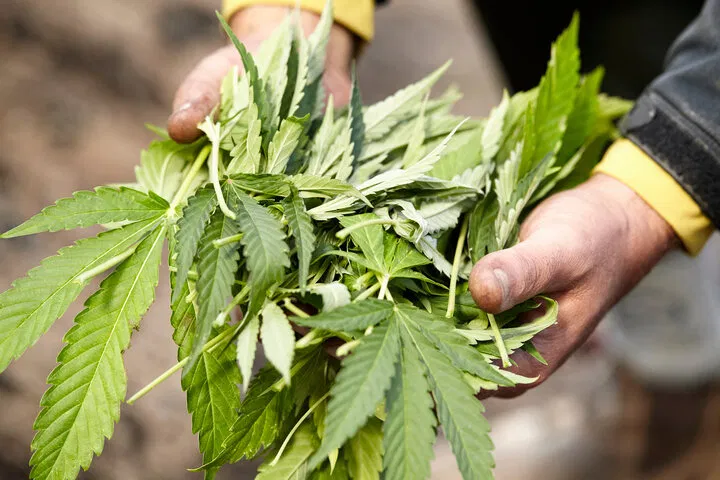
Defoliation involves selectively removing leaves to improve light penetration and airflow to the lower parts of the plant. This technique helps ensure that all parts of the plant receive adequate light and reduces the risk of mold and pests.
How to Perform Defoliation
Timing: Perform defoliation during the vegetative stage and early flowering stage. Avoid defoliating too late in the flowering stage to prevent stress.
Selection: Remove large fan leaves that block light to bud sites or hinder airflow. Focus on leaves that are shaded or do not contribute significantly to photosynthesis.
Moderation: Be careful not to remove too many leaves at once to avoid stressing the plant excessively. Gradual defoliation is more effective and less stressful for the plant.
Why Defoliation is Effective
Defoliation helps light reach deeper into the plant canopy, which can improve bud development and reduce the risk of mold and pests due to better airflow. By removing excess foliage, the plant can allocate more energy to the remaining leaves and bud sites, enhancing overall growth and yield.
Equipment Needed
Sterilized scissors or pruning shears: Essential for making clean cuts and preventing infection.
Conclusion
Cannabis plant training techniques are invaluable for maximizing yield, improving plant health, and managing grow space effectively. Each method has its unique benefits and applications, making it essential for growers to choose the right technique based on their goals and growing conditions. Whether you prefer the gentle approach of LST, the structured method of mainlining, or the intensive management of ScrOG and SOG, proper implementation of these techniques can significantly enhance the overall quality and quantity of your cannabis harvest. By understanding and mastering these training methods, growers can achieve more efficient and productive cultivation, resulting in healthier plants and higher yields.