

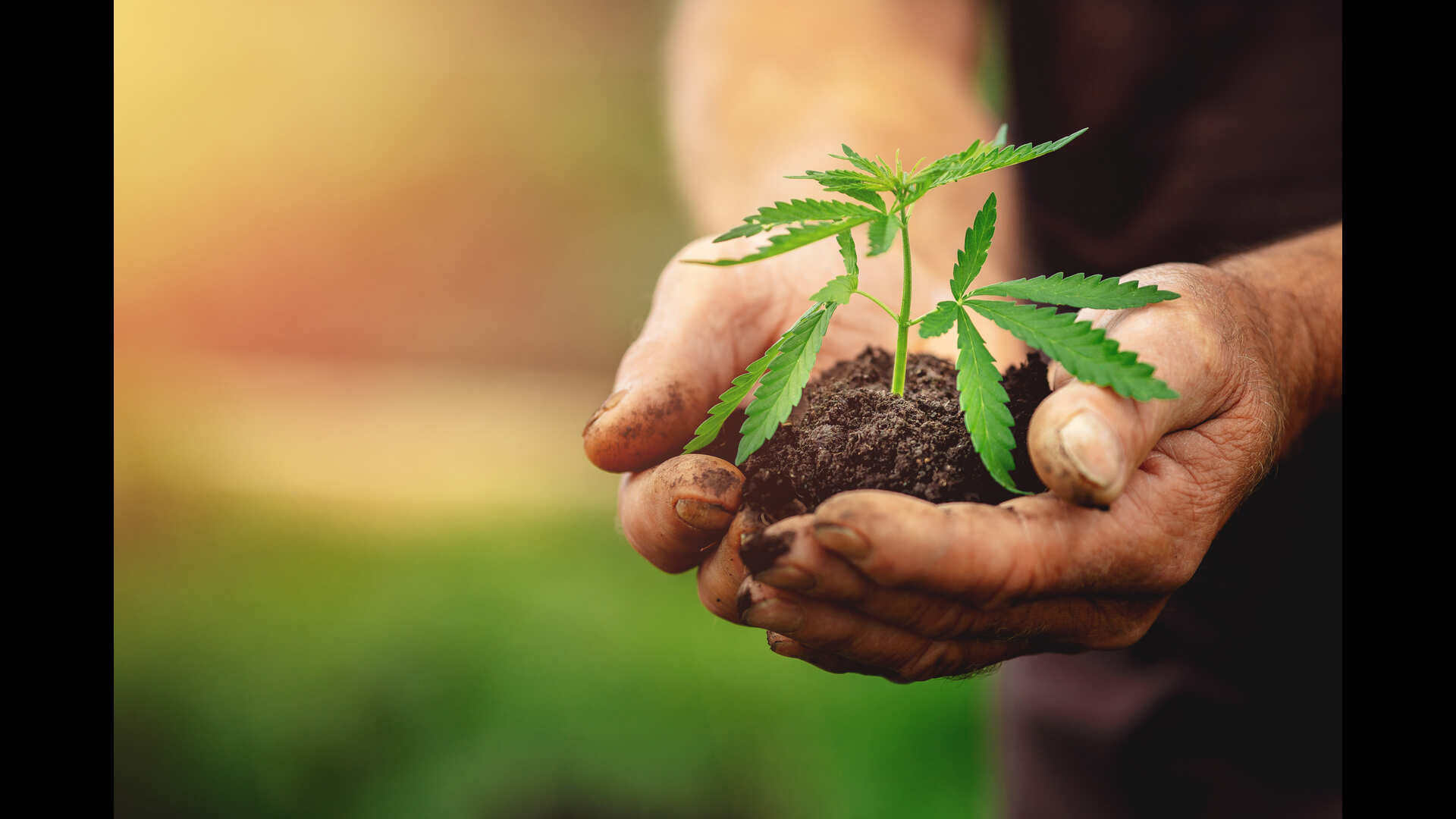
Search "how to grow marijuana" and you'll find thousands of guides telling you what to do - set this temperature, use that nutrient, follow this schedule.
Much of it works. Some of it conflicts. And for a new or intermediate grower, that contradiction creates hesitation. One may end up second-guessing simple decisions, or worse, trying to follow multiple systems at once.
The problem isn't a lack of information. In many cases it can be a lack of understanding. Cannabis isn't a checklist. It's a living system responding to its environment in real time, constantly adjusting its physiology based on what it perceives around it. When the plant is better understood, the process becomes simpler, more intuitive, and far more consistent over time.
How to grow marijuana isn't all about secrets, tips, and hacks - handy though some of them are. It's about seeing the plant clearly, finding rhythms, and learning to trust what the plant is showing you.
How To Grow Marijuana Begins With Understanding The Plant
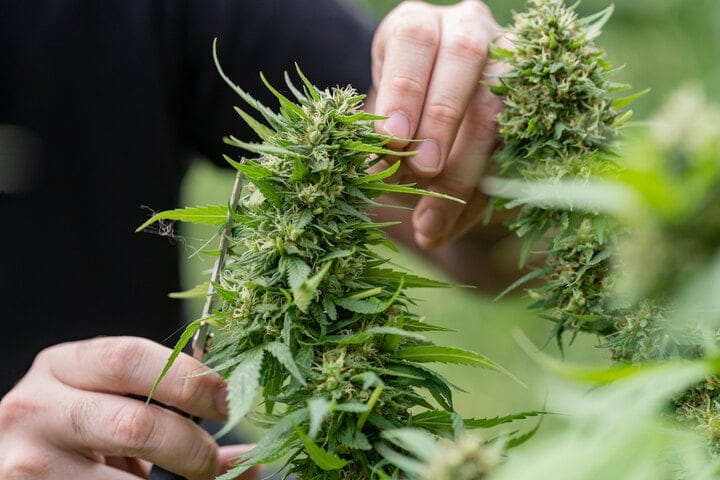
Cannabis is a photoperiood-sensitive annual. That sounds highly technical, but it breaks down fairly simply:
- It grows fast
- It responds to seasonal light changes
- It lives to reproduce - then dies
Everything the plant does serves that purpose. There's no wasted energy in a healthy plant - every process is tied back to survival and reproduction, even if it doesn't look that way at first glance.
Research in plant physiology consistently shows that growth patterns in annual plants are driven by environmental cues - especially light duration and intensity (Taiz et al, Plant Physiology and Development, 2015). These cues don't just influence growth - they define it.
When you're growing cannabis, you're not so much "making" anything happen. You're influencing how the plant interprets its environment, shaping its responses rather than dictating its behaviour outright.
A few examples:
Stretching isn't random - it's the plant searching for better light, redirecting energy to reach a more favourable position.
Resin production acts as protection against stressors like UV radiation and environmental pressure
Flowering is triggered by changes in light cycles, signalling the end of its lifecycle and the urgency to reproduce.
Learning how to grow marijuana involves understanding the cultivator's role is one of stewardship. More than managing a process, it's about guiding a response. And many experienced growers can attest that, once that clicks, everything else begins to make more sense.
Environment is the Real Grower
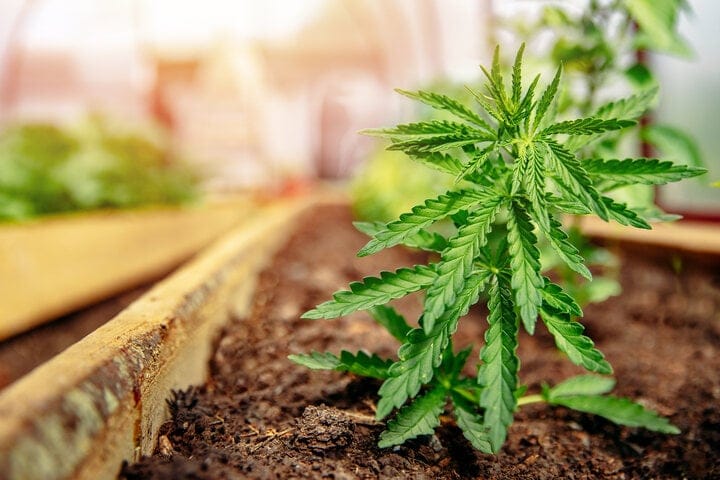
Stripping everything back, how to grow marijuana comes down to four environmental factors:
- Light
- Air
- Water
- Medium (soil or substrate)
These aren't inputs in the traditional sense. They're signals - inputs that the plants reads, interprets, and reacts to continuously throughout its lifecycle. Whether establishing itself in early growth, packing on green mass, or flowering beautifully.
The role of the cultivator isn't necessarily to control the plant directly. It's to lovingly and patiently shape these key signals in a way that encourages healthy, balanced growth without overwhelming the plant's natural processes.
Light Energy and Information
Light drives photosynthesis, but it also tells the plant how to grow, when to grow, and when to stop. Studies show that light spectrum and intensity directly affect structure and shape, yield, and cannabinoid expression (Chandra et al, Cannabis Sativa L: Botany and Biotechnology, 2017). It's not just about "more light equals more growth" - it's about the right kind of light, delivered in a way the plant can actually use. For instance:
- Too little light = stretching, weak structure, inefficient growth
- Too much light (poorly managed) = stress responses, bleaching, reduced efficiency
From a tactical viewpoint, consistency and the appropriate intensity for the stage the plant is in matter. Stability is key.
Related Article:How A Weed Plant Uses Light: The Science of Photosynthesis
Air: Invisible, but Essential
Airflow supports gas exchange - C02 in, oxygen out - and strengthens plant structure over time through gentle mechanical stress.
Poor airflow increases disease risk, especially risk of fungal pathogens which thrive in stagnant, humid environments (Jones, Plant Pathology, 2014).
- Still air = weak stems, higher humidity pockets, increased disease risk
- Moving air = stronger plants, more resilience, more even environmental conditions
Air can be an easily overlooked consideration when learning how to grow marijuana - because it's invisible. But its influence is important, and its effects are constant.
Water: More Than Just Hydration
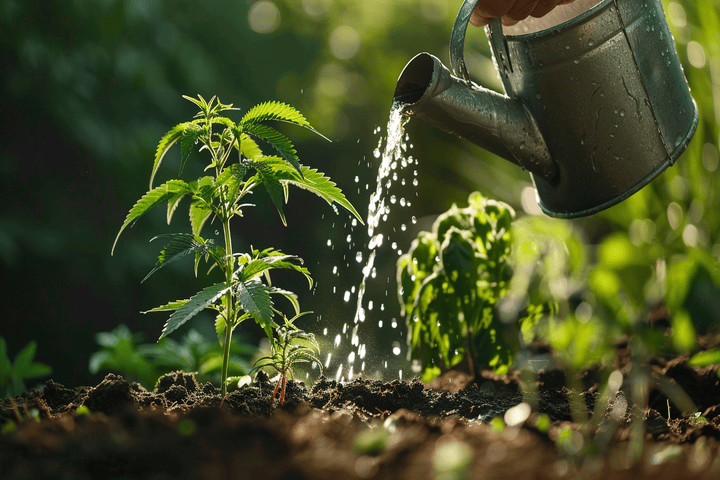
Water transports nutrients, maintains cellular pressure, and supports virtually every metabolic process in the plant.
Overwatering is one of the most common mistakes - not because growers add "too much water," but because it removes oxygen from the root zone in the process. This can lead plants to essentially drown.
Root respiration is critical for nutrient uptake and overall plant health (Armstrong & Drew, New Phytologist, 2002). Without sufficient oxygen, roots can't function properly, no matter how much water or nutrients are available.
Tactically, successful cultivators tend to:
- Let the medium dry slightly between watering cycles
- Think in terms of oxygen availability, not just moisture levels
Related Article:How To Fix Cannabis Overwatering
Medium: The Foundation of the Grow
Soil or substrate anchors the plant and regulates access to water and nutrients. It also creates the physical environment in which roots expand, explore, and establish themselves.
Healthy root environments correlate directly with plant vigor and yield (Lynch, Annual Review of Plant Biology, 1995). Successful cultivators understand they're not just feeding the plant - they're also shaping the conditions that allow it to feed itself effectively.
Related Article: The Science of Cannabis Root Health: Tips For Vigorous Plants
Cannabis Growth Stages: Behaviour, Not Just Timeline
Most guides to how to grow marijuana list growth stages as fixed times. In reality, they're shifts in behaviour - changes in what the plant prioritises based on internal and external signals.
Seedling Stage: Establishment
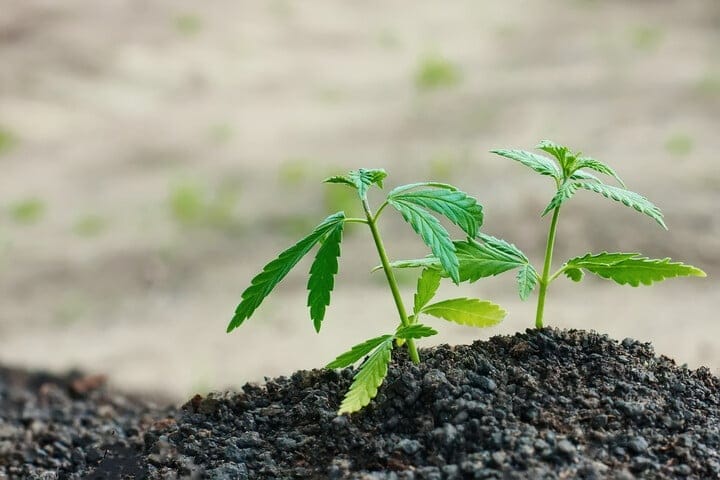
The plant is fragile, and focused almost entirely on building a functional root system. At this stage, a plant:
- Needs stability, not intensity
- Will almost certainly be harmed by overfeeding, rather than helped
As a cannabis plant goes through the seedling stage, less intervention usually leads to better outcomes.
Vegetative Stage: Expansion

This is the plant's growth engine, where it builds the structure it will rely on later. When you see the vegetative stage explained, you'll see mention of:
- Rapid leaf and stem development
- Active competition for light and space
Photosynthetic capacity increases dramatically during this phase, driving biomass accumulation (Poorter et al., New Phytologist, 2012). The plant is effectively investing in its future potential.
Flowering Stage: Reproduction
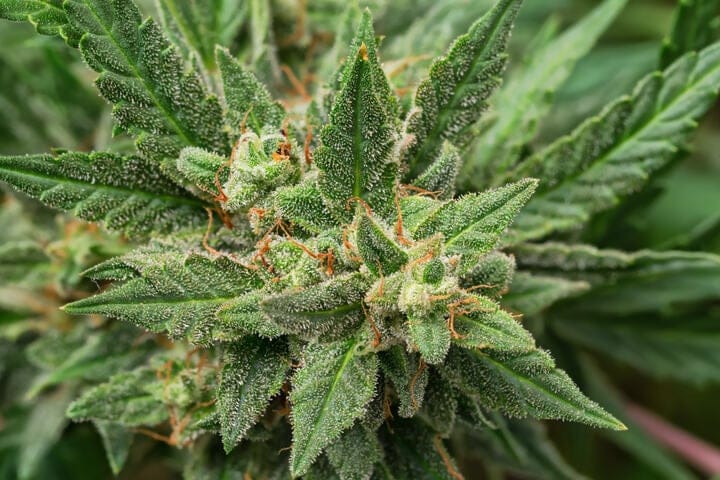
When learning how to grow marijuana, examining the flowering stage shows us that everything shifts toward one goal: reproduction.
- Energy moves toward flower production
- Defensive compounds (like cannabinoids and terpenes) increase
Secondary metabolite production often rises under mild stress conditions (Selmar & Kleinwachter, Plant & Cell Physiology, 2013). This is part of the plant's natural defense strategy.
Understanding and mastering the flowering stage helps growers avoid over-interfering at the exact moment the plant knows what to do.
How To Grow Marijuana by Reading The Plant
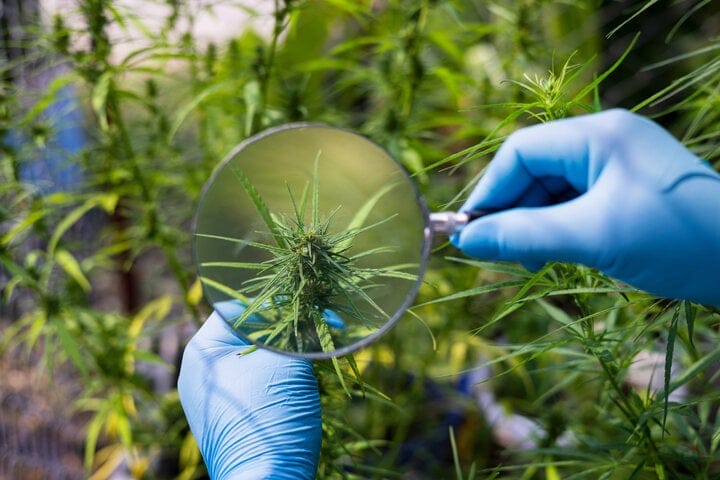
This is where how to grow marijuana becomes intuitive, rather than procedural. Experienced cultivators find harmony with the plant, establishing a rhythm.
The plant constantly communicates, and successful growers learn to recognise the signals and trust what the plant is showing, even if it contradicts something read elsewhere.
For example:
- Leaves pointing upward ("praying"): Optimal conditions and strong metabolic activity
- Drooping Leaves: Potential water imbalance or root stress
- Pale colour: Possible nutrient or llight imbalance developing over time
- Dark, clawed leaves: Possible overfeeding or nitrogen excess
There's no chart that replaces observation. Over time, pattern recognition becomes one of a grower's most valuable skills.
Plant signals and stress responses are well-documented in plant biology - especially how morphology (shape and structure) reflects environmental conditions (Karban, Plant Sensing and Communication, 2015).
The takeaway: Healthy plants look alive. Unhealthy plants look like they're struggling. Simple - but once you start seeing it, it's hard to ignore.
Genetics Matter - But Not How Some People Think
Genetics don't guarantee results. They define potential - setting the range within which a plant can express itself. Two growers can run the same genetics and get completely different outcomes based on environment, interpretation, and consistency.
What good genetics do offer:
- Stability
- Predictability in structure and behaviour
- A reliable expression range growers can learn over time
Working with well-preserved, thoughtfully bred genetics reduces variables. It creates a more stable starting point - but it doesn't remove the need to understand the plant in front of you.
Common Mistakes When Learning How To Grow Marijuana
Most mistakes aren't technical - they're often rooted in misunderstanding how the plant actually functions.
Overwatering
Overwatering is not purely about volume. It's about oxygen deprivation at the roots, which disrupts basic plant processes.
Overfeeding
More nutrients doesn't equate to more growth. Plants have limits on uptake and use, and exceeding those limits creates stress rather than progress.
Light Mismanagement
Too much intensity without proper adaptation leads to stress responses, not increased productivity.
Forcing Outcomes
Trying to "push" plants instead of responding to them often creates more problems than it solves.
Each of these comes back to one idea:
Misunderstanding the plant often leads to overcorrection. And overcorrection is where many issues begin.
How To Grow Marijuana: Bringing It All Together
Learning how to grow marijuana isn't about mastering a perfect method or chasing ideal conditions that rarely exist in reality. It's about developing awareness over time, getting into a rhythm with the plant, and working in harmony together with nature. Understanding what the plant is trying to do, recognising how it responds to its environment, and making small, informed adjustments instead of large, reactive ones.
Perfect conditions aren't strictly necessary to grow successfully. What's more important is consistency, observation, and patience - the willingness to let the plant show what it needs rather than forcing a system upon it.
At that point, growing becomes less about control, and more about connection. And that's when it can become magical.
