

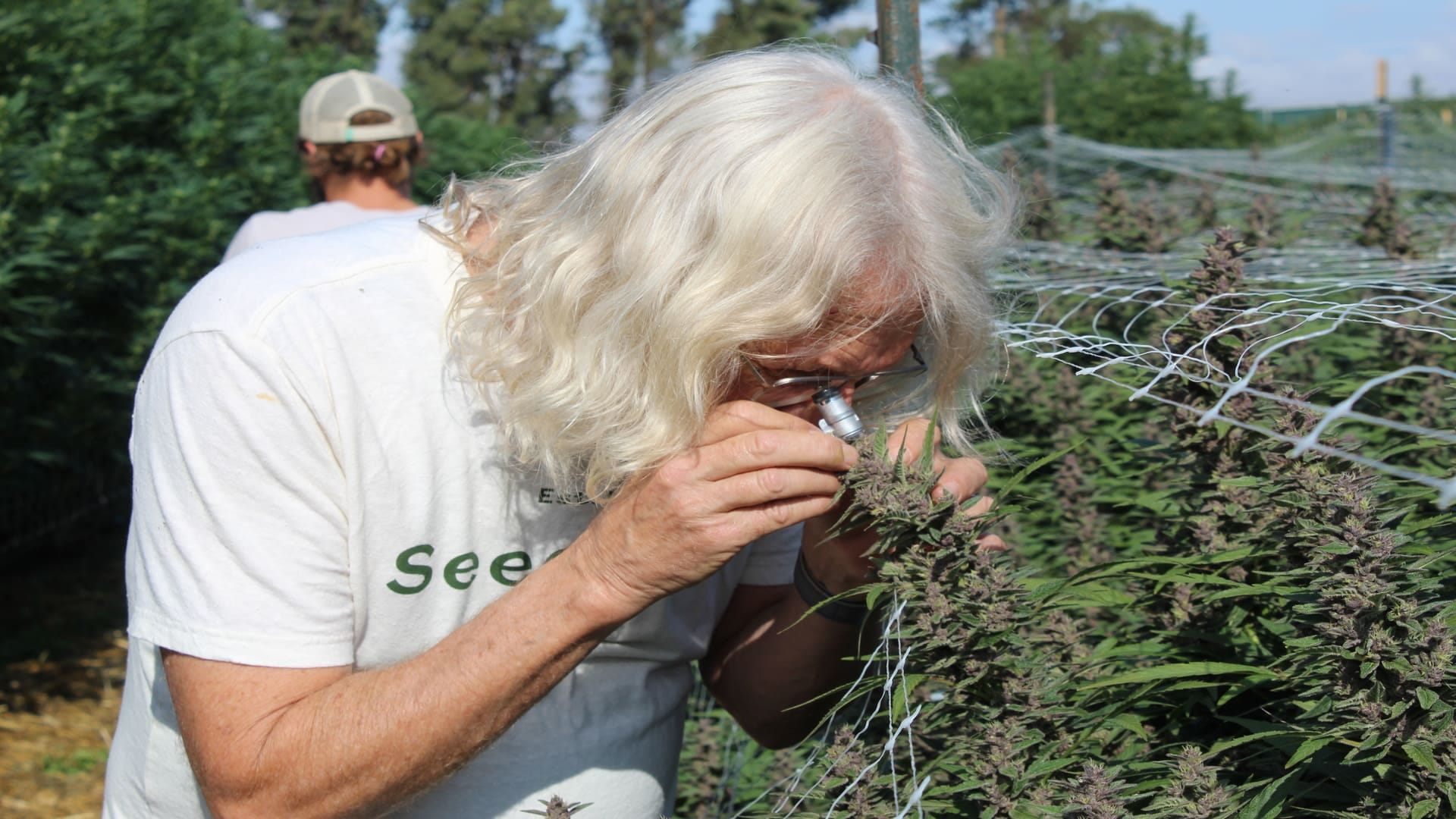
By Jorge Cervantes and Dr. Gary Yates
Legal Disclaimer This educational content is intended for adults 21+ in jurisdictions where cannabis cultivation is legally permitted. This content is for educational purposes only and does not constitute medical or legal advice.
Introduction
The cannabis flowering stage represents the culmination of months of careful cultivation—a critical 6-12 week period where everything from final yield to cannabinoid potency is determined. This period is also commonly referred to as the marijuana flowering stage, highlighting its importance in the overall cultivation process. After four decades of cannabis cultivation research across five continents, I've learned that mastering the flowering phase separates successful growers from those who struggle with disappointing harvests.

In my Cannabis Encyclopedia chapter on flowering, I emphasize that "the flowering stage is when cannabis plants reveal their true genetic potential, but only under optimal environmental conditions." As a key phase in the plant's lifecycle, the flowering stage marks the transition toward maturity and harvest. This comprehensive guide distills decades of hands-on experience with modern horticultural science to help you achieve consistent, high-quality results, whether you're growing cannabis plants indoors under grow lights or outdoors in natural sunlight.
From recognizing the first pre-flowering signs to mastering harvest timing through trichome inspection, we'll explore every aspect of the cannabis flowering stage with scientific precision and practical wisdom. Whether you're managing photoperiod strains under a 12/12 light cycle or nurturing autoflowering cannabis plants, this guide provides the knowledge needed for a successful flowering stage.
Understanding the Cannabis Flowering Transition
Pre-Flowering Signs Every Grower Must Recognize
The transition from the vegetative stage to the flowering phase begins with subtle but crucial changes that experienced growers learn to identify immediately. These pre-flowering signs appear within 7-14 days after switching photoperiod cannabis plants to a 12/12 light cycle indoors, or naturally when daylength falls below a cultivar-specific critical photoperiod for outdoor cultivation.
Critical pre-flowering indicators include:
White pistil emergence at branch nodes signals female cannabis plants entering the flowering phase. These twin white hairs (stigmas) appear first at the junction between the main stem and lateral branches, gradually spreading throughout the plant as flowering hormones increase.

Vertical stretching acceleration marks the beginning of the stretch phase, where most cannabis strains grow 50-200% taller. Indica plants typically stretch less dramatically than sativa varieties, but proper planning prevents plants from outgrowing indoor grow rooms.
Node spacing changes become apparent as internodal distance decreases and the plant's energy shifts from vegetative growth to flower production. This transition coincides with increasing resin production on developing bud sites.
Sex identification opportunities emerge during pre-flowering, allowing growers to identify and remove male plants before pollen sacs develop. Male cannabis plants produce round, grape-like clusters, while female plants show the characteristic white pistils essential for sinsemilla production.
Further Reading:Early Signs of Male Cannabis Plants

As I've observed in countless grow rooms worldwide, "Early sex identification and prompt male plant removal protects the entire garden from unwanted pollination, ensuring maximum flower quality and potency."
When Cannabis Plants Naturally Start Flowering
Understanding flowering initiation helps growers optimize timing and environmental control:
Photoperiod strains initiate flowering when receiving less than their cultivar-specific critical photoperiod, typically 13-14 hours of daily light [1]. While 12/12 is commonly used indoors, it is not a hard threshold for all cultivars. Indoor growers achieve consistent flowering through precise light schedule management, while outdoor cultivators rely on natural seasonal changes.
Outdoor flowering timing varies by latitude and cultivar, with most drug-type cannabis cultivars beginning the flowering phase when day length falls below their critical photoperiod—typically late July to August at mid-latitudes. This timing is often later than the commonly cited "2-3 weeks after solstice," as many cultivars require shorter daylengths to initiate flowering. Growing outdoors presents unique challenges, such as monitoring weather conditions, pests, and mold, and requires careful attention to environmental factors during the flowering stage.
Auto-flowering cannabis stages operate independently of photoperiod, transitioning to the flowering phase 3-6 weeks after germination, regardless of light schedule. This genetic trait, derived from Cannabis ruderalis genetics, makes autoflowers ideal for beginners and multi-harvest annual cycles.
Indoor flowering initiation provides complete environmental control, allowing year-round cultivation cycles and precise timing management. The 12/12 light cycle reliably triggers flowering in photoperiod plants while maintaining optimal growing conditions through artificial lighting systems.
Week-by-Week Cannabis Flowering Timeline
Weeks 1-3: Transition and Stretch Phase
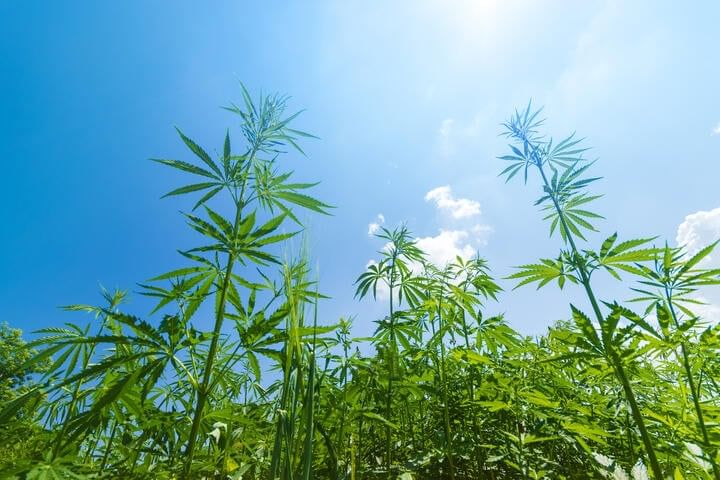
The early flowering phase presents challenges for even experienced growers because cannabis plants undergo dramatic physiological changes during this time. The first few weeks of the flowering stage are especially critical for plant development, as this is when rapid growth and hormonal shifts set the stage for successful bud formation. During this crucial period, environmental control and plant training techniques determine final yield potential.
Light cycle management becomes paramount as plants adjust to 12-hour photoperiods. Any light leaks during the dark period can disrupt flowering hormones, causing hermaphroditism or delayed flower development. Maintaining a completely dark grow room is essential to prevent disruptions during the flowering stage. Professional grow rooms use blackout materials and eliminate all light sources, including LED indicators on equipment.
Stretch phase management requires careful planning, as most cannabis strains double in height. Sativa-dominant varieties may triple their vegetative size, necessitating adequate vertical space and structural support. As noted in my flowering research, "Proper stretch management during weeks 1-3 determines whether plants fit their allocated space or outgrow their environment."
Environmental adjustments become crucial as flowering plants require different conditions than during the vegetative stage. Target 74-78°F (23-26°C) with lights on and 64-68°F (18-20°C) in dark periods, adjusting for cultivar and room constraints. Humidity levels should decrease from vegetative levels to 50-55% to prevent mold development in developing flower clusters. Monitoring and adjusting the grow room environment during these weeks is vital to prevent issues like bud rot and to optimize flowering.
Nutrient transition from nitrogen-heavy vegetative feeding should avoid rigid NPK ratios. Use moderate phosphorus and adequate potassium; confirm with runoff EC and, ideally, tissue analysis. Optimal rates are system- and genotype-specific; oversupplying phosphorus can reduce performance [3]. Plants begin requiring increased calcium and magnesium supplementation as bud sites develop and resin production increases.
Plant training adjustments must be completed before week 3 to avoid stressing flowering plants. Low-stress training (LST), Screen of Green (SCROG) installation, and final canopy shaping should be finished early in the stretch phase. Heavy plant training during active flowering can reduce yields and delay maturation.
Weeks 3-4: Early Bud Development
The early bud formation phase marks visible flower development as cannabis plants establish the foundation for final yields. This period requires careful attention to environmental control and nutrient management as plants become more sensitive to stress factors.
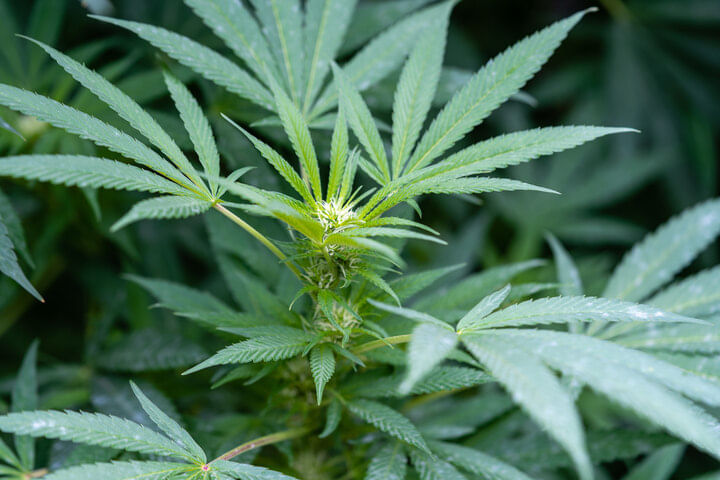
Bud site development accelerates as white pistils cluster more densely at node locations. As buds begin to form and fatten, they become more vulnerable to environmental stressors such as humidity and pests, making it crucial to monitor conditions closely to prevent issues like bud rot. These early flowers, called calyxes, form the basic structure that will expand throughout the remaining flowering phase. Healthy bud sites appear white and fuzzy, gradually developing the characteristic shape associated with mature cannabis flowers. Monitoring the progress of growing buds during this stage is essential for ensuring optimal development and timing the harvest for peak quality.
Trichome initiation begins during early flower development, appearing as tiny glass-like glands on developing buds and surrounding sugar leaves. These resin glands contain the cannabinoids and terpenes that determine final flower quality and potency. Early trichome development indicates healthy plant metabolism and proper environmental conditions.
Selective defoliation timing becomes critical as excessive leaf removal can stress flowering plants while insufficient pruning blocks light penetration to developing bud sites. Selective defoliation improves canopy light distribution and airflow, helping lower-canopy bud development and reducing disease risk; it does not directly 'reallocate energy' to buds [4]. Remove only large fan leaves that completely shade lower flowering sites, avoiding heavy defoliation that might slow flower development.
Reducing humidity to 45-50% helps prevent powdery mildew and bud rot, while supporting healthy transpiration rates. Increased airflow through oscillating fans promotes strong stem development and prevents stagnant air pockets that encourage fungal problems.
Nutrient adjustments continue to focus on balanced nutrition rather than dramatic increases in any single element. Excess nitrogen during flowering produces loose, leafy buds with reduced resin production. Calcium and magnesium become increasingly crucial as flower production demands higher mineral levels.
Weeks 4-6: Mid-Flowering Bulk Development
The mid-flowering phase represents the peak of flower development as cannabis plants channel their maximum energy into bud production. This critical period determines final yield and requires precise environmental control to maximize genetic potential.
Rapid bud growth characterizes this phase as flower clusters expand significantly in size and density. Properly managed plants show explosive flower development with tight, resinous buds forming throughout the canopy. This period often determines whether plants achieve their yield potential or fall short due to environmental stress.
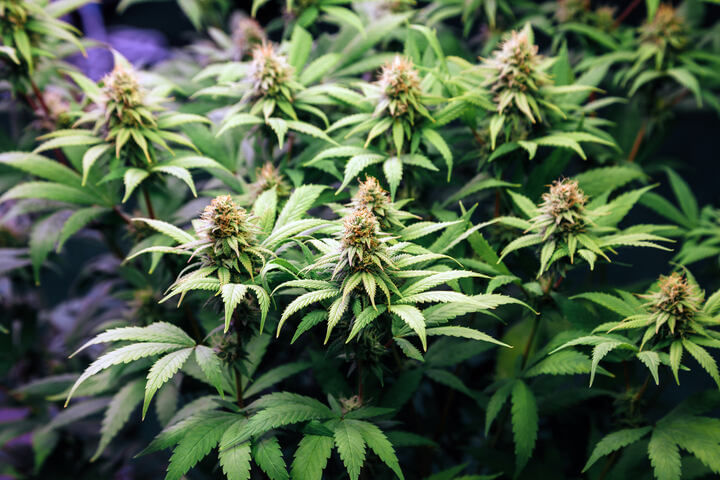
Terpene development intensifies as plants begin producing the aromatic compounds that define strain characteristics. The distinctive cannabis fragrance becomes much stronger during this phase, indicating healthy resin production and proper flower maturation. Adequate ventilation and aroma control become essential for managing odors while maintaining optimal growing conditions.
Environmental precision requires maintaining stable temperature and humidity levels as flowering plants become more sensitive to fluctuations. Target temperatures of 74-78°F (23-26°C) during lights-on and 64-68°F (18-20°C) during dark periods support optimal metabolic rates without encouraging excessive stretching or stress responses [2].
Lighting optimization should focus on PPFD targets rather than fixed fixture distance. Typical mid-flower PPFD is 800-1,000+ µmol·m⁻²·s⁻¹; higher levels are viable with CO₂ enrichment and adequate cooling. Adjust fixture height to avoid photobleaching [5]. Red-rich light (~660 nm) supports flowering. Supplemental far-red (~730 nm) can alter morphology and, under certain red:far-red ratios, increase yield; effects on resin/terpenes are inconsistent and cultivar-dependent [6].
Advanced plant training through lollipopping removes lower branch growth that won't develop significant flowers, redirecting plant energy to top colas where light penetration is optimal. Removing excess foliage, predominantly yellow or dead leaves, is crucial for improving light penetration and optimizing bud development during flowering. By managing excess foliage, the plant can allocate more energy to growing bigger buds, resulting in enhanced bud density and reduced popcorn-like bud development in lower canopy areas.
Weeks 6-8: Late Flowering Ripening
Late-stage flower development marks the beginning of cannabinoid maturation as cannabis plants approach harvest readiness. This phase requires careful monitoring and gradual environmental adjustments to optimize final flower quality.
Pistil color changes from white to orange, red, or brown indicate approaching maturity as flowers complete their reproductive cycle. Use pistil color only as a secondary cue. Prioritize trichome maturity (ratio of cloudy to amber) for harvest timing [7]. Most strains show 70-90% colored pistils at optimal harvest timing. Growers can determine when buds are mature and ready for harvest by observing both the color of the pistils and the development of trichomes, ensuring the buds reach their full potential before cutting.
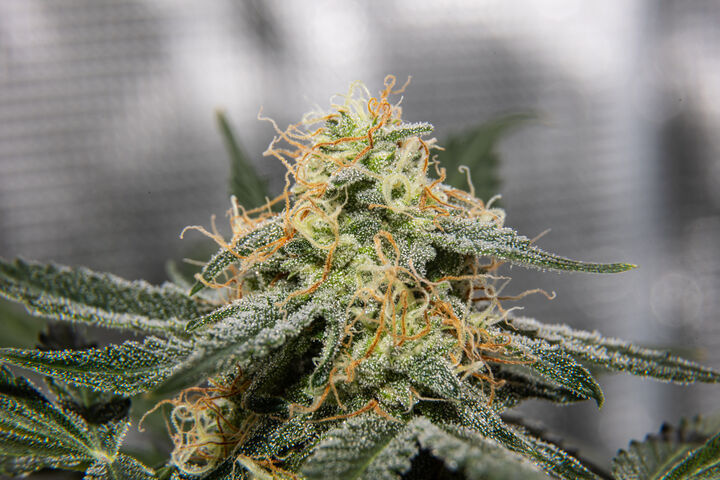
Resin production peaks during late flowering as trichome density reaches maximum levels. These glandular structures contain the highest concentrations of cannabinoids and terpenes, which determine the final potency and flavor profiles. Proper environmental conditions during this phase preserve resin quality and prevent trichome degradation.
Nutrient management should maintain balanced nutrition rather than dramatic reductions. Many growers lower the feed EC or briefly leach if runoff EC is excessive late flowering. Current evidence does not support water-only flushing for improving flower chemistry or smoke quality; focus on balanced nutrition and post-harvest handling [8].
Environmental stability becomes crucial as mature flowers are more susceptible to mold and environmental stress. Humidity levels should decrease to 40-45% while maintaining adequate airflow to prevent bud rot in dense flower clusters. Temperature stability prevents stress responses that might trigger hermaphroditism in sensitive strains. It is crucial to monitor the entire plant for signs of stress or disease as harvest approaches, ensuring overall plant health and optimal yield.
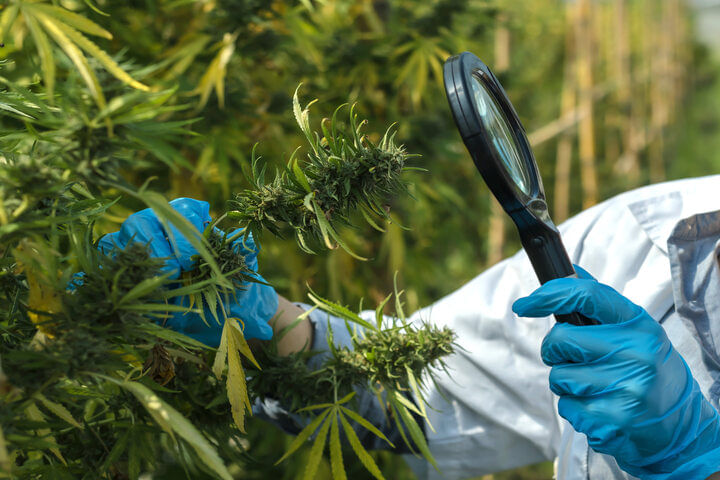
Harvest preparation includes monitoring trichome development with 30-60X magnification to assess cannabinoid maturity. Clear trichomes indicate early maturity, cloudy trichomes show peak THC levels, and amber trichomes suggest cannabinoid degradation. Optimal harvest timing balances desired effects with peak potency levels.
Weeks 8+: Final Ripening and Harvest Preparation
The final flowering phase focuses on maximizing flower quality through careful environmental management and precise harvest timing. This period separates exceptional flowers from merely adequate results through attention to detail and proper finishing techniques.
Trichome inspection using 30-60x magnification provides the most accurate assessment of harvest timing. Peak THC levels occur when 70-90% of trichomes appear cloudy white, while increasing amber percentages indicate cannabinoid conversion to CBN and more sedative effects. Daily monitoring during this phase ensures optimal harvest timing. It is crucial to closely inspect each cannabis bud, as individual buds may mature at different rates, to determine the best harvest window and maximize overall quality.
Final environmental adjustments should maintain target PPFD/DLI through finish unless you observe photobleaching or heat stress. Manage with canopy distance, air movement, and cooling rather than a blanket 10-15% light reduction [5]. Some growers implement darkness periods before harvest to potentially increase resin production, though scientific evidence for this practice remains limited.
Environmental Control Mastery During Flowering
Precise environmental management during the flowering stage determines whether cannabis plants achieve their genetic potential or fall short due to suboptimal conditions. To care for your plants properly during the flowering stage, it is essential to manage environmental factors such as temperature, humidity, and airflow. Four decades of cultivation experience have taught me that consistent environmental control separates successful grows from disappointing harvests.
Temperature and Humidity Optimization
Temperature management requires understanding how cannabis plants respond to thermal fluctuations during flower development. Temperature stability during flowering prevents stress responses that can trigger hermaphroditism and reduce final yields [2].
Optimal temperature ranges for flowering cannabis:
- Weeks 1-2: 75-79°F (24-26°C) daytime, 65-70°F (18-21°C) nighttime
- Weeks 3-6: 74-78°F (23-26°C) daytime, 64-68°F (18-20°C) nighttime
- Weeks 7-8: 68-74°F (20-23°C) daytime, 60-65°F (16-18°C) nighttime
- Final weeks: Below 72°F (22°C) daytime, below 64°F (18°C) nighttime
Plants grow best within these specific temperature and humidity parameters during the flowering stage, ensuring healthy development and optimal yields.
Humidity progression follows plant development stages:
- Early flowering: 55-60% relative humidity
- Mid-flowering: 45-50% relative humidity
- Late flowering: 40-45% relative humidity
- Pre-harvest: Below 45% relative humidity
Vapor Pressure Deficit (VPD) calculations help optimize the relationship between temperature and humidity for maximum transpiration rates. A target VPD of 1.0-1.5 kPa during flowering supports healthy plant metabolism while preventing excessive water stress and mold development [9].
Lighting Considerations for Flowering Success
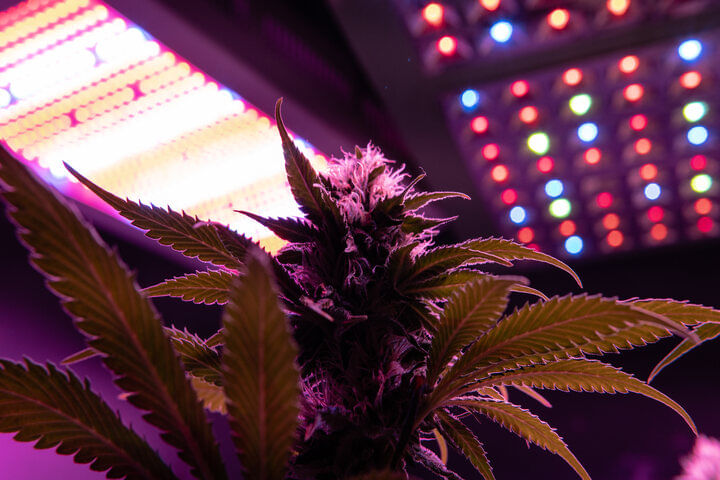
Light cycle consistency proves critical for photoperiod strains, as any interruption during the 12-hour dark period can disrupt flowering hormones. Professional grow rooms eliminate all light sources, including equipment LEDs, timer lights, and external light leaks that might reach plant canopies.
Light intensity optimization varies by growth stage and plant position within the canopy. Use a PAR meter to target PPFD rather than fixed fixture distance. Typical mid-flower PPFD is 800-1,000+ µmol·m⁻²·s⁻¹; higher levels are viable with CO₂ enrichment and adequate cooling [5].
PPFD recommendations by flowering stage:
- Early flowering: 500-700 µmol·m⁻²·s⁻¹
- Mid-flowering: 700-900 µmol·m⁻²·s⁻¹
- Late flowering: 600-800 µmol·m⁻²·s⁻¹ (reduced to prevent trichome degradation)
Improper light spectrum or excessive intensity from a grow light can cause light stress, leading to issues such as foxtailing, bud bleaching, or abnormal growth patterns. Managing both spectrum and intensity is crucial for healthy flower development.
LED versus HPS considerations affect both environmental control and plant responses. LED fixtures produce less heat, allowing closer canopy positioning and more precise environmental control. HPS systems require greater ventilation and distance management but provide excellent penetration for large plants.
Light spectrum adjustments can enhance flowering responses, with red-heavy spectrums (660-730nm) promoting flower development and resin production. Many modern LED systems offer spectrum control, allowing growers to optimize light quality for different flowering stages.
Nutrient Management for Maximum Flowering Performance
Flowering-Specific Nutrient Requirements
Cannabis plants undergo dramatic nutritional changes during the transition from the vegetative stage to flowering phase. Understanding these shifting requirements allows growers to optimize feeding schedules for maximum flower development and resin production.
NPK ratio adjustments reflect changing plant priorities as energy shifts from leaf production to flower development. Avoid rigid NPK 'ratios.' Use moderate phosphorus and adequate potassium; confirm with runoff EC and, ideally, tissue analysis. Optimal rates are system- and genotype-specific; oversupplying phosphorus can reduce performance [3].
Phosphorus requirements increase during flower development as this essential nutrient supports bud formation and root development. However, recent research indicates that moderate phosphorus levels promote dense, resinous flowers, while excessive phosphorus can reduce performance and cannabinoid production [3].
Potassium levels need to escalate throughout flowering, as this nutrient regulates water movement, enzyme activation, and overall plant metabolism. Adequate potassium levels support healthy plant function and robust flower production, while deficiency symptoms include burnt leaf edges and weak flower development.
Calcium and magnesium supplementation become increasingly important during flowering as these secondary nutrients support cell wall development and chlorophyll production. Calcium or magnesium deficiencies can cause many flowering problems by impairing nutrient uptake and plant metabolism.
Common Flowering Nutrient Problems and Solutions
Phosphorus deficiency manifests as dark green leaves with purple petioles and stems, often appearing during weeks 3-5 of flowering. This deficiency has a severe impact on flower development and should be addressed immediately with phosphorus-rich supplements. Proper pH management (6.0-6.5 for soil, 5.5-6.5 for hydroponics) ensures optimal phosphorus availability.

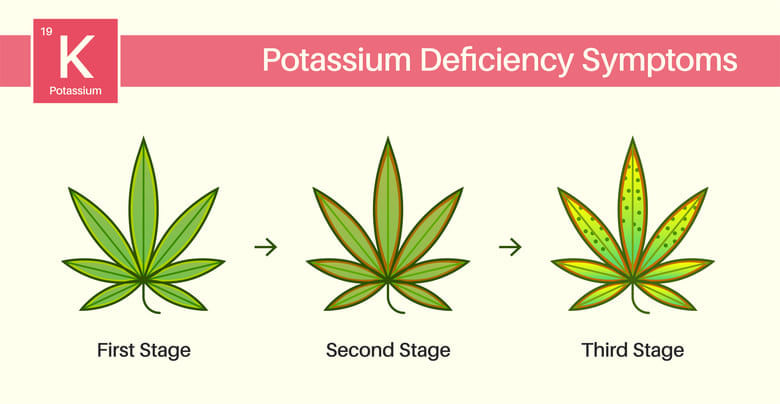
Potassium deficiency is characterized by yellow-brown leaf edges and weak flower development, particularly during late flowering when potassium demand is at its peak. This condition compromises overall plant health and reduces final yields if not corrected promptly. Quality potassium supplements help maintain proper nutrient balance throughout flowering.
Nutrient burn from overfeeding is indicated by yellow or brown leaf tips and edges, which suggests excess nutrient accumulation in plant tissues. If prior feeding has pushed substrate salinity high, a brief leach can normalize substrate EC to alleviate salt stress. That is substrate management, not proven 'washing' of nutrients from buds [8].

pH management during flowering requires maintaining optimal ranges for nutrient availability:
- Soil grows: 6.0-6.8 pH
- Coco coir: 5.8-6.2 pH
- Hydroponic systems: 5.5-6.0 pH
Regular pH monitoring and adjustment ensure optimal nutrient uptake throughout the flowering phase.
Training and Pruning Techniques for Flowering Optimization
Early Flowering Training Strategies
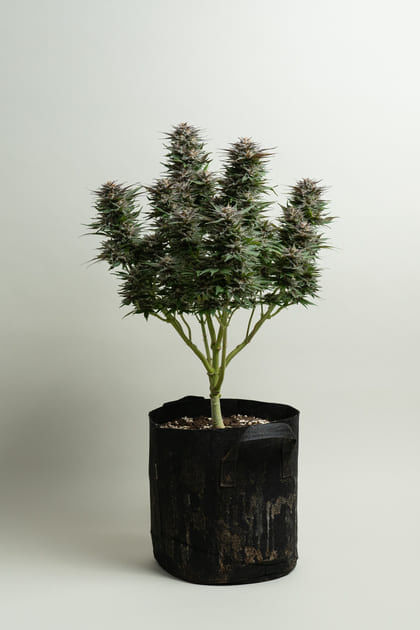
Plant training during early flowering requires careful timing and technique to avoid stressing developing flowers. Most training techniques must be completed before week 3 to prevent yield reduction and delayed maturation.
Selective defoliation involves removing specific leaves that block light penetration to developing bud sites. Focus on large fan leaves that completely shade lower flowering sites while leaving leaves that contribute to photosynthesis. Proper defoliation enhances light distribution and airflow throughout the canopy, improving microclimate conditions and reducing disease risk.
Lollipopping technique removes lower branch growth that won't develop significant flowers due to insufficient light penetration. This practice redirects plant energy to top colas where light levels support optimal flower development. Remove the bottom third of branches during early flowering for best results.
SCROG (Screen of Green) installation must be completed before the stretch phase begins. This training method spreads the canopy horizontally to maximize light exposure and create multiple top colas. Proper SCROG timing ensures even flower development across the entire canopy.
What to Avoid During Flowering
Heavy training restrictions apply after week three as plants become more sensitive to stress during active flower development. Topping, supercropping, and other high-stress techniques can significantly reduce yields and delay harvest timing if performed during flowering.
Excessive defoliation can severely stress flowering plants and reduce photosynthetic capacity needed for flower development. Remove only leaves that block entirely light to flowering sites, leaving as much green tissue as possible to support plant metabolism.
Environmental disruption during flowering can trigger stress responses including hermaphroditism and delayed maturation. Maintain consistent temperature, humidity, and light schedules throughout the flowering period to ensure optimal plant responses.
Advanced Troubleshooting for Flowering Stage Problems
Identifying and Solving Common Flowering Issues
Bud rot (Botrytis cinerea) is one of the most devastating problems affecting the flowering stage, capable of destroying entire harvests within days. This fungal infection appears as brown, mushy areas within dense flower clusters and spreads rapidly in high humidity conditions. Prevention through proper environmental control proves more effective than treatment.

Early detection involves daily inspection of dense bud sites, particularly where large fan leaves meet developing flowers. Remove affected areas immediately, cutting well beyond visible infection to prevent spread. Improve airflow, reduce humidity below 45%, and increase ventilation to prevent further development.
Powdery mildew appears as white, powdery spots and blotches on leaves and can quickly spread throughout the garden during flowering. This fungal infection thrives in moderate temperatures with high humidity and poor airflow. Prevention requires maintaining humidity below 50% with adequate air circulation throughout the canopy.
Food safety concerns limit treatment options during flowering, making prevention critical. Milk spray (1:10 ratio with water) provides organic treatment for minor infections. Severe infestations may require harvest decisions to prevent total crop loss.

Spider mites become particularly problematic during flowering as treatment options become limited. These tiny pests create fine webbing on leaves and can quickly defoliate plants if left unchecked. Hot, dry conditions encourage rapid reproduction of spider mites, making environmental control essential for prevention.
During flowering, biological controls such as predatory mites offer the safest treatment options. Avoid chemical pesticides that might contaminate flowers intended for consumption. Prevention through proper environmental management and quarantine procedures provides the best protection.
Preventing Hermaphrodite Development
Stress factor identification helps prevent hermaphroditism, which can destroy sinsemilla crops through unwanted pollination. Environmental stress, genetic predisposition, and cultivation errors can trigger male flower development in female plants during flowering.
Light leak detection requires thorough inspection of grow spaces during dark periods. Even small amounts of light can disrupt flowering hormones and trigger hermaphrodite responses. Use red-filtered flashlights for inspections and seal all potential light sources.
Environmental stability throughout flowering prevents stress responses that might trigger hermaphrodite development. Maintain consistent temperature, humidity, and pH levels while avoiding dramatic ecological changes that stress developing plants.
Flowering Timeline Troubleshooting
Slow flowering progression can result from environmental stress, inadequate lighting, or genetic factors. Plants experiencing stress may delay flower development or produce yields that are smaller than expected. Address environmental issues and ensure adequate light levels for optimal flowering progression.
Premature flowering in vegetative plants often indicates problems with the light schedule or environmental stress. Check timer accuracy and eliminate light leaks that might confuse plant photoperiod responses. Genetic factors may also cause some plants to flower under vegetative light schedules.
Extended flowering times beyond breeder estimates may indicate environmental stress or genetic variation. Some phenotypes naturally require longer flowering periods than the advertised averages. Monitor trichome development rather than relying solely on time estimates for harvest decisions.
Strain-Specific Flowering Considerations
Indica vs Sativa Flowering Differences

Indica flowering characteristics include shorter flowering periods (6-8 weeks), dense flower structure, and compact plant growth. These strains typically show less stretch during early flowering and develop tight, resinous buds ideal for indoor cultivation. Indica plants generally require less vertical space and finish faster than sativa varieties.
Sativa flowering requirements involve extended flowering periods (10-14 weeks), an open flower structure, and continued vertical growth throughout the flowering stage. These strains often stretch significantly during early flowering and may require training to manage height in indoor environments. Sativa plants reward patient growers with unique terpene profiles and cerebral effects.
Hybrid flowering variations combine characteristics from both indica and sativa genetics, typically flowering in 8-10 weeks with moderate stretch and balanced flower development. Modern hybrids offer the best of both genetic pools while maintaining reasonable flowering times for most growing situations.
Popular Strain Flowering Characteristics
Understanding the specific flowering characteristics of a strain helps growers plan cultivation cycles and manage expectations. Referencing seedsman's flowering time specifications provides detailed information for particular varieties and growing recommendations [10].
Classic strain examples include:
- Northern Lights: 7-8 week indica with dense, resinous flowers
- Haze varieties: 10-12 week sativas requiring patience and height management
- White Widow: 8-9 week hybrid with exceptional resin production
- Skunk #1: Stable 8-week hybrid ideal for beginners
Modern hybrid considerations often involve stabilized genetics with consistent flowering times and predictable characteristics. These varieties offer reliable results for both novice and experienced growers while maintaining the diversity that makes cannabis cultivation interesting.
Autoflower flowering management differs significantly from photoperiod strains as these plants operate on fixed genetic timers regardless of light schedules. Most autoflowers complete their lifecycle in 10-12 weeks from germination, making them ideal for quick harvests and continuous production cycles.
Harvest Timing and Quality Optimization
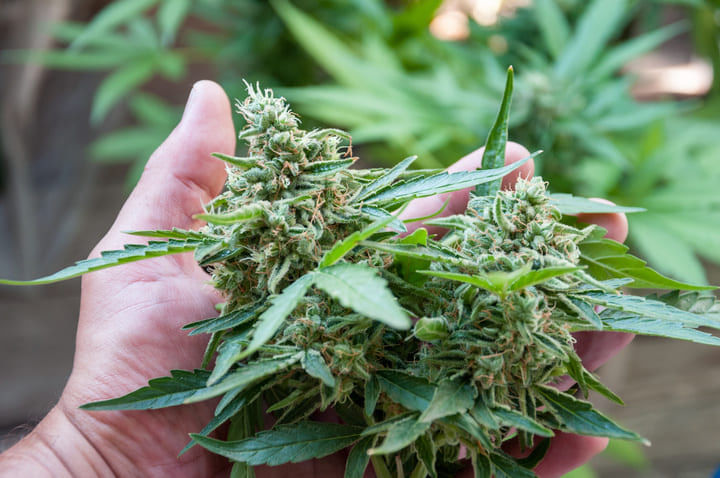
Determining Optimal Harvest Timing
Harvest timing represents the culmination of months of careful cultivation and determines the final quality, potency, and effects of the flowers. Multiple indicators help determine optimal harvest windows, with trichome inspection providing the most accurate assessment of cannabinoid maturity.
Trichome inspection techniques require 30-60x magnification to assess cannabinoid development accurately. Clear trichomes indicate early maturity with low cannabinoid levels. Cloudy white trichomes show peak THC content and optimal potency. Amber trichomes suggest cannabinoid degradation and more sedative effects.
Optimal harvest indicators include:
- 70-90% cloudy trichomes for peak THC levels
- 70-90% colored pistils as secondary confirmation
- Overall plant appearance showing senescence and fade
- Aroma development reaching peak intensity
Timing considerations balance multiple factors, including desired effects, environmental conditions, and practical constraints. Cerebral effects peak with mostly cloudy trichomes, while sedative effects increase with amber trichome percentages.
Maximizing Potency and Terpene Retention
Environmental stress techniques, such as reduced watering and lower temperatures, may increase resin production during the final weeks. However, excessive stress can reduce yields and should be applied carefully, taking into account plant responses and environmental conditions [11].
Harvest timing optimization for terpene preservation involves harvesting in the morning before heat and light degradation occur. Some terpenes are volatile and can be lost to environmental factors, making proper timing essential for preserving aromatic profiles.
Darkness periods before harvest remain controversial with limited scientific support. While some growers report increased resin production from 24-48 hour darkness periods, others see no significant difference. Focus on proven techniques rather than unverified practices.
Indoor vs Outdoor Flowering Considerations
Indoor Growing Cannabis Flowering Advantages

Growing cannabis indoors provides complete environmental control throughout the flowering stage, allowing year-round cultivation and consistent results regardless of external weather conditions. Indoor facilities offer protection from pests, diseases, and environmental stresses that can devastate outdoor crops.
Climate control systems maintain optimal temperature and humidity levels throughout flowering, preventing stress responses that reduce yields or compromise flower quality. Precise environmental management allows growers to optimize conditions for specific strains and growing techniques.
Light management through artificial lighting systems provides consistent photoperiods and optimal light spectrums for flowering development. Modern LED systems offer energy efficiency and spectrum control while reducing heat production compared to traditional HPS fixtures.
Security benefits include protection from theft, regulatory compliance, and privacy concerns associated with outdoor cultivation. Indoor facilities allow discreet cultivation while maintaining complete control over growing conditions and harvest timing.
Growing Cannabis Outdoors Flowering Challenges
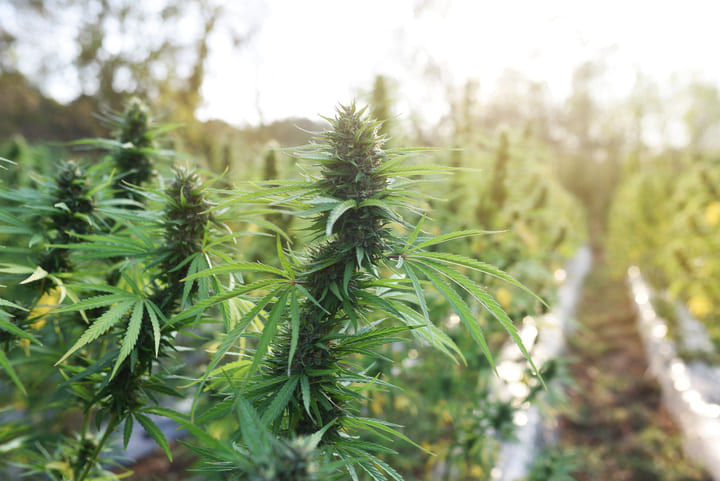
Seasonal timing requires careful planning, as outdoor plants begin flowering in response to natural photoperiod changes rather than artificial light schedules. Northern Hemisphere growers typically see flowering initiation in late July or August, with harvests occurring from September to November, depending on latitude and strain selection.
Environmental variables, including temperature fluctuations, humidity changes, and precipitation patterns, can stress flowering plants and reduce final yields. Successful outdoor growers learn to work with climate conditions while protecting plants from extreme weather events.
Pest and disease pressure increases outdoors as plants face exposure to insects, fungi, and other pathogens that may not affect indoor crops. Integrated pest management (IPM) strategies help protect flowering plants while maintaining organic growing practices preferred by many outdoor cultivators.
Harvest timing considerations become more complex outdoors as weather conditions may force early harvests to prevent mold or frost damage. Monitoring local weather forecasts helps determine optimal harvest windows that balance plant maturity with environmental risks.
The Science of Pre-Harvest Flushing: Separating Myth from Evidence
Understanding the Flushing Controversy
Pre-harvest "flushing"—the practice of providing only pH-adjusted water to cannabis plants for 1-2 weeks before harvest—represents one of the most persistent myths in cannabis cultivation. For decades, growers have believed this practice improves taste, reduces harshness, and produces cleaner-burning flowers with white ash. However, recent peer-reviewed research has systematically debunked these claims, revealing a significant disconnect between traditional cultivation wisdom and scientific evidence.
The fundamental premise of flushing—that applying plain water to the root zone can "wash" or "leach" assimilated nutrients out of plant tissues—demonstrates a profound misunderstanding of plant physiology. Nutrients absorbed by cannabis plants are not simply dissolved in plant sap like salt in water; they are incorporated into cellular structures, proteins, enzymes, and metabolic compounds through complex biochemical processes [8].
The Physiological Reality of Nutrient Mobility
Understanding why flushing cannot achieve its claimed benefits requires examining how nutrients move within cannabis plants. Plant nutrients are classified as either mobile or immobile based on their ability to be translocated through phloem tissue from older tissues to newer growth areas.
Mobile nutrients (nitrogen, phosphorus, potassium, magnesium, and molybdenum) can be salvaged from older leaves and transported to support new growth when external supplies are limited. This natural process, called remobilization, is what causes the characteristic "fade" or yellowing of fan leaves during late flowering. However, this process requires energy in the form of Adenosine triphosphate (ATP) and specific enzymes—both of which depend on the very nutrients (nitrogen and phosphorus) that flushing deliberately withholds [12].
Immobile nutrients (calcium, sulfur, boron, iron, manganese, copper, and zinc) cannot be easily relocated once incorporated into plant structures. Calcium becomes part of cell walls, iron is bound in enzyme complexes, and sulfur is incorporated into amino acids. These elements remain fixed in plant tissues regardless of irrigation practices, making the concept of "washing them out" physiologically impossible [12].
Peer-Reviewed Evidence Against Flushing
Multiple controlled studies have examined the effects of pre-harvest flushing on cannabis quality, consistently finding no benefits and, in some cases, adverse effects on plant performance and consumer preference.
The Rx Green Technologies Study (2019) remains the most comprehensive examination of flushing effects, incorporating blind sensory panel testing with industry experts. Researchers compared cannabis flowers from plants flushed for 0, 7, 10, and 14 days, analyzing both chemical composition and consumer preferences [13].
"This study's results indicate no benefit to flushing Cannabis flower for improved taste or consumer experience. The seven-day flush period had the highest 'bad' rating (21.1%), and the 0-day flush had the highest 'great' rating (16.7%). Most panelists rated the flavor of the samples as 'okay' or 'good.' The smoothness of the smoke increased with decreasing flushing time, although was not significantly different. Thirty-six percent of testers rated the smoke from the zero-day flush flower as smooth, whereas only 19.4% rated the 14-day flush flower as smooth."
The study also directly addressed the persistent "white ash" myth, finding that ash color was predominantly black or gray regardless of flushing duration, with no correlation between flushing and ash appearance [13].
The Israeli Agricultural Research Study (2024) by Saloner et al. examined five medical cannabis cultivars under controlled conditions, comparing flushed and unflushed treatments. Published in Industrial Crops and Products, this peer-reviewed research found minimal effects of flushing on plant chemistry and quality [8].
"The results indicate that flushing had limited effect on the accumulation of cannabinoids and minerals in the plants, and on the terpenoid profile, biomass production, and physiological function of the studied cultivars. Specifically, cannabinoid and terpenoid concentrations were affected by flushing only in 30% and 3% of the examined samples, respectively."
The study concluded that flushing does not damage yield quantity or quality and may result in more beneficial than adverse effects on secondary metabolism, though these effects were minimal and inconsistent across cultivars [8].
The Senescence Misconception
Many growers attribute the visible yellowing of leaves during flushing to the plant "using up" stored nutrients, interpreting this as evidence of successful cleansing. In reality, this yellowing represents induced senescence—a stress response triggered by nutrient deprivation.
Senescence is a genetically programmed process that occurs naturally as annual plants approach the end of their lifecycle. During this phase, plants actively break down chlorophyll and other cellular components in older leaves, translocating mobile nutrients to support developing flowers and seeds. This process is controlled by hormonal signals, particularly increases in abscisic acid and ethylene, which are stress-response hormones [14].
Flushing accelerates senescence by inducing nutrient stress, triggering the production of these stress hormones and hastening the breakdown of leaf tissues. While this creates the visual appearance of "fading," it represents nutrient starvation rather than purification. The plant is not eliminating unwanted compounds; it is cannibalizing its own tissues in a desperate attempt to support reproductive development [14].
Economic and Environmental Considerations
While flushing may not improve flower quality, it does offer legitimate economic benefits that explain its persistence in commercial cultivation. Discontinuing nutrient applications during the final weeks of flowering can reduce fertilizer costs by 10-29% of total cultivation budgets, representing significant savings for large-scale operations [15].
Water usage can also decrease by 25-45% during flushing periods, as plants typically require less irrigation when not receiving nutrient solutions. These economic advantages may have contributed to the rationalization of flushing practices, even in the absence of quality improvements [15].
From an environmental perspective, reducing nutrient inputs can decrease the risk of runoff contamination and minimize the environmental impact of cultivation operations. However, these benefits should be weighed against potential yield reductions and the perpetuation of scientifically unsupported practices.
Evidence-Based Alternatives to Flushing
Rather than implementing pre-harvest flushing, growers should focus on evidence-based practices that genuinely improve flower quality and consumer experience.
Balanced nutrition throughout flowering supports optimal plant metabolism and cannabinoid production. Recent research indicates that maintaining appropriate nutrient levels through harvest produces superior results compared to induced nutrient deficiency [8]. Plants with access to balanced nutrition can complete their natural senescence process without the stress responses associated with flushing.
Proper drying and curing techniques have far greater impact on final flower quality than pre-harvest irrigation practices. Terpenes are volatile compounds that can be lost through improper post-harvest handling, making controlled drying environments and extended curing periods essential for preserving aromatic profiles and improving smoke quality [16].

Environmental optimization during late flowering focuses on temperature and humidity control to maximize resin production and prevent mold development. Maintaining stable conditions through harvest allows plants to complete cannabinoid and terpene synthesis without stress-induced interruptions.
Substrate Management vs. Plant Flushing
It is important to distinguish between corrective substrate leaching and pre-harvest flushing, as these practices serve different purposes and have various physiological effects.
Substrate leaching<


