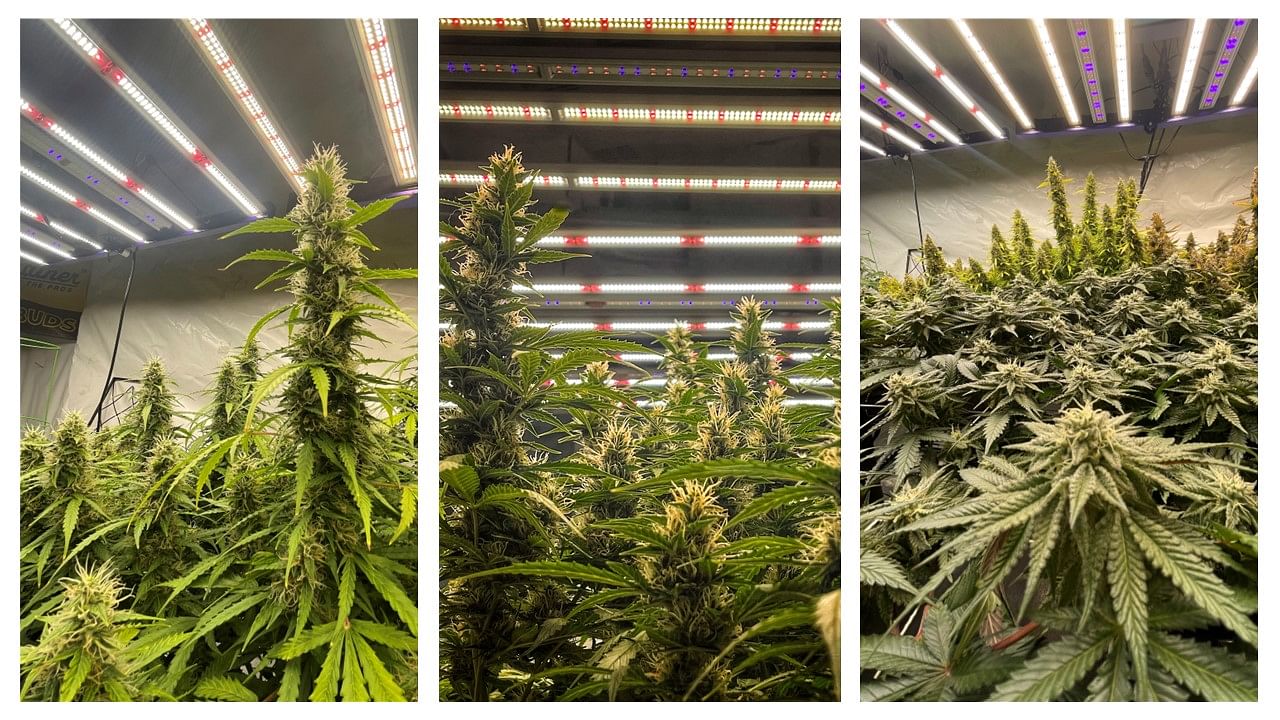

You can’t beat blogging about scrogging!
Plant training is a collection of techniques that cannabis cultivators employ to manipulate the structure of their plants to maximize yields and optimize the use of available resources such as light and space. Cannabis, with its innate ability to grow tall and occasionally lanky, often necessitates some form of training to ensure that it uses space efficiently, especially when grown indoors. These training techniques assist in achieving an even canopy for better light distribution but also help improve airflow around the plants, reducing the chances of mold and other issues. Here we describe how to utilize the SCROG technique for cannabis growing and how to maximize your your yield taking advantage of all useable bud sites.
Among the diverse techniques that have evolved over time, the Screen of Green method, commonly known as SCROG, has emerged as a highly effective method for optimizing cannabis growth. But how does it work, and what benefits can it bring to your plants? Seedsman takes a closer look at SCROG.

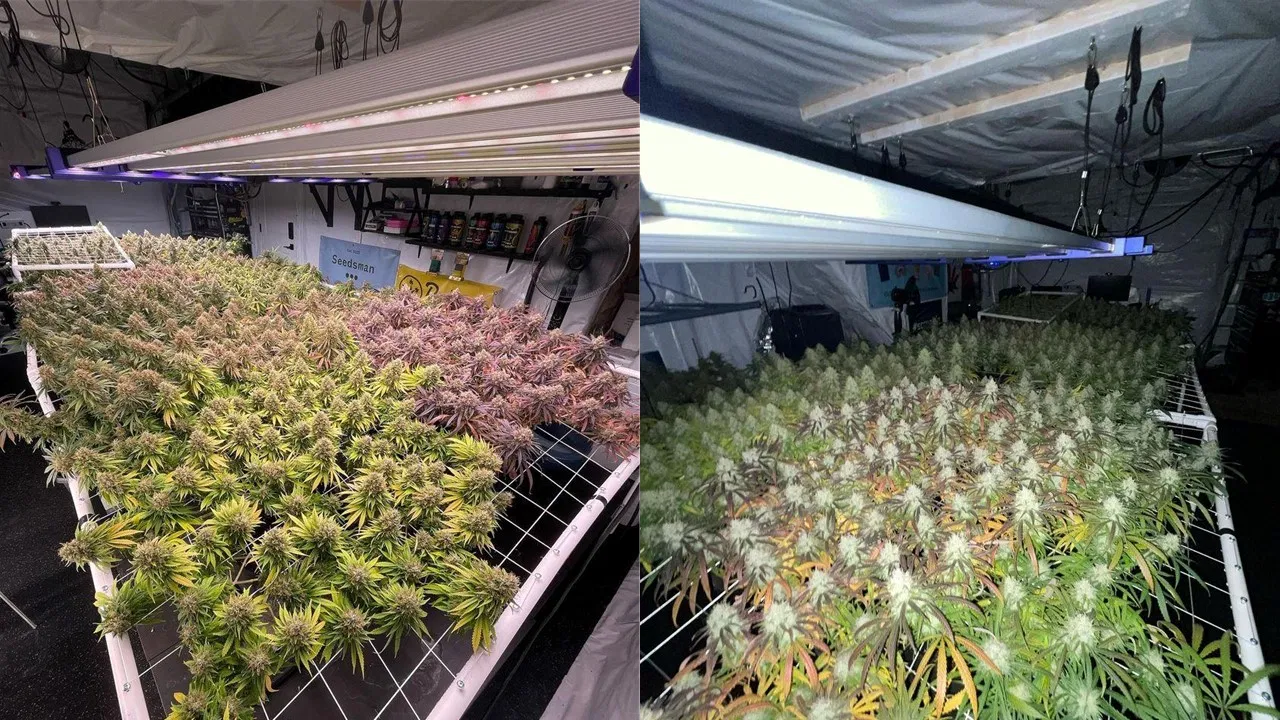
Understanding the Screen of Green (SCROG) Technique
The SCROG technique involves using a screen or netting to guide and support the growth of the cannabis plants. This screen is usually made of a grid of taut strings or wires, set about 10 cm below the grow lights optimal distance. Depending on the cultivar and growth stage, the SCROG screen is placed horizontally above the plants at a certain height, typically a foot or more. As the plants grow, their branches are woven into the screen or guided to develop through the openings, spreading horizontally instead of vertically. The timing of the flowering stage is critical to ensuring the proper density of plant for maximizing and filling the SCROG net, yet at the same time, not over-crowding or overspilling.
The Potential of SCROG in Cannabis Cultivation:
There are several reasons to learn how to SCROG your cannabis plants. Training your plants with this technique means the following:
Efficient Use of Light: One of the primary advantages of the SCROG technique is its ability to make full use of available light. By ensuring an even canopy, all the plant tops receive a uniform amount of light, leading to consistent and high-quality bud development. This is especially valuable in indoor settings where light resources are finite.
Maximized Yields: By promoting the growth of multiple colas and efficiently using space, the SCROG technique can significantly increase yields per square foot compared to untrained plants. The potential for photosynthesis is greatly improved, meaning better size and resin production.
Better Airflow and Disease Prevention: A horizontally spread canopy with ample spacing promotes better airflow. This reduces the risk of mold and mildew and helps maintain an even temperature and humidity across the canopy.
Space Efficiency: Especially in limited spaces like indoor grow tents or small rooms, use of the SCROG technique can be a game-changer. By training plants to grow horizontally, cultivators can fit more plants in a confined area, leading to larger collective yields.
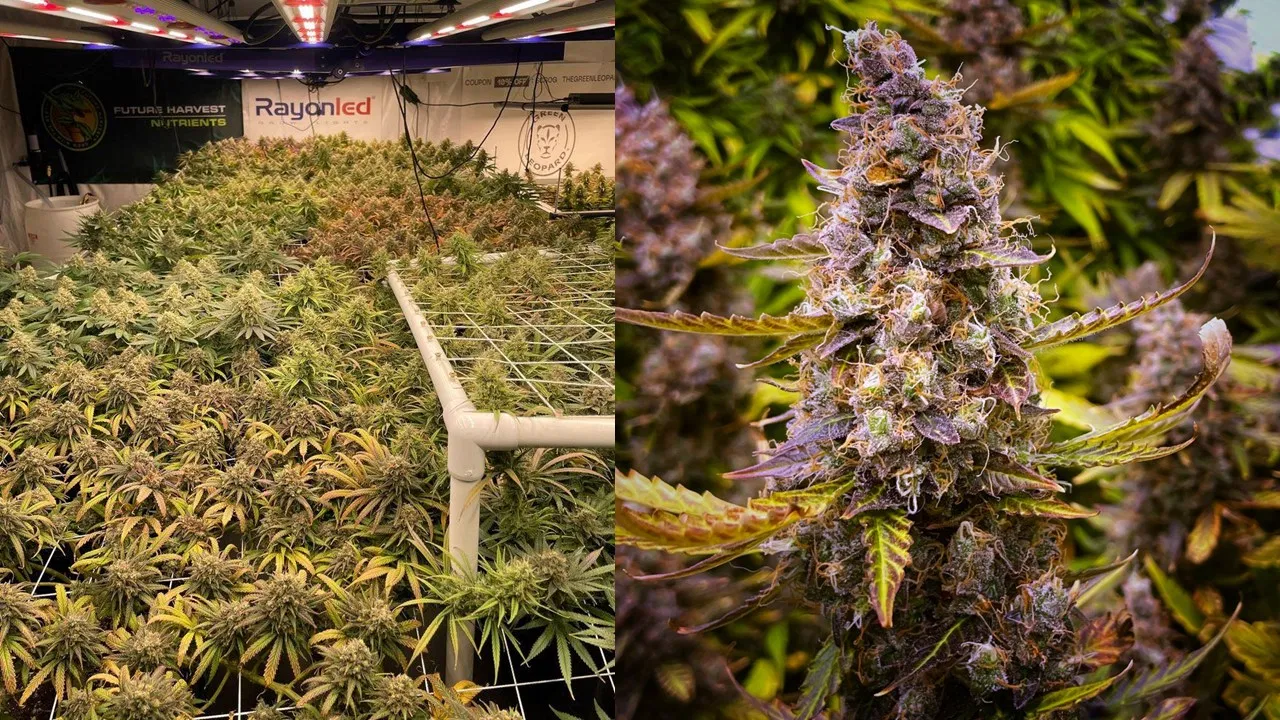
How To Implement The SCROG Technique
Set up the Screen: The screen should be placed at a height where young plants can comfortably reach it within a week or so. You want the plants to grow through the screen, rather than add a screen later in the grow and have to manipulate everything through the nets after the fact. It's essential to ensure the screen is secure, as it must support the weight of heavy buds as the plant matures.
Vegetative Stage: Once the screen is set up, allow the plants to grow into it. As they do, gently tuck the growing tips under the screen, guiding them to grow horizontally. This encourages the plant to produce multiple colas or top buds instead of a single main cola.
Pruning and Maintenance: It's crucial to periodically check on your plants and guide their growth. Prune away any branches that aren't getting adequate light or those growing too far below the screen. This will ensure that the plant's energy is directed towards the top buds that are receiving maximum light exposure.
Flowering: Once the screen is mostly filled – generally around 60-80% – switch the plants to the flowering stage by altering the light cycle. During the flowering phase, the plants will stretch and fill the remaining screen space.
How To SCROG autoflowers
The SCROG technique is a popular method used by cannabis cultivators to optimize light exposure leading to higher yields. While traditionally employed for photoperiod strains, using the SCROG technique with autoflowers has become increasingly popular. Autoflowering plants typically have a shorter vegetative stage and move quickly to flowering, making timing essential. By placing a horizontal screen over the autoflower plants and weaving the growing branches through it, cultivators can ensure an even canopy, allowing light to penetrate more uniformly to all bud sites. This not only maximizes the plant's light absorption but also keeps growth in check, optimizing space and encouraging bud formation across the plant's surface. Cannabis growers who combine autoflowers and scrog technique with lollipopping (removing lower branches) tend to maximize their grow room, achieving high yields from single plants.

Advanced SCROG Tips:
Strain Selection: Not all cannabis strains are equally suited for the SCROG technique. Sativa photoperiod strains tend to stretch and grow tall and are generally more adaptable to the technique than compact indicas. Good side branching and vigorous plant growth during veg, will help seedlings reach their full potential.
Multiple Screens: For taller growing spaces or sativa strains, using multiple screens stacked vertically can maximize the growth potential, leading to a more dense canopy. Depending on number of plants, spacing of nodes, (plant branches) and the type of cannabis seeds used, the canopy can be very deep and dense or shallow dense.
Integrated Systems: Combining SCROG with other training techniques like Low-Stress Training (LST) or topping can produce even more impressive results. Topping, for instance, can increase the number of main colas, and when combined with SCROG, can fill the SCROG screen faster. Like with sea of green (SOG), lollipoping will help maximize the apical dominance of the plant by removing low side branches, ensuring only big colas remain.
Final Thoughts
The Screen of Green technique is a testament to the adaptability and versatility of cannabis cultivation. By understanding the growth patterns of cannabis and harnessing its pliability, cultivators can employ a SCROG setup to maximize their yields, ensure consistent quality, and make the most of their available resources. As with any cultivation technique, success with the SCROG technique requires patience, observation, and a keen understanding of the plants' needs. However, with dedication and practice, growers can unlock the full potential of their cannabis crops using this ingenious method. If you haven't tried SCROGging your plants before, it's a technique well worth learning.