
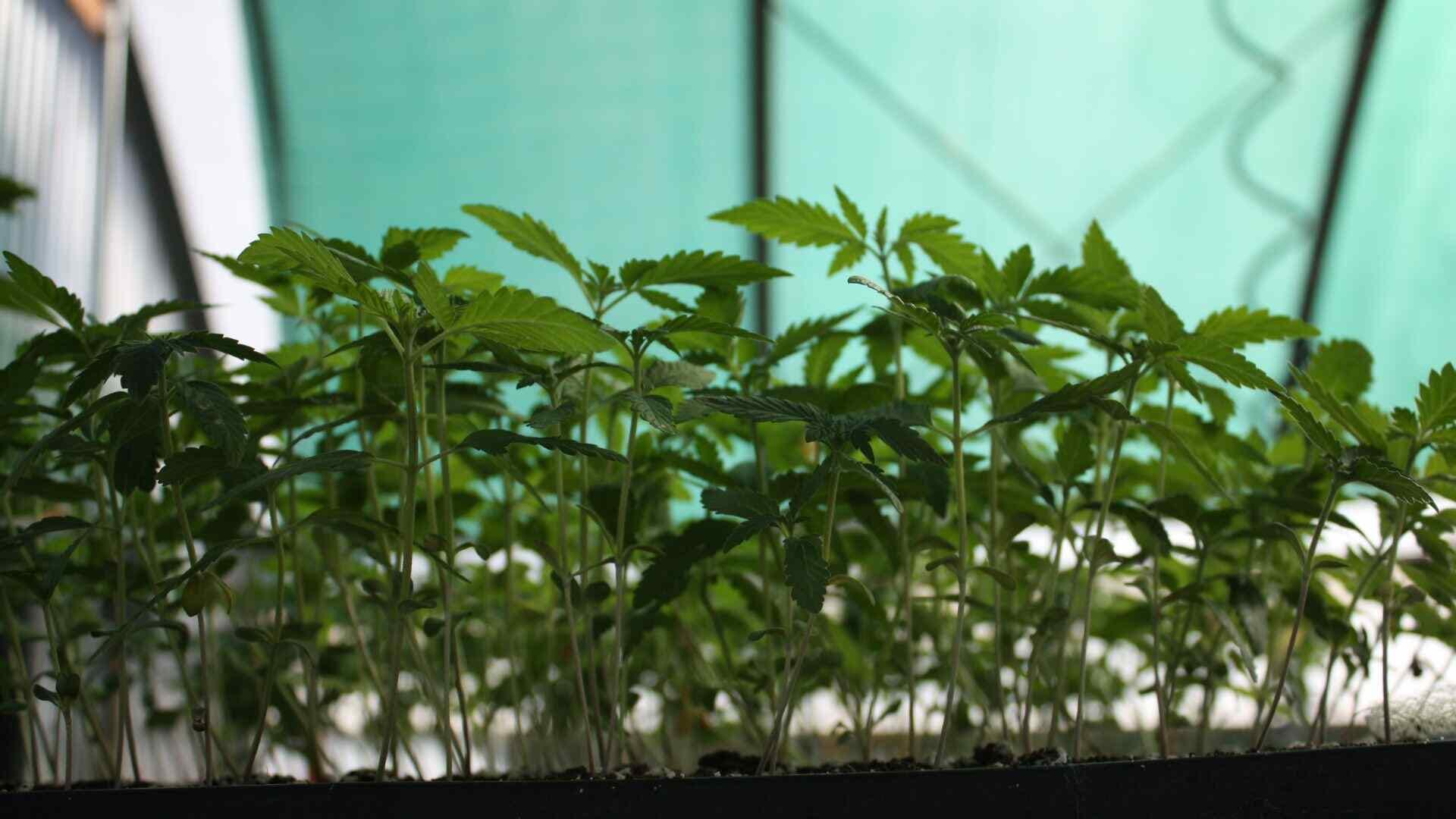

The seedling stage is a crucial growth stage in the life cycle of nearly all plants, where they are both at their most vulnerable and yet demonstrate their robustness for future healthy growth. To ensure successful cannabis cultivation and maximize yield, mastering the seedling stage with cannabis plants can be essential. Three key factors that play pivotal roles in this process that cannot be overstated are the type of water used, the tight control of the environment, and, of course, the selection of high-quality seeds. Understanding and optimizing these aspects can go a long way to ensure healthy cannabis seedlings, setting the stage for thriving plants from the get-go. Whether growing weed straight from seed or via clones using mother plants, providing the plant with the best possible start will only make things easier going forward. Generally, if you get these three aspects right, everything else in the seedling stage will take care of itself.
1. Water Quality: The Foundation Of Seedling Growth
Water is, of course, essential for life; it also serves as the primary channel through which elements, such as nutrients, are delivered to plants - one only needs to look at the problems caused by overwatering and underwatering a plant to see the pivotal role water plays in plant health. However, not all water is created equal, and its quality greatly influences the health and development of young plants. Opting for the correct type of water is paramount during the cannabis seedling stage.


Purified Water: Ensure Purity, Prevent Stunted Growth
Purified water, devoid of contaminants and chemical additives, provides seedlings with a clean and optimal start to their growing requirements. Tap water often contains halogens such as chlorine or fluorine and other additives that can inhibit seedling growth and impede, for example, root development. Conversely, whether obtained through filtration or reverse osmosis, purified water eliminates or reduces these potential irritants, allowing seedlings to absorb water more efficiently. Moreover, the pH level of water significantly impacts nutrient availability and uptake. Purified water offers the flexibility to adjust pH levels according to the specific requirements of the growing method, ensuring optimal nutrient absorption, water uptake and overall health.
Rainwater Harvesting: An Easy And Free Solution
For those seeking a sustainable and natural alternative, rainwater harvesting presents an excellent option. Rainwater is inherently pure and free from the chemicals commonly found in tap water. This is because rain is made from evaporated seawater (salts cannot evaporate so readily – making this a natural purification process). Its near-neutral pH makes it an ideal choice for nurturing seedlings.

All you need is a large surface area to collect the water and a storage tank. Siphoning off rainwater from downpipes is a classic way to collect, but a large piece of tarpaulin would also work for collecting rainwater. Collecting rainwater also promotes good environmental practices by reducing reliance on traditional, high-energy-consuming tap water. By collecting and utilizing rainwater, growers ensure their weed plants get the best quality start.
2. Environmental Control: Creating The Optimal Conditions For Growing Seeds
The environment in which marijuana seedlings are cultivated plays a pivotal role in their development. Maintaining precise control over temperature, humidity, and light exposure is essential for fostering healthy growth and minimizing stress during the delicate seedling stage. Seed germination and the first two weeks of growth generally require different conditions than the rest of the grow.
Temperature Regulation: Staying Within Range
Although water absorption is the first set in activating the embryo inside your marijuana seed, temperature profoundly influences seedlings' metabolic processes and growth rates. A stable and optimal temperature range promotes vigorous early development and accelerates overall growth. For most plant species, maintaining temperatures between 65°F to 75°F (18°C to 24°C) is ideal during the seedling stage. But in cannabis seeds, it's usually better to be in the warmer side of that range. Some varieties actually prefer +75°F (Over 24°C). In a grow room, automated tools such as thermostats that control heaters/coolers and even humidity allow growers to regulate temperatures precisely. This can safeguard seedlings from fluctuations that can stunt growth or trigger physiological stress responses such as heat stress, which, in severe cases, can lead to plant death.

Humidity Management: Preventing Transpiration And Moisture Loss
Seedlings are particularly susceptible to unplanned drying and wetting. This water-based stress can trigger unwanted early germination or make the seeds inviable. Humidity outside the set range after germination high humidity or low) can be a problem, too. Too dry and the seedling will wilt; too wet and it might become susceptible to disease such as damping off. Damping off is a condition where pathogens attack the root system in plants soon after they sprout and can quickly kill off your marijuana plants in mere days.
Controlling humidity levels within the growing environment helps prevent excessive transpiration and moisture loss as the plants develop cotyledons, their first true leaves, ensuring that seedlings remain adequately hydrated. Automated humidity systems can help maintain optimal levels, especially in conjunction with temperature control. By creating a humid microclimate around seedlings, growers can mitigate the risk of failure and promote healthy growth and development.
Light Optimization: Providing Adequate Illumination
Light is the primary driver of photosynthesis, the process through which plants convert light energy into starch for energy. This conversation of light, CO2 and water into sugars is essential for growth and development of seeds. During the seedling stage, providing appropriate illumination is crucial for promoting robust photosynthetic activity and preventing etiolation or elongated growth. It’s not always the case that more light is better, so a balance between low and high light intensity is vital early on. Most seasoned growers will have different lights for early and veg growth versus flowering stage growth. Sunlight will generally be fine for emerging seedlings, depending on where you are in the world or where you are in the season. If using artificial grow lights, positioning at the appropriate distance and adjusting light intensity according to the needs of seedlings helps optimize photosynthetic efficiency and support healthy growth.
3. Seed Selection: Start With Quality, Finish With Quality
The foundation of successful cultivation lies in selecting high-quality seeds that possess the genetic potential for robust growth, desirable traits and, perhaps more importantly, successful germination. The seedling stage sets the trajectory for the entire plant lifecycle, making starting with superior genetic material imperative.
Genetic Purity And Viability: Ensuring Quality Assurance
Choosing seeds from reputable suppliers or certified sources almost guarantees genetic purity and viability, reducing the risk of failure when germinating seeds or genetic anomalies. Usually, reputable sellers will also cover customers for any failures they have that are clearly not the grower's fault. High-quality seeds often look uniform in size, shape, and color/patterning, indicating genetic stability and robustness.

If your seller has a germination rate, usually, this is a good sign that quality control measures are in place. Selecting seeds with high germination rates ensures a higher likelihood of successful establishment and vigorous growth during the seedling stage. Even if phenohunting, it is better to choose from a large number rather than ‘the only 40% that germinated’.
Trait Selection: Tailoring To Specific Needs
Consideration of specific traits, such as disease resistance, growth at altitude, maximum yield potential, or chemotype, is crucial when selecting seeds for cultivation. Different plant varieties exhibit varying levels of adaptability and resilience to environmental stress, making trait selection a critical aspect of seedling management. High-quality seeds are often selected and produced due to specific traits such as high THC or CBD. However, the robustness of the plant is usually a key component, too. Matching the seeds’ characteristics with the intended growing environmental conditions will provide a more assured desired outcome. Growers can optimize productivity and mitigate potential challenges throughout the cultivation process by selecting quality seeds from reputable sources. Whether prioritizing disease resistance in high-risk environments or selecting varieties tailored to specific desired outputs, strategic trait selection enhances the likelihood of success during the seedling stage, into the vegetative phase, and beyond.
Conclusion
Producing the best cannabis requires mastering the seedling stage, which requires careful attention to detail and proactive management of key factors influencing plant growth and development. However, it is a relatively easy task. By prioritizing water quality, environmental control, and seed selection, growers can establish a strong foundation for healthy plants and a successful harvest at the end of the cycle. Investing in the right genetics at the start and creating optimal conditions during the seedling stage and beyond will allow growers to set themselves up for consistent and successful grow cycles.