
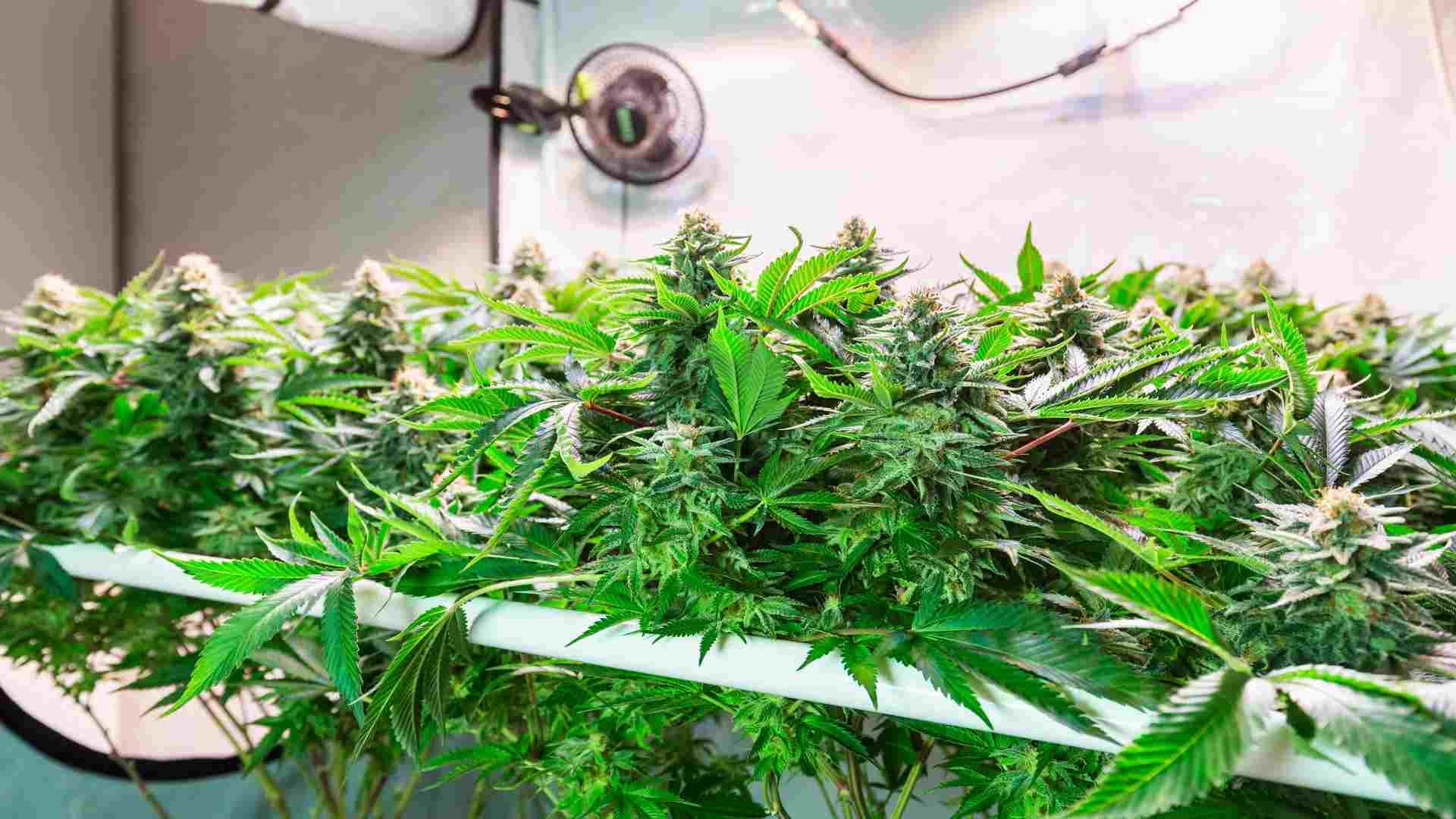

So you've decided to try growing cannabis indoors - but there’s lot of equipment needed. A tent, lighting, ventilation, and so much more. But what else do you really need? Wouldn't it be great if there was a guide to putting together an indoor grow tent kit? Well, put the kettle on and make yourself a nice cup of Ricoffy, grab a comfy seat, and let’s walk you through everything you need to gather to build a reliable, high-performing indoor grow tent kit.
Whether you’re a beginner looking to produce a personal stash or an experienced grower scaling back to a more discreet and controlled setup, getting your indoor grow tent kit dialled in is the cornerstone of quality indoor cannabis cultivation. This guide is suitable for beginners, making it easy to get started, while also providing value for those with more experience. And while some grow guides give you the bare minimum, this one aims for that sweet spot: not too basic, not too extravagant, but just right for producing healthy, resinous, and aromatic cannabis plants.
Why Choose an Indoor Grow Tent Kit?

Before we unpack the gear, let’s understand why indoor grow tent kits are the go-to for so many South African cultivators today. As a product, the indoor grow tent kit stands out for its specialized features—such as durable materials, efficient ventilation, and light-proof design—that provide significant benefits for indoor growers seeking optimal results.
Discretion: Tents offer a stealthy grow space with controlled light leaks and odor management, making them ideal for private grows in spare rooms, garages, or even built-in cupboards.
Control: With a tent, you can fine-tune every aspect of the growing environment – light cycles, temperature swings, humidity levels, and airflow patterns – giving your plants precisely what they need at every stage of life.
Efficiency: A properly built kit ensures every watt, litre of water, and gram of nutrients goes towards growing potent, healthy plants. This translates to lower operating costs, fewer problems, and better yields of cannabis.
With the right tools in place, even a 1m x 1m tent can produce top-shelf buds on par with boutique dispensaries.
Further Reading: Growing Cannabis From Seed Indoors: A Complete Guide For South African Growers
The Heart of an Indoor Grow Tent Kit: The Tent
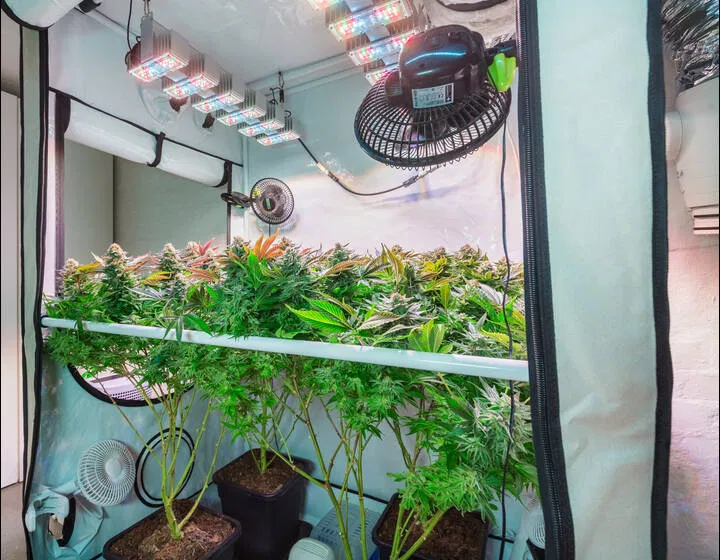
At the centre of every indoor grow tent kit is, unsurprisingly, the grow tent itself. This is your grow lab, your greenhouse in a box, designed as a durable and specialized indoor environment for plant cultivation.
Look for tents made with thick 600D canvas or stronger for lightproofing and structural integrity. A durable construction ensures the tent is long-lasting and resistant to tears and water. Interior walls should be lined with highly reflective mylar (95% reflectivity or higher) to ensure even light dispersion, reducing shadows and hotspots on your plant canopy. This reflective lining maximizes the effectiveness of your grow light, helping cannabis plants develop more evenly.
The tent's frame provides essential stability and support, making assembly straightforward while maintaining a sturdy structure for your plants. Stitching and zipper quality also matter more than you might expect. Light leaks can confuse your plants’ photoperiod, potentially causing stress or triggering hermaphroditism during flowering – a huge problem for growers. Choose a tent with reinforced corners, double-stitched seams, and multiple duct ports for flexible ventilation options.
Further Reading:Build A DIY Grow Tent
Tent Size Tips
When putting together your indoor grow tent kit, one aspect which is vital is ensuring you have the right tent size for your grow operation.
Small (60x60cm) - For solo growers or tight spaces; best suited for 1-2 compact plants or clones.
Medium (100x100cm) - A popular size for small-scale growers; easily accommodates 2-4 medium plants; ideal for autoflowers or short photoperiod strains.
Large: 120x120cm and up) - Offers room to train plants (SCROG or LST) and boost yields; great for advanced growers or larger cultivar collections.
Pro Tip: Ensure your tent height is at least 1.6-2m to allow space for lighting, ducting, and plant stretch during flowering.
Indoor Grow Tent Kit Necessities: Lighting
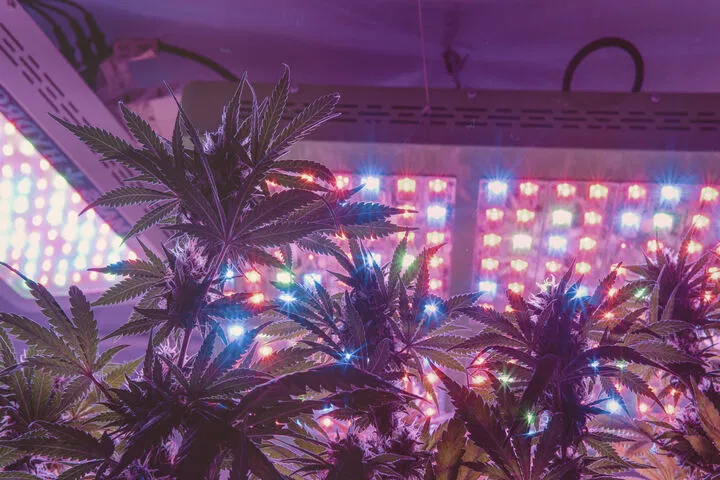
If the tent is the body, lighting is the soul of your indoor grow tent kit. Cannabis is a phototropic plant – it responds directly to the quality and intensity of light. Good lighting isn’t just a luxury, either – it's an absolute necessity for resin-rich terpene-laden buds. And you don’t have to be Nicky Oppenheimer to get decent lights – they can be inexpensive – just make sure you don’t skimp on the quality.
Lighting is essential to any successful indoor grow tent kit, providing your plants with the energy they need to thrive indoors. When setting up your grow tent, choosing the right lighting system is crucial for creating an ideal environment that supports healthy growth and abundant yields. LED grow lights have become the top choice for many indoor growers, thanks to their energy efficiency, low heat output, and customizable light spectrum.
When selecting lights for your indoor grow tent kit, consider the size of your grow tent and the types of plants you want to cultivate. A well-matched lighting system ensures that every plant receives the right amount of light, helping you create the perfect conditions for growth. Look for LED grow lights with adjustable spectrum and intensity settings, so you can tailor the lighting to each stage of your plants’ life cycle. This flexibility not only enhances plant health but also makes it easy to adapt your setup as your indoor garden evolves. With the right lighting, your grow tent becomes a powerhouse for producing strong, vibrant plants all year round.
Further Reading:Understanding Light Spectrums In Cannabis Cultivation
LED Grow Lights: The Modern Favorite
Gone are the days when High-Intensity Discharge (HID) lighting dominated the grow scene. LED grow lights have revolutioned indoor cannabis cultivation by offering full-spectrum output with signficantly reduced heat and energy consumption.
A solid LED panel should deliver:
A balanced-spectrum – cool white (4000-5000k) for vegetative growth and warmer red tones (2700-3500k) for flowering.
High PAR (Photosynthetically Active Radiation) output with uniform light coverage)
Premium diodes, such as Samsung LM3018 or LM301H, which are highly efficient and trusted by pros.
For most 1m² tents, a 300-600W full-spectrum LED will suffice, depending on your canopy density and desired yield. Go for models with passive cooling to reduce fan noise and improve reliability. Dimmable drivers are fabulous things – they allow you to adjust intensity during different growth stages, saving electricity and reducing plant stress.
Investing in quality lighting means everything from denser colas to higher THC levels and more expressive terpenes – all the hallmarks of a top-tier grow.
Further Reading:Five Need-To-Know-Formulas For Lighting A Grow Room
Indoor Grow Tent Kit Necessities: Ventilation and Airflow
These are an absolute must-have in any indoor grow tent kit. Cannabis plants inhale CO2, and exhale oxygen – just like humans, they need fresh, circulating air to stay healthy. Stagnant air invites pests, mold, and weak growth, especially during humid South African summers.
Inline Fan and Carbon Filter
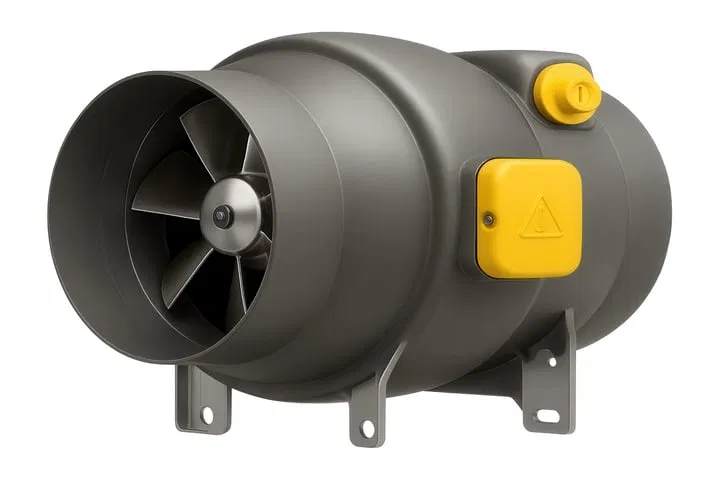
A properly matched inline fan and carbon filter combo is one of the most critical elements in your indoor grow tent kit.
The inline fan draws hot, stale, humid air out of your tent, helping regulate temperature and replenish CO².
The carbon filter is an essentail part of any indoor grow tent kit as it neutralizes those funky, skunky cannabis odors before the air is expelled, keeping your grow discreet.
For 1m² tents, a 4-inch (100mm) fan/filter system is usually adequate. For larger tents or hotter climates, upgrade to a 6-inch (150mm) setup. Look for high CFM ratings, quiet operation, and dense carbon beds. Pair with a fan speed controller to fine-tune airflow without disturbing the environment too much.
Oscillating Fans
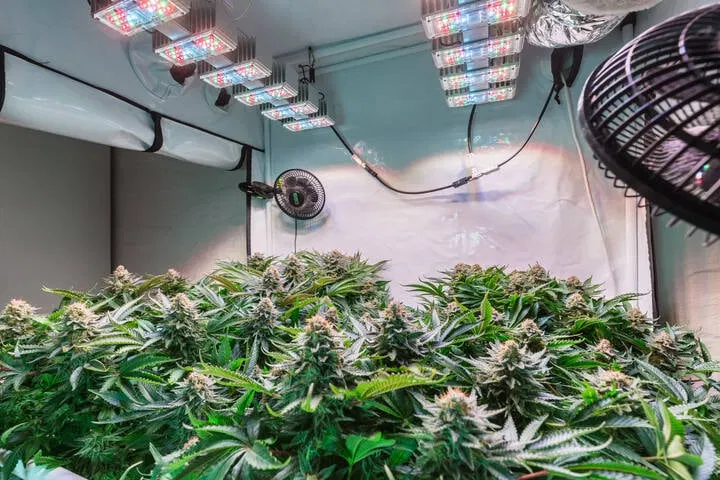
Don’t neglect internal airflow when putting together your indoor grow tent kit. Cannabis plants benefit from gentle, moving air, which strengthens stems, reduces temperature gradients, and prevents microbial issues like powdery mildew.
Use clip-on, stand, or desktop fans that oscillate across the canopy and undergrowth. Keep air moving 24/7, but avoid aiming strong wind directly at your plants to prevent wind burn. Yes, plants can suffer from wind burn – when leaves dry out faster than the plant can replenish moisture. Younger plants are particularly susceptible to this, and it can lead to issues like browning, wilting, and curling.
Further Reading:How To Position Fans In A Cannabis Grow Tent
Odor Control
Let’s be honest – cannabis smells fantastic. But unless you’re growing in a rural off-grid setup, you’ll want to minimize odor leaks. South African suburbs and complexes often have curious neighbours and vigilant security, and if you’re growing dagga at home, discretion is your best friend.
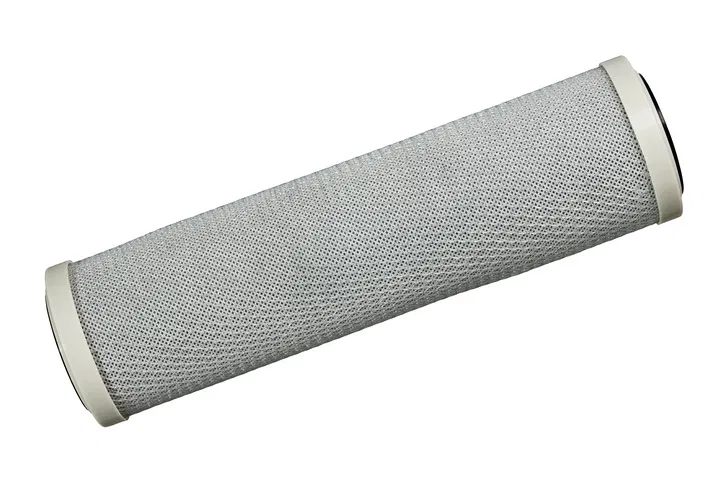
A carbon filter connected to your exhaust fan should eliminate 90-95% of plant odors if installed correctly. For successful odor control, ensure a tight seal between the fan and the filter, and make sure the filter is placed inside the tent, drawing air through it before it exits.
Further Reading:How To Smell-Proof Your Cannabis Grow Room
Security and Discretion in your Indoor Grow Tent Kit
Keeping your indoor grow operation secure and discreet is essential for peace of mind and successful cultivation. Grow tents are specifically designed to offer a private, controlled space that keeps your plants out of sight and minimizes unwanted attention. The lightproof and odor-proof construction of quality tents ensures that no telltale signs escape into your home or neighborhood, making them ideal for growers who value privacy.
To further enhance security, consider placing your grow tent in a low-traffic area of your home and using a locking mechanism to prevent unauthorized access. This not only protects your plants but also keeps your growing activities confidential. By prioritizing discretion and security, you can focus on nurturing your indoor garden without worry, knowing your space is safe and your grow remains your own private project.
Indoor Grow Tent Kit: The Gear For Each Stage
Bear in mind, cannabis isn’t a “set and forget” crop. Each stage of its life – germination, vegetative growth, flowering, and harvest – requires specific environmental cues and tools. All the essential components for every stage are included in the kit, ensuring you have everything needed from start to finish. Here’s what your indoor grow tent kit should include to support each phase.
Germination
When your seeds break their shell and sprout taproots, it’s a sensitive process best done in high humidity and warm temperatures.
What you need:
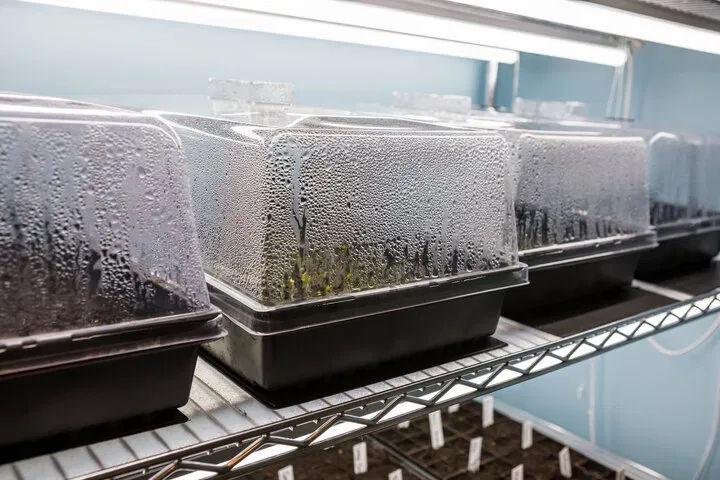
- Propagation dome or humidity dome to retain moisture and heat.
- Seedling heat mat for warmth, especially in colder climates or weather grows.
- Rooting plugs or starter cubes like jiffy pellets, peat pods, or rockwool to cradle those delicate seedlings.
Further Reading: How To Germinate Cannabis Seeds
Vegetative Stage
In the veg phase, plants grow fast – expanding foliage, developing branches, and preparing for flowering.
Essentials include:
- 18/6 light cycle via a programmable timer
- Strong blue-spectrum LED lighting to promote compact growth and reduce stretching
- Fabric pots (5-10L) which improve oxygenation and prevent root circling.
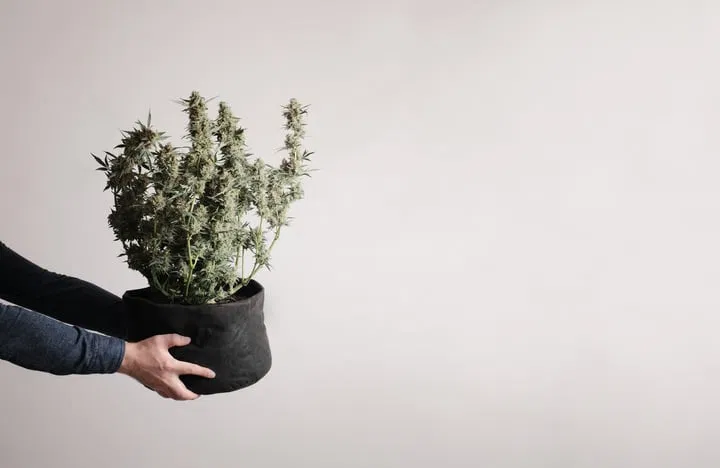
- A well-draining medium – organic soil, coco coir, or a hydro setup, depending on your preference.
Flowering Stage
At this point, if you’re growing photoperiod plants you’ll switch to 12/12 lighting to encourage bud development.
Key gear to add to your indoor grow tent kit includes:
- Red-enhanced LEDs or full-spectrum units with strong flowering output.
- Carbon filter in full operation, as things are about to get smelly.
- Humidity control becomes crucial.
Harvest and Drying
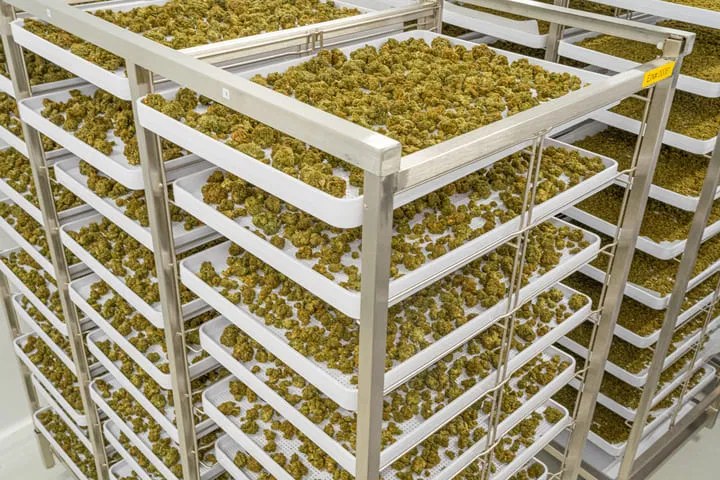
Harvest isn’t the end – drying and curing are essential to unlock full flavor, potency, and a smooth smoke.
You will need:
- A dark, ventilated space (a big tent works perfectly for this)
- A mesh drying rack or hanging clips for branches
- Humidity monitor
- Small fan at floor level to keep air moving gently (but not directly on flowers).
Further Reading: How To Harvest Weed: A Guide For Growers
Environmental Monitors and Smart Controls
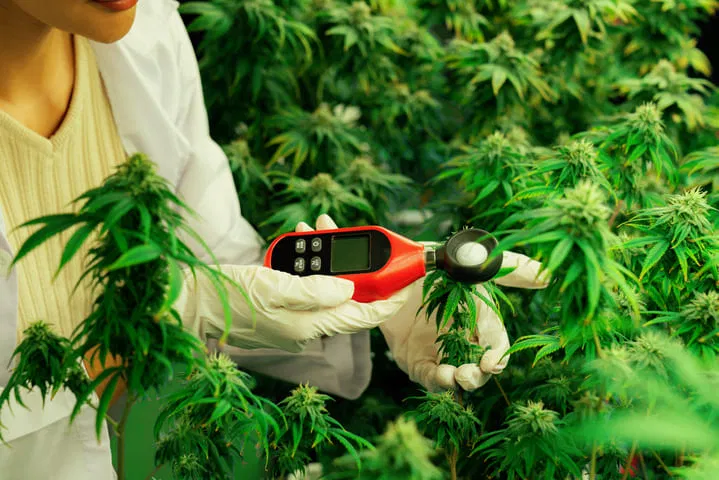
Precision is key to high-quality cannabis. If you want to get forensic in your approach to growing the best weed, consider adding these items to your indoor grow tent kit:
- Digital hygrometer/thermometer - These track temperature and humidity inside your tent.
- Bluetooth/Smart controllers – while not an absolute necessity, these let you manage light schedules, fan speeds, and timers remotely via apps.
- Data loggers – Record environmental trends so you can improve results with each grow cycle.
Remember. The best growers are data-driven. Smart tools help you replicate successes and minimize failures.
This is quite the list, but we’re almost there!
Customization and Upgrade Options for Your Indoor Grow Tent Kit
As you gain experience with indoor growing, you’ll likely want to fine-tune your indoor grow tent kit to better suit your needs and boost your results. Customizing your setup can be as simple as adding supplemental LED grow light bars to increase light coverage, or as advanced as upgrading your exhaust system for improved temperature and humidity control. Enhancing your tent’s interior with additional reflective materials can help maximize light efficiency, while installing a trellis system provides extra support for heavy, fruiting plants.
Other popular upgrades include adding a humidifier or dehumidifier to maintain the ideal environment, or integrating smart controllers for automated climate and lighting adjustments. By making thoughtful additions and modifications, you can create an indoor grow tent kit that’s perfectly tailored to your growing style and the specific requirements of your plants. These upgrades not only make your indoor space more productive but also help you achieve bigger, healthier harvests with every grow.
Other Tools For Your Indoor Grow Tent Kit
Add the following to your indoor grow tent kit to allow monitoring of essential conditions:
PH Meter: Critical for avoiding nutrient lockout. Soil grows need pH 6.0-6.8; coco/hydro closer to 5.8-6.2
EC Meter: Advanced growers use this to monitor nutrient strength and avoid overfeeding.
Build Your Indoor Grow Tent Kit Right the First Time
A well-built indoor grow tent kit is an investment that will pay for itself many times over – both in yield and in experience. These kits are easy to assemble, featuring a user-friendly setup that requires minimal tools, making the installation process straightforward for any grower. With the right gear, your tent becomes a microcosm of perfection, tuned to meet the specific needs of cannabis plants through every stage of their life cycle.
Don’t fall into the trap of overspending on tech you won’t use, or undercutting yourself with flimsy gear. This guide should help you find that ideal middle ground – solid, dependable, and productive.
Your indoor grow tent kit isn’t just equipment. It’s a workshop. A laboratory. A creative space. And if built with care, it’ll produce the kind of sticky, terpene-rich cannabis that you’ll be proud to say “I grew that.”