
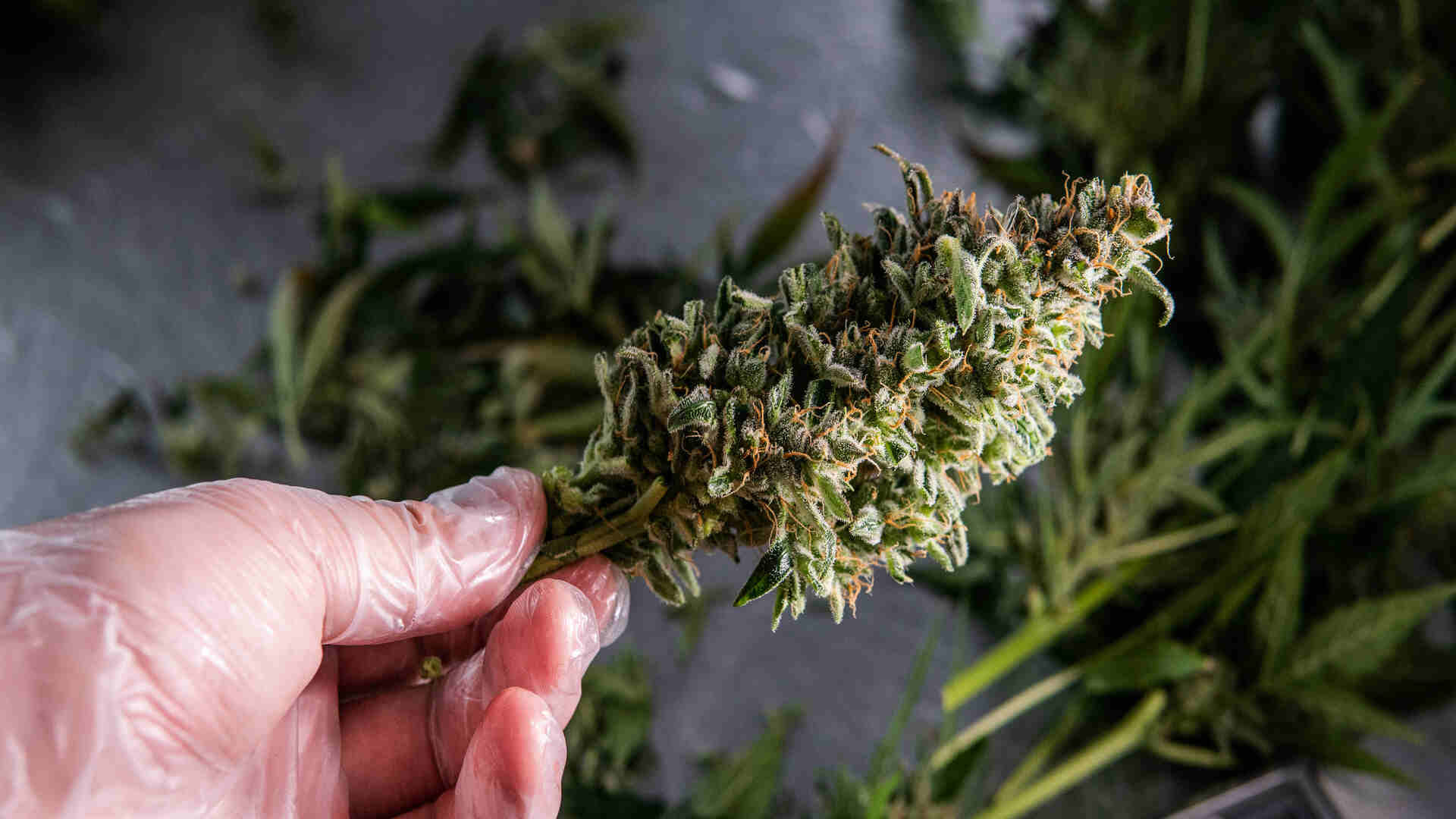

Harvest time isn’t too far off for outdoor growers in South Africa - and with the finish line comes the grand prize. Harvesting cannabis is the most rewarding part of the cultivation process – after months and months of dedication, care, and problem solving, this is the moment when all the hard work finally pays off. Proper harvesting is key to maximizing flavor, potency, and overall quality. But harvesting isn’t as simple as chopping down your plants – it's a multi-step process requiring the right tools, techniques, and team if you want to do it right.
In this guide, we’ll break down everything you need to know. Need to know what tools to use for harvesting cannabis? Have you ever wondered how long does it take to harvest cannabis, or how to go about it? This is the only blog you’ll need, so bookmark it and come back to it when your buds are ready for the chop.
Why Is Proper Cannabis Harvesting Important?
Harvesting cannabis coreectly is crucial for preserving potency, aroma, and appearance. Rushing through the process, using the wrong tools, or failing to plan ahead can reduce your overall yield quality. The goal is to handle your buds gently and efficiecntly, ensuring they retain their trichomes, flavor, and density.
A poor harvest can lead to buds that are birttle, flavorless, or filled with excessive leaves – all of which dimisnish your hard-earned crop.
Tools You Need For Harvesting Cannabis
Whether you have a single plant or a bigger operation, having the right tools for the job is essential! Here’s a breakdown of what you’ll need:
For Small Grows (1-10 Plants)
Pruning shears (sharp, small-handled) - Use these for snipping branches and large stems
Trim scissors (small and fine-tipped) - Perefect for precise bud-trimming
Isopropyl alcohol (91%+) - Keeps your scissors from getting clogged with sticky resin
Gloves (Nitrile or latex) - Keeps your hands clean and prevents transferring oils to buds
Large Tray or trim bin – Catches falling trimmings to avoid waste
Drying rack or clothes hangers – Essential if you plan to hang-dry your plants after harvesting
Trash bags or bins – For discarding large stems and unwanted plant matter
For Larger Grows (10+ Plants)
Harvest Shears or electric pruners – Allows you to chop down thick stalks quickly
Trim trays with built-in mesh – Helps collect kief (trichome dust) as you trim
Multiple sets of trim scissors – Scissors get sticky fast, so rotating through clean ones saves time
Folding tables and chairs – Creates a comfortable working area
Friends, or hired trimmers – This is your biggest time-saver when harvesting large grows (see how long does it take to harvest weed below)
How To Decide When It’s Time To Harvest Cannabis
When it comes to harvesting weed, timing is critical. Harvest too early, and your buds won’t reach full potency. Harvest too late, and the THC may degrade, resulting in sleepier, less desirable effects.
When you buy your seeds, you’ll have some indication on approximate flowering times – but this is meant as a guideline, and depending on a few factors, your plants could be ready to harvest a little earlier or later. Knowing what to look for makes timing your harvest much easier.
Signs It’s Time To Harvest Cannabis
Trichomes turn milky or amber – The trichomes start off as clear or white, but as your plant matures and nears readiness, they’ll become opaque. Using a magnifying glass, a jeweller’s loupe, or even zooming in on your phone camera, inspect the trichomes. If most are cloudy (milky) with some amber, the harvest window is open. The longer you leave it, and the darker the trichomes get, the more couch-lock your weed becomes as the THC is converting to CBN. To get your buds at their peak, harvest before trichomes turn darker.

Pistils darken and curl inward – A pretty reliable indication of readiness is if 70-90% of the pistils (fine hairs) have darkened, your buds are likely ready to harvest.
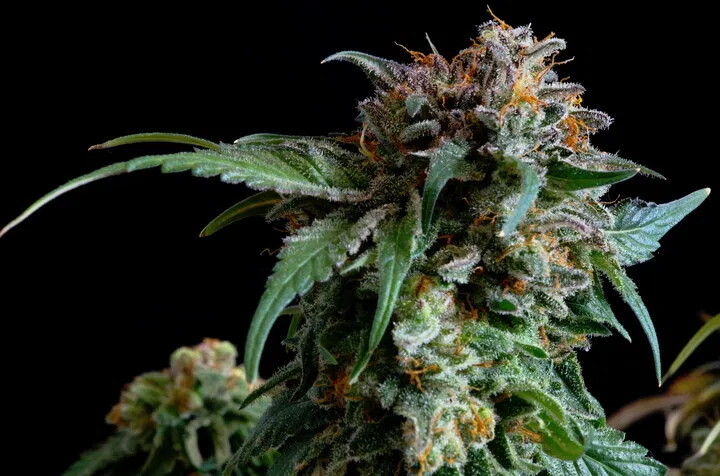
Fan leaves yellowing – As the plant nears the end of its life, it stop producing chlorophyll, causing more and more fan leaves to turn yellow. However, if you encounter yellowing leaves well before harvest time, this indicates nutrient problems and should be addressed immediately.
How To Cut Down Cannabis Plants At Harvest
Once you’ve confirmed your plants are ready, it’s time to cut them down. There are two primary methods for harvesting cannabis:
Whole Plant Harvest Method (Best For Small Grows)
Cut the plant at the base of the stalk using pruning shears. Hang the entire plant upside down to dry. This method preserves the plant’s structure and slows the drying process slightly, which can enhance flavor. This is ideal for growers who value high-quality terpene preservation.
Branch-by-branch Harvest (Best For Large Grows)

Cut each bud-bearing branch off the main stalk individually by snipping near the node – where the branch meets the main stem. This allows you to manage the harvest in stages, making trimming more manageable. It’s also easier to transport branches if you’re moving them to a separate drying room. If a branch doesn’t have buds? Leave it on the plant, as this makes it easier to discard.
What is a Two-Step Harvest?
Also known as a staggered harvest, a two-step harvest can be carried out when your top buds are ready before the buds on the bottom of your plant. This is a fairly common occurrence as the canopy receives more light than the lower section of the plant. Pick off the buds that are ready, then trim the remaining branches back to allow more light to reach the lower buds and help them ripen.
How To Trim Your buds

Trimming harvested cannabis buds is where the real labor begins, The goal is to remove excess leaves while preserving the beautiful, sticky buds beneath. This step undoubtedly calls for patience, as it can be labor-intensive and time consuming. Begin by stripping the larger fan leaves, then you can hone in on close trimming the smaller sugar leaves.
Wet Trimming or Dry Trimming Cannabis Buds
Wet Trimming involves trimming immediately after harvest while the plant is still fresh. It’s much easier to cut through wet leaves, and the buds dry faster. But man, you’re gonna reek of cannabis!
Dry Trimming involves waiting until the plant has dried before getting the scissors out. This can result in slightly more potent buds but makes the physical act of trimming slower and harder. Whether the trade-off is worth it is up to you. For a deeper look at wet vs dry trimming, this article has more information.
Advantages of Wet Trimming
Easier to cut through wet leaves
Buds dry faster since there’s less plant material
Cleaner-looking buds with less effort
Advantages of Dry Trimming:
Slightly higher potency since trichomes harden during the drying process
Less smell during trimming
Easier to handle delicate buds
Collect Trim and Kief
Remember there’s more bounty than just the buds here. As you trim, you’ll notice that small sugar leaves and tiny buds fall into your tray. Don’t discard these! This trim is valuable and can be used for numerous great things like making edibles, concentrates like hash or rosin, and even rolling low-grade joints.
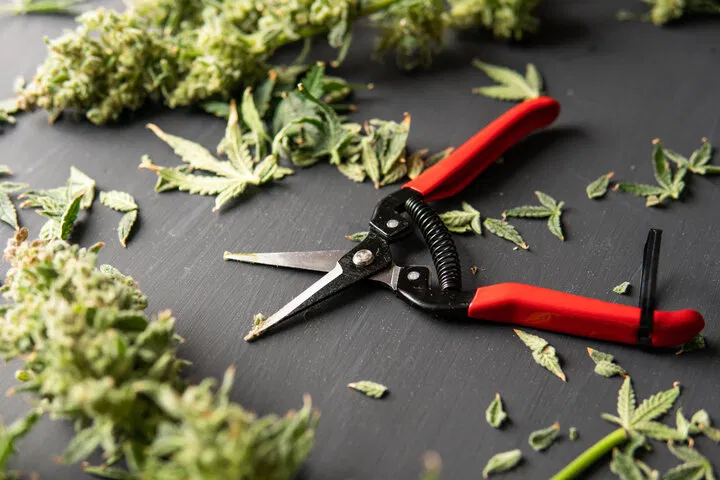
If you use a trim bin with a kief screen, you’ll also collect fine trichome dust (kief) at the bottom. This powder is highly potent and can be sprinkled on bowls, pressed into hash, or infused into edibles.
Common Mistakes During Cannabis Harvesting
If you’re preparing for your first-ever cannabis harvest, there’s some rookie mistakes to avoid. Forewarned is forearmed, so make sure you don’t fall foul of the following follies:
Mis-timing your Harvest
Too early and you risk weak potency and under-developed flavor. Too late, and you ‘ll face THC degradation and even an uplifting sativa can end up being a couch-lock strain. Use the guidelines above to determine when it’s time to harvest your plants for optimal potency and flavor.
Handling Buds Too Much
Harvesting requires a lot of handling, but do so carefully. Trichomes are delicate, and excessive handling can knock them off the buds, reducing potency.
Overcrowding Your Drying Space
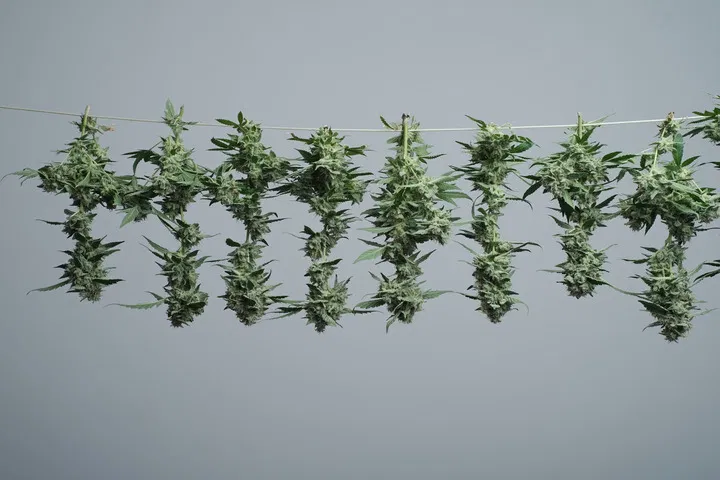
If you hang too many plants close together, airflow decreases. Reduced airflow in cannabis plants leads to mold, and the last thing you want is to make it this far only to botch the whole operation by inflicting mold on your plants. Keep everything nicely spaced out to reduce the risk.
Neglecting Good Hygiene Practice
Resin builds up fast, tools get sticky and this makes trimming inefficient. Keep a jar of isopropyl alcohol on hand to regularly wipe down trimming tools.
Control The Temperature and Humidity In Your Harvest Room
One often overlooked aspect of harvesting cannabis is the temperature and humidity of your workspace. Maintaining the right environment while you’re harvesting and trimming is crucial for preserving trichomes, reducing mold risk, and ensuring a smooth drying process once you’re done.
Why Temperature Matters During Harvest
Trichomes – the resinous, crystal-like glands on cannabis buds – are highly sensitive to heat. If the room you’re harvesting in is too warm, trichomes can become brittle, sticky, or even melt slightly, making your buds harder to trim and reducing overall potency.
Ideal Temperature For Harvesting:
60-70F (15-2C) This is the sweet spot for handling cannabis buds without damaging trichomes. Avoid temperatures above 75F (24C) , especially if you’re doing a long harvest session. Cooler rooms keep trichomes intact and easy to work with, ensuring you don’t degrade your bud quality during harvest.
Why Humidity Matters During Harvest
Humidity plays a critical role in preventing mold growth and keeping your buds in optimal condition. If the room is too humid, your fresh buds and trimmings can develop mold and mildew. And like with temperature, if the room is too dry, this can lead to brittle buds.
Ideal Humidity For Harvesting and Trimming:
40-50% RH (Relative Humidity) is best. Above 60% RH can lead to mold growth on fresh buds, and below 30% RH can dry buds out too quickly, making them prone to damage.
Pro Tip: Use a hygrometer to monitor humidity levels in your harvest area. If humidity is too high, run a dehumidified to keep it in check. If it’s too low, consider placing a humidifier in the room, but avoid making it too humid.
Airflow and Ventilation
Proper airflow helps maintain consistent temperature and humidity while also reducing the risk of mold and stagnant air. Use oscillating fans to keep air moving but don’t point them directly at your buds – this can dry them out too quickly.
If you’re working in an enclosed space, consider using an air purifier or a basic exhaust fan to remove excess moisture and keep the air fresh.
How Long Does It Take To Harvest Weed?
There are many considerations for harvesting cannabis, from tools and techniques to equipment and more. One thing that rarely gets discussed is the question, “how long does it take to harvest weed?” The answer varies, based on a number of factors. While the growing process can span months, the actual harvesting stage – from cutting the plants to drying and curing – requires its own time and attention. How long it takes to harvest weed depends on the following:
Grow Size: Small vs large
Trimming method: Wet vs dry
Number of people involved
If you want an answer to the question of how long does it take to harvest weed, here’s a rough guideline:
Harvest Size | People Trimming | Estimated Time |
1 plant (<750g) | 1 person | 4-6 hours |
5 plants (<3.5kg) | 2-3 people | 1-2 full days |
10 plants (<7kg) | 4-5 people | 2-3 days |
50 plants | 6-10 people | 5-7 days |
Pro Tip: Having at least one person per two to three plants is ideal for maintaining efficency
So, how long does it take to harvest weed? The answer is highly variable depending on the sheer size of the harvest.
How to Speed up Cannabis Harvesting
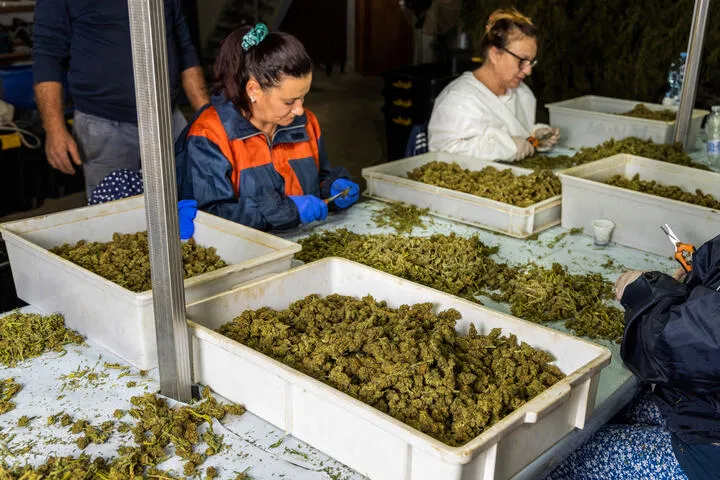
The saying goes that many hands make light work, so if you want to speed up the process, gather together a trimming team .If you have more than a few plants, trimming cannabis can become a multi-day task. Here’s where friends, family, or hired trimmers come in.
Pro Tips For Team Trimming:
Provide Drinks and music – keep the atmosphere fun and relaxed to prevent burnout
Rotate Trimming Tasks – let people switch between cutting, trimming, and bagging to avoid repetitive strain
Harvesting Cannabis Key Points
Harvesting cannabis is a labor intensive but rewarding process – after all, this is what it was all for. Those months spent lovingly nurturing your growing plants was all about buds at the end of the day, and now that you have your yield, you definitely want to handle it correctly.
With the right tools, a clear plan, and some help (if needed) you can get through it efficiently while preserving the quality of your buds. The most important part of harvesting is patience – don't rush the process, don’t handle your buds carelessly, and always trim with precision. Your future self will thank you when you’re smoking those perfectly-manicured buds.
Good luck with your harvest – and may your buds be potent and dank!