
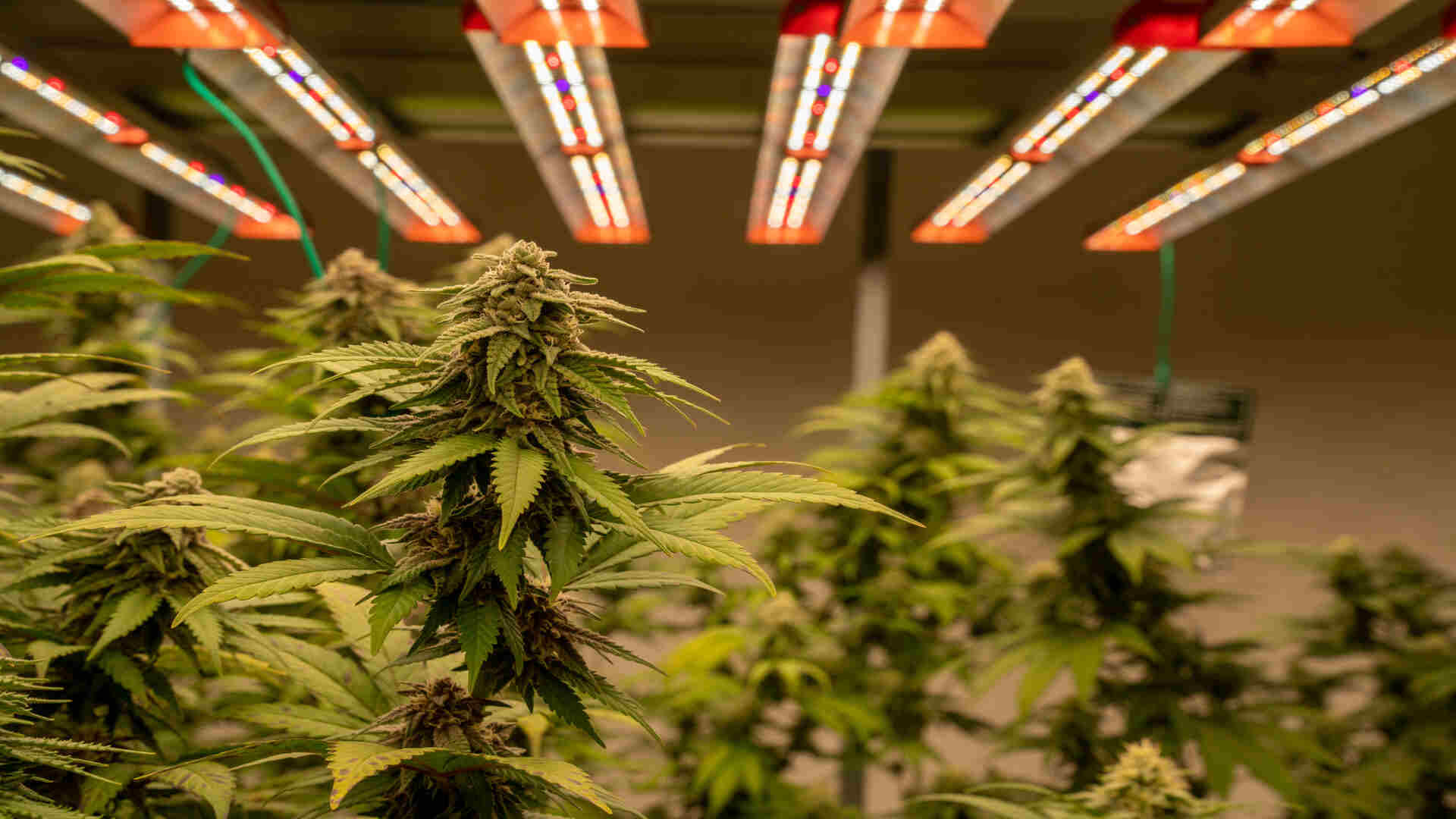

If you're interested in growing cannabis from seed indoors, you've made a smart choice. Indoor growing gives you total control over your environment, allowing you to optimize conditions for maximum yield and potency. Whether you're a first-time grower or an experienced cultivator looking to refine your skills, this guide will take you step by step through the process. From germination to harvest, we’ll explore everything you need to know to get your cannabis plants flourishing indoors.
Choosing Seeds: The Foundation of Your Indoor Cannabis Grow
When growing cannabis from seed indoors, the journey begins with selecting the right genetics. The seeds you choose will influence everything from the size and structure of your plants to the potency and flavour of the buds. Whether you’re a beginner or a more experienced grower, it’s crucial to understand the different types of seeds available and what they mean for your indoor grow.

Feminized, Regular, and Autoflowering Seeds
The three main types of cannabis seeds are feminized, regular, and autoflowering, and each offers different advantages based on your growing goals.
Feminized Seeds: These seeds are bred to only produce female plants, which are the ones that produce the buds you’ll ultimately harvest. If you're growing cannabis specifically for the buds, feminized seeds are a good option since they eliminate the chance of male plants that could pollinate the females. This ensures you’ll get a higher yield of potent flowers. Feminized seeds are particularly popular among indoor growers who are looking for consistency in their grow cycle.
Regular Seeds: Regular seeds are unaltered and can produce either male or female plants. This offers a broader genetic diversity, but you’ll need to identify and remove the males before they pollinate your females. For beginner growers, feminized seeds are often a safer choice, but those interested in breeding their own cannabis may prefer regular seeds for the genetic variability they offer.
Autoflowering Seeds: Autoflowering strains are a favourite for many indoor growers, particularly beginners. These plants automatically switch from the vegetative phase to the flowering phase after a set amount of time (usually 8-10 weeks), regardless of the light schedule. Autoflowering plants tend to be smaller, making them ideal for compact indoor setups, and they grow faster than regular strains. However, they may produce smaller yields compared to photoperiod plants.
Sourcing Your Seeds
Once you know what type of seeds you’re looking for, you’ll need to find a reliable source. In South Africa, while cannabis has been decriminalized for personal use, finding quality seeds can still be a challenge. Always choose to purchase seeds from reputable international seed banks like Seedsman, but be sure to check your local regulations before ordering online. It's worth paying extra for high-quality, reputable seeds, as this will save you from disappointment down the line.
Setting Up Your Indoor Grow Space: Creating the Perfect Environment
Now that you’ve chosen your seeds, it's time to set up your indoor grow space. Whether you're using a tent, a room, or a closet, the space you create will play a massive role in the success of your plants. Cannabis plants require specific conditions—especially light, temperature, humidity, and airflow—to thrive, so choosing the right setup is essential. Let’s break down the main options for setting up an indoor grow.
Grow Tents: The Most Popular Option for Indoor Cannabis Cultivation

Grow tents have become the go-to choice for many indoor cannabis cultivators, and for good reason. They provide a controlled, enclosed environment that helps to keep everything in check. A grow tent is ideal for beginners as it provides an all-in-one solution, with reflective walls that maximize light use and help maintain temperature and humidity levels.
Most grow tents come with built-in ventilation ports for air exchange, which is essential for healthy cannabis plants. They also make it easier to manage any unwanted smells, a consideration many indoor growers take into account, particularly if you're growing in a shared space or urban environment.
Grow Rooms: Space to Stretch and Grow

If you have a spare room or even a converted garage, setting up a grow room might be the best option. A grow room offers plenty of space for your cannabis plants to stretch out and thrive. Unlike a tent, you have complete control over the room’s layout, which is helpful if you're looking to scale your grow or use advanced setups like hydroponics. However, a grow room requires careful planning—everything from light placement to airflow needs to be thought out meticulously.
You’ll need to invest in proper lighting, fans, air conditioning, and humidity control equipment. One downside of a grow room is that it’s harder to control temperature and humidity compared to a smaller, enclosed space like a grow tent. With that said, many experienced cultivators prefer the room setup as it gives them more freedom to experiment with different growing methods.
Closets: A Stealth Option for Smaller Grows
If you don’t have a dedicated room or want a more discreet grow, a closet can also work as an indoor grow space. While a closet will limit the size of your plants, it’s perfect for small-scale operations, especially when you’re growing autoflowering strains or a small number of plants. Keep in mind, you'll need to manage airflow carefully, as the lack of ventilation can quickly lead to heat stress or mold problems. Using fans, a carbon filter, and proper lighting will help create a healthy environment even in a closet.
Necessary Equipment for Indoor Cannabis Cultivation
Regardless of whether you’re using a tent, room, or closet, there are certain pieces of equipment you’ll need to create the perfect environment for your cannabis plants. Here’s an overview of the key tools and technology you should consider:
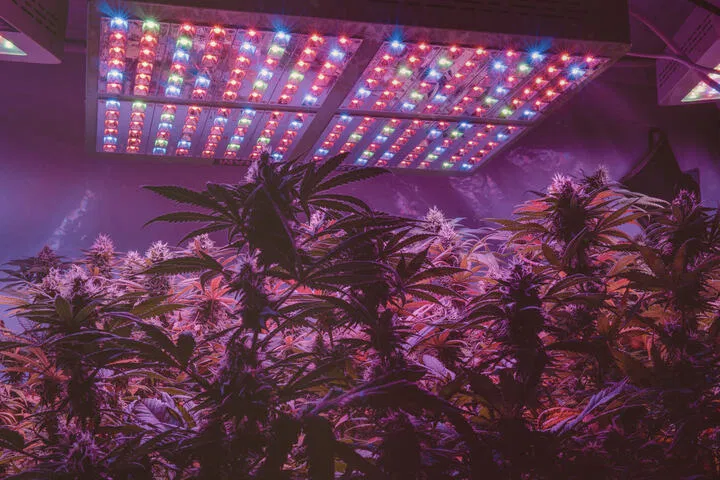
Lighting: High-quality lighting is crucial when growing cannabis indoors. Full-spectrum LED grow lights are the most popular choice, offering energy efficiency and the ability to mimic natural sunlight. Depending on your setup, you may need one or more lights to cover the full growing area.
Ventilation System: Proper airflow is essential for preventing mold and ensuring healthy growth. A good ventilation system includes an exhaust fan, intake fan, and ducting to help maintain a fresh supply of CO2 and remove hot, stale air.
Temperature and Humidity Control: A thermometer and hygrometer will help you monitor the temperature and humidity in your grow space. Ideally, you want to keep temperatures between 21-29°C (70-85°F) during the day, with slightly cooler temperatures at night. Humidity should be kept around 40-60% during the vegetative stage and slightly reduced during flowering.
Fans: Fans help circulate air and prevent hotspots in your grow area. Oscillating fans are particularly useful as they mimic natural wind, promoting stronger stems and better airflow around the plants. How you position fans in your grow room is worth taking the time to get right.

Carbon Filter: If you're concerned about odor, a carbon filter attached to your exhaust fan is a must. It will help eliminate the strong smell of cannabis during flowering, which can be a concern in urban areas or shared buildings.
Thermo-hygrometer: A tool that helps you monitor the temperature and humidity levels inside your grow area. This is essential for keeping your plants in optimal conditions.
Grow Medium: Most indoor growers opt for soil or hydroponic systems. Soil is forgiving and easier for beginners, but hydroponics can offer faster growth rates and larger yields for experienced growers.
Germination: The First Step in Growing Cannabis from Seed Indoors

Germination is the first stage in growing cannabis from seed indoors. This is when the seed breaks open and begins to sprout. It's an important phase, as healthy germination sets the tone for strong plants later on. While it might sound simple, there are a few key factors to consider.
The Right Conditions for Germination
Cannabis seeds need warmth, moisture, and a little bit of darkness to germinate properly. The ideal temperature for germination is between 20°C to 25°C. Too much heat can damage the seeds, and too little can slow down the process.
Moisture: You need to keep your seeds moist but not soaking. Using a damp paper towel inside a plate or a plastic bag can create the perfect humid environment.
Light: At this stage, your seeds don't need light. In fact, they should be kept in a dark place to help them break open.
How to Germinate Your Seeds
There are various methods for germinating cannabis seeds, but the most popular methods are:
Paper Towel Method: Place the seeds between two dampened paper towels and put them on a plate. Cover with another plate to keep the humidity in. After 24-72 hours, the seeds should begin to sprout.
Soil Method: Some growers simply plant the seeds directly into moist soil. While this can take a little longer, it’s an easy and straightforward approach.
Once the taproot emerges from the seed, it’s time to transfer the seedling into its final pot.
Seedling Stage: The Foundation of Healthy Growth
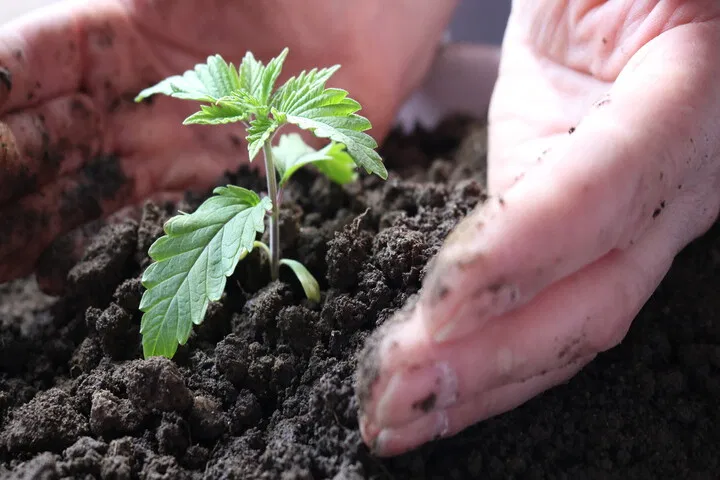
After germination, your cannabis seed has officially entered the seedling stage. During this phase, the plant develops its first few sets of leaves, and its root system starts to establish itself. At this stage, it’s important to create a nurturing environment to encourage strong growth.
Light Requirements for Seedlings
Seedlings require a lot of light, but not too much. Overexposure can stunt their growth or even kill them. Keep the lights around 45-60cm above the seedlings to avoid heat stress. A light cycle of 18 hours of light and 6 hours of darkness is ideal to mimic the spring-summer growth phase.
Type of Light: For indoor cannabis cultivation, full-spectrum LED lights are the most energy-efficient and effective. Fluorescent lights can also be used during the seedling stage, but LEDs provide better results in the long run.
Temperature: The ideal temperature for seedlings is around 21°C during the day and slightly cooler at night, around 18°C. Maintaining this temperature range ensures your plants don't get too stressed and can focus on healthy growth.
Watering and Nutrients for Seedlings
Cannabis seedlings are delicate, so water them sparingly. It's crucial to avoid over-watering. Keep the soil moist but not soggy. The roots are still developing, and too much water can lead to root rot.
During the seedling stage, the plant won’t need many nutrients. You can use a light dose of a balanced, organic nutrient solution to encourage early growth, but be careful not to overfeed, as this can lead to nutrient burn. At this stage, it's best to stick to nitrogen-rich nutrients.
Vegetative Stage: Building Strong Foundations
Once your cannabis plant has developed a few sets of leaves and is looking healthy, it’s time for the vegetative stage. This is when your plant grows rapidly, putting all of its energy into producing stems, leaves, and roots. In this phase, your cannabis plant can grow to quite a large size, so it’s important to manage its environment carefully.
Choosing the Right Pots and Soil for the Vegetative Stage
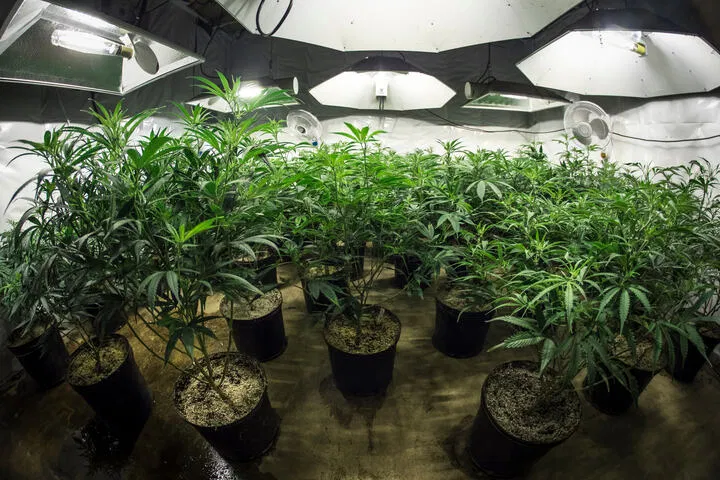
Choosing the right pots is crucial to support your plant’s root growth. Cannabis roots need space to expand, so make sure your pots are big enough to accommodate this growth.
Pots: Start with smaller pots in the seedling stage, but as your plants grow, you'll need to transplant them into larger pots. An 18-26 litre pot is ideal for most cannabis plants during the vegetative stage.
Soil: Opt for a well-draining, loose soil mix. Cannabis roots need oxygen, and dense, compact soil can suffocate them. Many growers recommend a mix of peat, perlite, and vermiculite. Some South African growers prefer a mix of composted organic material and well-aerated soils that reflect the country’s climate.
Light and Temperature for the Vegetative Stage
Cannabis plants in the vegetative stage need a lot of light to grow strong and healthy. Maintain a light schedule of 18-24 hours of light per day.
Light Distance: Keep your lights about 60cm away from the plants to prevent heat damage while ensuring the light intensity is sufficient.
Temperature: During the vegetative stage, temperatures should range from 21-29°C during the day, with a slightly cooler night cycle. Nighttime temperatures should be around 18°C.
Watering and Nutrients for the Vegetative Stage
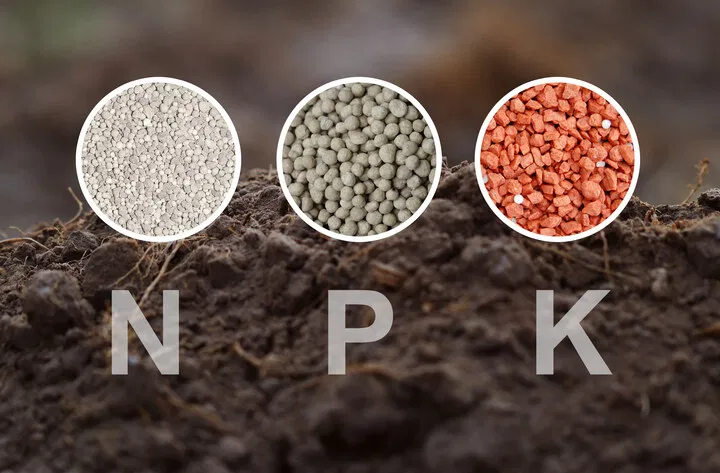
Water your plants deeply but less frequently to encourage strong root growth. Let the top layer of soil dry out before watering again. During the vegetative stage, cannabis plants require a nutrient-rich diet to fuel their growth. A balanced fertilizer with higher nitrogen content is ideal.
Nutrients: Look for nutrients with a higher ratio of nitrogen (N) to phosphorus (P) and potassium (K). You can switch to a more balanced mix once your plants are well-established.
One of the best ways to ensure your plant develops a robust structure for high yields is through plant training techniques like topping, pruning, and using a Screen of Green (SCROG).
Plant Training Techniques
Plant training allows you to manipulate the shape and growth patterns of your cannabis plants, maximising light exposure to the entire plant and increasing your overall yield. While these techniques can require a bit of time and patience, the results are well worth the effort.
Topping: Topping involves cutting off the top of the main stem to encourage lateral branching. By removing the top growth, you force the plant to grow two new dominant stems from where you made the cut. This creates a bushier plant with more potential bud sites. Topping is most effective in the vegetative stage, but make sure your plants are at least 4-6 nodes tall before performing the technique.
Pruning: Pruning is the process of removing dead or unnecessary growth. This allows the plant to focus its energy on healthier branches and improves airflow and light penetration to the lower parts of the plant. Prune any lower branches or leaves that won’t contribute much to the final yield.
Screen of Green (SCROG): The SCROG technique involves placing a mesh or screen over your plants and weaving the branches through it to create an even canopy. This allows you to maximise your light exposure and encourages the plants to spread out horizontally, which is ideal for indoor grows with limited vertical space. SCROG is especially useful for photoperiod strains and can be combined with topping for even better results.
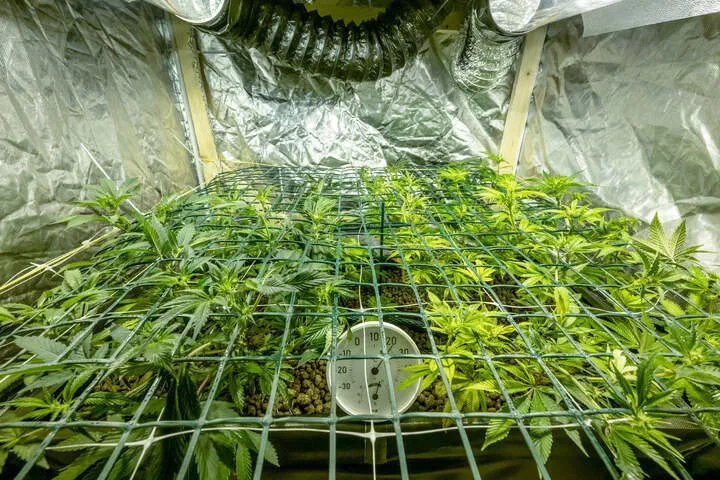
Low Stress Training (LST): LST involves bending and tying down the stems of the plant to create a more horizontal growth pattern. Unlike topping, LST doesn’t remove any plant material, which means the plant experiences less stress. This technique is especially useful in smaller grow spaces where vertical height may be a concern.
Defoliation in the Vegetative Stage
Defoliation, or removing leaves, is another training technique that can be used during the vegetative stage. By selectively removing some of the larger fan leaves, you open up the plant’s interior, allowing more light to reach lower branches. However, it's important to avoid over-defoliating, as leaves are crucial for photosynthesis. A light defoliation, removing only the leaves that are shading bud sites or obstructing airflow, is usually sufficient.
Flowering Stage: Triggering Bud Production
The flowering stage is when cannabis plants produce the buds that you'll eventually harvest. This is the most critical stage, as it determines the yield and quality of your crop. The key to a successful flowering phase lies in proper lighting and environmental control.
How to Trigger the Flowering Stage
To induce flowering in cannabis, you need to adjust the light cycle. Plants need 12 hours of darkness to trigger the flowering response. This mimics the natural light cycle of autumn when cannabis plants would naturally begin to flower.
Light Schedule: Transition to a 12-hour light, 12-hour dark cycle. The dark period is crucial—make sure the plants receive absolute darkness for 12 hours without interruption. Any light exposure during this time can disrupt the flowering process and lead to stress.
Light Distance: Keep your lights at the same distance as you did in the vegetative stage (around 45-60cm). High-intensity lights are necessary to promote healthy bud formation.
Watering and Nutrients for the Flowering Stage
Cannabis plants in the flowering stage need more phosphorus and potassium to promote bud growth. You should reduce nitrogen levels in the nutrient mix during this phase.
Nutrients: Opt for a bloom-specific fertilizer, which has a higher ratio of phosphorus (P) and potassium (K) to support the development of flowers. Many growers recommend a 1:3:2 NPK (nitrogen-phosphorus-potassium) ratio for this stage.
Watering: As buds begin to form, be careful not to over-water your plants. Water only when the soil feels dry to the touch.
Training in the Flowering Stage
SCROG During Flowering: If you've used the SCROG method, the flowering stage is the time to really make use of the screen. Keep tucking and weaving branches through the screen to maintain an even canopy. This ensures that each bud site gets maximum light exposure, which is essential for producing dense, high-quality buds.
Pruning in Flowering: In the flowering stage, you should avoid heavy pruning, as this can stress the plant during its critical bud development phase. However, if you have any dead or dying leaves, it’s a good idea to remove them to prevent mould or pests from taking hold.
Defoliation in Flowering
Some growers choose to continue light defoliation during the early stages of flowering. Removing some leaves that block light from reaching developing bud sites can improve overall yield. However, you should avoid excessive defoliation as the plant is concentrating energy on producing buds, and cutting too many leaves can reduce its photosynthetic ability.
Pest Control: Protecting Your Indoor Garden
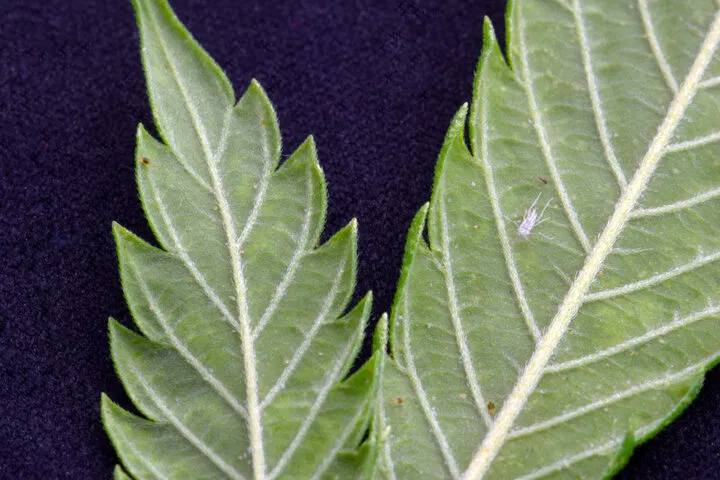
When growing cannabis indoors, pests and pathogens can be a real concern, especially in a warm, humid environment. Even though the closed environment of an indoor grow room offers more control, pests like spider mites, aphids, and whiteflies can still find their way in.
Preventative Measures: Keep your growing area clean and inspect your plants regularly for signs of pests.
Natural Solutions: Introduce beneficial insects like ladybugs or predatory mites to combat pests naturally. Alternatively, neem oil is an effective organic pesticide that won't harm your plants when used correctly.
Harvesting: How to Know When Your Cannabis Plants Are Ready
After weeks of careful cultivation, you’ll want to know when it’s time to harvest your cannabis plants. The ideal time for harvesting depends on the strain you’re growing, but there are a few signs to look out for:
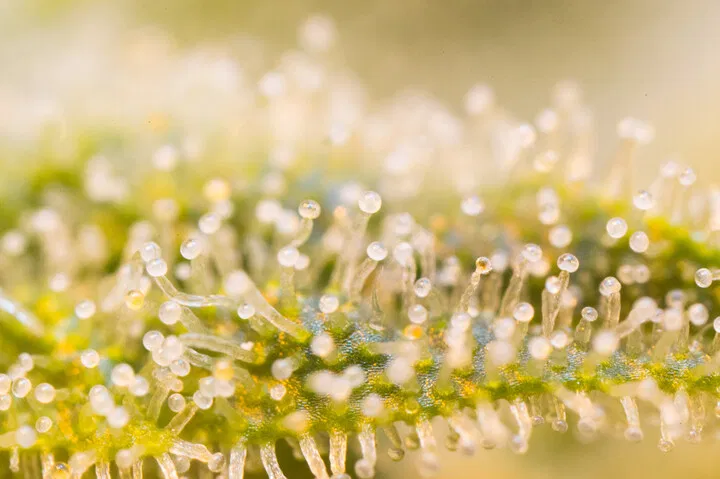
Trichomes: The trichomes on your buds will change from clear to a milky white colour as they mature. Some growers prefer to harvest when the trichomes are mostly milky, while others wait for a portion of the trichomes to turn amber for a more sedative effect.
Pistils: The pistils (hairs) on your cannabis buds will change colour from white to orange or red. When about 70-80% of the pistils have turned colour, it's usually time to harvest.
Conclusion: Enjoy the Fruits of Your Labour
Growing cannabis from seed indoors is a fulfilling and rewarding process that requires patience, attention to detail, and a solid understanding of each plant stage. Whether you’re growing cannabis for personal use or as a hobby, following the right steps and maintaining the ideal environment throughout the germination, seedling, vegetative, and flowering stages will ensure your plants produce high-quality buds.
By taking the time to properly care for your cannabis plants and making informed decisions along the way, you'll be rewarded with a healthy harvest that you can be proud of. Happy growing!