
Key Takeaways
- Cannabis genetics influence a plant's potential characteristics, including cannabinoid and terpene profiles, flowering behaviiour, plant structure and other traits
- Modern cannabis varieties are the result of thousands of years of domestican, selection, and breeding.
- The genetics of a plant are only part of the story. Environment and growing conditions also influence hows its characteristics are expressed.
- A cultivar name does not always tell the whole genetic story. Scientific studies have found that plants sharing the same name can sometimes be genetically different.
- For many growers, exploring genetics is part of what makes growing cannabis so interesting. Every seed represents a particular combination of traits and a story that began long before it reached the seed packet.
Why Do Cannabis Growers Care So Much About Genetics?

If we were to ask a group of experienced cannabis growers what makes a variety interesting, the conversation can go in a dozen directions. One grower might talk about the aroma they remember from an old-school variety. Another might be fascinated by a particular breeding line. Someone else might be searching for a plant with a certain structure, flowering behaviour, or rare cannabinoid profile.
Then there's the people who simply love discovering what happens when different genetic lines come together.
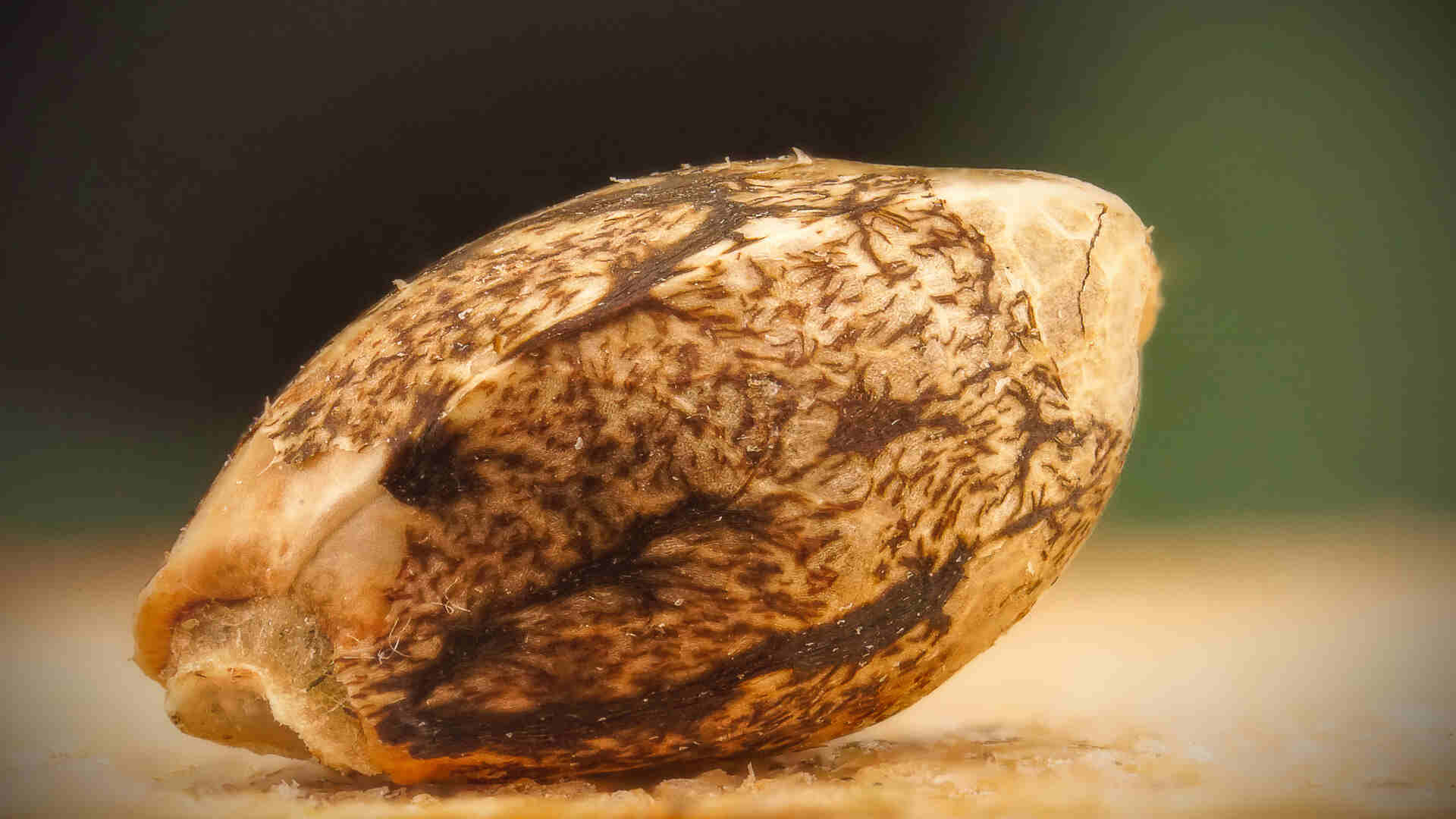
That fascination with genetics is one of the things that makes cannabis such an interesting plant to grow. The seed is small, but there's an enormous amount of history and biological information packed into it.
A cannabis seed carries a genetc blueprint that influences how a plant develops. It doesn't dictate every detail, because environment matters too, but cannabis genetics establish much of the plant's potential. For growers, that creates an intriguing question:
What exactly is hidden inside the genetics?
Cannabis Genetics Have an Extraordinary History
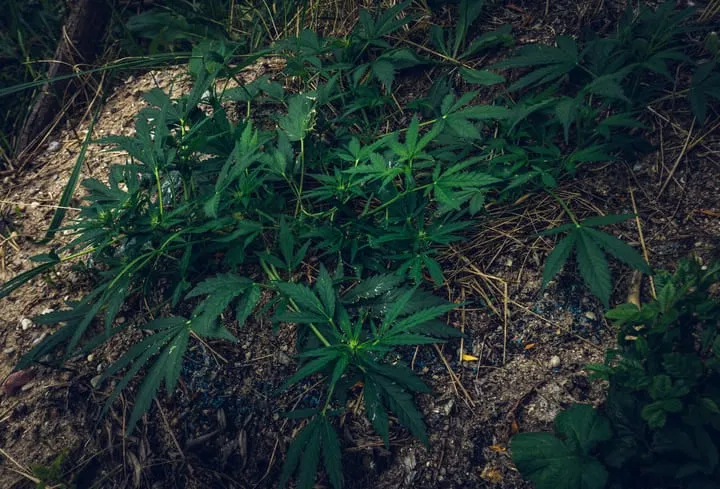
Cannabis isn't a modern invention of the seed industry. Humans have been selecting and using Cannabis Sativa for thousands of years. Research into the species' domestication suggests that cannabis was first domesticated in early Neolithic East Asia, with modern hemp and drug-type varieties ultimately descending from an ancestral gene pool represented by feral plants and landraces in China. [1]
Related Article:
Over generations, people selected plants for different characteristics. For fibre production, certain traits became more desirable. For seed production, different characteristics mattered. Other populations were selected for resin production and cannabinoid chemistry. That long history of selection helped create the genetic diversity found in cannabis today.
Modern cannabis breeding has added another layer. Breeders can bring together different genetic lines, select particular offspring and continue working with those traits over succesive generations. The result is a huge and constantly-evolving collection of cannabis genetics.
And that's where things get particularly interesting.
Cannabis Genetics Are More Than THC

One of the simplest ways to misunderstand cannabis genetics is to reduce them to potency. THC certainly matters to the identity of many cannabis varieties, but it is only one part of an extraordinarily complicated plant.
Cannabis produces a large range of cannabinoids and other specialised plant compounds. Its resin contains numerous terpenes and cannabinoids, while researchers are still working to understand exactly how genetic variation influences the production of many of them. [3]
Cannabinoid production itself is influenced by genetic variation in the enzymes involved in cannabis biosynthesis. Research into cannabinoid synthase genes has shown that differences in these genes can contribute to differences in the chemical profiles produced by plants. [4]
Then there are terpenes.
These aromatic compounds contribute to the distinctive smells and flavours associated with cannabis. It's not just terpenes, of course - there are other chemical influences at play. But the genetics behind terpenes are complex, and different varietes can have noticeably different terpene profiles. [3]
That means genetics can be part of the reason one variety reminds a grower of citrus, another of pine, another of berries, and another of something entirely unexpected.
For someone interested in plants, that's pretty fascinating.
Related Article:
What Are Terpenes And How Do Cannabis Plants Produce Them?
The Same Genetics Can Produce Different Results
There is another piece of the puzzle that sometimes gets overlooked. Genetics establish potential. They don't operate in isolation. A plant's characteristics are shaped by the interaction between its genetics and its environment. Temperature, light, nutrition, water availability, growing conditions and other environmental factors can influence how genetic potential is ultimately expressed.
In plant science, this is part of the broader relationship between genotype and phenotype.
The genotype is the genetic makeup. The phenotype is what we actually observe.
Put simply, two plants can have closely related genetics and still show some differences because their environments aren't identical. Equally, two plants that look superficially similar don't necessarily share the same genetic background.
This is one reason experienced growers tend to talk about cannabis genetics with a little more nuance than simply saying that a particular variety "will" behave in a certain way. Genetics give us potential. The plant's environment helps determine how that potential appears.
Why a Seed Isn't Just a Seed

There's something wonderful about looking at a seed packet and thinking about what is actually inside it. Every seed represents a particular genetic combination. For many growers, this is part of the appeal.
A named variety might have a recognisable genetic background, but individual plants can still show variation. It's one of the fundamental characteristics of sexual reproduction and genetic diversity. It's also one reason breeders spend so much time selecting and stabilising desirable traits.
Breeding is, at its heart, a conversation with cannabis genetics.
A breeder identifies characteristics worth preserving, brings genetic lines together, observes what emerges and selects plants that fit the direction they want to pursue. Over generations, particular combinations of traits can become increasingly consistent.
Modern cannabis breeding is therefore much more than putting two interesting names together. Behind a finished variety can be generations of selection.
The Fascinating World of Chemotypes
There's another term worth knowing when talking about cannabis genetics: chemotype. A chemotype describes a plant according to its characteristic chemical profile. In cannabis, this can include the relative abundance of cannabinoids such as THC and CBD, alongside other compounds.
Researchers have developed analytical methods for identifying cannabis chemotypes, and studies have explored whether chemical profiles can be determined relatively early in a plant's development. [5]
This matters because plants that look similar aren't necessarily chemically identical. It also helps explain why the old habit of categorising cannabis simply by appearance can be misleading.
A plant's leaf shape, height, or overall structure can tell us something about it, but those visible characteristics don't provide a complete genetic or chemical identity. The more scientists study cannabis, the clearer that becomes.
Related Article:
Cutivars, Phenotypes, And Chemotypes: Understanding Terms
Are the Terms Indica and Sativa Still Useful?
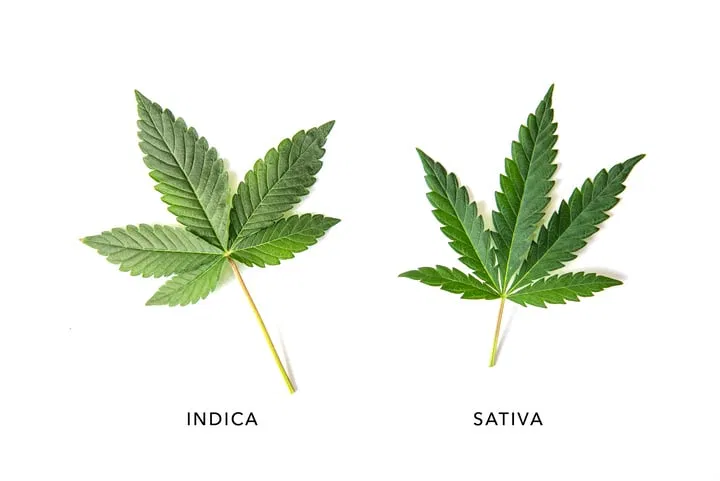
This is where cannabs genetics gets particulary interesting. The terms Indica and Sativa have become deeply embedded in cannabis culture, and they can still be useful as part of the language growers use to describe different types of plants. But scientifically, things aren't quite that simple.
A landmark study examining commercially available cannabis found genetic inconsistencies among samples carrying the same strain names. The commonly used Sativa, Indica, and Hybrid categories also did not neatly correspond to the genetic groupings identified by the researchers. [7]
That's an important distinction.
The names growers use can tell us something about cannabis culture. But a name alone isn't a complete genetic analysis. Cannabis genetics are considerably more complicated than three labels.
Related Article:
Indica vs Sativa: How Do They Differ?
A Strain Name Can Have a Story Behind It
This doesn't make strain names meaningless. Quite the opposite,
Names are part of cannabis history. Some are connected to particular breeding projects, places, growers, or communities. Others have been passed between generations of growers and breeders, sometimes changing along the way.
But the scientific evidence gives us a useful reason to be cautious. A 2015 genetic study found that, in some cases, samples with identical names were genetically less similar to one another than samples carryng different names. [6]
That doesn't mean every strain name is unreliable. It means that a name shouldn't be automatically treated as proof of a genetically identical variety.
For anyone interested in cannabis history, that's a fascinating distinction. The story written on a label and the genetic story inside the plant aren;t always exactly the same.
Related Article:
The Funniest-Named Cannabis Strains
Modern Cannabis is a Product of Selection
The incredible variety available today didn't appear overnight. Cannabis has been shaped by natural variation, human selection, geographical separation and, more recently, increasingly sophisticated breeding.
Genome research has revealed substantial genetic diversity across populations and identified genetic differences associated with characteristics including flowering time, plant architecture, and cannabinoid production. [1][8]
Researchers are now using increasingly detailed genetic tools to investigate these differences.
One recent area of research is the cannabis pan-genome. Rather than studying a single reference genome, a pan-genome attempts to capture genetic diversity across many individuals. A 2025 study involving 113 cannabis accessions identified thousands of gene presence/absence variations, including genes associated with adaptive traits such as stress and disease resistance. [9]
In other words, scientists are discovering that there is considerably more genetic variation in cannabis than a list of familiar strain names might suggest. And we're only beginnind to understand it.
Why Cannabis Genetics Can be so Exciting to Explore

There's a reason experienced growers can spend hours discussing breeding lines. Once the genetics become part of the hobby, every variety starts to have a story.
A classic line might represent an important chapter in cannabis history. A modern hybrid might bring together characteristics from several well-known families. Take the now-legendary Skunk #1 for example, featuring contributions from the classic Acapulco Gold and Colombian Gold strains. But even a lesser-known variety might contain genetics that have travelled across continents and generations. That's part of what keeps growers and enthusiasts so engaged - the story behind the seeds can be just as fascinating as what the seeds themselves go on to produce.
Suddenly, choosing a seed isn't simply choosing a plant. It's choosing a genetic story.
That's particularly appealing to people who enjoy growing for the experience itself. Watching a plant develop from seed allows growers to see those genetics expressed over time: its shape, structure, aroma, flowering characteristics, and individual personality. And sometimes the most interesting part is discovering something that wasn't quite expected.
Cannabis Genetics are One Part of the Growing Experience
It's tempting to think of genetics as a promise, of sorts. They're better understood as potential. A breeder can work towards particular characteristics, but the final expression of those characteristics depends on a combination of genetics and environment. Even within the same genetic line, individual plants can show natural variation. That doesn't make genetics less important. It makes them more interesting.
The relationship between genetic potential and the living environment is part of what makes horticulture so rewarding. A seed isn't a finished product waiting to be unwrapped. It's the beginning of the biological process - one which growers get to influence, then watch unfold.
The Future of Cannabis Genetics
Cannabis genetics reserach is moving quickly. Scientists now have access to increasingly sophisticated genome genetic sequencing markers, genome-wide association studies and pan-genomic approaches. These tools are helping researchers understand how genetic variation relates to everything from plant structure and flowering to cannabinoid production and adaptation. [2][9]
There is still plenty we don't know. Cannabis research spent decades operating under signficant legal and scientific restrictions, leaving researchers with a much smaller body of genetic knowledge than exists for many established agricultural crops. [2]
That is now changing. As the science develops, our understanding of cannabis genetics will become increasingly precise. For growers, that could eventually mean an even clearer picture of what particular genetic lines have to offer. For breeders, it opens fascinating possibilities for preserving valuable cannabis genetics and developing new varieties. And for anyone who simply loves plants, it gives us another reason to appreciate just how remarkable cannabis really is.
Frequently Asked Questions
What do cannabis genetics determine?
Genetics influence many characteristics of a cannabis plant, including cannabinoid and terpene production, plant structure, flowering behaviour and other biological traits. However, environmental conditions also influence how those traits are expressed.
Do different cannabis strains really have different genetics?
They can, although strain names alone aren't a reliable way of determining genetic identity. Scientific studies have found examples of plants sharing a name while showing meaningful genetic differences.
Why do cannabis strains have different aromas?
Aroma is influenced by the chemical compounds produced by the plant, including terpenes. Genetic differences can contribute to differences in terpene production, although environmental factors can also affect the plant's chemical profile.
What is a cannabis chemotype?
A chemotype is a way of classifying a plant according to its characteristic chemical profile. In cannabis, this can involve the relative abundance of cannabinoids and other compounds.
Are Indica and Sativa genetic categories?
They are useful terms within cannabis culture and history, but modern genetic research shows that the simple Indica/Sativa distinction does not fully represent the genetic diversity of cannabis. Genetic studies have found only limited correspondence between reported ancestry and genome-wide genetic structure.
Why are cannabis genetics important to breeders?
Genetics provide the variation that breeders work with when selecting for particular characteristics. Understanding genetic relationships can help breeders investigate inheritance, preserve valuable genetic resources and develop new varieties.
---------------------------------------
References
1. Ren G. et al. (2021). Large-scale whole-genome resequencing unravels the domestication history of Cannabis sativa. Science Advances, 7(29).
https://pubmed.ncbi.nlm.nih.gov/34272249/
2. Laverty K.U. et al. (2020). The Genomics of Cannabis and Its Close Relatives. Annual Review of Plant Biology, 71, 713–739.
https://pubmed.ncbi.nlm.nih.gov/32155342/
3. Booth J.K. & Bohlmann J. (2019). Terpenes in Cannabis sativa – From plant genome to humans. Plant Science, 284, 67–72.
https://pubmed.ncbi.nlm.nih.gov/31084880/
4. van Bakel H. et al. (2011). The draft genome and transcriptome of Cannabis sativa. Genome Biology, 12, R102.
https://doi.org/10.1186/gb-2011-12-10-r102
5. Onofri C. et al. (2021). Development and early identification of cannabis chemotypes during plant growth: current analytical and chemometric approaches. Molecules.
https://pubmed.ncbi.nlm.nih.gov/34305054/
6. Sawler J. et al. (2015). The genetic structure of marijuana and hemp. PLOS ONE, 10(8), e0133292.
https://pubmed.ncbi.nlm.nih.gov/26308334/
7. Schwabe A.L. & McGlaughlin M.E. (2019). Genetic tools weed out misconceptions of strain reliability in Cannabis sativa: implications for a budding industry. Journal of Cannabis Research, 1, 3.
https://pubmed.ncbi.nlm.nih.gov/33526091/
8. Zhang Q. et al. (2022). Whole-genome resequencing of wild and cultivated cannabis reveals the genetic structure and adaptive selection of important traits. BMC Genomics.
https://pubmed.ncbi.nlm.nih.gov/36018239/
9. Pan-Genome Analysis of Cannabis sativa: Insights on Genomic Diversity, Evolution, and Environment Adaptation (2025).