
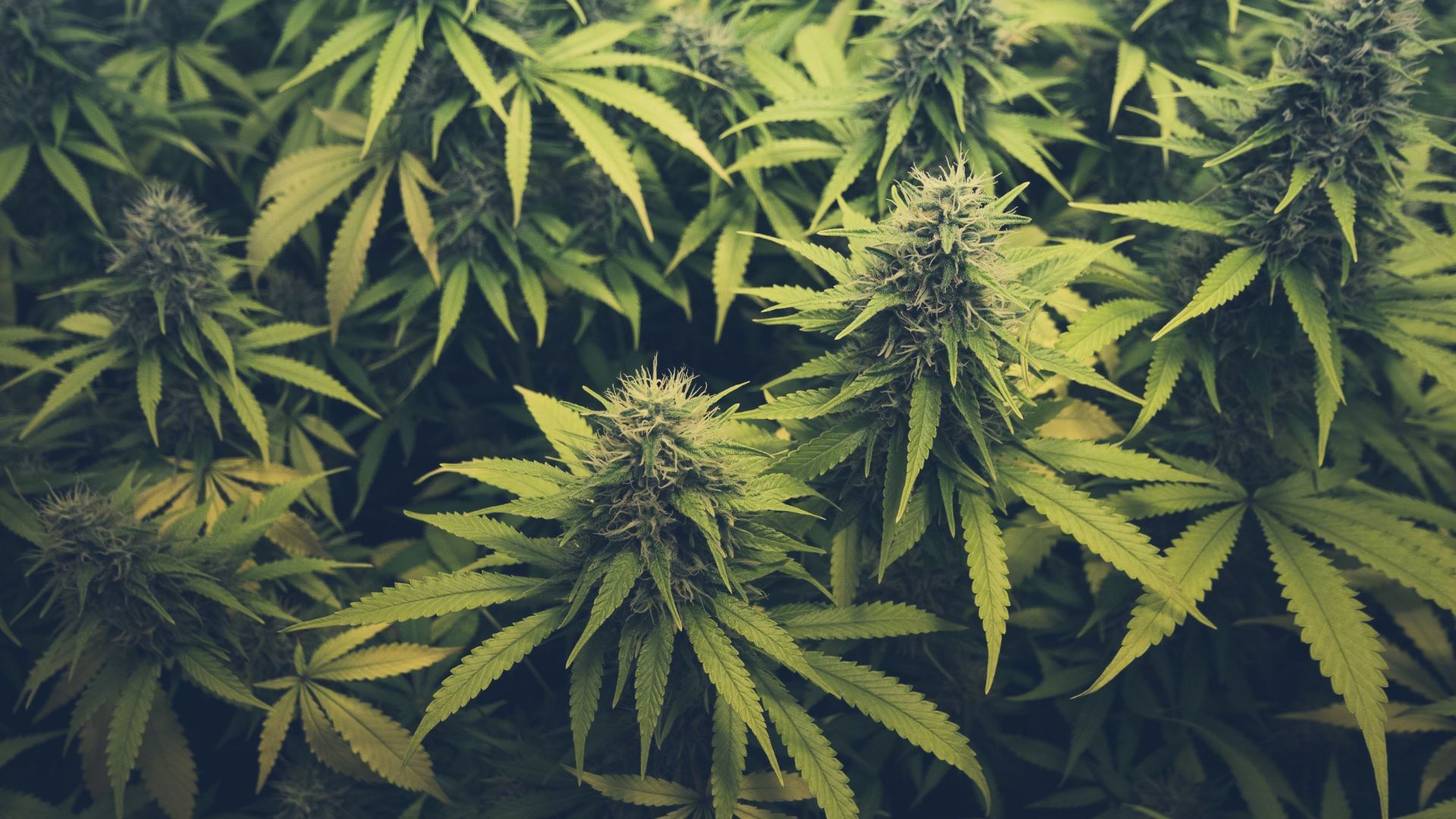

A crucial aspect of communicating and understanding the diversity and classification of cannabis plants is understanding the language used to articulate certain concepts. In the recent past, we have covered cannabis terminology in two parts; here, we are bringing it back to basics to help those new to cannabis - or at least new to the technical language used - get ahead.
Cultivar
In cannabis cultivation, a cultivar is a plant variety selectively bred for specific desirable traits and then stabilized or propagated reproducibly. This term, derived from 'cultivated variety', is useful when differentiating between plants within the same species that have distinct characteristics due to human-driven selection processes. In cannabis, the characteristics targeted might include, for example, potency, flavor/smell profile, growth rate, yield, and resistance to pests or diseases. The concept of cultivars is similar across various forms of agriculture and horticulture. In cultivating roses, for example, numerous cultivars have been bred for attributes such as flower color, scent, and bloom size.
Developing a cannabis cultivar involves selecting parent plants with desirable traits and breeding them over several generations to consolidate and stabilize these traits in the offspring. This process is similar to the breeding practices seen in domestic dogs, where specific breeds (the equivalent of cultivars in plants) are developed by selectively breeding individuals that exhibit preferred traits, such as size, colour, or temperament. Just as a Labradoodle is a cross between a Labrador and a Poodle, different breeds (cultivars) within the same species (Canis lupus familiaris), different cannabis cultivars also belong to the species (Cannabis sativa l) but have distinct characteristics based on the variety of the parents.
The selection and stabilization of traits in cannabis cultivars are viewed both as an art and a science, depending on who you ask. Selection generally requires a deep knowledge of plant genetics, physiology, and environmental interactions. Observation and diligent note-keeping are key whether it is seen as art or science. Breeders often spend years meticulously selecting and breeding plants to produce a cultivar that consistently expresses the desired characteristics. Once established, a cultivar is often given a unique name to identify it and differentiate it from other varieties within the species. For more information about how this is achieved, read this article. Cultivar development, or genetic refinement, allows the tailoring of cannabis plants to specific needs and preferences, whether for chemical/therapeutic output or suitability to a particular growing environment. The thousands of cannabis cultivars available today display the amount of effort many small-scale and some large-scale breeds have put in over the years. The ingenuity and dedication of breeders in shaping its evolution cannot be understated, like a mass-scale citizen science project with no master coordinator. Still, it has produced many of the revered cultivars available today.


Phenotype
Whilst a seed or clone provides the grower with a cultivar, the phenotype is how it grows in the grower's particular environment. Put another way, a phenotype in cannabis refers to the plant's observable physical and chemical characteristics, which result from the interaction of its genetics and the environment in which it is growing. This concept, not unique to cannabis but common in biology, encompasses all sorts of traits such as plant height, leaf shape and stem size, color, the structure of the buds, flowering time, and the profile of cannabinoids and other compounds responsible for smell and flavor. While the genetic makeup (genotype) of a cannabis plant might predispose it to grow tall, environmental factors such as light, nutrition, and water availability can significantly influence its actual growth. Reduced amounts of these will prevent the plant from reaching its full genetic potential; thus, it might not be tall when underlit, with limited water and nutrients. So, the natural variation between individual plants aside, the overall height will be genetically determined but environmentally controlled, i.e. under X conditions, the plant is this high, and under Y conditions, the plant is that high. Similarly, in humans, while genes determine potential height, environmental factors like premature birth, nutritional intake and health during childhood can affect the actual height and/or overall size of the person.
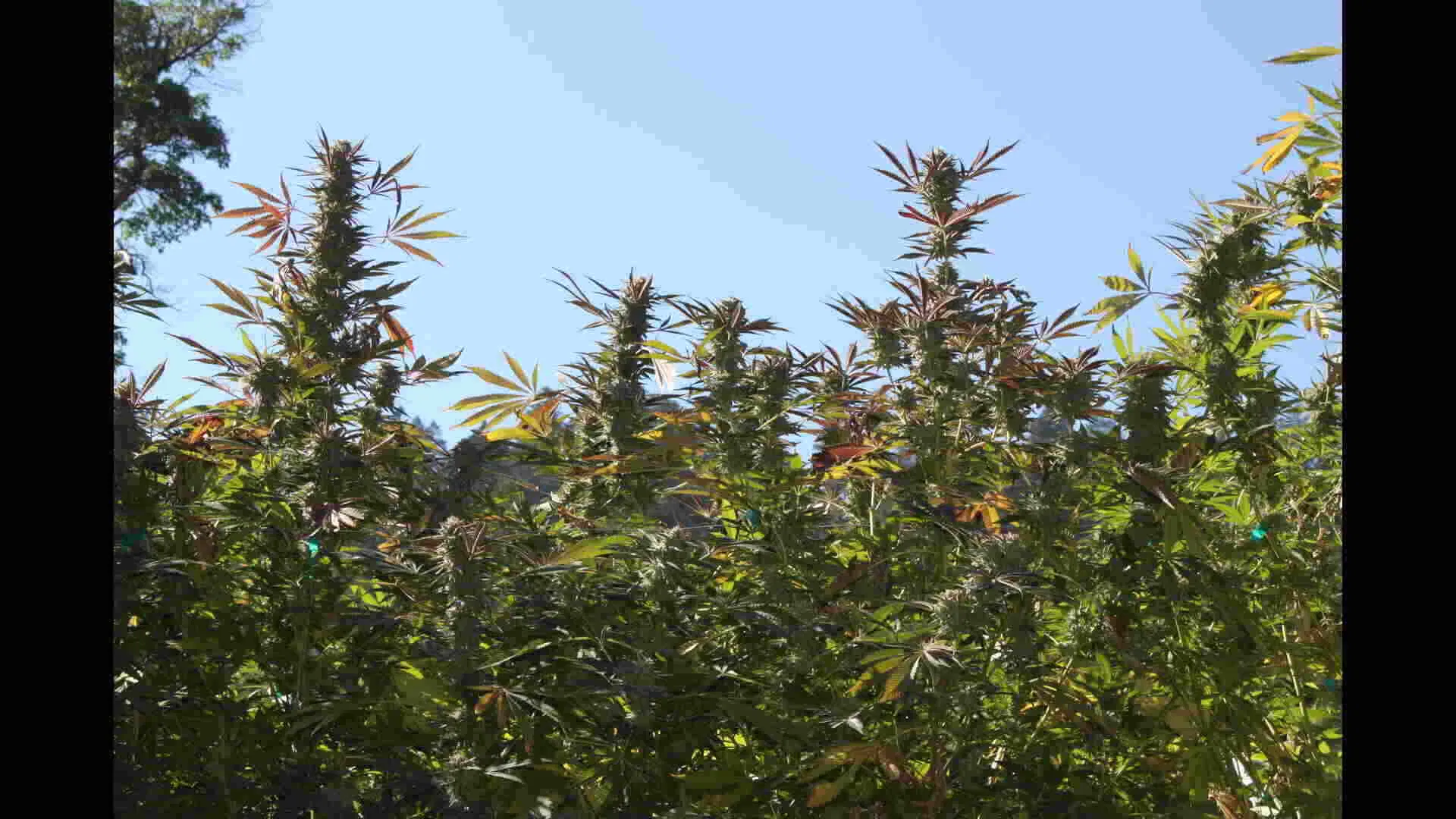
Pheno-hunting (phenotype hunting) in cannabis cultivation is a systematic process where growers cultivate multiple plants from the same genetic line (seeds from the same mother plant or batch) to find individual plants with all desirable traits. Cannabis pheno-hunting is crucial for developing new strains or optimizing existing ones for specific characteristics. For example, a batch of seeds might be high in potency and smell but very weak in immunity, so ‘hunting’ for an individual with the phenotype of enhanced resistance to disease would allow the breeder to include that trait in the cultivar! The variability in phenotypes, even from the same genotype, displays the complexity and plasticity of plant development. Growers engaged in pheno-hunting must precisely observe and document all the variations in the plants, often over many growth cycles, to identify those phenotypes that best express the desired traits under specific environmental conditions. This practice contributes to the diversity and improvement of cannabis cultivars. Also, it provides our understanding of the fascinating relationship between genetics and environment.
Chemotype
A chemotype defines the unique phytochemical profile of a cannabis plant, encompassing an array of compounds such as cannabinoids, terpenes, flavonoids, esters, and sulfur compounds (more listed here). This word has been adopted for understanding the diverse sensory and pharmacological properties of cannabis, distinct from the physical and growth attributes of cultivars or the environmental influences on phenotypes. Two chemotypes may be similar between two cultivars with very different other characteristics. For example, one might be short and stout with few branches, while the other might be long and stretched with many branches. It's important to note the chemotype only details what might be called the essential oil makeup in other species. To make a comparison, basil is rich in flavour and smell profiles. While genetically similar, different basil chemotypes showcase unique essential oil profiles that define their distinct flavors and aromas from cultivar to cultivar. For example, sweet basil is characterized by a high linalool content, imparting a sweet, floral aroma. In contrast, Thai basil is rich in methyl cinnamate, contributing to its spicy, anise-like flavor.
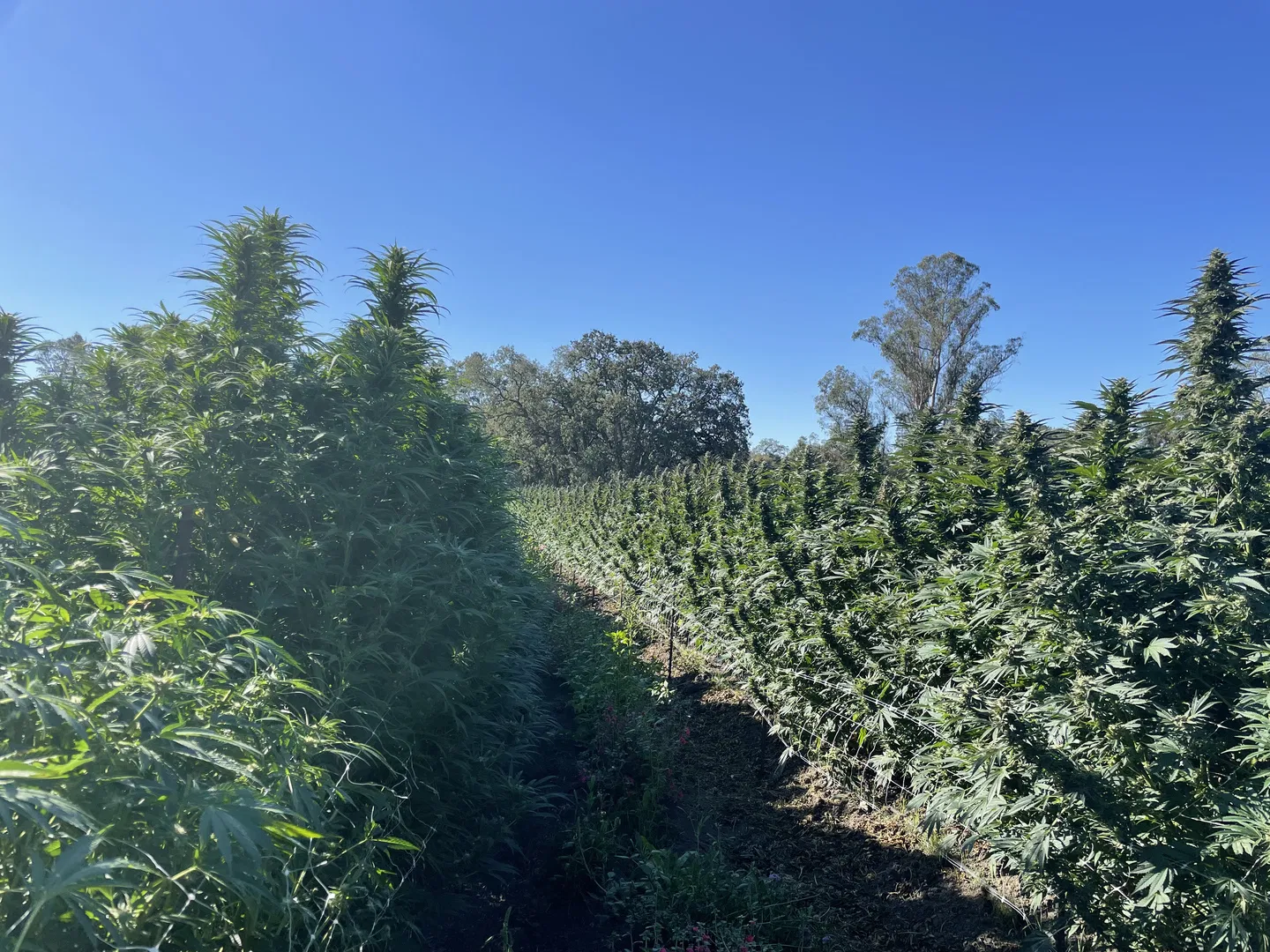
The chemotype is made up of cannabinoids like THC (tetrahydrocannabinol) and CBD (cannabidiol), terpenes such as myrcene, limonene, and pinene contribute to the plant's aroma and may also modulate its therapeutic effects. Flavonoids, including quercetin and kaempferol. Although less commonly discussed, Esters and sulfur-containing compounds also shape the plant's aroma, flavor, and health properties. Identifying a cannabis plant's chemotype is essential for predicting its effects and suitability for various uses. While genetics primarily determine the plant's capacity for producing specific cannabinoids and terpenes, environmental factors also influence this chemical composition. In this sense, the chemotype is part of the phenotype. However, the phenotype includes everything, and the chemotype focuses only on phytochemical production. It has become common for breeders, consumers, and medical practitioners to use this chemical-based classification system to provide an idea of the cultivar's effects. However, a comprehensive understanding of the plant's diverse chemicals and their influences on human biology is severely lacking. Adding a third element to the underlying influences of variance, i.e. genetic and environmental factors.
Cultivars, Phenotypes, And Chemotypes: Conclusion
Understanding that cultivars are defined by their selective breeding, that phenotypes result from the interaction between a plant's genetics and its environment, and that the phytochemical output of the plant characterizes chemotypes, is important for those regularly involved with growing or breeding. Each of these words or concepts plays a vital role in the classification, cultivation, and utilization of cannabis plants, contributing to the rich diversity found within this species. An in-depth understanding of these concepts is essential for growers, breeders, and researchers. It allows for easier communication and informed decisions in breeding programs, cultivation methods, and ultimately, any production of cannabis and its products, especially to meet specific cultural, therapeutic, and market demands. If you didn’t know, now you know!!