


The cannabis plant is renowned for its rich repository of chemical compounds, notably cannabinoids, demonstrating a spectrum of psychoactive and therapeutic properties. Herein lies the true magic of the plant; a wealth of pharmacological benefits resides within each compound, which, upon interaction with the human endocannabinoid system, can work to provide an array of effects, from getting you high to improved well-being. Scientific exploration into cannabinoids highlights the complexity and potential applications in medicinal contexts. It demands a closer examination of the most prevalent variants: THC, THCA, THCV, CBD, CBN, CBG, CBC, and CBDV.
The mighty cannabis plant synthesizes cannabinoids, which are secondary metabolites, through complex biological processes known as biosynthesis pathways. This synthesis is rooted in the foundational building blocks of plant biochemistry: terpenes and sterols.
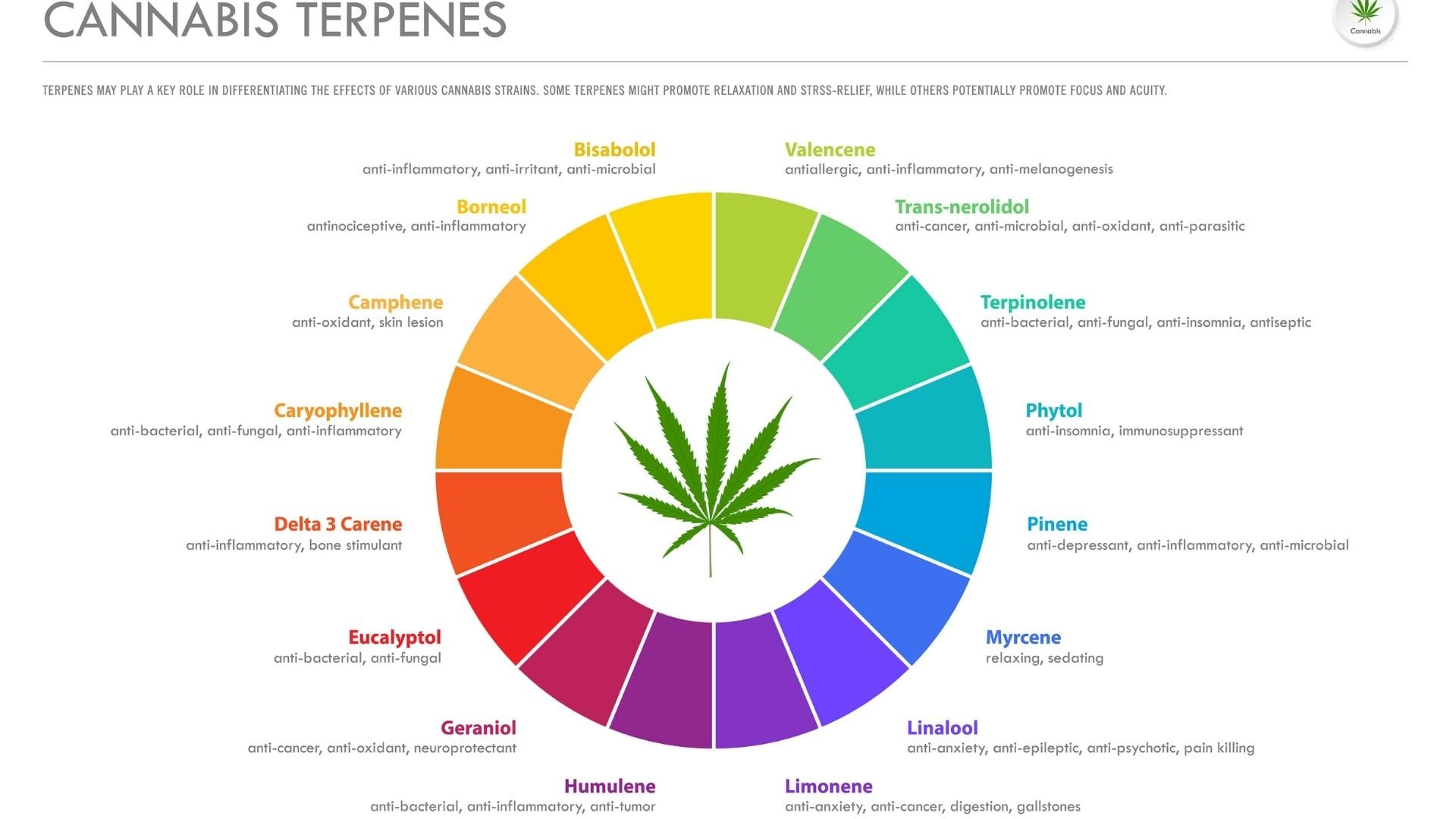
Terpenes are organic compounds found in many plants and are responsible for their distinct aroma. In cannabis, terpenes not only influence the plant's scent but also play a pivotal role in the biosynthesis of cannabinoids. They serve as precursors in the synthesis process, laying the groundwork for the formation of these therapeutic compounds.
Sterols, on the other hand, are essential components of plant cell membranes. They help maintain cell structure and fluidity. While their direct role in cannabinoid synthesis might not be as prominent as terpenes, sterols are vital in the broader scope of plant biochemistry. They are precursors to complex molecules, including some esters and cannabinoids.
As the plant matures, the synthesis process begins with the production of precursor molecules, driven by enzymes – proteins that speed up chemical reactions in the plant. These precursor molecules undergo a series of changes through enzymatic reactions, gradually transforming into cannabinoids. The two main precursors in the cannabis plant are olivetolic acid and geranyl pyrophosphate. When these two compounds merge, they produce cannabigerolic acid (CBGA), often termed the "mother of all cannabinoids." From CBGA, with the help of specific enzymes, the plant can create various cannabinoids, such as THC, CBD, and CBC.
The spark of interest in these peculiar molecules is no recent affair; they have fascinated and mystified scientists, medical professionals, and casual enthusiasts for decades. Indeed, if you want to deepen your understanding of the true potential of cannabis or expand your relationship with the plant, a broader knowledge of cannabinoids is a must. In our journey today, we’ll take a magnifying glass to the cannabis plant to explore some of the most celebrated cannabinoids, examining their diverse profiles and understanding how they can interact with our bodies.
To this point, scientists have successfully isolated well over 100 cannabinoids, and to take a close look at each would require weeks. For this reason, we’ll take a selective look at only some of the most prevalent treasures the green behemoth has to offer.
THC (Tetrahydrocannabinol)
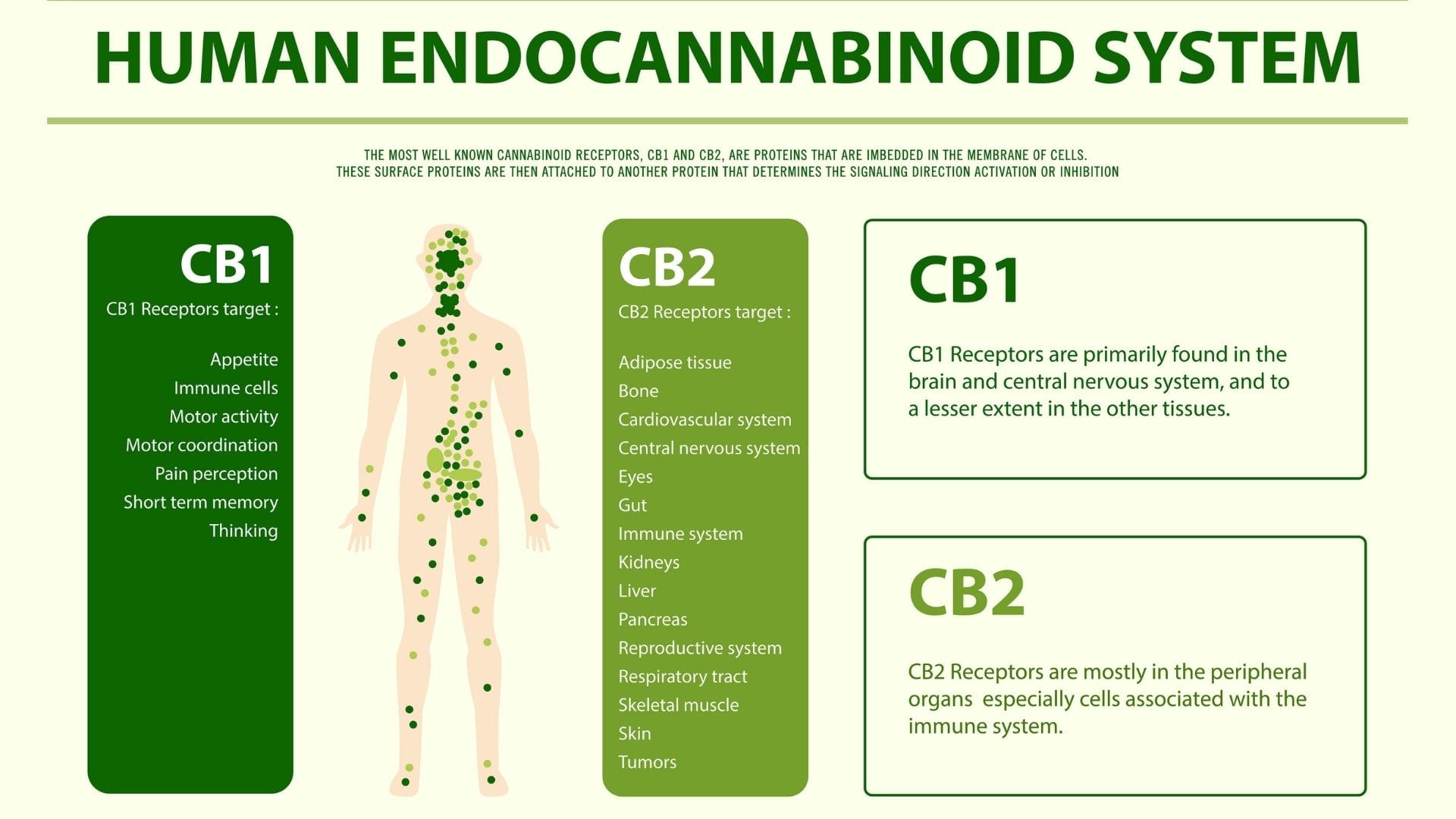
Unquestionably the most famed and mischievously playful cannabinoid, notorious for inducing the “high” attributed to cannabis, THC is also the primary cannabinoid of the plant. This psychoactive substance unleashes its dazzling talents when it interacts with the endocannabinoid system in the human body. More specifically, it binds with the CB1 receptors in our brain, bringing feelings including euphoria, altered perception, and occasionally, a severe case of the munchies.
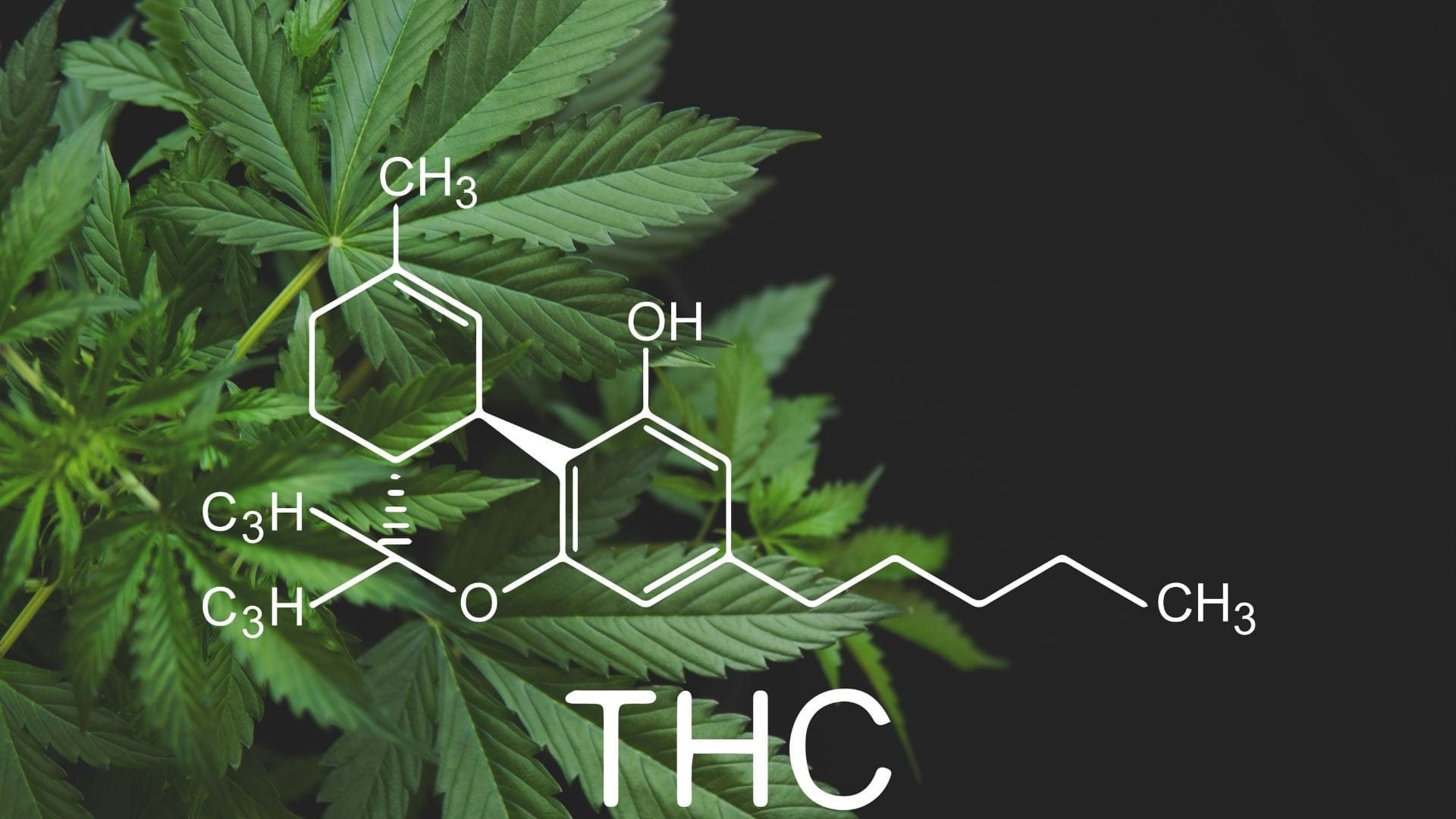
Medicinally, THC can be smoked, vaped, ingested via edibles or taken via various other means, such as tinctures and oils. It can act as an analgesic (pain relief) and anti-inflammatory while also possessing anti-emetic and appetite-stimulating properties (the aforementioned munchies) that can be greatly beneficial when tackling certain conditions. It is currently taken for a range of conditions, including (but not limited to) glaucoma, PTSD, anxiety disorders, chronic pain and insomnia, while also an option for some dealing with the side effects of chemotherapy. The discovery of these and other benefits has helped propel cannabis forward as a treatment for many ailments while also going a long way in helping reverse prohibition in many parts of the world.
THCA
Tetrahydrocannabinolic Acid (THCA) predominantly exists in raw cannabis and is reported to be non-psychoactive. Once subjected to decarboxylation (in other words, heated), it undergoes a chemical conversion to produce Δ9-tetrahydrocannabinol (THC) and only then becomes psychoactive. This transformation involves the removal of a carboxyl group from THCA, facilitated by applying heat, thereby altering its ability to interact with endocannabinoid receptors in the human body.
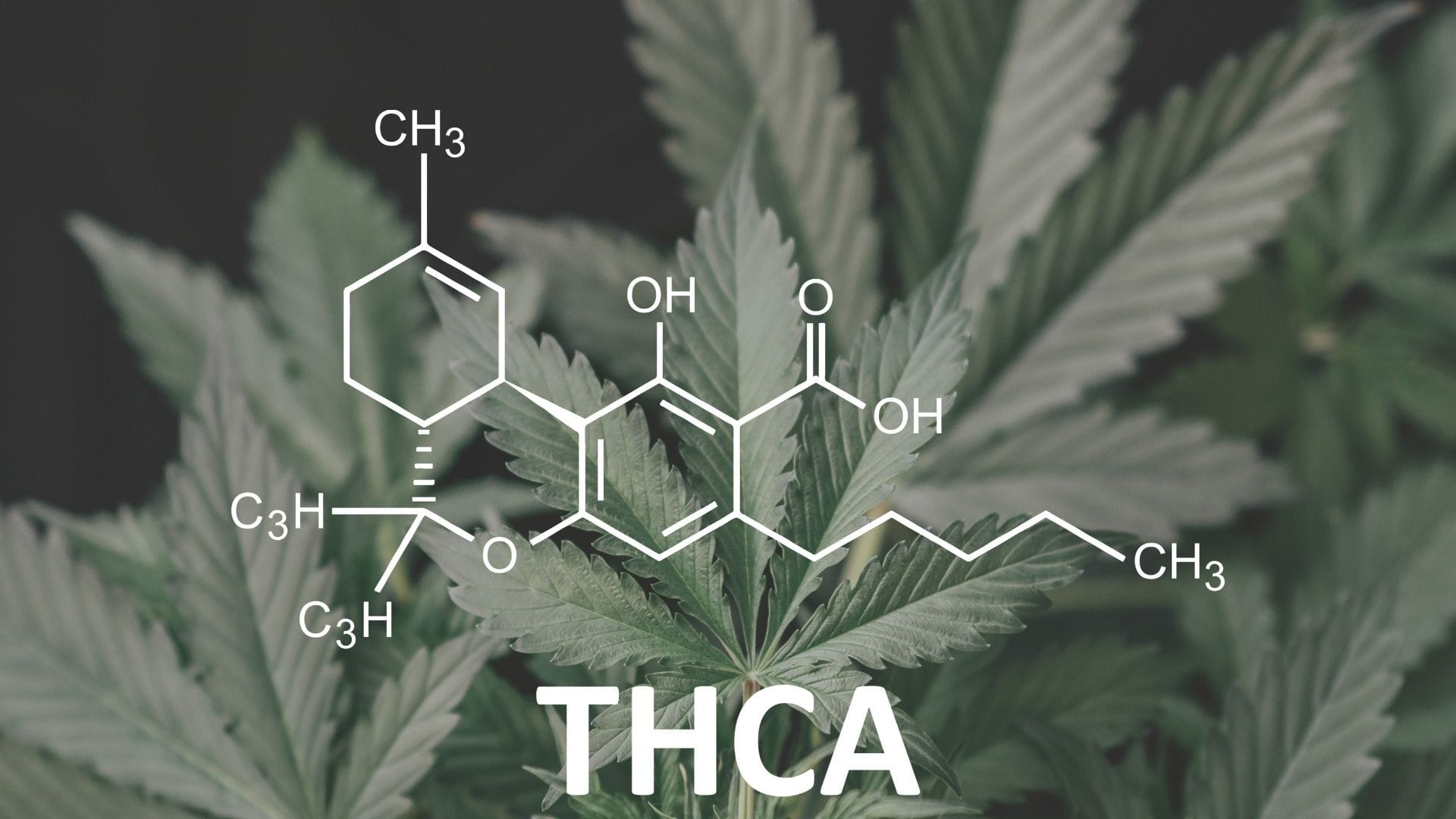
THCA offers its benevolence through potential anti-inflammatory, neuroprotective, and anti-emetic properties. While research is still budding, THCA is often appreciated by those seeking therapeutic benefits without a psychoactive journey. It can be experienced through means such as the juicing and subsequent ingestion of cannabis flower in its raw form.
THCV
Tetrahydrocannabivarin (THCV) is a distant cousin of THC and is still relatively lesser-known to many recreational users. However, THCV presents a fascinating blend of effects. Initially, at lower doses, it may not induce a euphoric state, but higher concentrations might stimulate the brain’s CB1 receptors, offering a unique, clear-headed, and energetic high. It’s been called the "skinny cannabinoid" due to its appetite-suppressing prowess, with strains high in this compound often affectionately dubbed “diet weed”. THCV is also under the research spotlight for potential applications in treating medical conditions such as type 2 diabetes and panic disorders.
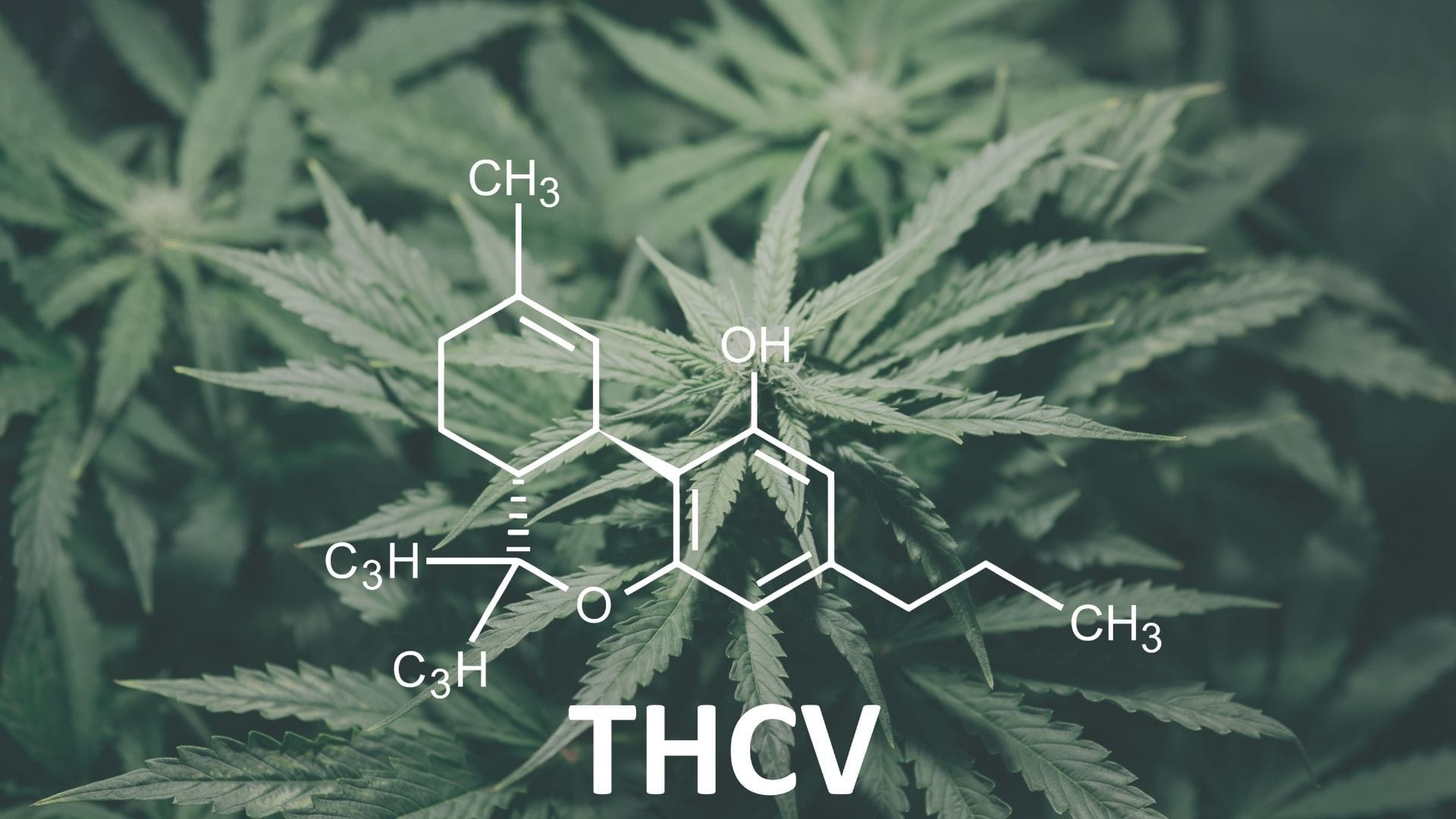
Testing of this cannabinoid has been less prevalent until recently, but preliminary examinations suggest this compound demonstrates biphasic properties, acting as a CB1 antagonist at lower concentrations and a CB1 agonist at higher concentrations. Explorations into THCV's appetite-suppressing and anti-obesity effects are substantiated by its interaction with the CB1 and CB2 receptors, suggesting a potential for application in metabolic and weight management therapies.
CBD
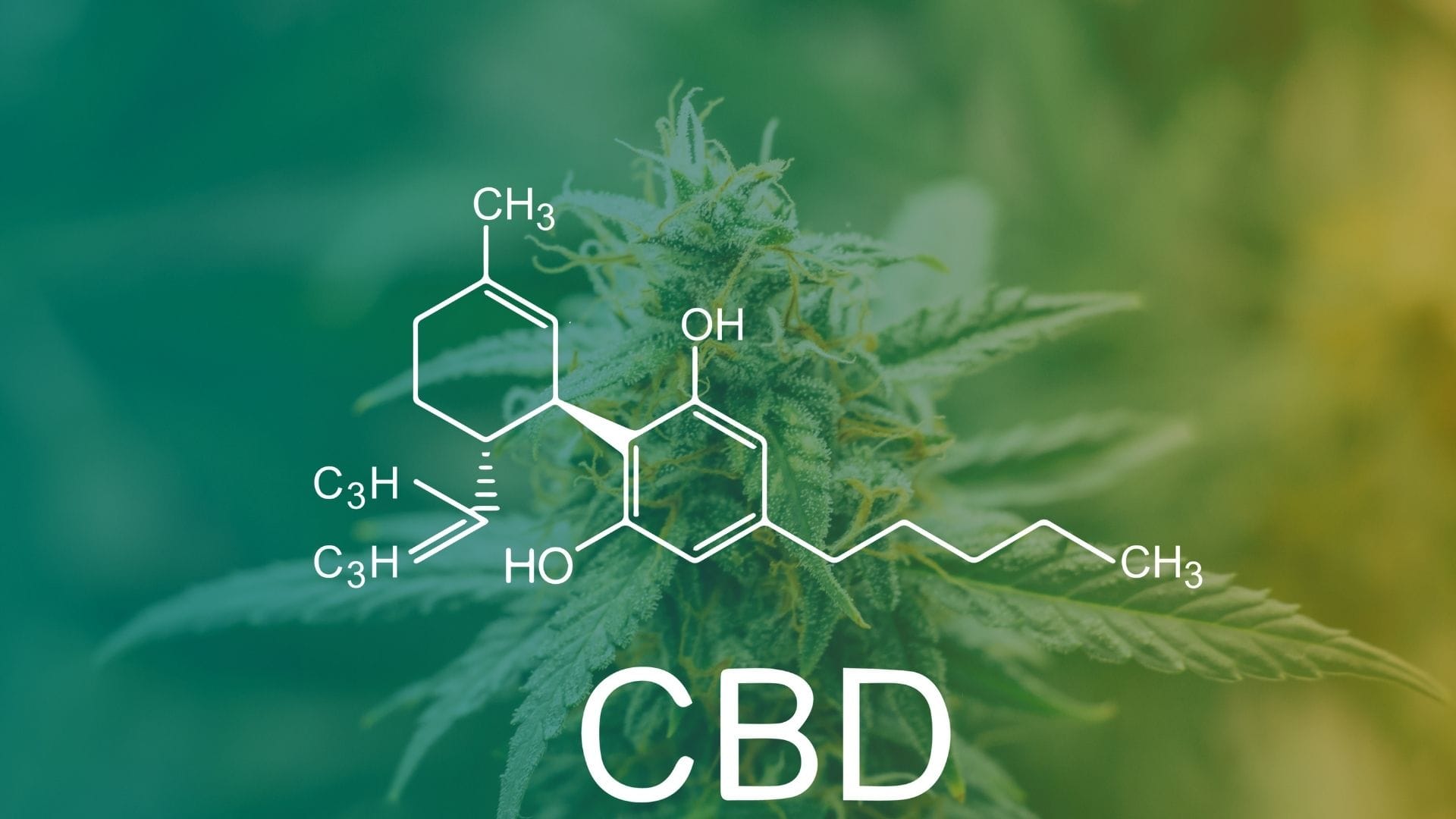
CBD, or cannabidiol, is considered the second-most prevalent cannabinoid of the cannabis plant. A non-psychoactive cannabinoid, it possesses a pharmacological profile that includes anti-anxiety, antipsychotic, and neuroprotective properties, to name but a few of the great many. A study published earlier this year found that CBD can reduce instances of seizures in treatment-resistant forms of epilepsy.
Unlike THC, CBD demonstrates low affinity for CB1 and CB2 receptors and can act as an antagonist at these sites at specific concentrations, modulating the overall effects of other cannabinoids, such as mitigating the psychoactive effects of THC. Varieties of cannabis containing higher amounts of CBD in proportion to THC are often described as delivering noticeably less impairment than those with lower concentrations of CBD yet still provide the type of relaxative effect many seek from cannabis.
CBD-based cannabis products have taken off in recent years and are now considered far more mainstream. Oils, gummies and edibles, drinks, capsules, lotions, sprays and more are now widely available, with many high-street health stores keeping CBD products as part of their health and wellbeing range.
CBN
Cannabinol (CBN) emerges as THC degrades with age, presenting itself as a mildly psychoactive cannabinoid known for its ability to help facilitate sleep. When growing cannabis, it’s said that a higher ratio of CBN can be achieved by delaying harvest a little longer until plant trichomes are most turning amber/brown.
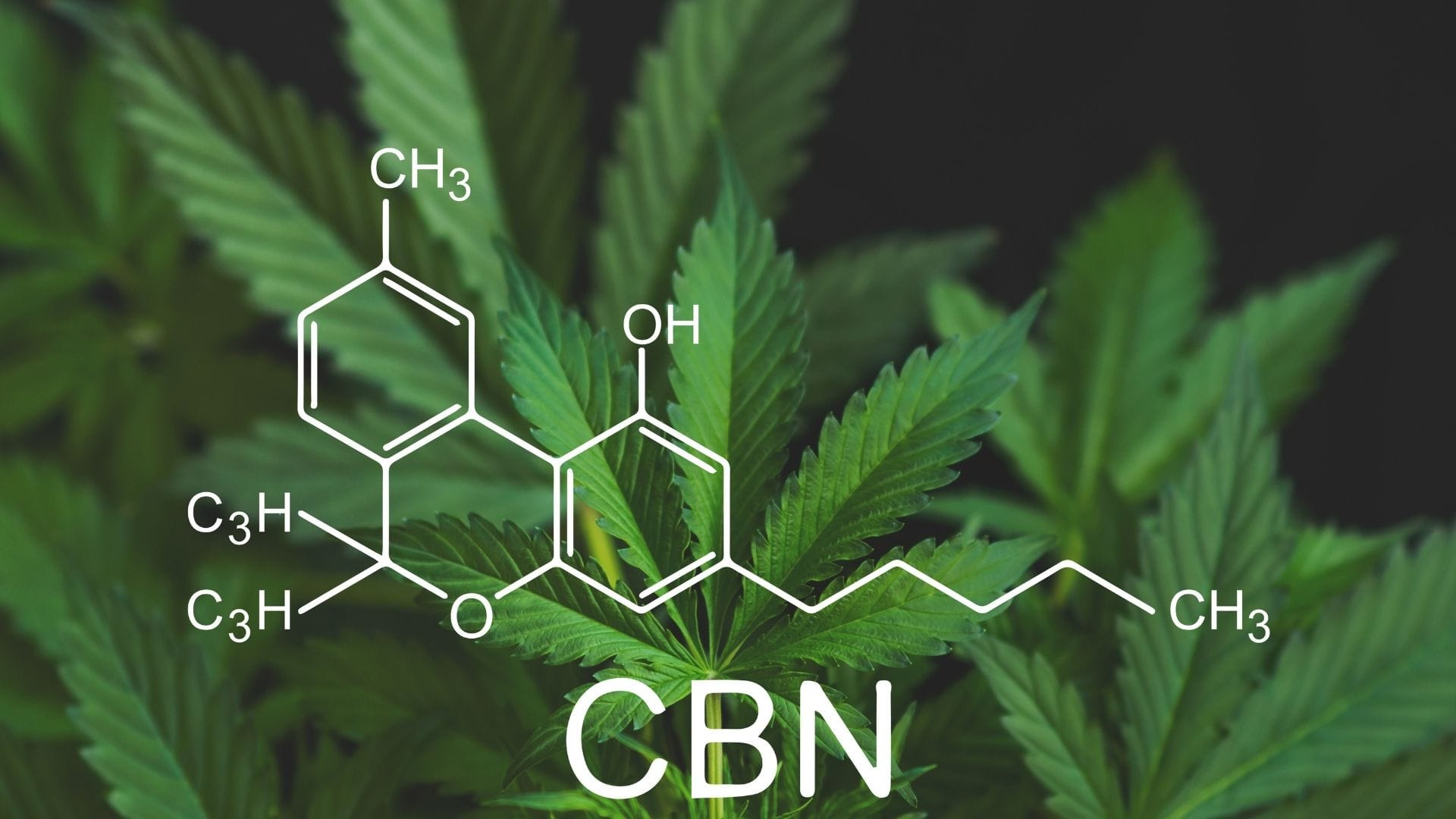
The potential sleep-inducing properties of CBN have propelled it into cannabinoid stardom among those who wrestle with restlessness and seek a better quality of sleep. Research points to CBN's potential medicinal relevance in therapeutic contexts due to its observed effects, including potential anti-inflammatory and antibiotic properties.
CBG
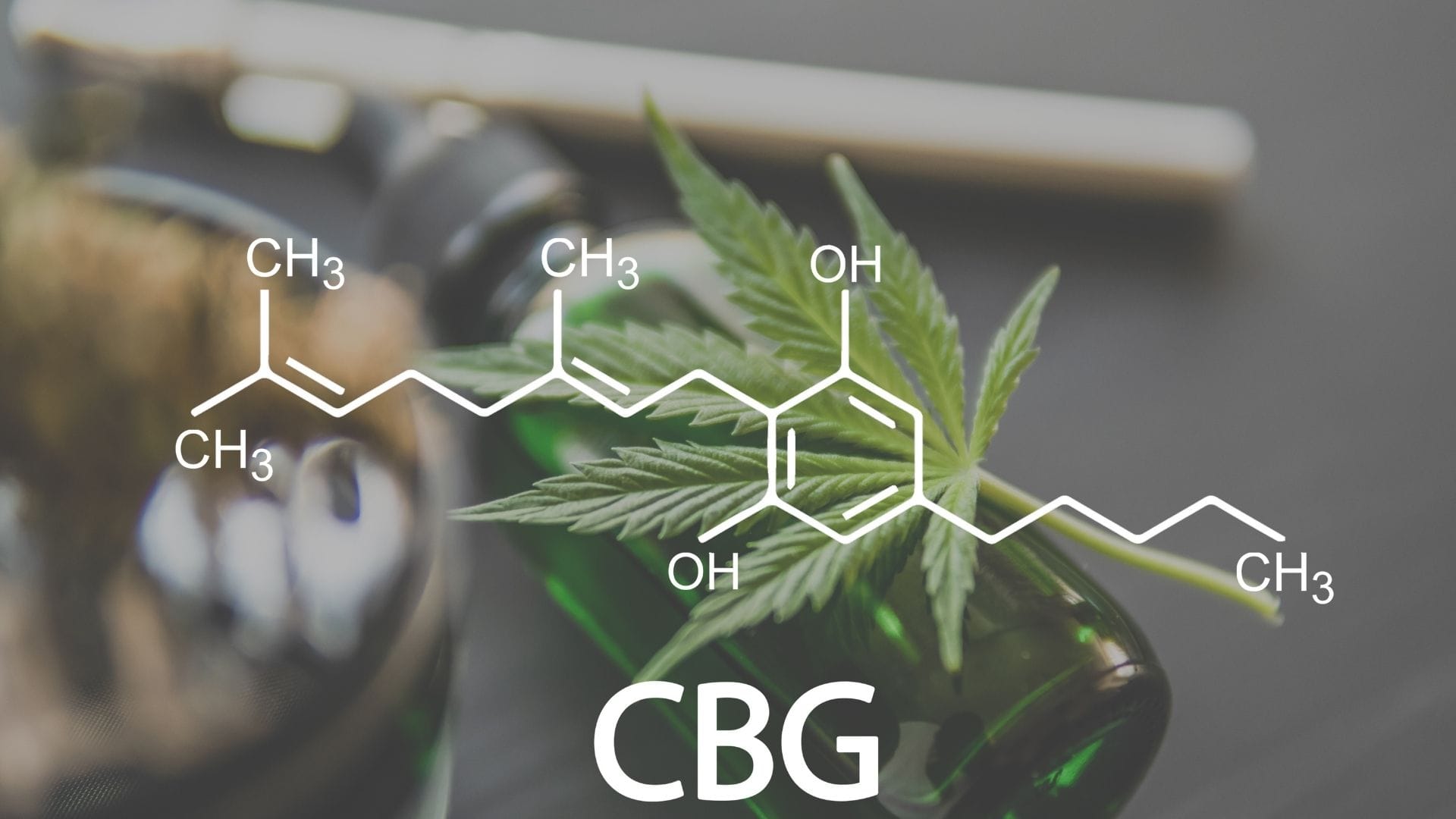
Cannabigerol (CBG) is integral in the biosynthesis of other cannabinoids. Regarded as a precursor to THC, CBD, and CBC, it exhibits a multitude of potential therapeutic applications involving anti-inflammatory, neuroprotective, and anti-cancer properties. The interaction of CBG with specific receptors, such as CB1, and its modulation of various physiological mechanisms warrants further scientific exploration and clinical verification. Research is blossoming, exploring CBG's potential in managing pain, nurturing neurons, and perhaps even battling malignancies.
CBC
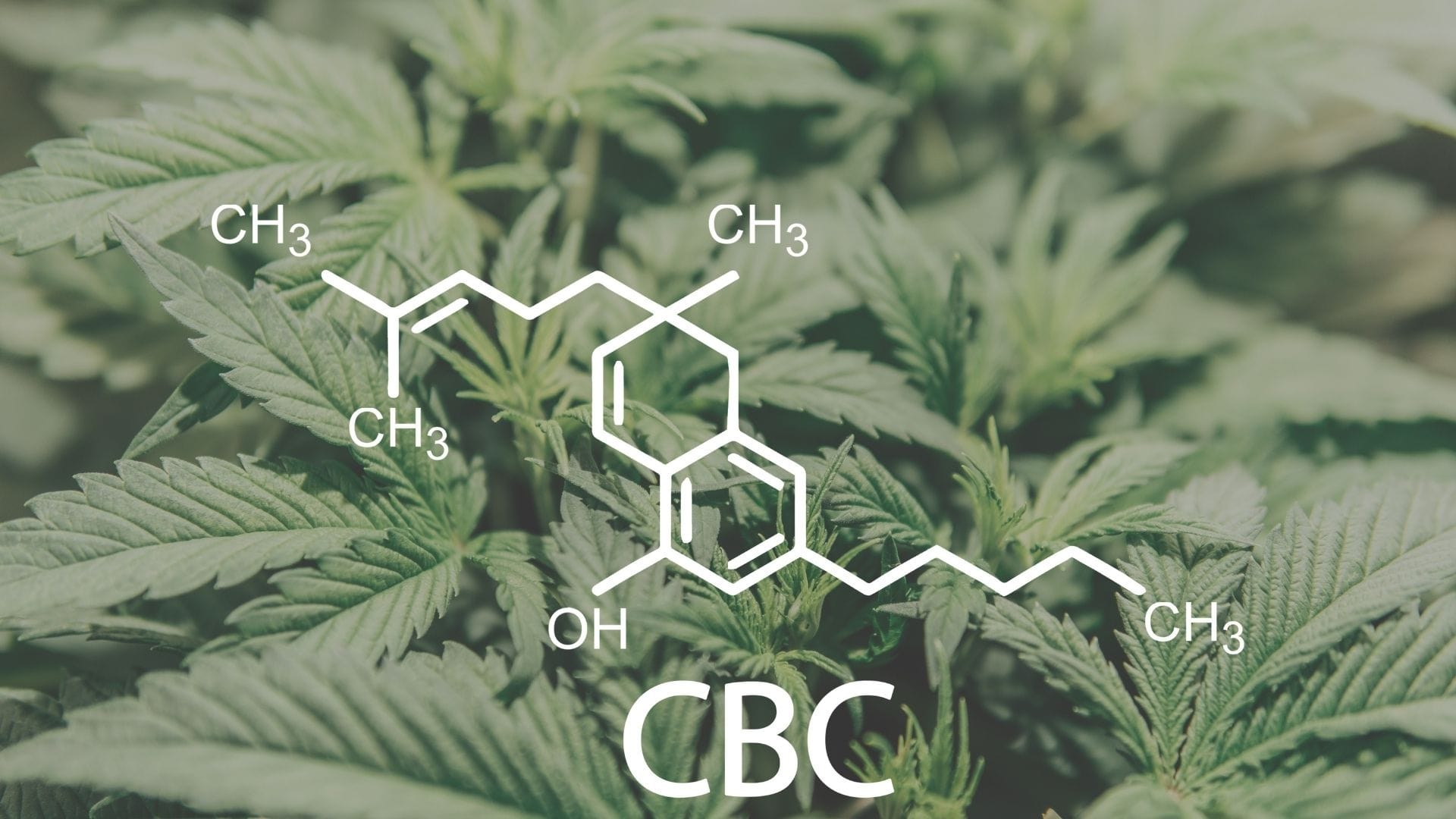
Cannabichromene (CBC) is another lesser-known cannabinoid with superstar potential. Like CBD, it’s non-psychoactive and is generously present in fresh cannabis – in fact, it’s the third most prominent cannabinoid in cannabis. CBC potentially offers anti-inflammatory and anti-depressant effects, gently stimulating the endocannabinoid system and acting through non-cannabinoid receptors to confer its possible benefits. It could be as much as ten times more effective than CBD in treating stress and anxiety, according to a paper published by Ethan B. Russo on cannabinoids in the management of difficult-to-treat-pain.
CBDV
Despite its structural similarity to CBD, cannabidivarin (CBDV) has recently garnered attention due to its distinct pharmacological profile and therapeutic potential in neurology and other medical fields. Pre-clinical studies suggest that CBDV may possess antiepileptic, anti-nausea, and anti-inflammatory properties, indicating a therapeutic utility across various disorders. Most notably, the antiepileptic potentials of CBDV have been investigated in both in vitro and in vivo models, demonstrating a capability to reduce both seizure incidence and severity.
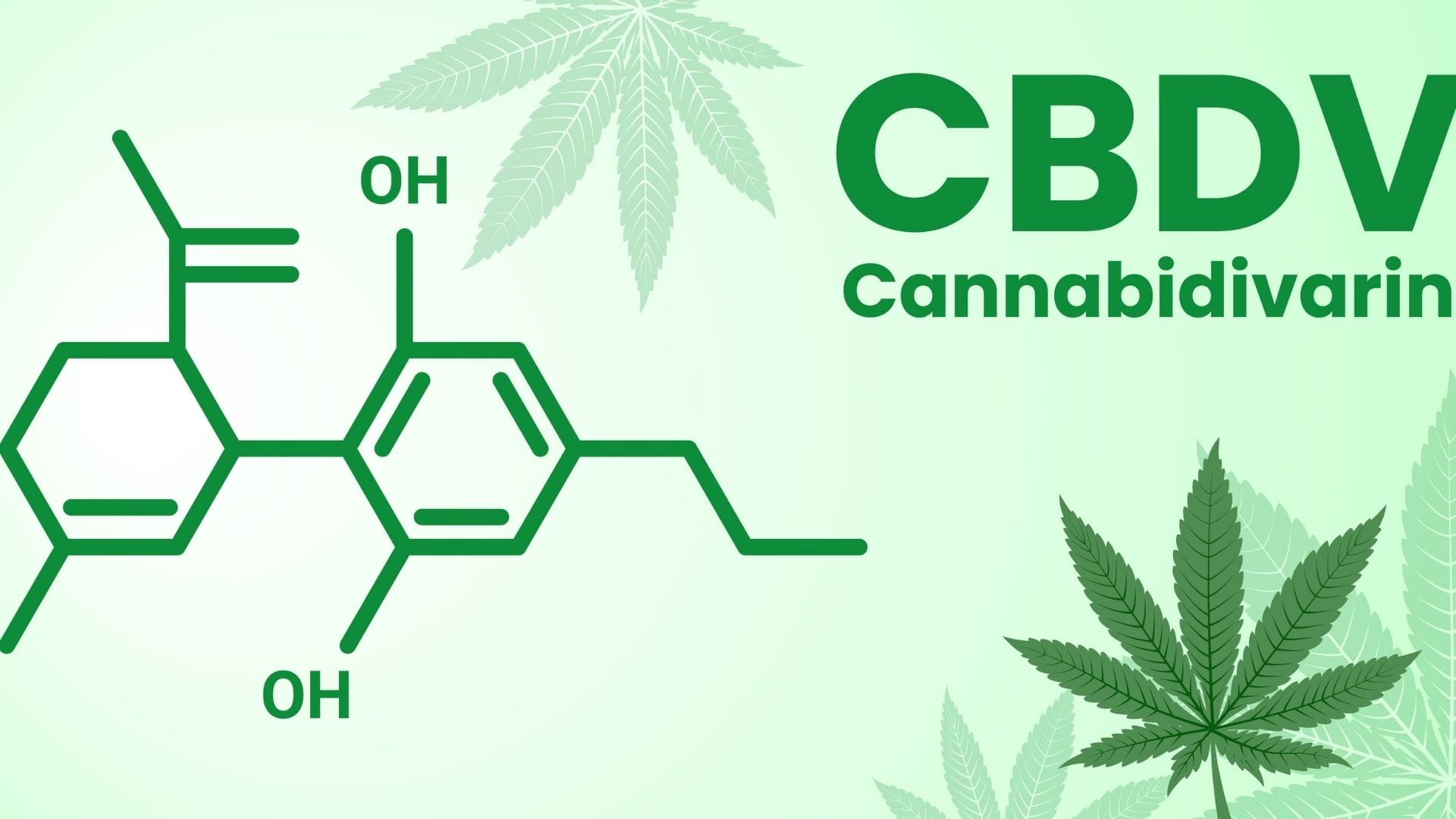
Similarly, research on animal models indicates that CBDV could exert anxiolytic effects, presenting an avenue for further exploration of anxiety-related disorders. While the underlying mechanisms through which CBDV exerts its effects remain under investigation, initial studies suggest it operates, at least in part, through modulation of the endocannabinoid system without engaging CB1 and CB2 receptors directly.
In Conclusion
With over 400 chemical entities, the cannabis plant has many treasures hidden within its buds. As research begins to snowball, we stand at a significant point in history where we can at last begin to have a deeper understanding not only of the effects of cannabis but also the possibilities for recreational and medicinal use of cannabis. While we still await the findings of research into many of these, we are fortunate to have a wealth of information at our disposal on the main cannabinoids listed above, making choosing the right cannabis for our needs more straightforward than ever before.
Medical dispensaries are taking advantage and can more aptly tailor prescription buds to the needs of the individual, with cannabis indica and cannabis sativa strains providing different comfort to different ailments. The nuances of each strain, and the entourage effect of cannabinoids working in synergy within the body make it easier to treat patients with specific, pinpointed cannabis prescriptions. And the best may yet be to come.
3 Strains On Seedsman To Explore Different Cannbinoids:
If this article has whet your appetite and you want explore outwith the realms of THC and CBD, here are three unique strains we offer that will allow you to do just that.
CBDV 1:1 Auto
High in cannabidivarin and cannabidiol, low in THC: That's how best to sum up Seedsman's CBDV 1:1 Auto. This pine-scented wonder is non-psychoactive, yet still offers soothing relief thanks to the high concentrations of other cannabinoids. Better yet, it's autoflowering, so it's ready to harvest in 9-10 weeks from seed.

Diet Durban THCV 1:1
High in THCV and THC, Diet Durban THCV 1:1 will still get you high, but it's a more lucid and stimulating effect. Flora and piney-scented with notes of aniseed and citrus, Diet Durban THCV 1:1 is a truly uniue strain with appetite-suppressing qualities, that flowers in 9-11 weeks.
CBG Relief Auto
Producing high amounts of cannabigerol with virtually no THC or CBD, CBG Relief Auto is completely legal in many countries* Its autoflowering status means it goes from seed to harvest in just 8-10 weeks, allowing you to explore the benefits of CBG and its positive effects on well-being, without the wait of a photperiod strain.


*Always check local laws before buying, growing, or using cannabis products
