
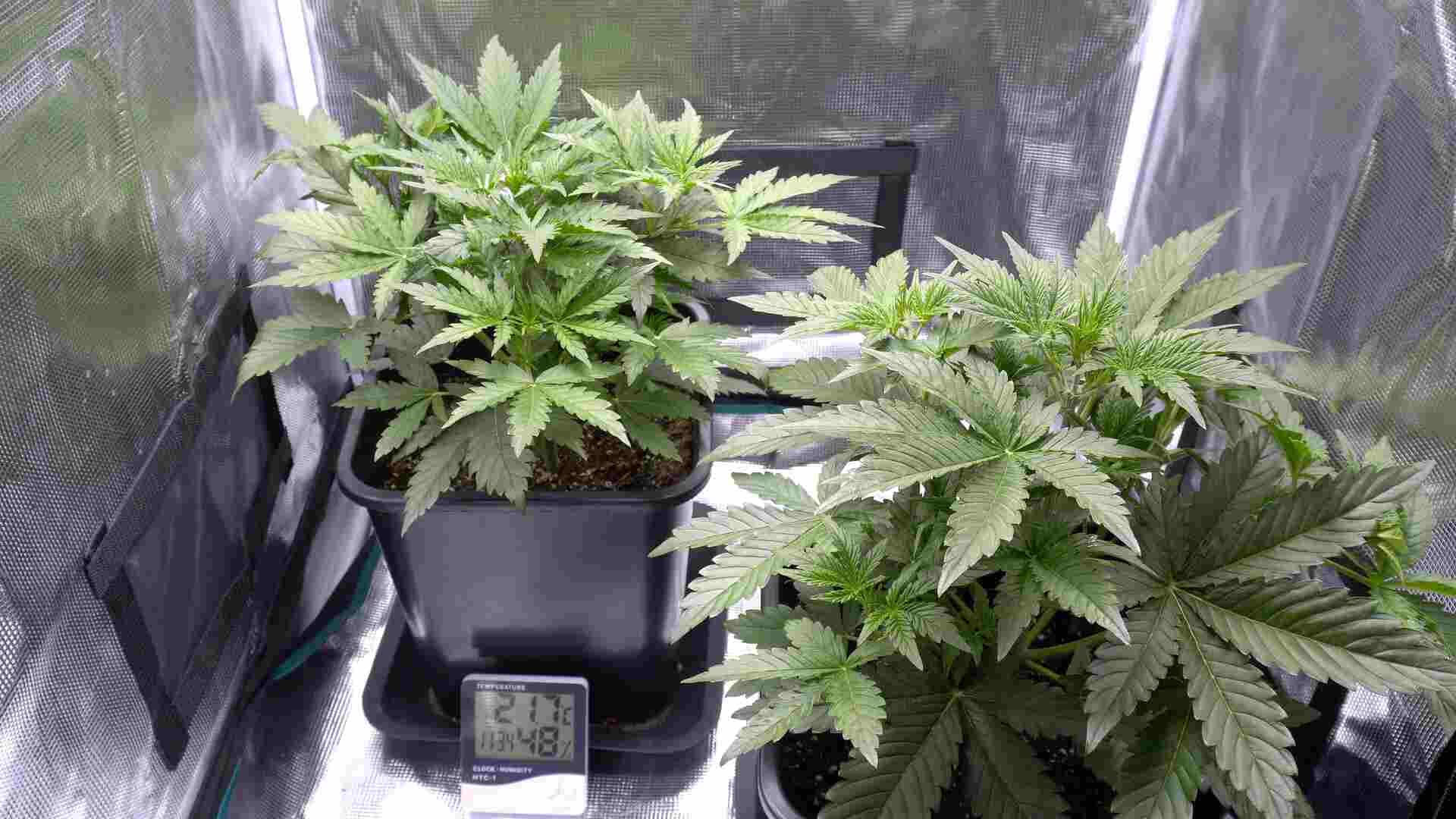

Winter has arrived. The mornings are frosty, the evenings are pitch black by half past four, and the dog won’t go out unless bribed with a biscuit. For most gardeners, this is the time of year when everything slows down – but if you’re learning how to grow cannabis indoors, cold weather doesn’t have to bring your plans – or plants – to a halt. In fact, with the right setup, winter can be one of the easiest seaons to manage an indoor grow. Cooler ambient temperatures give you more control, your grow lights do half the heating for you, and you’re not fighting the sweltering heatwaves that turn lofts into makeshift saunas.
Still, cold weather brings its own challenges. Cannabis is hardy, but it’s not a fan of prolonged cold stress. If your grow space dips too low, you’ll see slower growth, reduced yields, and in extreme cases, plants that simply give up the ghost. The good news? With the right tent setup, you can create a warm, stable micro-climate even when it’s freezing outside.
Let’s break down exactly how to grow cannabis indoors when woeful winter is doing its worst.
How Cold Weather Harms Cannabis Plants

Cold stress affects all plants, but cannabis is particularly sensitive – especially during early growth. Low temperatures slow metabolic processes, reduce nutrient uptake, and interfere with photosynthesis. Several peer-reviewed studies back this up. A 2022 study from Cornell University found that cold temperatures significantly affected cannabis physiology, including cannabinoid production and overall plant tolerance. While the research focused on hemp, the physiological responses are shared across Cannabis sativa.
More broadly, plant science research consistently shows that low temperatures reduce growth rates, damage cell membranes, and impair vital photosynthesis. A 2024 review in Plant Growth Regulation notes that cold stress leads to reduced crop yields, lower quality, and in severe cases, plant death. Another study examining low-temperature stress in rice – a different species, sure, but with correlatable stress responses – found that cold conditions disrupted chloroplast structure and reduced photosynthetic effiency. But what does that mean in simple terms for weed cultivators like you?
In practical terms, cold weather can cause:
- Slowed growth of cannabis plants
- Nutrient lockout, especially calcium and magnesium
- Purple stems and leaves (sometimes pretty, but usually a stress signal)
- Stunted root develeopment
- Lower yields dues to reduced photosynthesis and energy production.
Not fun. Cold roots are especially problematic. Even if your tent air temperature is acceptable, a cold floor can chill the root zone and cause the plant to behave as though it’s in a cold snap.
This is why a proper winter grow setup matters – and why learning how to grow cannabis indoors in cold weather is all about controlling the environment. Master that, and you master the bud.
Choosing The Right Location For Your Grow Tent

Before you think about equipment, you need to choose the right spot for your tent. In winter, this one decision can make or break your entire grow. It’s a decision to take seriously.
Avoid unheated spaces
Lofts, garages, sheds, and conservatories are classic grow locations – but they’re also classic winter cold spots. These spaces can drop below freezing overnight, and no amount of grow lights will compensate.
Choose a room inside the insulated envelope of the house
The best places to situate a winter grow tent are:
- A spare bedroom
- A cupboard under your staircase
- A walk-in wardrobe
- A corner of a heated room
Anywhere that stays above 10°C even on the coldest nights is workable.
Keep the tent off cold floors
If you’re on a concrete floor, you’ll want insulation underneath the tent. Pop to your local hardware outlet and pickup a simple layer of foam board, carpet underlay, or even a thick rug to prevent that root-zone chill.
Selecting the Right Grow Tent for Cold Weather

Not all tents are created equal. When learning how to grow cannabis indoors in winter, a key principle is choosing a tent that helps retain heat rather than leak it.
Look for:
- Thick canvas (600D or higher) - thicker material traps heat better and reduces drafts.
- Strong Metal poles - winter grows often involve hanging heaters, extra fans, or heavier LED fixtures
- Double-stitched seams and quality zips - cheap tents leak heat like an 1980s Subaru leaks oil.
- A size that matches your heating capacity - bear in mind bigger tents are harder to keep warm. For winter, 60x60cm or 80x80cm tents are ideal for a simple home grow.
Essential Equipment for a Winter Indoor Grow
Once your tent is chosen, it’s time to fill it with the right gear for the job – and the conditions. Winter growing is all about stability, keeping temperatures in the sweet spot at 20-26°C during lights-on and no lower than 16-18°C during lights-off.
Here‘s what you’ll need:
LED Grow Lights (Your Primary Heat Source)

Modern LEDs run cooler than old HPS lamps, but they still produce enough warmth to help heat a small tent. In winter, this is a blessing.
Choose a full-spectrum LED with:
- A dimmer
- A solid driver
- Good efficiency (2.5 μmol/J or higher)
A Small, Safe Tent Heater
A compact oil-filled radiator or ceramic heater with a thermostat is ideal. Avoid fan heaters like the plague unless you enjoy dry air and electricity bills that make you weep, Set the thermostat to maintain a minimum of 18°C during lights-off.
An Inkbird or Similar Temperature Controller
This is your winter grow Man of the Match. Plug your heater into the controller, set your minimum temperature, and let the device take care of it from there. It prevents overheating and keeps your tent stable.
Insulated Ducting

Standard ducting loses heat quickly. Insulated ducting helps maintain temperature and prevents condensation – a common issue in winter months.
A Quality Extractor Fan with Speed Controller
You still need airflow in winter, but not at full blast. A fan controller lets you reduce extraction so you’re not sucking all the warm air out of the tent.
A Hygrometer/Thermometer
Winter temperatures fluctuate wildly. A device that records highs and lows helps you spot problems before they become disasters, so choose one with a minimum/maximum memory.
How To Set Up Your Grow Tent For Cold Weather

Now let’s put everything together. This is where the “how to grow cannabis indoors” magic happens.
Step 1: Insulate the Tent Base
Remember: Cold floors are the enemy. Underneath your tent, place either:
- Foam insulation board
- Carpet underlay
- A yoga mat
- Or even a thick rug
This will keep your root zone warm and stable – an absolute necessity when you’re growing cannabis indoors in winter.
Step 2: Position the Tent in a Warm, Stable Room
Avoid external walls if possible. A corner of a heated room is ideal. If you live in a draughty old Victorian terrace, try to position the tent away from windows and radiators.
Step 3: Install Your LED lights and Keep the Driver Inside the Tent
Hang the LED at the recommended height (check those instructions), In winter, keeping the driver inside the tent adds a few degrees of warmth – this may seem small, but it's significant.
Step 4: Set Up Your Heater and Temperature Controller
Place the heater outside the direct airflow of your extraction fan. You want the warm air to circulate, not get sucked straight out.
Set your controller to:
- 18°C minimum
- 24°C maximum (to prevent overheating on milder days)
Step 5: Adjust Your Extraction Fan for Winter
Run your extraction at a lower speed. You still need fresh air, but you don’t want to pull all the heat out.
A good rule of thumb for winter is:
- Lights on: 30-50% fan speed
- Lights off: 20-30% fan speed
This keeps CO2 levels fresh without turning your tent into a wind tunnel that strips away precious warmth.
Step 6: Monitor Humidity Closely
Cold air is dry air. In winter, relative humidity can plummet, leaving your plants gasping. Cannabis prefers 40-60% RH during veg and 40-50% during flowering. If your hygrometer shows desert-like conditions, a small humidifer can help.
Conversely, if condensation builds up (common in UK winters), you may need to increase airflow slightly to prevent mould.
Step 7: Warm the Root Zone
Roots hate the cold. Even if your tent air temperature is fine, cold pots can stunt growth. Consider the possible solutions:
- Raising pots off the floor with stands or bricks
- Using fabric pots (they warm faster than plastic)
- Adding a seedling heat mat under trays for young plants
Keeping roots cosy is one of the most overlooked aspects of how to grow cannabis indoors successfully in winter.
Extra Tips For Winter Growing

Use the Lights To Your Advantage
Run your lights during the night rather than the day. This way, the tent is warmest when the house is coldest, and you avoid spikes in electricity demand during peak hours.
Seal all Drafts
Old houses are notorious for draughts. A simple draught excluder under the door can prevent your grow room from losing heat.
Think About Odour Control
Cold weather means closed windows and less ventilation. Cannabis is notoriously aromatic, especially during peak flowering. Make sure your carbon filter is fresh – nothing gives away a grow faster than a whiff of skunky air drifting through the hallway.
Budget For Energy
All those heaters, lights, and humidifiers soon add up. Winter grows can be more energy-intensive, so factor this into your planning. A small, well-insulated tent is often more efficient than a sprawling setup.
Managing Plants Through Veg and Flower in Cold Weather
One thing worth touching on – because it catches a lot of winter growers off guard – is how cold weather affects different stages of growth. Seedlings, vegging plants, and flowering plants all react differently to low temperatures, and knowing what to expect makes the whole process easier.
Young plants are the most vulnerable. Seedlings simply don’t have the root mass to regulate themselves, so they feel every dip in temperature. If you’re starting new plants in winter, keep them in a warmer part of the house for the first week or two. A small propagator with a gentle heat mat underneath works wonders here. Once they’ve developed a decent root system, they can handle the move into the main tent without sulking. These tips can help you master the seedling stage.
Vegetative plants are a bit tougher, but they still slow down noticeably if the tent drops too cold. You’ll see tighter internodes, slower leaf development, and a general reluctance to stretch. Some growers like this – it keeps plants compact - but if the temperature dips too far, growth can stall entirely. Keeping the root zone warm and maintaining a steady lights-on temeprature is the key to avoiding that “frozen in time” look.
Flowering plants, meanwhile, are at the stage where consistency matters most. Cold nights can cause dramatic colour changes, which looks great on your Instagram but isn’t always a sign of a happy plant. More importantly, big temperature swings can affect terpene production and slow down bud development. If you’re growing through the coldest months, aim to keep your night-time temperatures within a few degrees of your daytime range. It doesn’t have to be perfect – but avoiding those brutal drops will keep your flowers stacking properly.

Moving plants into the tent during winter is mostly about avoiding shock. If they've been sitting in a warm room and you suddenly place them into a tent that’s five or six degrees cooler, they’ll let you know about it. The trick is simple: warm the tent first. Let the heater run for an hour, then introduce the plants. They settle in far quicker when the climate feels familiar.
Conclusion: Winter Doesn’t Mean Stopping
So, how to grow cannabis indoors in cold weather? The answer is simple: control your environment, insulate the tent, and use the season to your advantage. While cold snaps can slow growth and reduce yields if left unchecked, a well-planned indoor setup turns winter into a manageable, even beneficial season for growing.
By choosing the right location, insulating properly, and equipping your tent with heaters, controllers, and sensible airflow, you can keep your plants thriving even when the outside world is frozen solid. And let’s be honest – there's something deeply satisfying about tending lush, green plants while the frost settles outside.
Winter growing isn’t just possible; it’s practical. With the right preparation, you’ll not only protect your crop but also enjoy the kind of consistency that makes indoor cultivation so rewarding.
Happy Growing!