
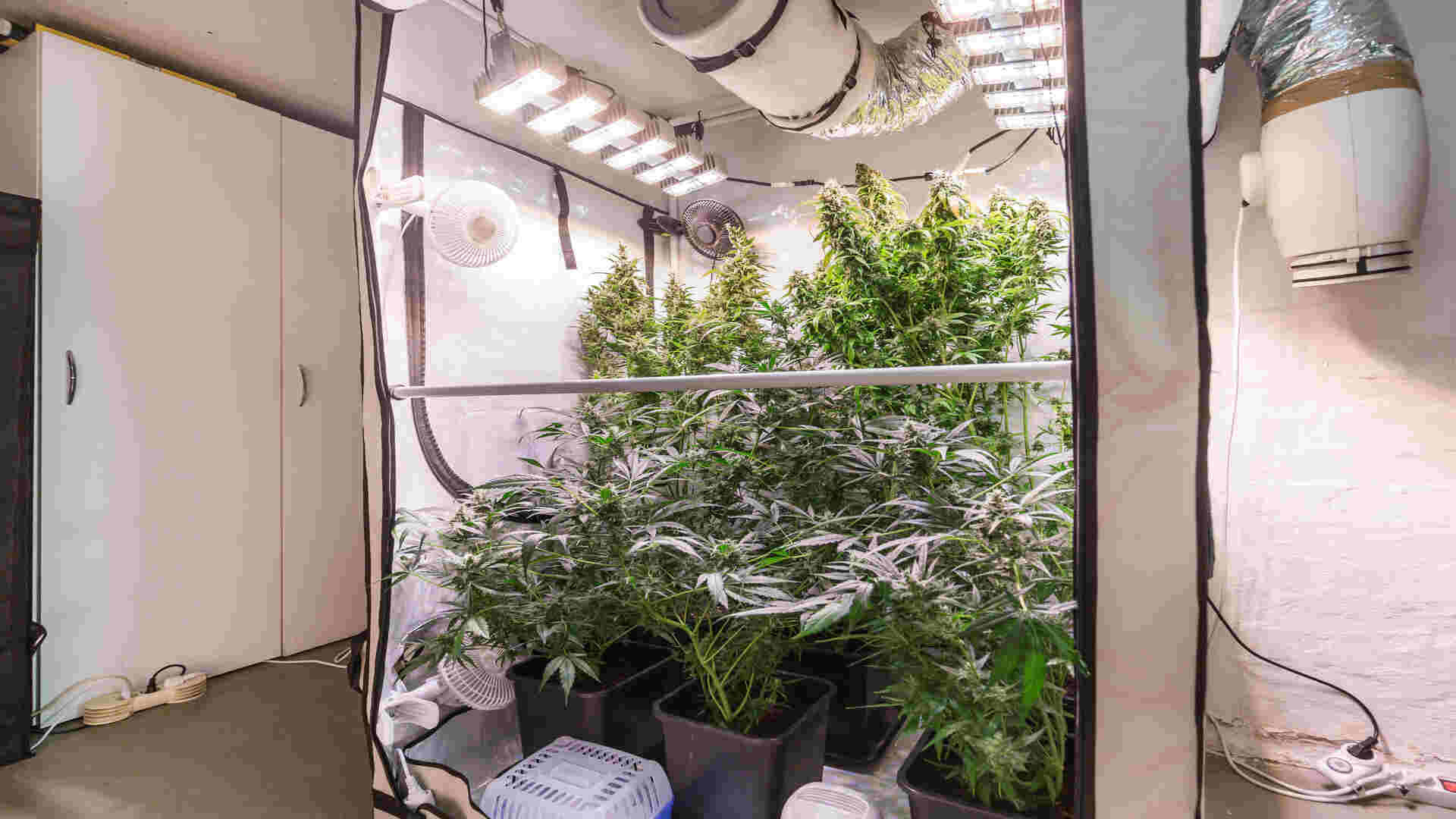

One of the biggest challenges cannabis growers face during the flowering stage—especially during peak flowering—is managing the smell. All those aromatic terpenes that make each strain distinct also create powerful odors that can easily escape your grow space.
Being discreet is always wise when growing cannabis, but discretion becomes difficult when the pungent aroma of mature plants begins to seep out of your tent or grow room and potentially spreads into shared spaces or even the neighborhood.
That’s why we're diving into the reasons cannabis smells during flowering and how to effectively keep that odor under control. This is your comprehensive guide to managing cannabis aroma from flowering through harvest and drying.
Why Cannabis Smell Peaks During Late Flowering

Cannabis doesn’t always smell strong—at least not early in its life. During the vegetative stage, plants mostly give off a mild scent that’s not much different from any other leafy green plant. The real odor kicks in during flowering, especially toward the later weeks of the cycle.
Around week four of flowering, plants begin to mature and shift energy into producing trichomes—tiny resin-filled glands that house cannabinoids and terpenes. This is when the terpene concentration spikes, and with it, the plant's aroma becomes significantly more pronounced. The smell intensifies even further by week seven, often becoming strong enough to overwhelm the grow space.
Terpenes like limonene, myrcene, and pinene—responsible for citrus, earthy, or piney notes—are highly volatile and easily released into the air. While these compounds make each strain unique and flavorful, they’re also the source of that telltale cannabis odor that can be hard to contain. Fortunately, there are several proven ways to manage it effectively.
Further Reading:Which Terpenes Are In Which Cannabis Strains?
Carbon Filtration: The Gold Standard of Odor Control

When it comes to neutralizing cannabis smell, carbon filtration is hands down the most effective solution. Activated carbon absorbs and traps odor molecules before they have a chance to exit your grow space.
To get the best results, your filter must match the cubic footage of your grow room. For example, a 4x4x7 grow tent totals 112 cubic feet. A carbon filter rated between 150 and 200 CFM (cubic feet per minute) will efficiently exchange and clean the air every minute. Opting for a slightly oversized filter ensures thorough odor control, especially during peak flowering.
Keep in mind that carbon filters wear out over time. Depending on usage and environmental conditions, they typically last between 12 to 24 months. If you start noticing odors despite proper airflow, it’s likely time for a replacement.
While carbon filters are highly effective, they often require a complete exhaust system, which may not fit every grower’s budget or space. Luckily, there are additional odor-control methods to support or substitute carbon filtration.
Other Methods to Control Cannabis Smell
If you're looking for supplemental—or alternative—ways to manage cannabis aroma, here are several effective options:
- Ozone Generators: Ozone generators work by releasing ozone into the air, which reacts with and breaks down odor-causing molecules. While effective, ozone is harmful to human lungs and eyes, so it should only be used in unoccupied rooms and with caution. This is more suited to commercial setups or sealed spaces that aren’t accessed frequently.
- Air Purifiers: A high-quality air purifier equipped with a HEPA filter and activated carbon layers can help reduce odor. Although this won’t be as efficient as a carbon exhaust system, it can still provide noticeable improvement, particularly in small spaces or as a backup.
- Odor Neutralizers: Products like Ona Gel or other odor-neutralizing sprays and gels can mask or eliminate smells in hallways and entryways. However, these should never be used inside your grow space, as their strong fragrances can interfere with your plants’ terpene profiles and potentially affect flavor and aroma.
- Sealed Grow Rooms: Creating a well-sealed grow room is one of the most effective long-term strategies for odor control. By using airtight materials and sealing off entry points, you minimize the chance of aromas leaking out. Pair this with a carbon-filtered exhaust, air conditioning, and dehumidification, and you’ll have a tight system that’s easy to control and manage discreetly.
Discreet Harvesting and Drying Practices
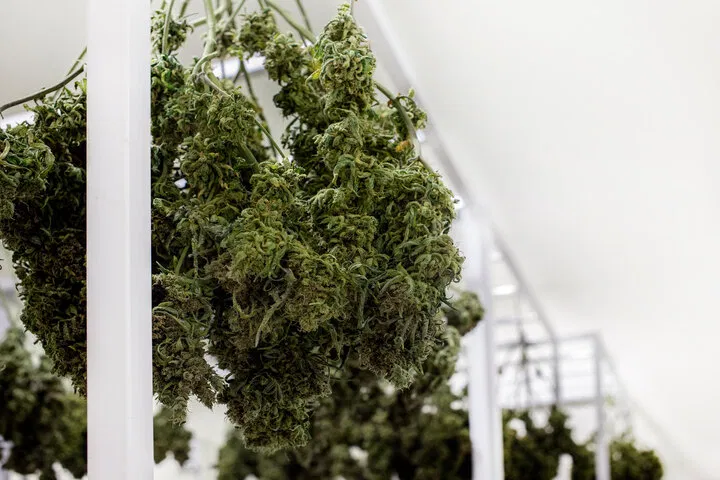
While flowering plants emit strong aromas, many growers underestimate just how smelly the harvest and drying stages can be. Once you start cutting plants down, trimming buds, and hanging them to dry, terpene release kicks into overdrive. Without precautions, that powerful scent can travel fast and far.
Here are a few tips to help reduce the odor during harvest:
- Harvest during the coolest part of the day, when the air is less turbulent and less likely to carry scent. Always keep windows and doors closed during cutting and trimming to prevent smell from escaping.
- During drying, the terpenes continue to evaporate, making this a crucial phase for odor management. Ideally, use a drying room with a standalone carbon scrubber to capture smells. Even better, set up a sealed drying tent with its own exhaust and filter system.
- Controlling the environment also plays a role. Keep your drying space at 60°F–65°F with relative humidity around 55%–60%. This not only preserves terpenes but also helps control how much smell is released into the air.
Additional Tips for Managing Cannabis Smell
To take odor control even further, consider growing strains known for producing minimal scent. Avoid terpinolene-heavy varieties if stealth is a priority, as they tend to be among the most pungent.
Remember that temperature and humidity directly influence smell intensity. Warm, humid air holds more odor molecules than cool, dry air. By keeping the environment slightly cooler and less humid (within healthy ranges for plant development), you reduce the smell's strength and how far it can travel.
Browse Low-Odor Strains At Seedsman Now
Final Thoughts on Controlling Cannabis Odor During Flowering
Cannabis cultivation is inherently aromatic, especially during the final weeks of flowering and through the drying phase. But just because growing is a smelly business doesn’t mean you have to broadcast it to the neighborhood.
With the right combination of tools—particularly carbon filtration, sealed environments, and thoughtful timing—you can stay discreet and protect your privacy. Whether you're growing for personal use or expanding your operation, effective odor management is essential. And remember, choosing low-odor strains and creating a well-controlled grow environment will help ensure your cannabis stays your business—nobody else’s.
For more details on how to grow cannabis indoors, check out my book 7 Steps To Grow Cannabis. It’s a complete beginner’s guide to growing cannabis indoors. You can get it on my website, or on Amazon. Happy growing!