
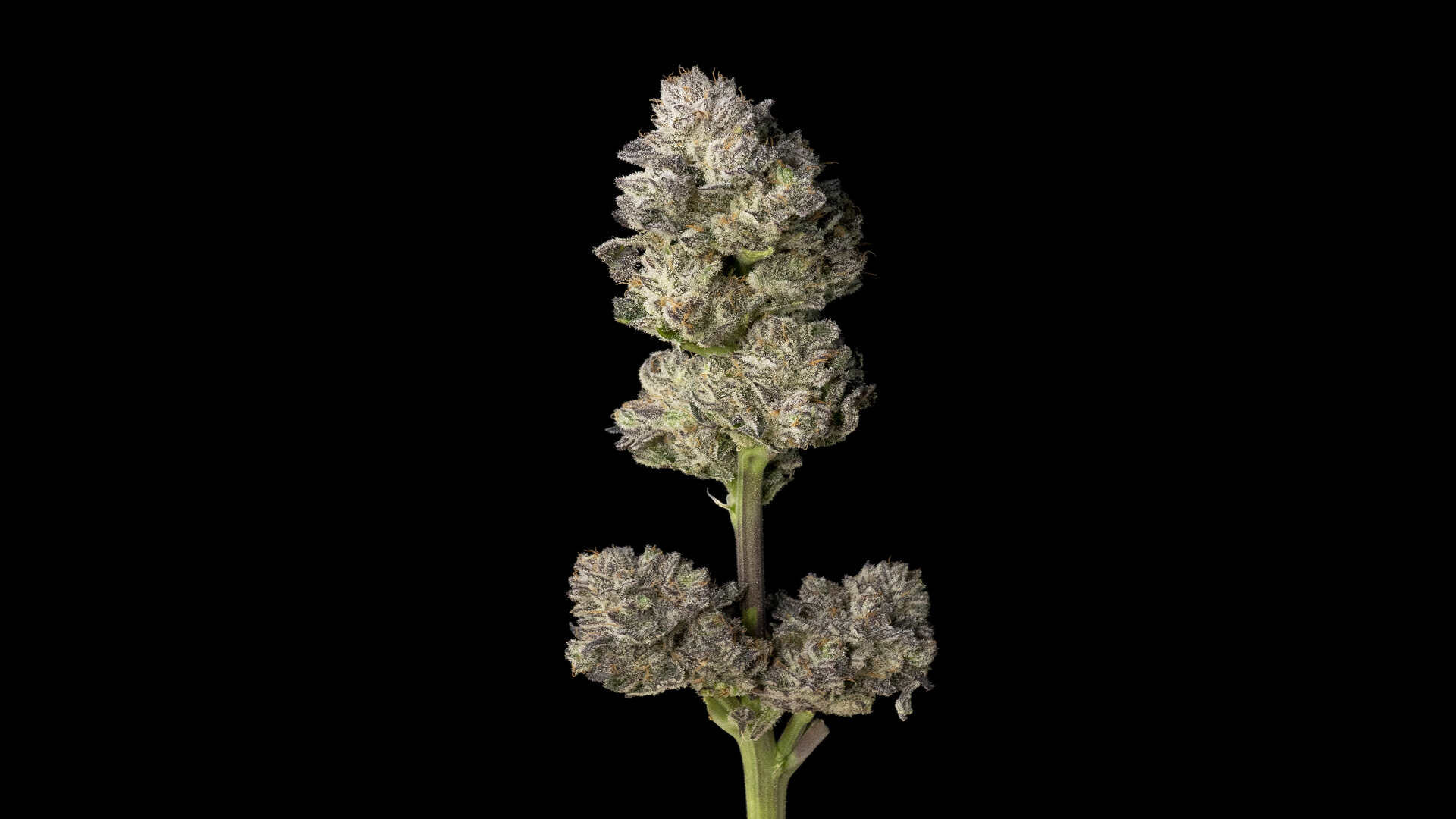

There’s an undeniable satisfaction that comes from watching trichomes glisten under a light like frost on winter grass. Buds that shimmer with resin aren’t just beautiful; they usually reflect careful cultivation and good genetics. But when growers ask how to grow bud that drips with resin, the answers aren’t always simple bullet points. Every setup, nutrient plan, and light spectrum tells a part of the story.
In this guide we’ll unpack why resin matters, what growers find most helpful in coaxing out those shimmering trichomes, and offer a few tips on how you can nudge your plants toward their most glittery potential without taking false shortcuts or falling for myths.
Growers who’ve spent years refining their approach to how to grow bud for heavy resin output often say the same thing: it’s about the layering of small, deliberate improvements. If you want to know how to grow bud that sparkles, read on.
Why Resin Matters In Cannabis Cultivation

Without going deep into everything you need to know about cannabis trichomes right here, the plant's resin glands – trichomes – are tiny but mighty. These glandular structures produce the cannabinoids, terpenes, and flavonoids that define a plant’s profile and effects. Successful growers often think of resin as a plant’s defensive output; under the right conditions its production increases, just like protective qualities on any other species might.
While resin itself isn’t the goal, it’s a strong signal of robust flower development and vigorous plant health. It looks unbelievable, sure – bag appeal is important – but aesthetics are just a small part of it.
It’s worth noting that genetics play an outsized role here – you can’t make a low-resin variety into a resin bomb through environment alone – but there’s plenty you can optimise once you start growing.
How to Grow Bud For Resin: Start With The Right Seeds
Experienced growers who know how to grow buds soaked in glittering trichomes often say the foundation for resin-heavy flower starts here: pick genetics that are predisposed to high trichome production.
Strains with dense flower structures and strong cannabinoid expression generally tend to produce more resin naturally. Genetics determine the plant’s baseline capacity for cannabinoid and terpene synthesis long before lights turn on or nutrients are mixed.
Below, we spotlight some of the most resinous strains from the Seedsman collection – cultivars that have garnered attention for dense, trichome-rich flowers in growers’ gardens or reviews.
Black Sugar 2.0

This is one of Seedsman’s standout resin producers – a rich, indica-dominant cross between Garlic Budder and Purple Kush with THC lab-verified above 26% and exceptionally dense, colourful buds. Growers often mention its deep terpene complexity and thick trichome coverage that makes flowers sparkle. Bold notes of pine and citrus outline the flavour profile of Black Sugar 2.0. Flowering time is 9-10 weeks and buds are dense and highly resinous. For those learning how to grow bud for resin production, choosing Black Sugar 2.0 is an excellent starting point.
Explore Seedsman Black Sugar 2.0 Feminised Seeds



Peyote WiFi

Peyote Wi-Fi is an indica-leaning cross between the stunning Peyote Purple and Wi-Fi, making for a high-THC variety with massive resin production. These tall plants flower in 8-10 weeks and are known to have a high level of mould resistance. Growers report high yields of ultra-dense, resinous buds known for their great earthy, fruity aromas and flavours.


White Widow

White Widow was named for its highly resinous apearance, and its high potency. A true classic strain, White Widow was the darling of the Dutch cannabis scene in the 1990s, and took home first place at the Cannabis Cup in 1995. It's a balanced hybrid with a high THC content, and its hallmark is most certainly its crystally white appearance. Indoor flowering typically takes 8-10 weeks, and growers report high yields of dense buds. White Widow remains a titan in the cannabis scene to this day.


Strawberry Banana Grape

Strawberry Banana Grape is a 70% sativa hybrid known for its generous yield potential and ease of cultivation - so if you're just learning how to grow bud, this is a great strain to start with. Growers love its high level of mould resistance, while flavour fans love the incredible fruity taste showcasing strong notes of lemon and forest fruits. Resin coverage is typically excellent, and Strawberry Banana Grape will spend 9 to 11 weeks flowering before buds are ready to harvest. Effects are euphoric and relaxing.
Explore Seedsman Strawberry Banana Grape Feminised Seeds


These varieties are all renonwed for great resin production, so dialling in the right conditions on top of these genetics will go a long way. To browse a wider selection of cannabis strains known for high resin production, visit our washers category today.
How To Grow Bud For Resin: Light Is Crucial
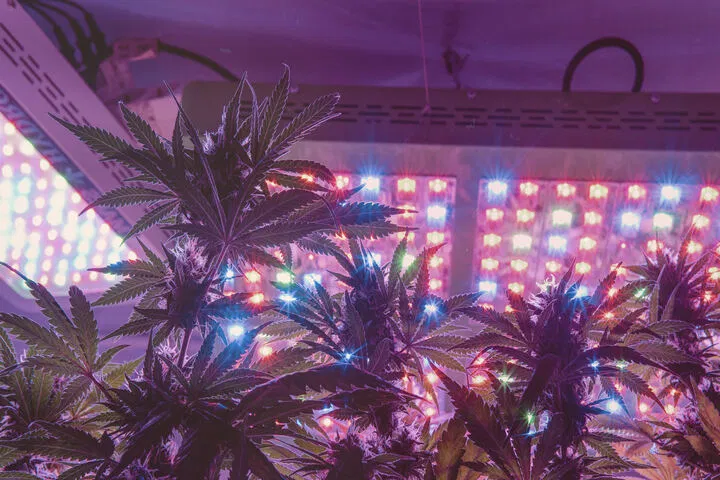
When growers talk about how to grow bud for maximum resin production, light usually comes up first – and for good reason.
Plants use light to power photosynthesis, but the quality and intensity of that light during flowering also signals biochemical pathways that increase trichome synthesis. Higher intensity full-spectrum LEDs or HPS bulbs, especially those with a broad spectrum including red and UV-B wavelengths, are often recommended for resin development. There’s evidence that UV-B exposure in late flowering can drive up THC content and trichome density as a defensive response.
Further Reading:How A Weed Plant Uses Light: The Science of Photosynthesis
Growers have found a few practical tips helpful:
- Ensure strong PAR output during flower – more usable light usually encourages fuller development.
- If your lighting system allows it, introducing a small amount of UV-B in the final 1-2 weeks is something many resin-seeking growers explore (with caution – too much UV can damage delicate plant tissues).
Equipment matters, but so does how you use it.
Temperature & Humidity: Crucial Factors in How to Grow Bud
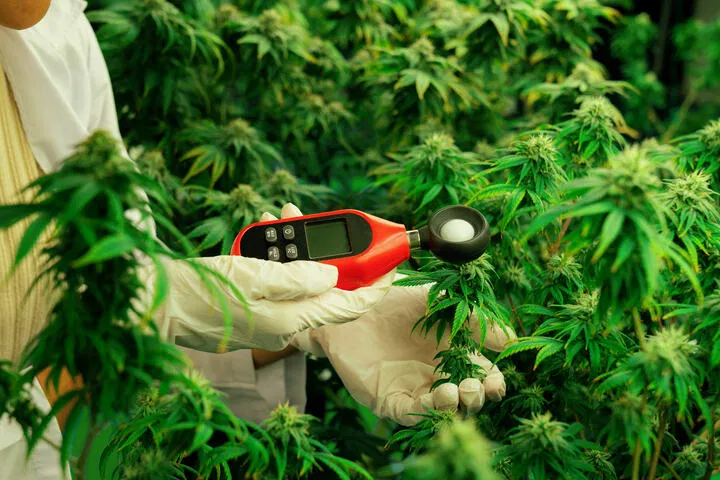
Environmental control isn’t just about keeping plants alive – it's about creating cues that push them to produce resin. Cannabis is believed to respond to changes in temperature and humidity during flowering by increasing trichome output as a protective tactic.
Many growers who know how to grow bud with maximum resin find that:
- Moderate daytime temperatures during flower (around 21-26°C) with slightly cooler nights mimics natural outdoor shifts and can encourage resin.
- Humidity around 40-50% during flowering – and dropping further late in flower – makes plants ‘think’ they need to protect against moisture stress, increasing resin production while reducing mould risk.
Too warm and the plant prioritises vegetative growth; too humid and resin quality can diminish. It’s a real balancing act.
Nutrients That Support Resin Development
Growers often observe that plants don’t make copious resin unless they’re properly fed – not by overloading with nutrients, but by timing and balancing them correctly.
Here’s what many experienced growers typically consider:
- High phosphorus and potassium during flower encourages strong bud development and resin production.
- Lower nitrogen in late flowering helps prevent vegetative growth signals that can detract from resin focus.
Some growers add supplements like silica, molasses, or carbohydrates late in flower to improve cell strangth and energy availability – both factors that can support trichome expression.
Balanced feeding – not blasting plants with excess – is key. Cut back if you ever see nutrient burn, as stress beyond certain points can hurt rather than help.
Further Reading:Using Molasses To Grow Cannabis
Training and Stress Techniques for how to Grow Bud for Resin
It might sound counterintuitive, but controlled stress and smart canopy management sometimes surface in conversations about how to grow bud for maximum resin. The idea isn’t to harm the plant but to get light and airflow to every bud site and to signal resilience. If you're a relative newcomer to cultivation, an introduction to cannabis plant training techniques will benefit you here.
A few helpful approaches:
- Low-Stress Training (LST) spreads light more evenly across the canopy, giving more bud site sites access to the light they need for resin development.
- Selective defoliation or canopy thinning can improve airflow and reduce humidity pockets that suppress resin growth.
- Some growers induce slight environmental stress (temperatures or watering tweaks), but only if they’re ready to watch plants carefully – too much stress can trigger hermaphroditism or slow growth.
There’s no “one secret trick” here – just thoughtful management.
Further Reading:A Guide To Cannabis Defoliation
How To Grow Bud For Maximum Resin Production: It’s All Connected
When growers set out to learn how to grow buds with maximum resin production, they often start by chasing one element – light, nutrients, supplements – but quickly discover its the interaction of many factors that matters most. Genetics gives you the potential. Environment unlocks it. Careful feeding and training help plants express it.
In a flowering room where light is strong, humidity is low and steady, nutrient timing is carefully considered, and strains are chosen for resin promise – you tend to get buds that actually shine. And that, ultimately, is the goal – a crop that reflects the attention it received, shimmering not because it’s been manipulated, but because you set the conditions for it to thrive.
If you’re serious about refining how to grow bud that’s dense, aromatic, and positively dripping with trichomes, start with resin-proven genetics, maintain a controlled flowering environment, and let the plant express what it’s already capable of. When conditons are right, the frost tends to follow.
Happy Growing.