
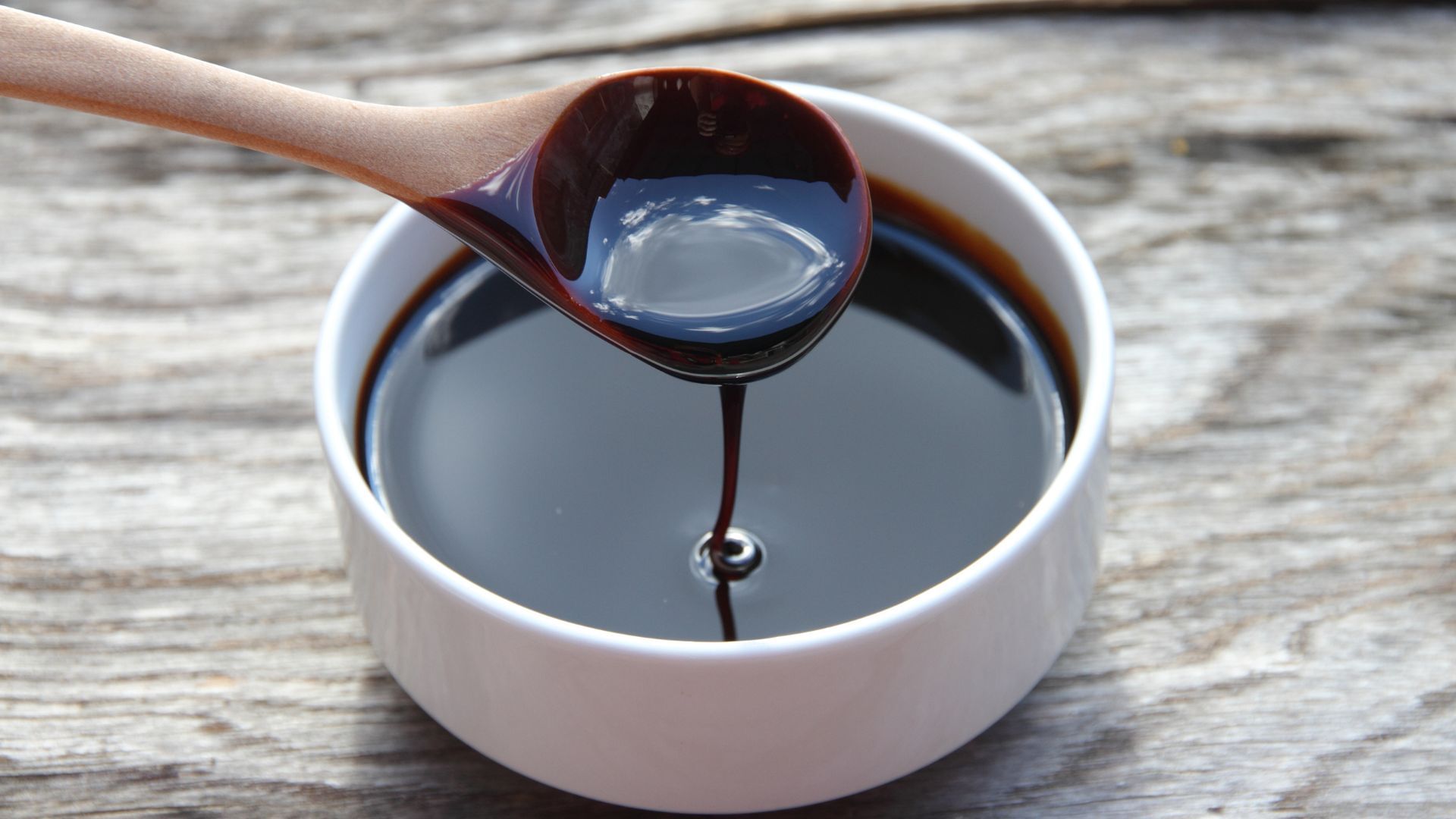

Did you know that just by raiding the kitchen pantry, you might find something extremely useful for helping cannabis plant growth and potentially boosting yields? Have a quick look and see if you have a jar of molasses back there. It might help you grow some of your best cannabis yet.
What Is Molasses?
Molasses is the name given to the viscous, dark brown liquid derived from the by-product of processing sugar cane or sugar beet. It is very similar in makeup to black treacle, with both being rich in carbohydrates and various minerals. This gloopy, brown wonder is a centuries-old ingredient used in many foods and drinks, including aiding in the fermentation of alcohol, such as in beer and rum making. A cheap and beneficial substance, molasses is commonly used as a feed for livestock due to its high calorie content and reasonable production costs.


The composition of molasses can be different as the ratios of the sugars and minerals are influenced by the plant itself. Factors such as the age of the plant and how it is grown, and how the molasses is processed from the raw material all play a part in quality. Unlike other sugary extracts, molasses has a unique chemical profile distinguishing it from honey, maple syrup and similar products.
The most common sugars made through photosynthesis are typically glucose and fructose; however, molasses’ main constituent is sucrose, which makes up approximately 50-55% of the total solids. The remainder of the solid matter comprises other sugars, complex carbohydrates and small amounts of protein and vitamins.
Different Types Of Molasses
Boiling sugar cane three times produces blackstrap molasses, a somewhat bitter-tasting version typically used in savoury dishes. Blackstrap molasses is a rich source of minerals such as calcium, magnesium, and potassium. In contrast, light molasses, aka ‘sweet molasses,’ is produced from the first boiling of sugar cane syrup and has a lower mineral content.
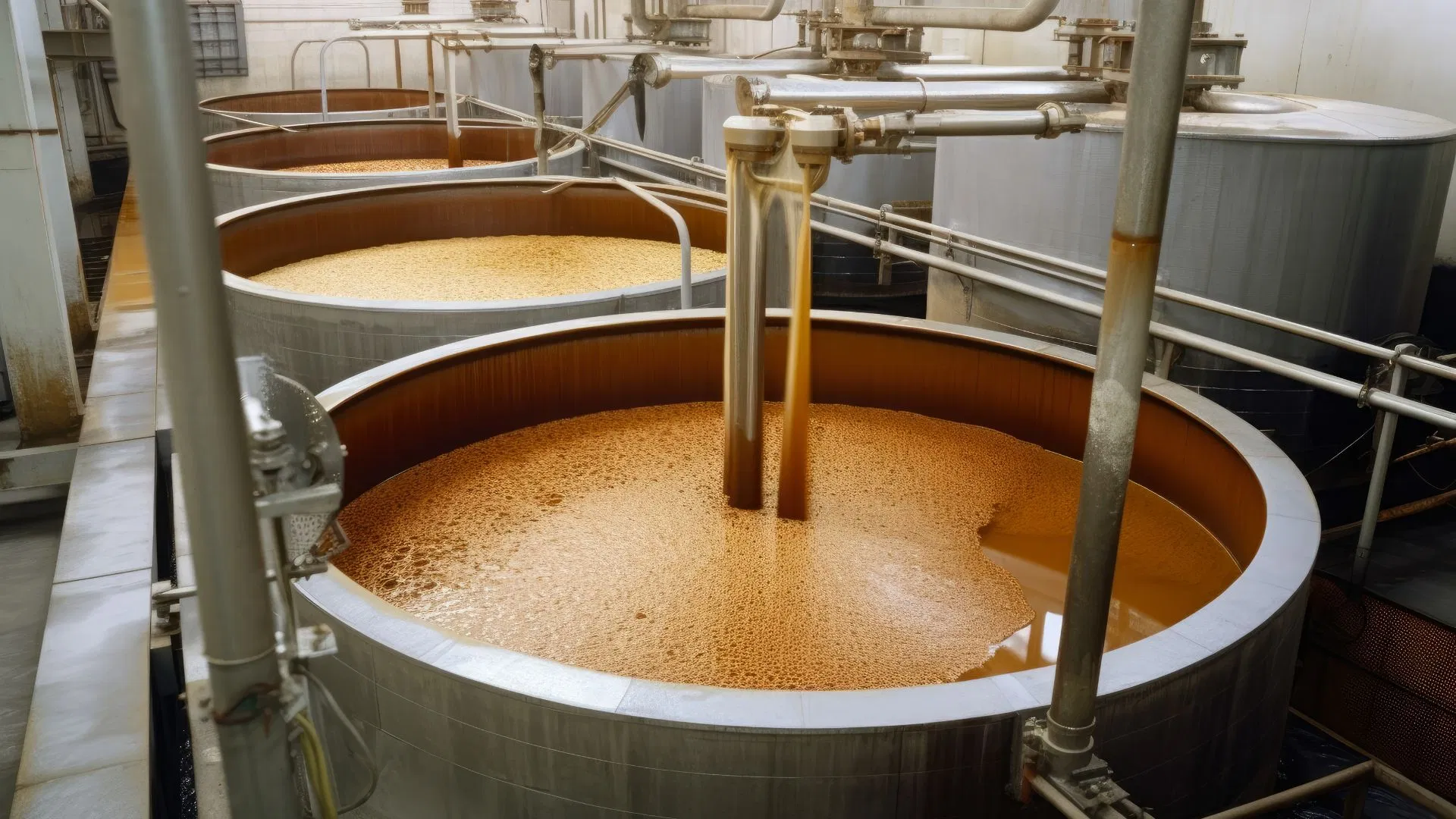
In recent years, molasses has had a growing reputation as an excellent organic fertiliser due to its high sugar content and the mineral composition mentioned above. When used as a fertiliser, molasses doesn’t provide a source of energy for the plant directly but is a highly rich soil additive allowing microbes to thrive. These microbes, found in living soil, are generally highly beneficial to the plant because they make otherwise hard-to-access nutrients available to the plant. But the benefits of molasses don’t stop there - molasses can also help improve soil structure in addition to the increased nutrient availability, which makes the overall contribution to plant growth and plant health quite remarkable.
Why Are Sugars Like Molasses Important For Plants?
Cannabis, like most crops, performs better when the proper nutrients are added to the soil. Including some sugars in that mix sweetens the pot, as it were. Sugars cover a wide range of molecules, all technically classed as saccharides, a subset or group of carbohydrates. Basic monosaccharides are single molecules, such as fructose and glucose, as produced via photosynthesis. These can be combined and lengthened to make more complex saccharides such as sucrose, AKA household sugar, which is a fructose molecule fixed to a glucose molecule, an example of a disaccharide, whereas starch (the sugar-based fuel which plant store as energy) is an example of a polysaccharide, consisting of many monosaccharides linked together.
Although plants do not use these sugars directly, sugars are part of the currency of energy exchange, which synergises plants and microbes. A comprehensive viewpoint shows that microbes often require photosynthesis-derived sugars from plants whilst providing various forms of nutrients which the plant would otherwise struggle to access. The overall trade here results in plants growing bigger and better due to the increased access to nutrients the microbes provide. This extra plant growth offers more sugars for the microbes, thus creating a mutually beneficial micro-ecosystem.
How To Use Molasses With Cannabis
As mentioned above, creating a healthy ecosystem within the plants' root zone can greatly impact the plant’s productivity, especially when using microbial inoculant additives (microorganisms) like compost tea. So, getting the complete ingredient list correct is essential.
Enter molasses.
Adding the right sugar can provide soil microbes with the necessary fuel to establish robust colonisation in the root zone. In addition, good sources of organic-based nitrogen, like fishmeal, will help keep balance in the nutrient pool.
As mentioned above, blackstrap molasses is an ideal type of sugar for healthy plants as it contains essential minerals and can be nutrient-rich. However, it may contain higher levels of sulphur than the microbes can typically handle, resulting in the death of beneficial microbes in the soil. Sulphur dioxide is a common preservative in blackstrap molasses, giving the final product a chemical flavour that makes it undesirable for use in cannabis growing. Unsulphured blackstrap molasses is readily available and may be the more popular in some stores. The key point is to make sure the container says unsulphured molasses!
How To Apply Molasses
Molasses can be sold as a dried powdered/pellet or as a thick sticky liquid. It can be applied by adding to the organic fertiliser mix and as part of the additive’s treatments. It can also be added to water, mixed and fed to the plants via the roots or even used as a foliar spray.
In all cases, 1 to 3 tablespoons of molasses in 1 gallon of water will provide an effective dose. It's always wise to start light and build up to a full dose if you are new to this procedure. One tablespoon in a gallon for foliar spray is as high as you should need. When applied in this way, it can severally reduce the pest count on plants and thus helps manage the environment.
When To Use Molasses On Cannabis
Depending on the type of application, different treatments at different parts of the life cycle are optimal. For example, it is never advised to apply a foliar spray in flowering, especially after the first 3 or 4 weeks of flowering. However, the flowering period is perfect for adding molasses via the roots by watering in diluted molasses or using it as part of the organic fertiliser regime. You can use it throughout the growth cycle with root applications but only use it as a foliar spray during the vegetative phase.
When To Stop The Use Of Molasses On Cannabis
Adding molasses, or too many applications, can cause problems in some cases. If you see signs of nutrient burn on the foliage of your cannabis plants, stop using the molasses immediately until the problem resolves.

Conclusion
Whether growing on a large scale or just a few plants at home, molasses is a highly potent and inexpensive option for living-soil-based growing. Cannabis growers who use molasses report yield and vigour increases while having few adverse effects. If unsure, start with small doses and increase to the recommended amount. It is also a good idea to check out other growers that use molasses. They can provide a good template, especially if geographically local, as the soil type can also affect the suggested dosing.