
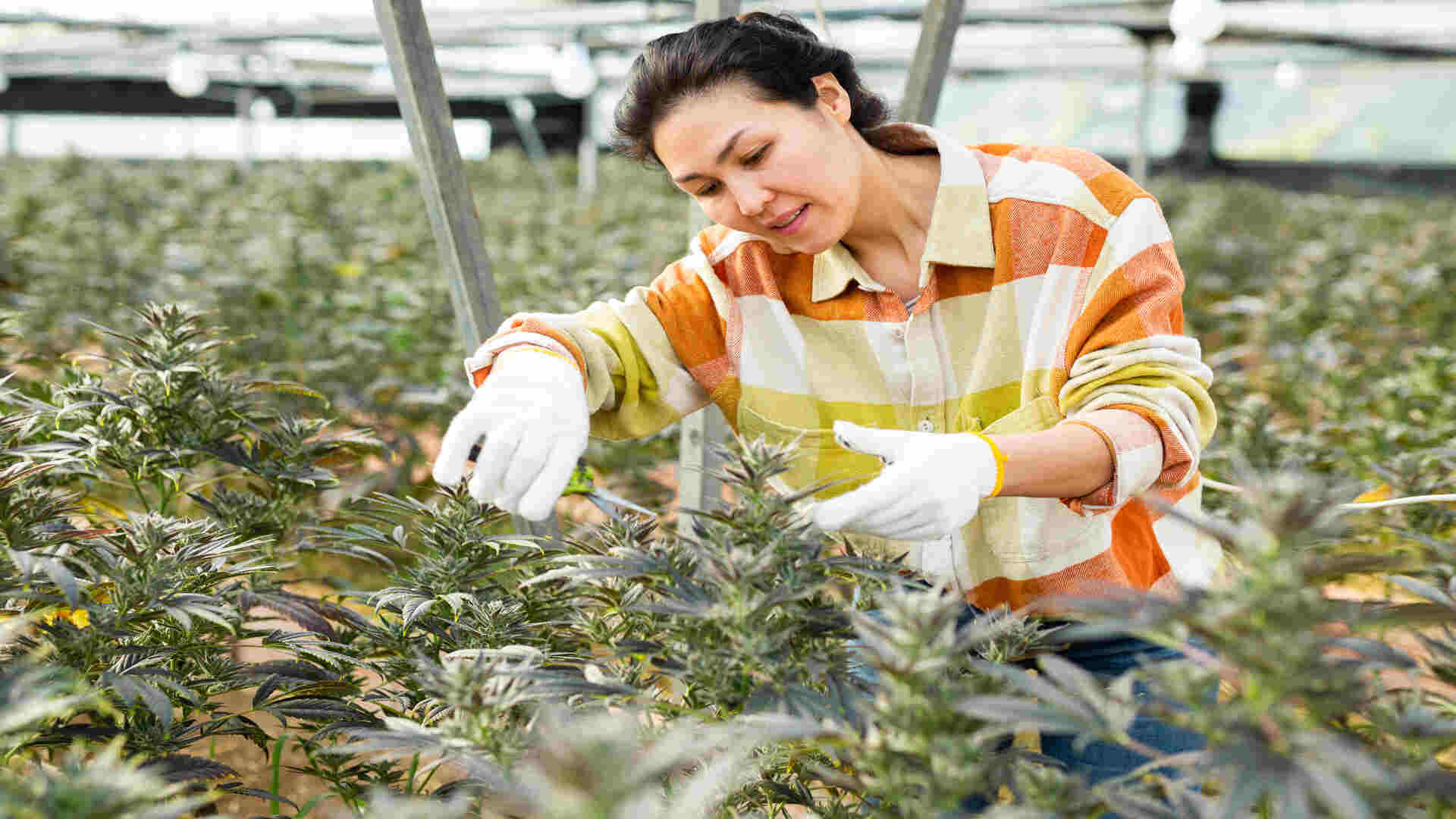

Watching cannabis develop from a tiny seed into a thriving, living plant is a wonderfully rewarding journey. Every new leaf, every change in structure, and every developing flower tells a story. Understanding what that story means is the key to becoming a better grower.
For anyone learning how to grow a cannabis plant, the answer goes beyond simply adding water and nutrients and hoping for the best. Successful cultivation comes from undertanding the relationship between genetics, environment, light, roots, and the plant's own natural signals.
A healthy cannabis plant doesn't happen by accident. It's the result of creating the right conditions and learning how to respond as the plant grows and changes. It doesn't matter if you're growing indoors, outdoors, from photoperiod seeds, autoflowering seeds, or Early/Fast varieties. The foundations remain the same. When growers understand the building blocks of healthy growth, they can make better decisions, avoid common problems, and enjoy a more rewarding cultivation experience.
In this guide, we'll explore the essential principles behind how to grow a cannabis plant, helping growers build the knowledge and confidence needed to develop a relationship with the plant.
How To Grow A Cannabis Plant: Start with quality genetics

The first building block of healthy cannabis plant growth begins before the seed even meets the soil. Genetics influence almost every aspect of a plant's development, including growth structure, flowering time, resistance to stress, flavour, aroma, and final harvest potential. Genetics even influence how a plant copes in a certain environment.
Choosing suitable genetics for your specific growing environment is one of the smartest decisions a grower can make. Indoor growers may select varieties that respond well to controlled environments and training, while outdoor growers often benefit from genetics that can handle changing weather conditions.
For beginners learning how to grow a cannabis plant, starting with reliable seeds from a trusted breeder provides a stronger foundation than trying to overcome problems caused by poor genetics later. Fiinding the right genetics can seem like a minefield at first, which is exactly why we have a guide to how to choose cannabis strains, written for newcomers to growing cannabis.
How To Grow A Cannabis Plant: Create The Right Environment

A cannabis plant constantly responds to its surroundings. Temperature, humidity, airflow, and light availability all influence how efficiently it grows. A healthy growing environment helps plants perform essential processes such as photosynthesis, transpiration, and nutrient uptake.
Important environmental factors include:
Temperature: Cannabis generally prefers a warm but stable environment, avoiding extreme heat or cold.
Humidity: Moisture levels should change throughout the plant's life cycle, wth younger plants typically benefitting from higher humidity than flowering plants.
Airflow: Gentle air movement strengthens stems and helps reduce the risk of mould and fungal problems.
Root zone conditions: Healthy roots require oxygen, appropriate moisture levels, and a suitable growing medium.
One of the biggest mistakes new growers make is focusing only on what happens above the soil. A cannabis plant's health begins with the environment surround the roots. Understanding the cannabis root zone is key to producing healthy cannabis plants.
How To Grow A Cannabis Plant: Understand The Importance of Light

Light is a key fundamental when learning how to grow a cannabis plant. It's the energy source that drives growth, and if a plant doesn't get enough light, it can't produce the energy needed to develop stong stems, healthy leaves, and those all-important flowers.
When choosing an outdoor space or putting an indoor growing environment together, lighting should always be one of the main priorities.
Outdoor growers should choose the sunniest possible location, where plants will receive the most hours of direct sunlight each day.
Indoor growers need to conisder:
- Light intensity
- Light distance from the canopy
- Photoperiod schedules
- Light coverage across the growing area.
Light requirements also change as the plant develops. Seedlings need gentler conditions, but more mature plants preparing to flower need stronger light to support their increased energy demands.
How To Grow A Cannabis Plant: Build Healthy Roots

A healthy cannabis plant depends on a healthy root system. Roots do much more than anchor the plant to the medium. They absorb water and nutrients, interact with microorganisms, and help to regulate overall plant health. If activity below the soil is off, activity above the soil will soon follow suit.
To encourage strong roots:
- Avoid keeping growing media constantly saturated (overwatering)
- Use a suitable container size - choose the right size and type of pot
- Maintain good drainage
- Encourage oxygen around the root zone
- Avoid unnecessary disturbance during transplanting.
Related Article:A Guide To Transplanting Safely
Overwatering is one of the most common problems experienced by new growers. Symptoms can sometimes look similar to nutrient deficiencies, but the underlying issue is often that roots are drowning and struggling to access oxygen. Learning how to fix cannabis overwatering is a valuable skill every grower should learn, and learning to maintain a healthy root zone is one of the biggest steps towards understanding how to grow a cannabis plant successfully.
How To Grow A Cannabis Plant: Feed Plants According To Their Needs
Cannabis plants need a balance of nutrients throughout their life cycle. The main macronutrients - nitrogen, phosphorus, and potassium - support different aspects of growth, while micronutrients help maintain important biological functions. But more nutrients doesn't always mean better growth.
One of the most common beginner mistakes is assuming that adding extra fertiliser will make plants grow bigger, or faster. In reality, excessive nutrients can create stress and lead to issues such as nutrient burn.
Healthy feeding involves:
- Understanding the nutrient needs for the different growth stages
- Monitoring plant responses
- Avoiding sudden changes
- Maintaining suitable pH levels for nutrient availability.
Without checking the above boxes, cannabis plants can quickly experience issues. For example, improper pH levels can stall nutrient uptake, leading to a condition known as nutrient lockout, where plants can't access available nutrients.
Related Article:Cannabis pH Explained: Why It Matters And How To Get It Right
The best growers learn to observe their plants rather than simply following a feeding schedule to the letter. A plant's appearance, growth rate, and leaf condition all provide valuable information about what it needs more - or less - of. This is why learning to read the plant's cues is so important. Understanding the plant - not just the process - is key to becoming a better grower.
How To Grow A Cannabis Plant: Learn To Read Plant Signals
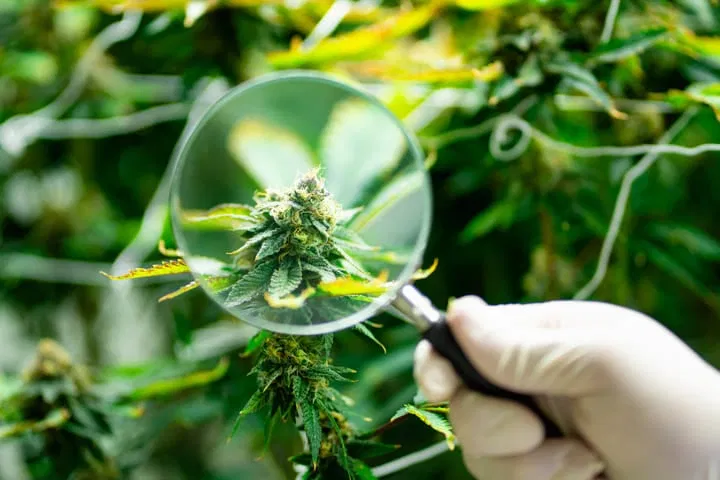
A skilled, experienced cannabis grower knows how to interpret what plants are communicating. Leaves, stems, and overall growth patterns can reveal when something is wrong.
For example:
- Yellowing leaves may indicate several possible issues, such as nutrient problems or environmental stress.
- Drooping leaves may be linked to watering problems, root sttress, or environmental conditions
- Slow growth may indicate problems with light, nutrition, temperature, or even genetics
There's rarely a single symptom with only one possible cause. Successful growers look at the whole picture before diving in to make adjustments.
Understanding plant signals transforms growing from a process of reacting to problems to a process of preventing them.
How To Grow A Cannabis Plant: Support Healthy Growth with Training
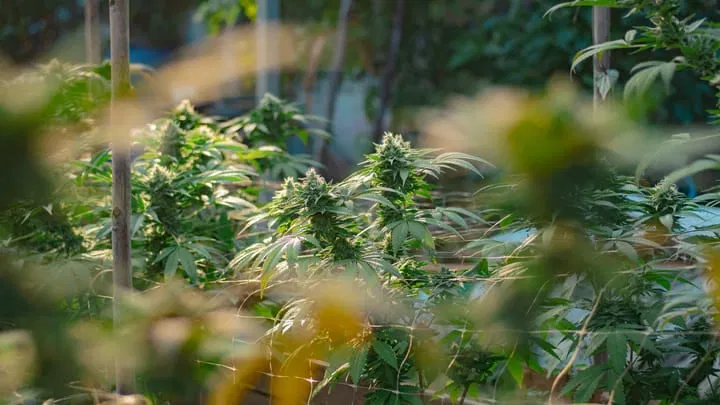
Once a plant is healthy and actively growing, growers can use training techniques to influence structure and improve light exposure. Methods such as low-stress training (LST), topping, and selective pruning or defoliation can help create a more even canopy and encourage better use of available light.
However, training should always support the plant rather than place unnecessary stress on it.
Another common mistake among beginners learning how to grow a cannabis plant is trying advanced techniques before mastering the basics. A healthy, well-maintained plant will always outperform a stressed plant that has been subected to too much intervention.
Related Article:Introduction To Cannabis Plant Training Techniques
How To Grow A Cannabis Plant: The Importance of Observation
Growing cannabis is a learning process. Even experienced growers continue to adjust their appraoch because every environment and every plant is different.
Keeping a grow journal can help growers track and understand:
- Watering habits and requirements
- Environmental changes
- Feeding schedules
- Growth patterns
- Successful (and unsuccessful) techniques
Over time, these observations help growers become more confident, more consistent, and ultimately more successful.
The difference bewteen strugglimg growers and successful growers is often not access to expensive equipment or complex techniques. It's the ability to notice small changes and respond appropriately.
How To Grow A Cannabis Plant: Building Strong Foundations For Success
The answer to how to grow a cannabis plant begins with understanding the essentials. Everything outlined in this article is a key component of cannabis cultivation, and they all work together to create successful growth.
Growing cannabis is a science and an art. While knowledge provides the foundation, experience teaches growers how to adapt and make better decisions. By focusing on the building blocks of healthy growth, beginners can develop the skills needed to grow stronger plants and continue improving with every cycle.
Frequently Asked Questions
How long does it take to grow a cannabis plant?
The time required depends on the genetics and growing method. Autoflowering varieties can often be ready within a shorter timeframe, while photoperiod plants typically require a longer vegetative period before flowering.
What does a cannabis plant need to grow?
A cannabis plant needs quality genetics, light, water, nutrients, suitable temperature and humidity, oxygen around the roots, and a healthy growing environment.
What is the most important factor when learning how to grow a cannabis plant?
There is no single factor responsible for success. Healthy growth comes from balancing genetics, environment, nutrition, and observation.
Can beginners successfully grow cannabis?
Yes. Beginners can achieve excellent results by learning the fundamentals, starting with suiitable, beginner-friendly genetics, and avoiding the temptation to overcomplicate the process.
Why are my cannabis plants not growing properly?
Slow growth can have many causes, including incorrect watering, unsuitable environmental conditions, poor lighting, nutrient issues, or stress. Observing the entire growing environment is the best way to identify the cause.
---------------------------------------------------------
References:
Rodrigues, C.F., Gonçalves, S., Teixeira, J.A. & Pintado, M. (2022). Cannabis sativa L.: Crop Management and Abiotic Factors That Affect Phytocannabinoid Production. Agronomy, 12(7), 1492.
https://www.mdpi.com/2073-4395/12/7/1492
Shiponi, S. & Bernstein, N. (2021). The Highs and Lows of P Supply in Medical Cannabis: Effects on Cannabinoids, the Ionome, and Morpho-Physiology. Plants, 10(8), 1517.
https://www.mdpi.com/2223-7747/10/8/1517
Cockson, P., Kjelgren, R., Webb, M. & Zheng, Y. (2022). Elevated Root-Zone Phosphorus and Nutrient Concentration Do Not Increase Yield or Cannabinoid Concentration in Medical Cannabis (Cannabis sativa L.). HortScience, 57(11), 1438–1447.
https://journals.ashs.org/hortsci/view/journals/hortsci/57/11/article-p1438.xml
Zheng, Z., Fiddes, K. & Yang, L. (2021). A Narrative Review on Environmental Impacts of Cannabis Cultivation. Journal of Cannabis Research, 3, Article 35.
https://jcannabisresearch.biomedcentral.com/articles/10.1186/s42238-021-00087-0
Chandra, S., Lata, H., Khan, I.A. & ElSohly, M.A. (2008). Photosynthetic Response of Cannabis sativa L. to Variations in Photosynthetic Photon Flux Densities, Temperature and CO₂ Conditions. Physiologia Plantarum, 133(1), 161–172.
https://onlinelibrary.wiley.com/doi/10.1111/j.1399-3054.2008.01078.x
Potter, D.J. (2009). The Propagation, Characterisation and Optimisation of Cannabis sativa L. as a Phytopharmaceutical. King's College London (PhD Thesis).
Llewellyn, D., Zheng, Y. & Caplan, D. (2022). Cannabis Lighting and Production: Current Research and Future Perspectives. Frontiers in Plant Science.
https://www.frontiersin.org/journals/plant-science