
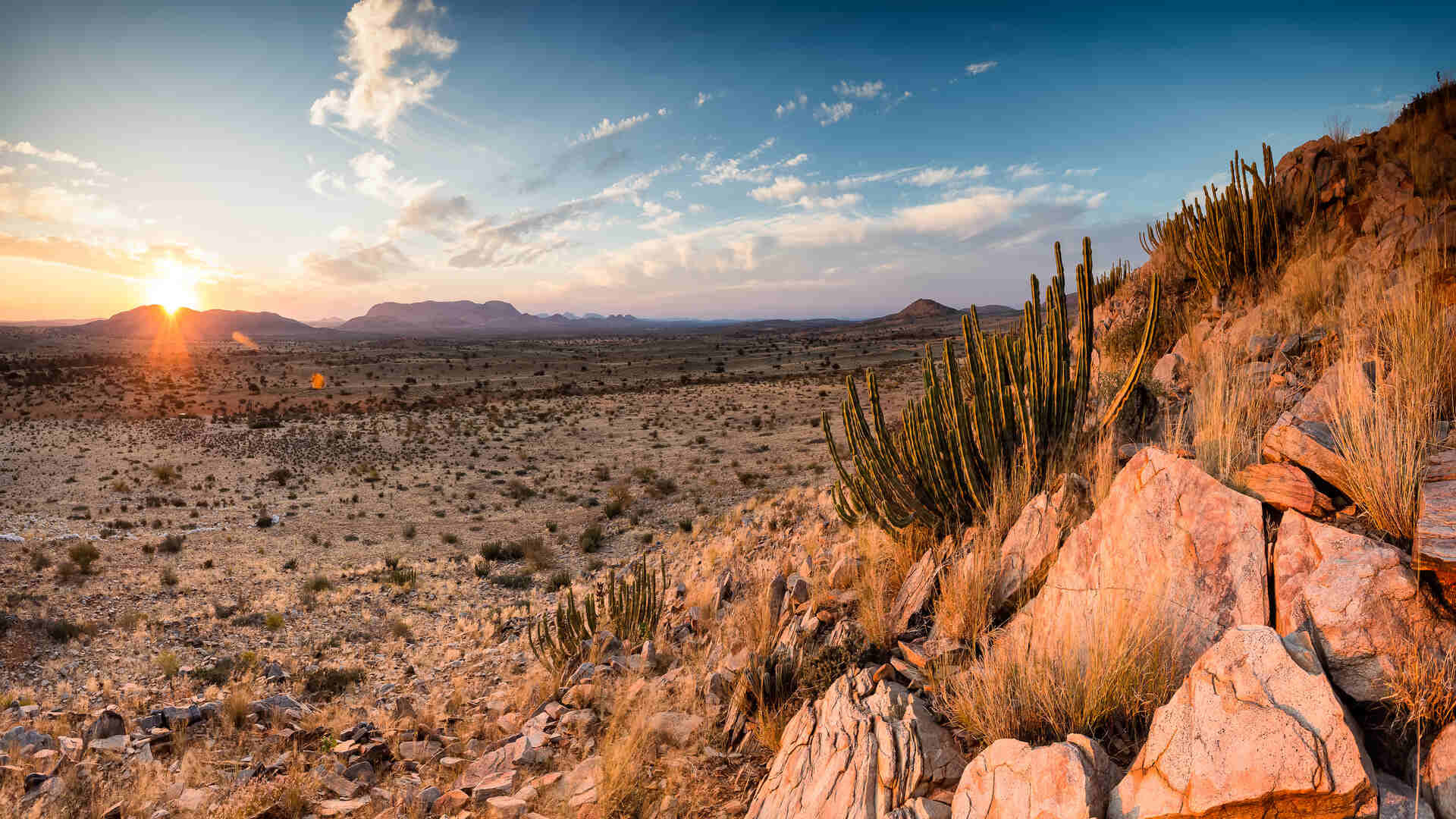

As one of the driest countries in the world, South Africa poses unique challenges for outdoor cannabis cultivators who have to deal with erratic rainfall patterns, prolonged droughts, and regional water scarcity. These obstacles mean that watering cannabis plants in South Africa requires knowledge of regional climate patterns, drought-prone areas, and sustainable water conservation techniques. Here, we’ll cover key strategies for cultivating healthy cannabis plants in South Africa, with a particular focus on dealing with drought conditions and utilizing rainwater where possible to assure healthy plant growth during the dry spells. This is a long one, so save it to your bookmarks and refer to it when the droughts inevitably strike.
Understanding Cannabis Plant Watering Needs
Cannabis plants have unique watering needs that vary depending on their growth stage, climate, and environment. Understanding these needs is crucial for optimal plant growth and maximizing yields. Proper watering practices can make the difference between a thriving cannabis garden and one that struggles to survive.
Factors Affecting Watering Needs
Several factors influence the watering requirements of cannabis plants:
- Climate: Cannabis plants grown in hot and dry climates, such as the Northern Cape, require more frequent watering compared to those in cooler, more humid regions like KwaZulu-Natal. The arid conditions increase evaporation rates, necessitating more water to keep the plants hydrated.
- Soil Type: Well-draining soils, such as sandy or loamy soils, require more frequent watering as they do not retain moisture as well as denser soils like clay. Ensuring the soil has good drainage is essential to prevent waterlogging and root rot.
- Container Size: Plants grown in smaller containers dry out faster and need more frequent watering than those in larger containers. Larger containers hold more soil and, consequently, more moisture, reducing the need for constant watering.
- Growth Stage: Young plants, including seedlings and clones, need more frequent watering to establish a robust root system. As the plants mature, their watering needs decrease, but they still require consistent moisture to support their growth.
- Light Exposure: Cannabis plants grown in direct sunlight, especially in regions with intense sun like the Western Cape, will need more water than those in shaded or partially shaded areas. Direct sunlight increases the rate of evaporation, making regular watering essential.
Keep all the above in mind, and you can tailor your watering schedule to meet the specific needs of your cannabis plants, so they receive the right amount of water at the right time.
South Africa’s Climate and Regional Rainfall Patterns
South Africa experiences a highly variable climate, with regional rainfall patterns influenced by diverse topography, ocean currents, and weather systems. Rainfall in the country varies from less than 200mm in the arid western regions to over 1,000mm in parts of the east. For cannabis cultivators, understanding these regional variations is critical to making informed watering and irrigation decisions. Understanding these regional variations is also essential for growing cannabis outdoors, as it helps in planning effective watering and irrigation strategies.

Rainfall Overview and Drought-Prone Regions
Western Cape
With an annual average rainfall of around 300-400mm, the Western Cape is pretty vulnerable to dry spells, especially during the summer months between December and February. The Mediterranean climate means most of the rain falls in winter, from May/June until August, and this makes water storage essential for the dry summer months. The recent “Day Zero” drought in Cape Town (2018) highlighted the area’s susceptibility to water scarcity, as rainfall fell well below average in recent years. For those maintaining an outdoor cannabis garden, water storage becomes essential to ensure plants remain hydrated during the dry summer months.
Northern Cape and Karoo
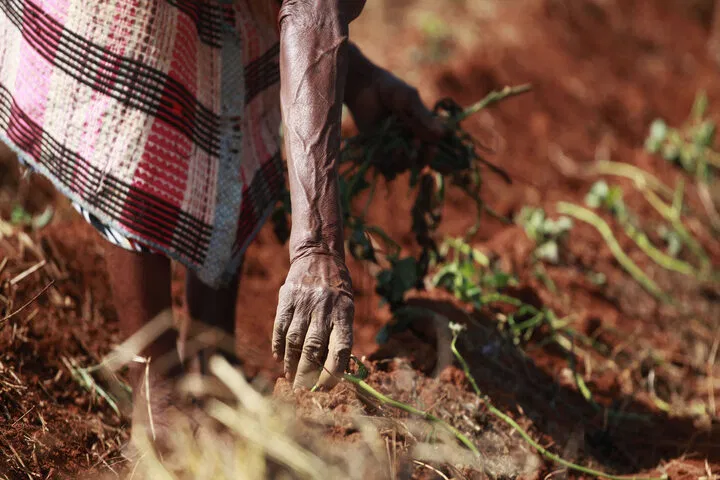
The regions of the Northern Cape and Karoo are among the driest in all of South Africa, typically receiving around 200mm of rainfall annually. The semi-arid Karoo is particularly challenging for cannabis cultivation, and agriculture in general, as a result of the soaring summer temperatures and minimal rainfall.
Growing cannabis in these regions requires careful planning and water management to overcome the harsh conditions.
KwaZulu-Natal and Eastern Cape
Coastal and eastern regions here benefit from higher rainfall, especially during the summer months. KwaZulu-Natal, for example, receives over 1000mm of rain annually. However, even in this relatively lush areas, water conservation has become increasingly important due to the recent climate variability.
Gauteng and Mpumalanga
The areas of Gautang and Mpumalanga enjoy a moderate climate and receive about 500-1000mm of rain annually, mainly in the summer months. However, droughts and water restrictions in recent years have affected agriculture in these regions as well, with water supplies occasionally stretched thin.
Recent Drought Statistics
The South African Weather Service reported in 2020 that drought conditions affected over 90% of the Northern Cape and nearly 50% of the Eastern Cape. In 2023, rainfall patterns were again below average in many parts of the country, which particularly affected the Western and Northern Capes. Seasonal changes and increasingly irregular rainfall patterns have intensified the need for efficient water management techniques, especially for water-sensitive crops such as cannabis.

Choosing the Right Cannabis Strain for South Africa
South Africa’s diverse climate and region-specific growing conditions require careful consideration when choosing a cannabis strain. The right strain can thrive in the local climate, resist pests and diseases, and produce high-quality buds. Selecting a strain that is well-suited to your specific region can significantly enhance your chances of a successful harvest.
Climate-Resistant Strains
When choosing a cannabis strain for South Africa, look for climate-resistant strains that can thrive in the local climate. Here are some popular options:
- Strawberry Cheesecake Auto: Known for its ability to tolerate hot, dry conditions, Seedsman's Strawberry Cheesecake Aauto has the kind of genetics that will take the sting out of growing in such climates. Ruderalis genetics tend to do well in harsh climates, and this one rewards you with superb yields, high potency, and a quick turnaround time.



- Gelato 41 BX: This hybrid strain is resistant to mold and copes well in hot, dry conditions, making it an excellent choice for arid zones and regions with higher humidity, such as KwaZulu-Natal. Gelato 41 BX produces dense, potent, high-quality buds and can adapt to different growing conditions.


- Purple Oreoz F1: This phenomenal F1 hybrid, along with others in the Seedsman F1 collection, has the kind of genetics needed to thrive in dry climates, going some way to alleviate a major headache for growers. Purple Oreoz F1 does that, and much more.


By selecting strains that are adapted to your local climate, you can reduce the risk of crop failure and ensure a bountiful harvest.
Effective Watering Strategies for Cannabis Cultivation in Dry Regions
So, how does this affect you as a cannabis cultivator in South Africa? Your needs will depend on where in the country you grow your crops, but the good news is there are several strategies you can use to keep enough water on hand to quench your plants’ thirst and encourage healthy, thriving cannabis. Ensuring proper watering methods is crucial to prevent root rot, nutrient lockout, and plain old dehydration. In drought-prone regions, precision irrigation can maximize water efficiency and promote healthy plant growth. Proper watering techniques are especially crucial for flowering plants to prevent issues like mildew and bud rot.
Drip Irrigation Systems
Drip irrigation systems are a game-changer for cannabis growers in water-scarce regions. These systems deliver water directly to the plant’s root zone through slow-drip emitters, minimizing runoff and evaporation. Studies have shown that drip irrigation can reduce water use by 30-60% compared to conventional methods, a critical benefit in arid areas like the Karoo and Western Cape. Drip irrigation systems are particularly beneficial for outdoor cannabis gardens, where water conservation is critical.
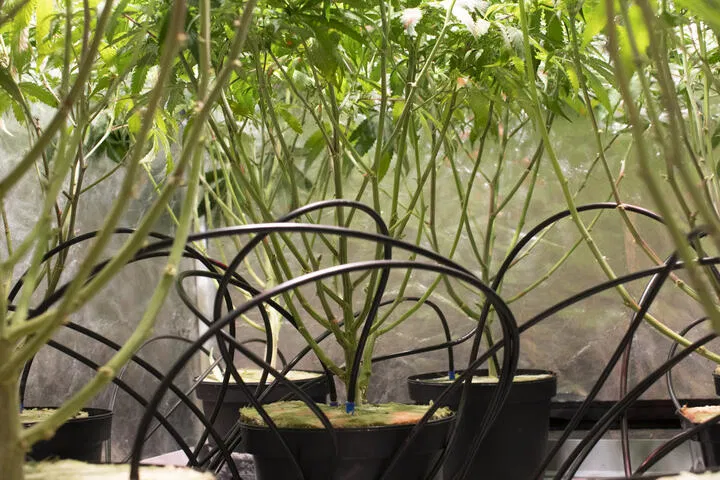
Advantages: Precision watering prevents overwatering, reduces water loss, and allows for controlled nutrient delivery – good for the environment and great for the plants.
Setup Tips: Place emitters around the root zone, rather than directly on the stem, to encourage healthier root systems. Make sure you regularly check emitters for blockages, as hard water can lead to mineral buildups.
Mulching for Moisture Water Retention
Applying a layer of organic mulch around cannabis plants is one of the simplest ways to retain soil moisture. Mulch is great for reducing surface evaporation, regulating soil temperature, and suppressing weed growth, and conserves water in the process.
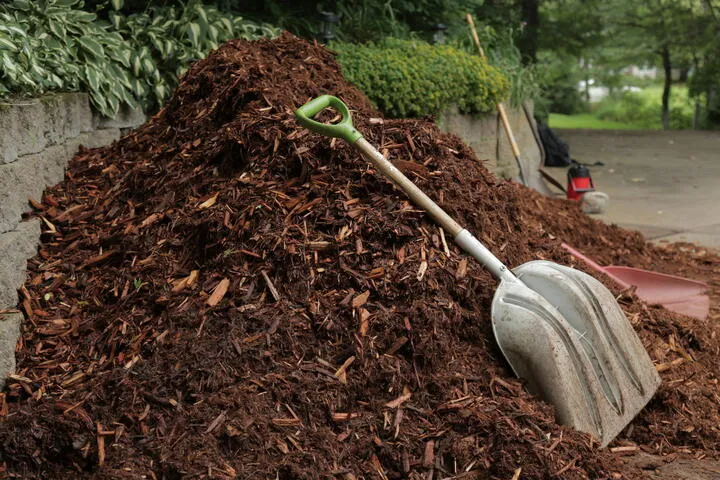
Best Materials for Mulching: Utilise wood chips, compost, coconut coir and straw for mulching materials. In water-scarce areas, it’s best to prioritize materials that decompose slowly to provide longer-lasting coverage.
How to Apply: Spread a layer approximately 2-3 inches thick, around the base of each plant, taking care to keep the mulch away from the stem to prevent rot.
Timing of Irrigation
The timing of irrigation has a direct impact on water efficiency. For best results, water your plants in the early morning or late afternoon, when temperatures are lowest, and evaporation rates are likely lower.
Proper timing of irrigation is especially important during the flowering stage to ensure optimal bud development.
Early Morning Irrigation for Young Plants
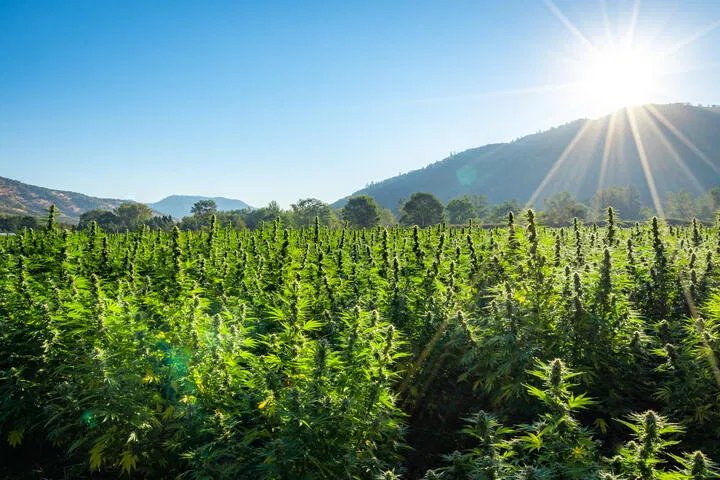
Set your alarm and be prepared for an early rise! Watering around sunrise allows your plants to absorb moisture before the day heats up. Early watering is especially recommended in regions like the Northern Cape, where afternoon temperatures can get good and high, exceeding 35ºC.
Avoid Midday Watering
Watering during the hottest part of the day sets you up for problems. Evaporation loss can lead to plant root problems, especially in those high-temperature regions.
Water Conservation Techniques for Drought-Prone Regions
Water conservation is an essential component of sustainable cannabis cultivation in South Africa, especially in areas frequent droughts are likely. By implementing water-saving techniques, you can help reduce dependency on municipal supplies and groundwater resources, supporting more resilient and eco-friendly growing practices.
Rainwater Harvesting
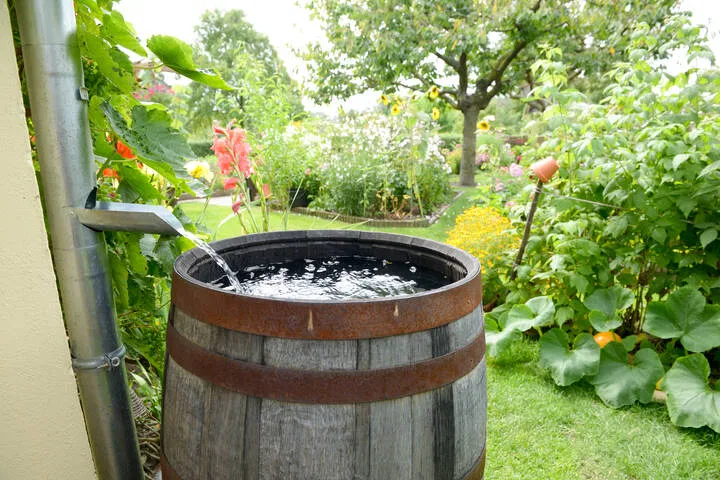
South Africa’s erratic but intense rainfall events make rainwater harvesting a valuable strategy for cannabis growers, especially during the wetter months in regions like KwaZulu-Natal. By collecing and storing rainwater, cannabis growers can build an accessible water source to cover any dry periods, reducing your reliance on precious municipal water.
How To Collect Rainwater To Use on Your Plants
Connect large rain barrels or storage tanks to gutters and downspouts to collect rainwater. Include a filter system to remove any debris from your collected rainwater before you use it on your plants.
Legal Considerations
In South Africa, rainwater harvesting is permitted, but you should ensure any systems are set up to prevent contamination of groundwater sources.
Soil Amendments For Water Retention
Amend your soil with water-retaining materials can reduce the necessary frequency of watering by holding onto moisture near the roots. This means plants still get thirsty, but not just as readily. This technique is especially useful if you’re a cannabis grower in one of South Africa’s arid regions like the Karoo.
Recommended Soil Additives
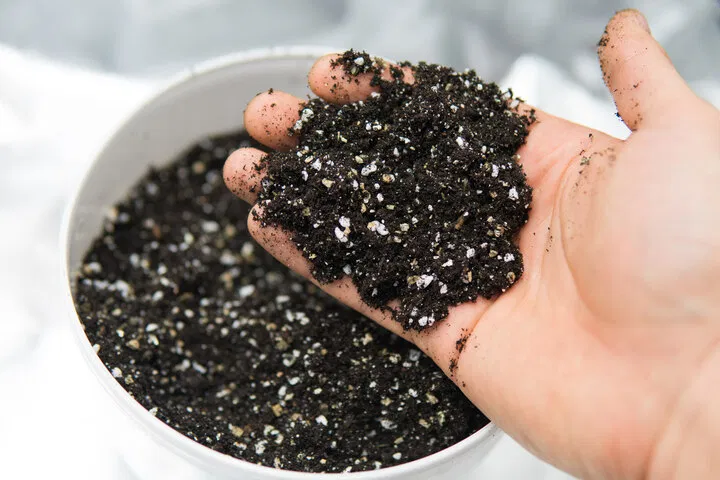
Perlite, vermiculite and coconut coir are excellent tools for enhancing your soil’s water-holding capacity. Compost also improves water retention while adding nutrients to the soil – which is a fabulous bonus for your girls.
Healthy soil amendments can significantly impact the yield of female plants, which are the ones that produce buds.
How To Apply
Mix soil amendments in the top 10-15cm of the soil to improve moisture retention and root access to water.
Grey Water Reuse
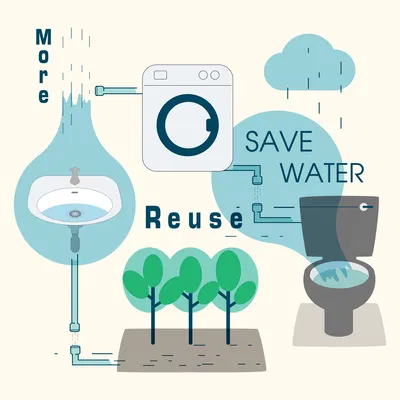
Recycling grey water (water from household activities such) can be an effective way to tide plants over for a short period of time in regions facing severe water restrictions. There are a few crucial rules to abide by to avoid harming your plants:
Water Sources for Grey Water
Be mindful of which sources you get grey water from. Namely, avoid anything with chemicals in it (so if you just done the dishes or washed the floors, do NOT recycle this water for your cannabis plants. Water should have had light use (such as washing vegetables or rinsing) and contain no chemicals.
Grey water should be filtered well before use on plants, for purity and to avoid clogging irrigation systems.
Managing Cannabis Irrigation During Drought
During drought conditions, cannabis plants require careful management to ensure their survival without overusing limited resources of precious water. Here’s some targeted strategies for watering cannabis in drought-prone areas of South Africa:
Growing weed in drought-prone areas requires innovative strategies to ensure plant survival and yield.
Reduced Watering Frequencies During Flowering Stage
To conserve water during droughts, reduce the frequency of watering while increasing the amount per session. This encourages deep root growth, helping plants access moisture deeper in the soil.
Adjust irrigation schedules based on soil moisture. If the top 2 inches of soil are dry, water deeply to encourage root growth and drought resilience.
Low-Water Cannabis Strains
Cannabis genetics have been steered to produce solutions to common problems, and that includes drought. Choosing cannabis strains bred for drought tolerance can help reduce the water demands on your crop, so look for strains specifically bred for resilience in arid conditions. Such strains will perform well even with reduced water. The classic Durban Poison makes a great example of this, known for its hardiness and ability to adapt to harsh environments. Landraces typically cope well here as they’ve adapted and survived to conditions over generations.
These strains are specifically bred to produce buds even under low-water conditions, making them ideal for drought-prone regions.
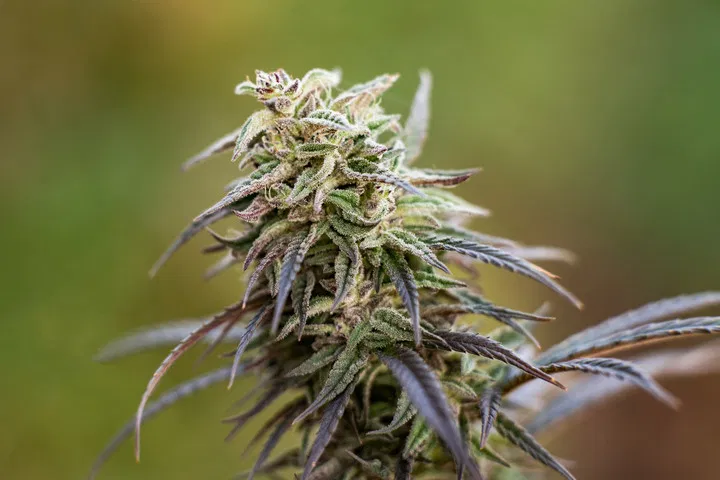
Watering Cannabis Plants in Different Growth Stages
Cannabis plants have different watering needs at various growth stages. Understanding these needs is crucial for optimal plant growth and maximizing yields. Tailoring your watering practices to the specific requirements of each growth stage can promote healthier plants and better overall results.
Watering Young Plants
Young cannabis seedlings and clones require frequent watering to establish a strong root system. Here are some tips for watering young plants:
- Frequency: Water young plants when the top inch of soil feels dry to the touch. This ensures that the roots have access to moisture without becoming waterlogged.
- Amount: Use a gentle watering method to avoid disturbing the delicate roots. A spray bottle or a watering can with a fine spout works well for this purpose.
- Avoid Overwatering: Overwatering can lead to root rot and other problems. Ensure that the soil has good drainage and that excess water can escape easily.
- Gradual Adjustment: As young plants grow, gradually increase the time between waterings. This encourages the roots to grow deeper in search of moisture, promoting healthier root systems and greater drought resilience.
By paying close attention to the watering needs of young cannabis seedlings, you can set the foundation for strong, healthy plants that will thrive throughout their lifecycle.
By integrating these new sections, the article will provide a comprehensive guide to watering cannabis plants in South Africa, addressing the unique challenges posed by the local climate and offering practical solutions for successful cultivation.
Sustainable Practices for Long-Term Water Management
Lastly, cannabis cultivators in South Africa can adopt long-term water management practices to protect their crops against Unpredictable weather and droughts. Integrating sustainable solutions creates a self-sustaining ecosystem that benefits both the crop and the local environment.
Biodiversity and Companion Planting
Planting drought-resistant companion plants around cannabis can retain soil moisture, reduce wind erosion, and even deter pests. Herbs like sage, thyme, and rosemary make excellent companions, creating a microclimate that reduces water loss and supports healthier cannabis growth.

Using Smart Irrigation Controllers
In handling nature's challenges, technology can be your friend. Smart irrigation controllers can automatically adjust water usage based on weather conditions, soil moisture levels, and plaant needs. These devices are invaluable for growers in regions with fluctuating rainfall, as they optimize irrigation based on real-time data.
Pair a smart controller with a soil moisture sensor to create a responsive watering system that conserves water without compromising plant health.
Conclusion
If you grow cannabis outdoors in South Africa’s drought-prone regions, coping with drought requires careful planning, innovative irrigation techniques, and a commitment to water conservation. By using drip irrigation, mulching, rainwater harvesting, and soil amendments, growers can efficiently manage their water use, support healthy plant growth, and ensure a sustainable approach to cultivation. Embracing these methods not only protects crops but also contributes to a more resilient agricultural future for South Africa’s diverse and often challenging climate.