

Growing cannabis from seed outdoors in South Africa offers cultivators a rewarding opportunity, thanks to the country’s diverse climates and ample sunlight. However, success results from understanding how these environmental factors influence your grow. In this guide, we’ll explore the essentials of outdoor cannabis cultivation, covering everything from selecting the right outdoor cannabis seeds to managing common South African pests, mold, and more. Want to know the secrets to growing primo Dagga in South Africa? Follow the steps below for success.
Understanding the South African Climate
South Africa’s climate is incredibly varied, ranging from the Mediterranean-like conditions of the Western Cape to the subtropical humidity of KwaZulu-Natal and even the semi-arid deserts of the Northern Cape. Understanding the nuances of your local climate will profoundly impact the success of your cannabis grow.
The first step in optimizing your cannabis cultivation is to understand how these diverse climates affect plant growth.

In the Western Cape, summers are typically hot and dry, with minimal rainfall. This region mimics Mediterranean climates, making it ideal for cannabis strains that thrive in extended periods of sunshine. The mild winters may offer some respite, but the risk of water shortages during the dry season means careful irrigation planning is essential.
On the opposite end of the spectrum is KwaZulu-Natal, where summers are hot, humid, and marked by significant rainfall. This subtropical region demands careful strain selection and robust mold-prevention measures. Mild winters mean that your plants may continue to flourish without the risk of frost, but the high moisture content in the air poses its own challenges.
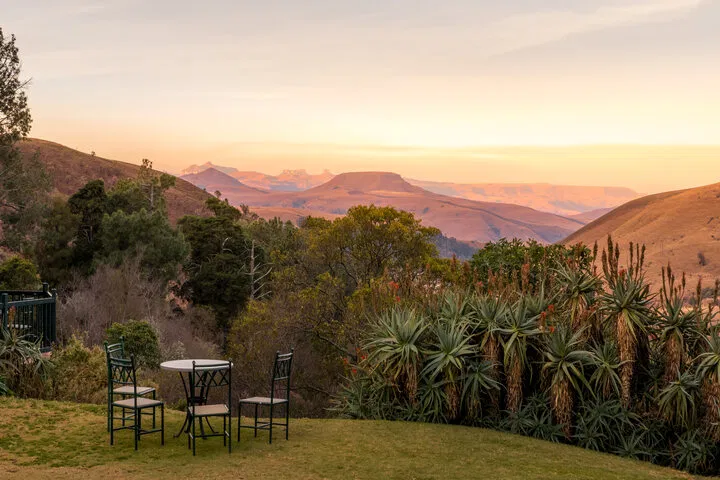
In regions like Gauteng and Limpopo, summers can be very hot and dry, with substantial temperature fluctuations between day and night. While these areas don’t face the same humidity issues as the subtropics, they do present challenges in terms of water management and the risk of heat stress during the hottest months.
The Eastern Cape enjoys a fairly mixed climate, with subtropical and Mediterranean-type climates in the coastal areas, and hotter temperatures further inland. Meanwhile, the Northern Cape presents the harshest conditions, with extremely hot, dry summers and cold, arid winters. Cannabis growers in these regions must choose hardy strains that can withstand severe environmental stressors.
Choosing the Right Outdoor Cannabis Seeds for the South African Climate
Selecting the correct strain of cannabis is one of the most critical decisions for outdoor cultivation. Each strain reacts differently to environmental stressors, such as temperature, humidity, and light cycles, which vary significantly across South Africa. For these reasons, choosing outdoor cannabis seeds requires attention to detail.
For growers in the Western Cape where summers are long, dry, and sunny, growing sativa-dominant strains such as Badazz OG Cheese are a perfect choice when growing cannabis from seed. These plants are well adapted to warmer, drier conditions and have longer flowering periods that coincide well with the extended summers of this region. Sativas are naturally resistant to mold, which is ideal in regions with low humidity.

Buy Seedsman Badazz OG Cheese Seeds



In KwaZulu-Natal, ideal outdoor cannabis seeds lean towards indica-dominant strains or hybrid strains with some indica lineage, as these tend to perform better. Strains like White Widow or Blue Dream can tolerate the high humidity and occasional heavy rainfall of this subtropical region. Indicas have shorter flowering periods, which reduces the window of exposure to mold and other moisture-related issues. Their compact, bushy growth also makes them less susceptible to wind damage, which can be common in coastal or high-rainfall areas.

Buy Seedsman Blue Dream and White Widow Seeds


In areas such as Gauteng and Limpopo, where dry, hot conditions prevail, the best outdoor cannabis seeds include hybrid strains like Peyote Gorilla or Green Crack Auto, which tend to thrive well in climates such as these. These plants are resilient, handling both intense heat and occasional drought-like conditions with relative ease. Their ability to withstand environmental stress, combined with their good resistance to pests, makes them suitable outdoor cannabis seeds for these challenging regions.
Buy Seedsman Green Crack Auto and Peyote Gorilla Seeds


For growers in the Eastern Cape where conditions are moderate with fluctuating humidity, growing cannabis from seed tends to lend itself best to balanced hybrids like Jack Herer or indica-dominant strains such as Gelato 41BX, which tend to perform well. These strains can handle the changing climate, from hot summer days to cooler nights, and generally fare well in areas that don’t experience the extremes of other parts of the country.

Buy Seedsman Gelato 41BX and Jack Herer Seeds


In the Northern Cape, where conditions are dry, with scorching summers and cold winters, choosing outdoor cannabis seeds that can handle such extreme weather is crucial. Autoflowering strains like Alaskan Bananaberry Auto or hardy hybrids such as Strawberry Banana Grape are recommended for their resilience in tough conditions and their ability to finish flowering before environmental stress impacts the crop. These strains often have ruderalis genetics, giving them the hardiness needed to withstand desert-like conditions.
Buy Seedsman Strawberry Banana Grape and Alaskan Bananaberry Seeds


Preparing the Soil for Cannabis Growing
Preparing the soil for cannabis growing is a crucial step in ensuring a healthy and productive crop. In South Africa, the soil can be quite challenging, with high levels of acidity and low levels of nutrients. To prepare the soil, start by testing its pH level and adjusting it if necessary. A pH range of 6.0-7.0 is ideal for cannabis growth.
Next, add organic matter such as compost or manure to improve the soil’s structure and fertility. This will help to increase the soil’s water-holding capacity and provide essential nutrients for the plants. It’s also important to remove any debris or rocks from the soil to ensure good drainage and aeration.
In South Africa, it’s common to use a mixture of soil and perlite or vermiculite to improve drainage and prevent waterlogging. This is especially important in areas with high rainfall or poor drainage.
Germinating Cannabis Seeds Outdoors
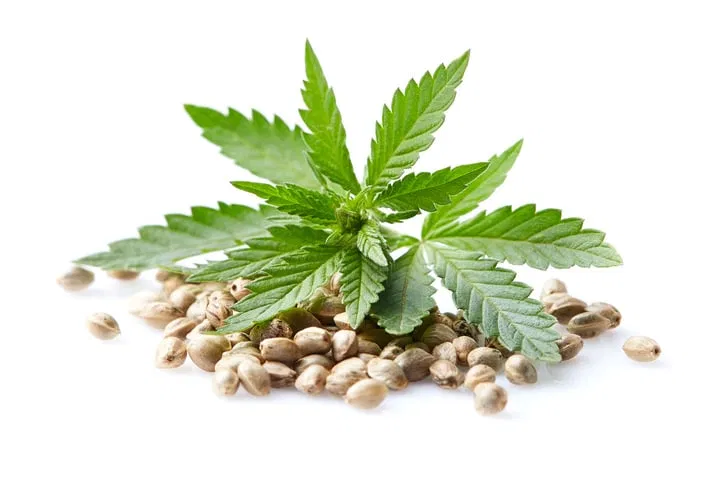
Germinating cannabis seeds outdoors can be a bit more challenging than indoors, but with the right conditions, it can be a successful and rewarding experience. In South Africa, the best time to germinate cannabis seeds outdoors is during the spring or early summer, when the weather is mild and there is ample sunlight.
To germinate cannabis seeds outdoors, start by preparing the soil as described above. Then, plant the seeds about 1-2 cm deep and 2-3 cm apart. Cover the seeds with a thin layer of soil and water gently.
Keep the soil consistently moist but not waterlogged, and provide the seeds with indirect sunlight. It’s also important to protect the seeds from pests and diseases, such as slugs and snails, which can be prevalent in South African gardens.
Selecting the Right Substrate for South African Conditions
The success of your outdoor cannabis grow is largely dependent on the substrate, or growing medium, you choose. The diverse climates across South Africa mean that substrate requirements will vary from region to region, but generally, well-draining soils enriched with organic matter work best.
In regions like the Western Cape where the soil is often sandy or rocky, mixing sandy loam with compost and organic amendments is ideal. This type of substrate ensures good drainage, which is essential in preventing root rot in dry climates, while still retaining enough moisture to sustain the plant between waterings. Adding organic matter like compost increases the soil’s water-holding capacity, a valuable trait in a region that experiences long, dry summers.
In KwaZulu-Natal where humidity and rainfall are significant factors, well-draining potting mixes enhanced with coco coir or perlite are a smart choice when growing cannabis from seed. These substrates promote aeration and reduce the risk of waterlogging, which is a common problem in wet, humid environments. The key here is to ensure that roots remain oxygenated, as wet soils can quickly lead to fungal diseases if proper airflow isn’t maintained.
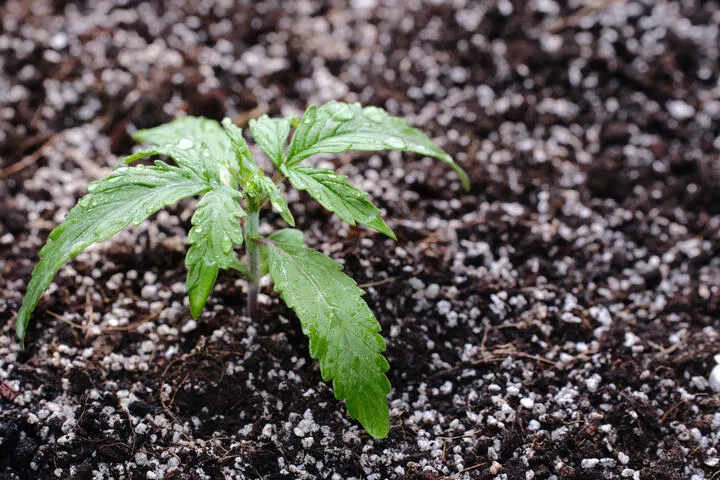
For growers in the semi-arid regions like Gauteng, Limpopo, or the Northern Cape, loamy soils mixed with water-retentive materials such as peat moss or vermiculite are ideal. These materials help retain moisture during dry spells while ensuring that the roots do not become waterlogged. Organic matter is again crucial here to help improve the soil's ability to retain water and nutrients.
Managing the South African Climate Through Each Growth Stage
Seedlings, which are the most vulnerable phase of cannabis growth, require special care, particularly in harsh climates. In areas like Gauteng or the Northern Cape, where temperatures can soar, it’s vital to provide young plants with some form of protection from the intense sun and wind. Using shade cloths or growing seedlings in partially shaded areas can help prevent heat stress. In humid regions like KwaZulu-Natal, ensuring airflow around the seedlings will help reduce the risk of fungal infections, such as damping-off, which thrive in wet conditions.
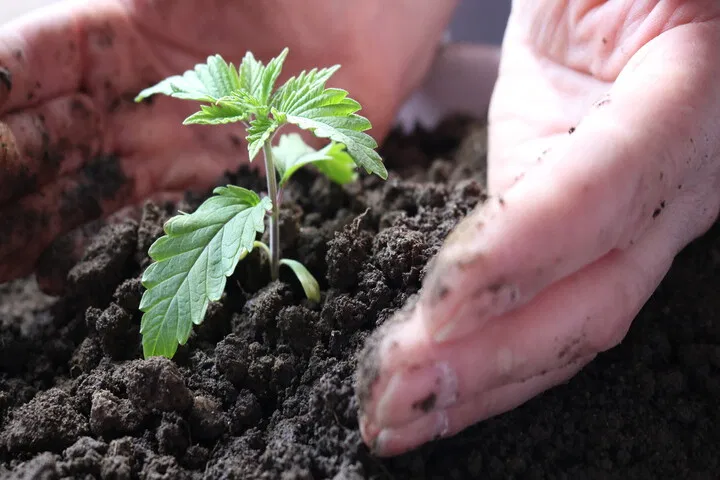
As your plants move into the vegetative stage, their demand for sunlight increases. In regions like the Western Cape, this is a period of rapid growth as plants take full advantage of the hot, sunny climate. However, it’s crucial to water plants in the early morning or late evening to prevent heat stress. In humid areas, spacing plants well apart to allow for good airflow can prevent fungal issues and promote healthier growth. In semi-arid regions, keeping the soil moist and well-mulched is important to avoid dehydration and nutrient deficiencies.
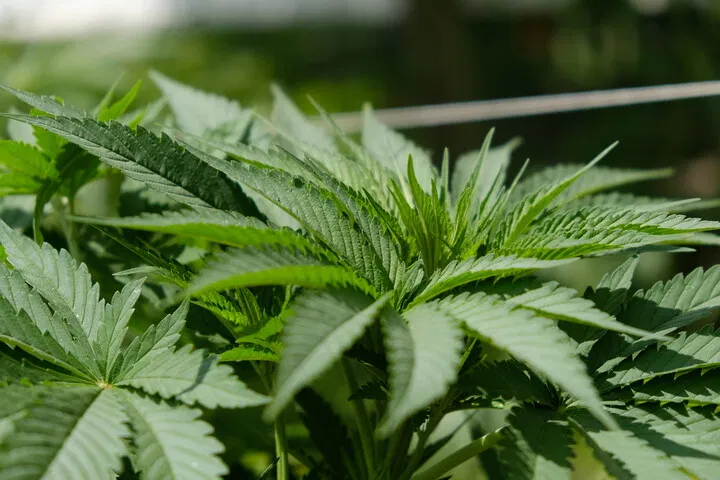
During the flowering stage, environmental factors become even more critical. High humidity during flowering in regions like KwaZulu-Natal or the Eastern Cape increases the risk of mold, especially Botrytis, or bud rot. Pruning lower branches and leaves will improve air circulation and reduce moisture buildup around the dense buds. In drier areas, consistent but careful watering is necessary to prevent nutrient lockout and dehydration during this crucial phase.
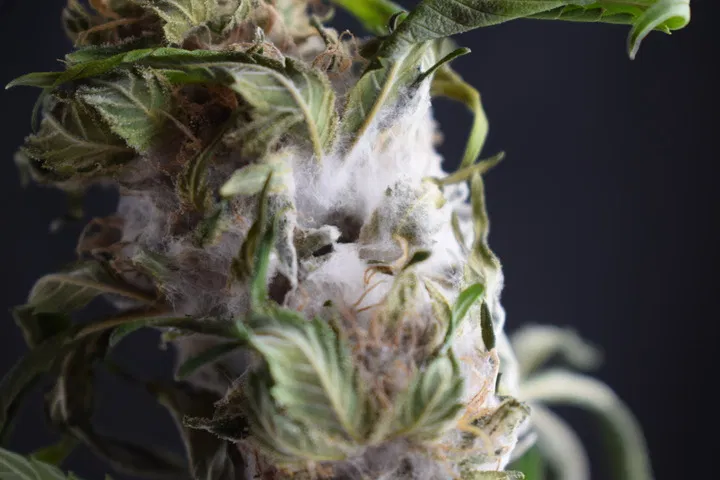
Finally, harvest time must be carefully timed in South Africa. In regions prone to early autumn rains, like the Eastern Cape and KwaZulu-Natal, harvesting just before the rainy season begins will help avoid mold outbreaks in the final days. Keeping a close eye on trichome development and using a magnifying glass to gauge maturity is key to ensuring optimal cannabinoid content at harvest.
Common Pests in South Africa and How to Manage Them
South Africa’s diverse environment also means a variety of pests that can affect outdoor cannabis crops. Aphids, for example, are a common problem in many regions. These small insects suck the sap from plants, leading to weakened growth and reduced yields. Regular inspections and the use of organic pesticides like neem oil can help control aphid populations. Additionally, introducing natural predators such as ladybugs can reduce aphid infestations naturally.
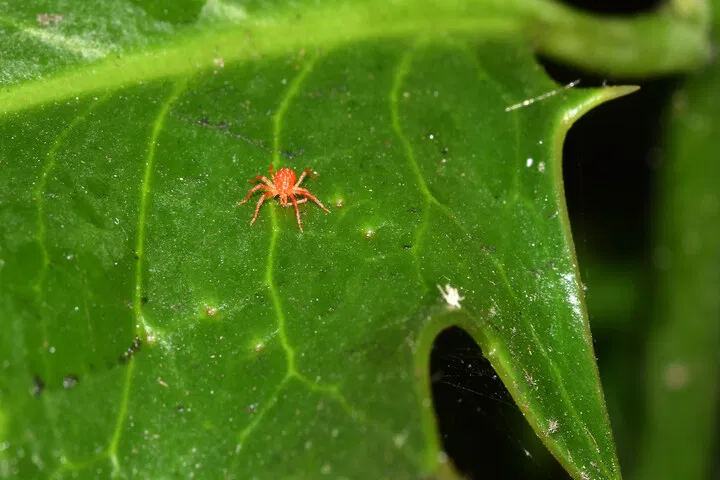
Spider mites are another common pest, especially in hot, dry areas. These tiny, red or black mites can cause significant damage by feeding on plant sap and spinning webs on the undersides of leaves. Increasing humidity levels and using insecticidal soap can help keep these mites at bay.
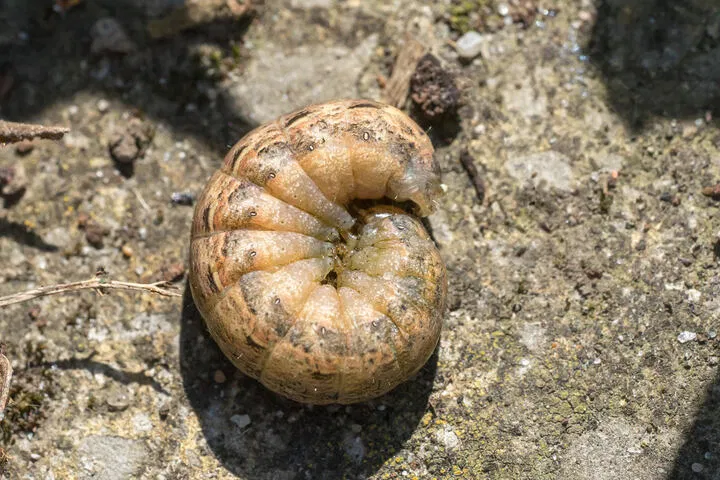
Cutworms, common in the Eastern Cape, are caterpillars that tend to attack young plants by cutting them off at the base. To prevent cutworm damage, placing barriers like diatomaceous earth around the base of the plants or using organic mulches can help deter them.
Finally, grasshoppers are a frequent nuisance, especially in rural areas. These large insects can devour leaves rapidly, reducing the plant’s ability to photosynthesize. Using floating row covers and spraying neem oil are effective preventative measures.
Managing Mold Risks
Mold is a significant issue for outdoor cannabis growers in South Africa, particularly in regions with high humidity, like KwaZulu-Natal and the Eastern Cape. The most common types of mold include Botrytis, also known as bud rot, andpowdery mildew.
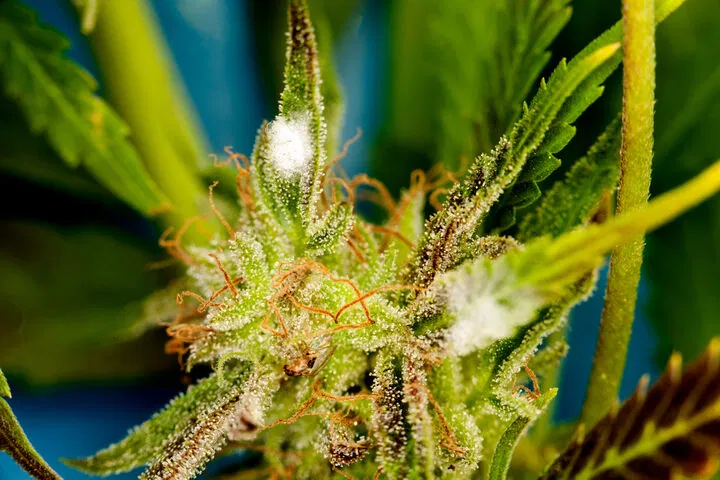
Bud rot starts from the inside of the bud and spreads outward, often going unnoticed until the damage is severe. To mitigate this risk, ensure your plants are pruned to allow for ample airflow, and avoid overhead watering. Removing any affected buds immediately can help prevent the spread of mold to other parts of the plant.
Powdery mildew appears as a white, powdery substance on the leaves and stems. It thrives in humid, shady conditions, so it’s essential to avoid over-watering and maintain good airflow around the plants. Organic fungicides like neem oil or potassium bicarbonate sprays can help control the spread of powdery mildew. In very humid climates, reducing plant density and spacing plants apart will allow for better air circulation and prevent moisture buildup.
Outdoor Cannabis Growing Laws and Regulations in South Africa
In South Africa, the laws and regulations surrounding outdoor cannabis growing are still evolving. In 2018, the Constitutional Court ruled that the possession, cultivation, and use of cannabis for personal use is legal. However, the laws surrounding commercial cultivation and sale are still unclear.
In general, it is recommended that outdoor cannabis growers in South Africa follow the same guidelines as indoor growers, including obtaining a permit from the relevant authorities and ensuring that the grow is secure and out of sight.
It’s also important to note that outdoor cannabis growing can be subject to various environmental factors, such as weather, pests, and diseases, which can impact the quality and yield of the crop.
Harvesting, Drying, and Curing Cannabis
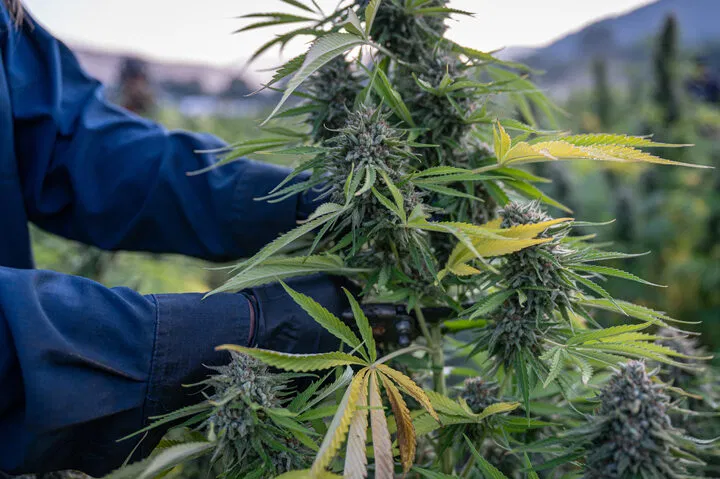
Harvesting, drying, and curing cannabis are critical steps in the cannabis growing process. In South Africa, the best time to harvest cannabis is when the buds are fully mature and the trichomes are cloudy and amber-colored.
To harvest cannabis, start by cutting the buds from the plant, leaving a small amount of stem attached. Then, dry the buds in a cool, dark place with good ventilation. This can take several days to a week, depending on the humidity and temperature.
Once the buds are dry, they can be cured in airtight containers to preserve their flavor and potency. Curing can take several weeks to several months, depending on the desired level of dryness and flavor.
In South Africa, it’s common to use a combination of drying and curing methods, such as air-drying and vacuum-sealing, to achieve the best results.
Growing Cannabis From Seed Outdoors In South Africa - Final Thoughts
Growing cannabis from seed outdoors in South Africa can be incredibly rewarding when done with the right knowledge. By selecting the right strain for your region, using the appropriate substrate, and managing your crop through its various growth stages with climate and pests in mind, you can enjoy a successful harvest. While challenges like pests, mold, and extreme weather may arise, a proactive approach will allow you to mitigate risks and produce a bountiful outdoor cannabis crop. Happy Growing!