

Of all the pathogens that can infect your cannabis grow, the fungal phenomenon known as bud rot is one of the worst. Ask any grower or farmer to tell you a story about bud rot, and their face will quickly change to wear an expression of anguish – or downright fury. But what does bud rot look like, and can anything be done to guard against it? Can it be eradicated from your cannabis plants? Seedsman takes a closer look.
Related Article:
How To Deal WIth Common Plant Pathogens: Powdery Mildew
What Is Bud Rot?
Bud rot – also known as grey mold, or to give its Sunday name, Botrytis Cinerea, is a common fungal pathogen that can strike at the heart of numerous crops. From soft fruits and vegetables to flowers, shrubs, and our beloved cannabis plants, bud rot is a hungry menace that will attack many crops with little discernment and no remorse.
Even worse, bud rot spreads fast and does significant damage. If you find it working through your grow space, you must act immediately or face the swift annihilation of your entire crop. If that sounds like a grave warning, it’s because it is. The threat posed by cannabis bud rot is hard to understate, and the speed with which it kills is almost impressive.
How Does Bud Rot Attack Plants?
Bud rot forms in climates with high humidity, so higher temperatures and moisture levels are like an open door to this menace. This grey mold infection can start through damaged tissues or natural openings and wounds in plants, allowing it to take hold and begin infecting the plant from the inside¹. One of the most frustrating things when trying to guard against bud rot is that, unlike some other pathogens, it doesn’t only strike during the plant growth phase. Without proper care and sanitary practices, bud rot can attack cannabis buds after harvest.
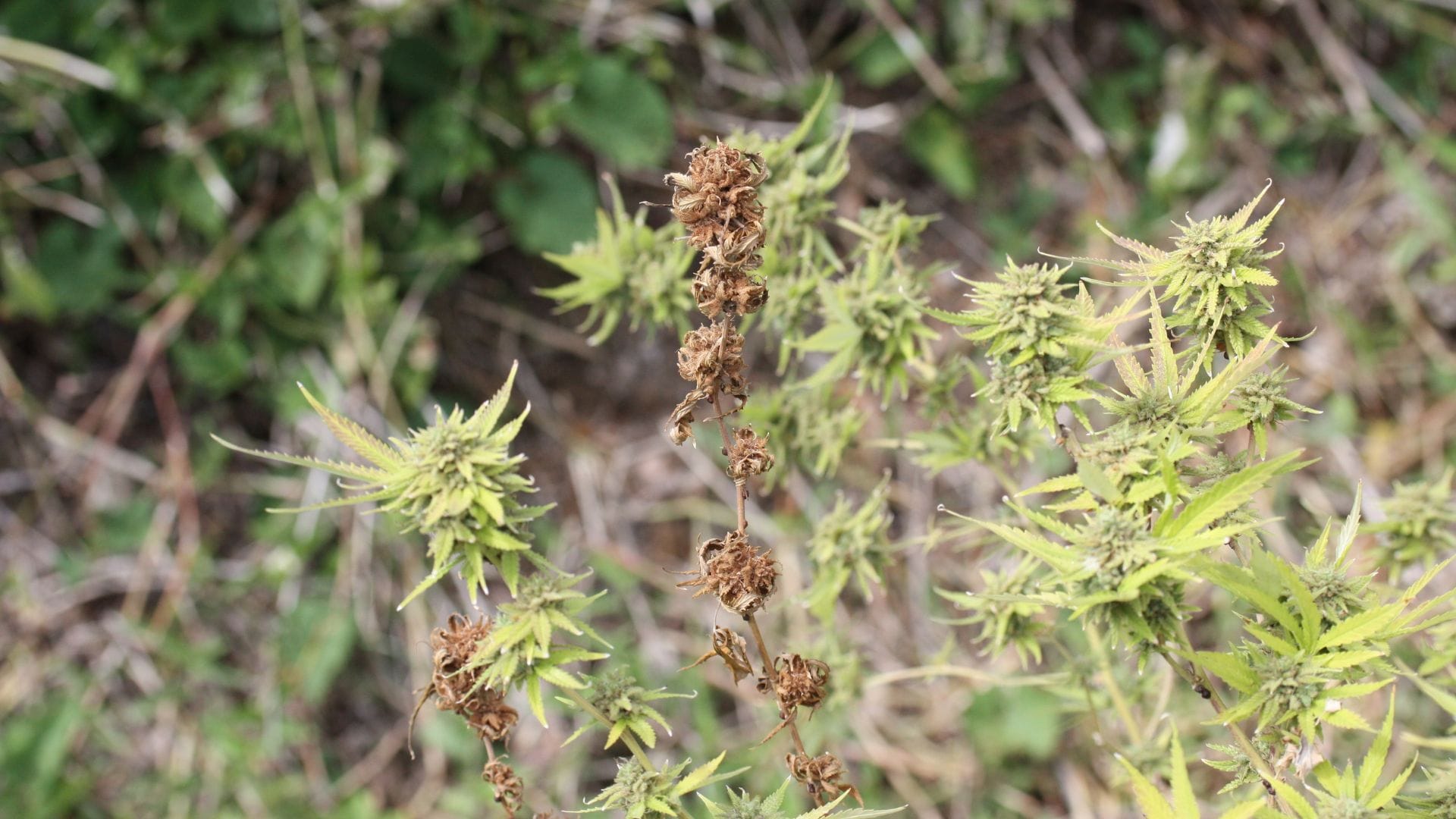
The thought of checking your precious gems during the drying and curing phase only to find they’ve developed a pathogen at this stage could easily keep you awake at night. Mold spores will appear on your buds, causing them to decompose. It will spread through your harvest quickly, destroying everything it comes in contact with in a day or two.
What Does Bud Rot Look Like?
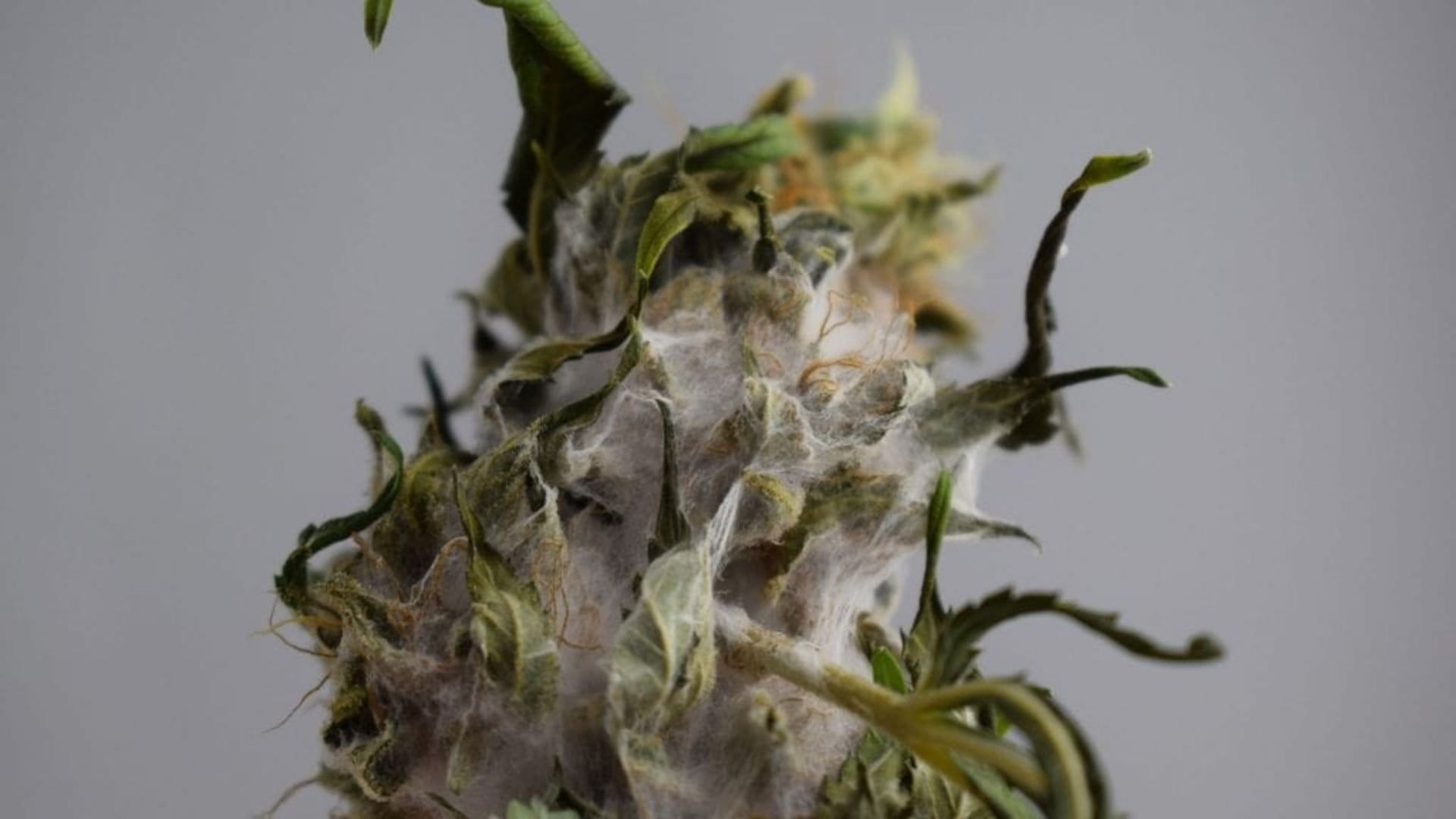
Although it can be tricky to identify in its earliest stages, bud rot is pretty easy to see with the naked eye. The first sign is usually tiny black dots on infected plant matter which then grows to a greyish webbing appearing on the leaves of plants. This webbing contains fuzzy spores which are quickly activated and then released. Those spores are a huge problem because they travel via wind and air and can also hitch a ride on you.
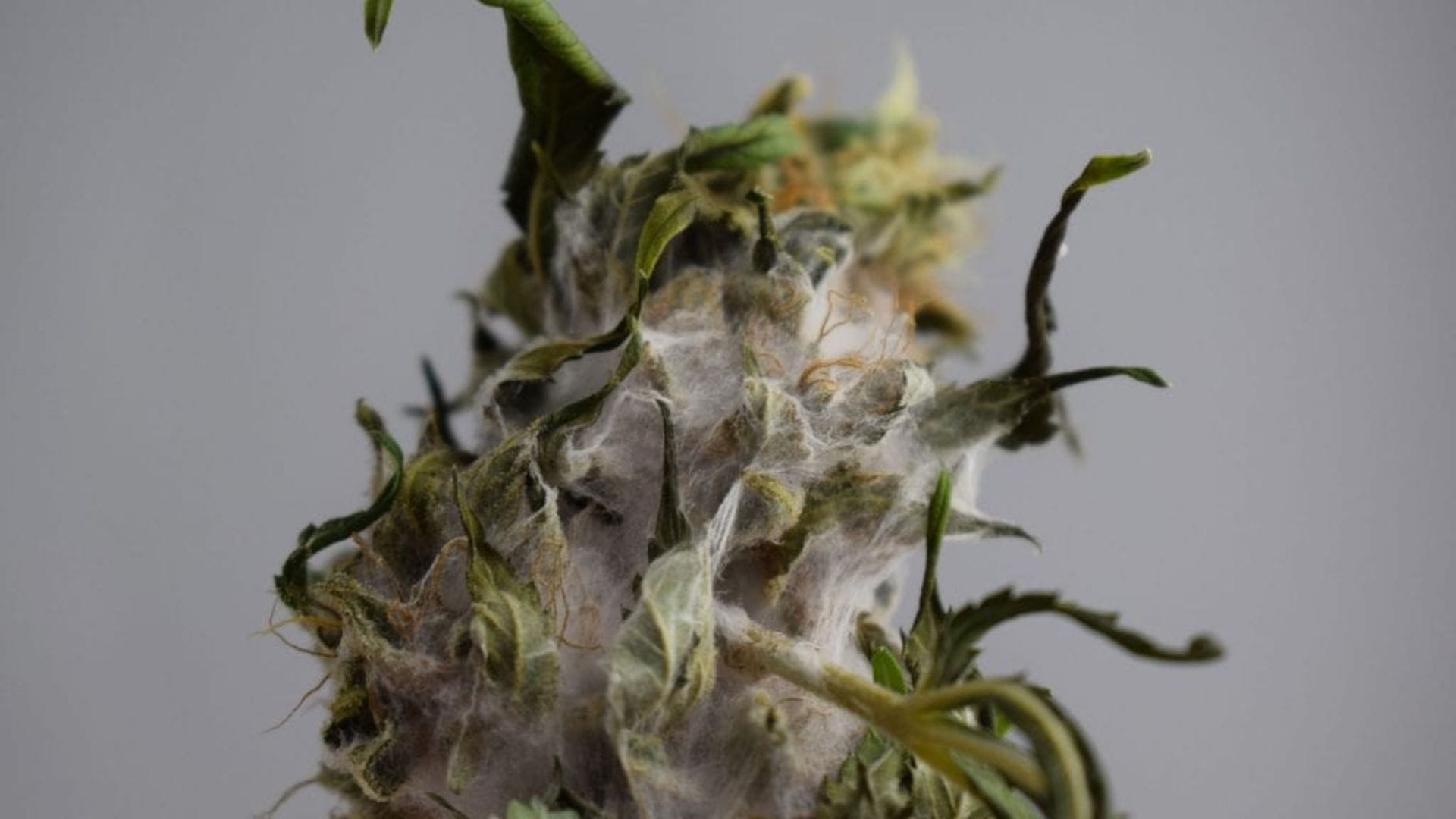
You’ll know your plants are infected when you see grey/brown discolouration. Your leaves begin to look soggy, dry, lifeless, and possibly even fall apart when touched. Bud rot can attack any part of the plant at any time and will usually begin by going after the stem. If you inspect your stems and find them to have a grey, mushy appearance, it’s a sign that bud rot has infiltrated your plant – and therein lies the biggest problem in detecting this nuisance.
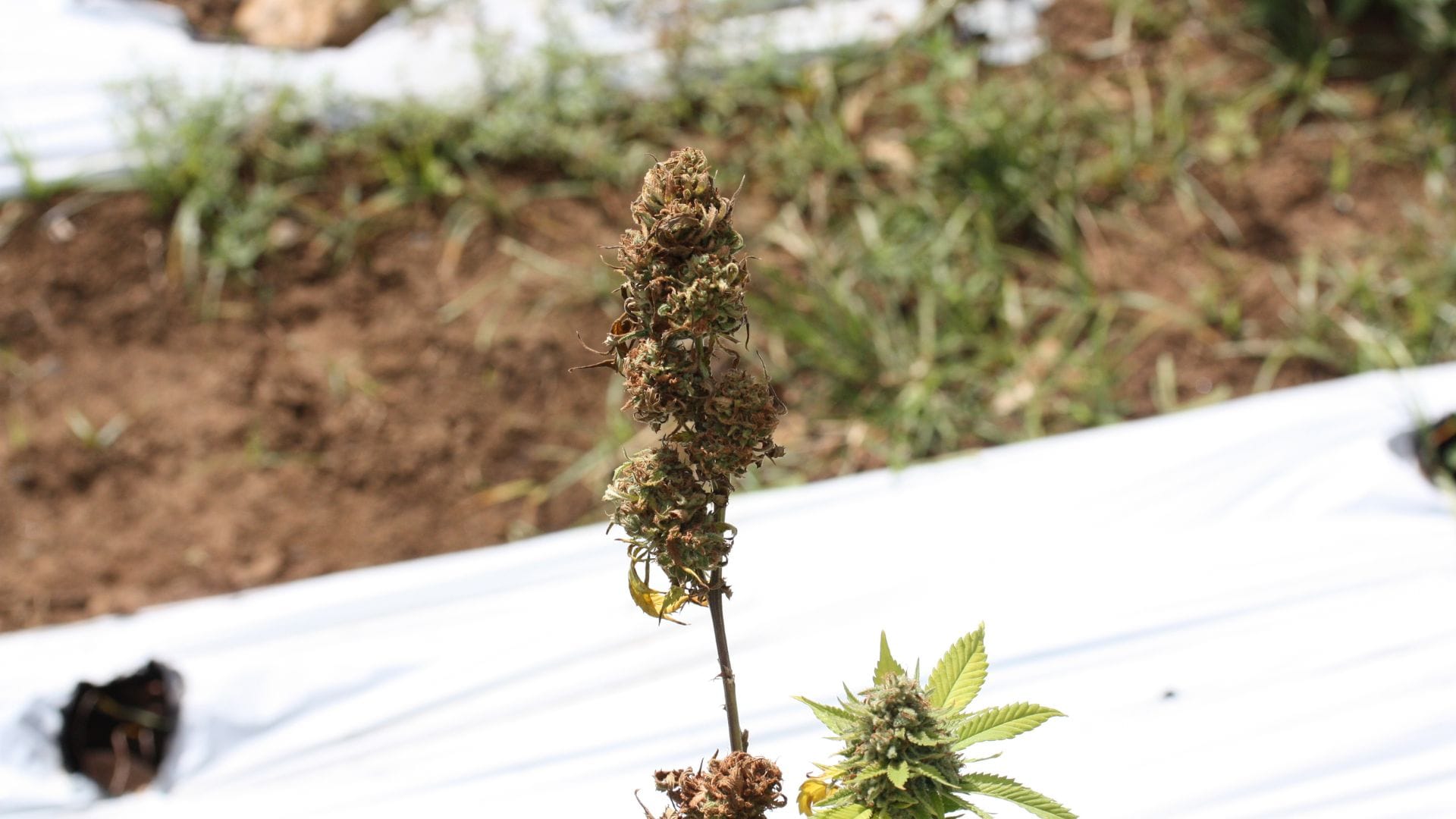
Bud rot starts on the inside of the plant and then works its way to the surface areas, so if you see signs, some damage has likely already occurred. More annoyingly, this sneaky infiltrator will manifest on the leaves, giving them a yellow, wilted look – so it can be hard to tell it apart from heat stress or nutrient burn at this stage. It’s most commonly found on the buds in the later periods of the flowering stage. As your plants expand, the increase in foliage density often has a restricting effect on intra-floral ventilation. Without that ventilation, things get hot under the canopy and in the inner areas of the plant especially. This makes for mold’s favourite environment, and without diligent checks and appropriate defoliation, your plants are at high risk of hosting the house guest nobody wants.
What Can You Do To Avoid Bud Rot?
When growing cannabis plants, choosing the correct genetics for your circumstances is key. Know your climate, and choose accordingly. Indicas tend to have large, full, fan leaves and denser buds, which makes it easier for bud rot to thrive. Sativas grow taller, and buds are less dense, making them less susceptible to mold growth. Seedsman carries a large selection of mold-resistant strains designed to help fend off pathogens.
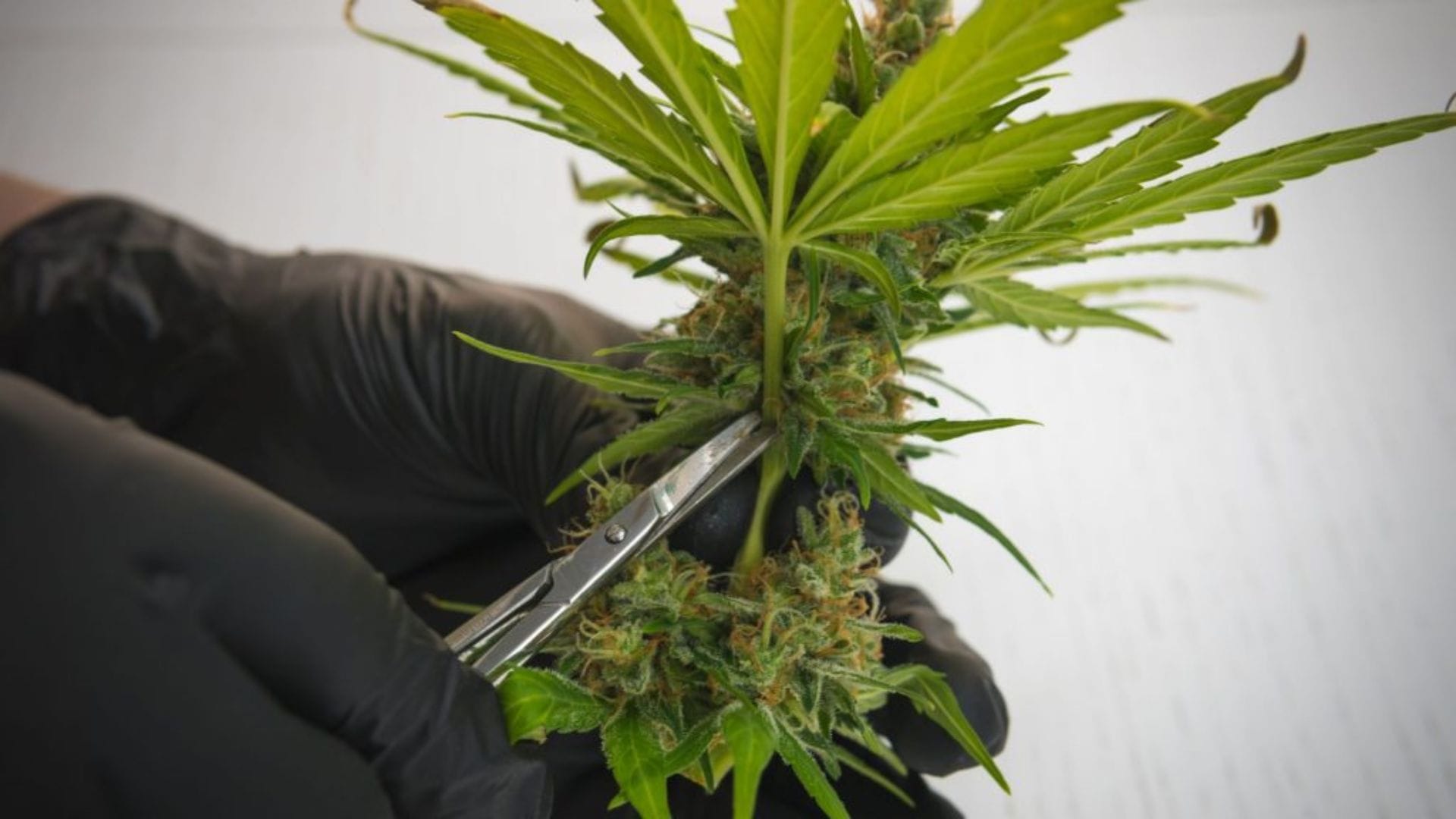
Good sanitary practices are key preventative measures. Keep all your growing tools clean and sanitise them before and after pruning - everything from pruning shears and scissors to stakes, labels, and more. Your entire growing environment should be kept spotless. Examine your plants regularly and thoroughly, knowing what to look out for.
Ensure good defoliation is carried out when required. Avoid letting your plants get too bushy in the central areas – especially near the bottom. Remove any wilted, fallen, or brown-looking foliage as soon as you notice it – dead and decaying foliage is an open invitation to botrytis. Wear clean latex gloves while carrying out tasks around your plants – not just for pruning, but anything involving plant manipulation – even just pulling back branches to inspect.
Controlling temperature and humidity levels in an outdoor grow is more challenging than in an indoor grow room but remains a vital tool in fending off bud rot. Indoors you can use a dehumidifier, whereas outdoors, you’ll have to rely on your ability to handle the climate differently. If your plants are in pots, you can move them to a place with more breathing access (where's there's a breeze) - good air circulation is a must.
Practice good plant spacing - make sure your plants aren’t touching. If you keep your crops all tightly bunched together, you’ll hinder airflow, handing bud rot an easy path to consume everything in your garden. Remember – bud rot can devastate your crop in just a few days.
Good watering practices such as watering in the early morning or the evening – can help keep plant humidity low. Be careful not to be too carefree or careless when watering, as the excess water may cause problems. Similarly, providing shelter to your plants in heavy rainfall is a good idea, as the excess moisture and humidity build-up can wreak havoc. If you can’t offer a temporary shelter during rainfall, give each plant a gentle shake to remove excess water once the rain stops.
What To Do If You Find Bud Rot On Your Cannabis Plants?
It’s tough to stop bud rot, but if you catch it soon enough, there are things you can do to ward off an infestation. Act as soon as you see signs of mold. Remove all infected plant material immediately and discard them in a sealed bag (to stop spores from spreading) or incinerate them well away from your other, unaffected plants. Quarantine the plant away from the others to give it a chance to recover, monitoring carefully.
If the infection is spread too far throughout the rest of the plant, you’ll have to destroy the entire plant - and nobody wants to have to kiss goodbye to a plant, but sometimes you have to sacrifice one for the good of the team.
Some cultivators recommend using an organic fungicide to quell the infestation, then spraying once a week afterwards as a prophylactic measure. If you opt for this measure, don’t take any chances - wear PPE and follow the instructions on the bottle to the letter.
Bud rot is like any other type of fungus - a massive headache that can quickly become an outdoor grower’s nightmare. Knowing what to look for is the first step, and once you can identify it, you can take the appropriate action quickly to save your plants.


