

It’s January, and by now your outdoor cannabis plants should be thriving, with sturdy stems and lush green leaves soaking up the summer sun. Next on the horizon is the flowering stage, when your plants transition from vegetative growth to producing those beautiful, bountiful buds.
If you’re new to growing cannabis, or even if you’re a seasoned grower, there are crucial steps you need to take to set your plants up for success during flowering. The initial growth process starting from the cannabis seed is vital for healthy development. From adjusting nutrient levels to tackling pests and ensuring your plants are ready to handle South Africa’s unique climate, proper preparation now will make all the difference to your final harvest.

From the Mediterranean-like Western Cape to the subtropical regions of KwaZulu-Natal, South Africa provides an excellent environment for cannabis cultivation. For outdoor growers, the flowering stage is a critical period. Proper preparation ensures a successful harvest, protecting months of hard work from the whims of nature, pests, and improper techniques. Before your beauties start budding, there’s some things to know, and some important steps to take.
Understanding the Flowering Stage
The flowering stage is the most critical phase in the cannabis plant’s life cycle. It marks the transition from vegetative growth, where plants focus on developing strong stems and leaves, to reproductive growth, where the energy shifts to producing buds. This stage is triggered by a reduction in daylight hours, typically beginning in late January or early February in South Africa. Outdoor growers benefit from nature’s rhythm, as the shortening days provide a seamless transition into flowering.
The flowering stage lasts between 6 and 12 weeks, depending on the strain. Understanding what happens during this period and how to manage it is key to maximizing your yield and ensuring the quality of your harvest. The flowering cycle significantly affects the flavor, quality, and potency of the cannabis, encouraging growers to pay close attention to their plants during this critical phase. Flowering is generally divided into two main phases: pre-flowering and full flowering. Each requires different care and attention.
Pre-Flowering Stage
The pre-flowering stage is the initial phase, typically lasting 1 to 3 weeks. During this time, the plant begins to show signs of its gender, and the foundation for future buds is laid.
What Happens During Pre-Flowering?
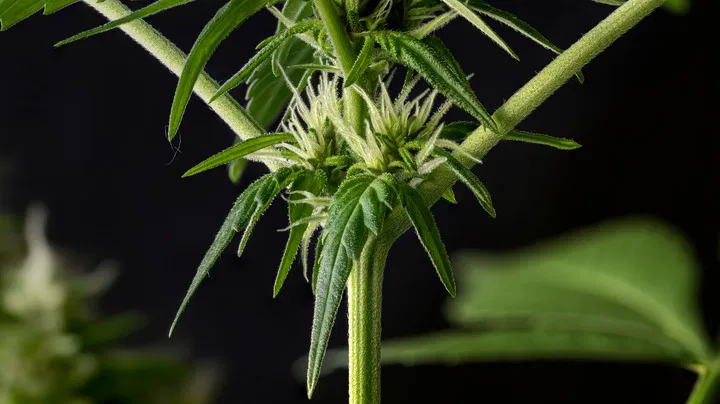
Sex Identification:Pre-flowering is when cannabis plants reveal their gender. Female plants produce pistils—small, hair-like structures at the nodes (where branches meet the stem). Male plants, on the other hand, form pollen sacs that look like small balls. Identifying and removing male plants (unless breeding) is critical to prevent pollination, which reduces the quality and yield of your crop. Timely transplanting and pest prevention strategies are essential just before flowering begins to ensure optimal growth and bud development.
Stretching: Plants experience a growth spurt, often doubling in size. This is known as the “flowering stretch.” The plant reallocates energy from growing leaves and stems to developing buds.
Formation of Bud Sites: Small clusters of white hairs (pistils) start to appear at the nodes, signaling the locations where buds will form.
Care Tips During Pre-Flowering
Nutrient Transition: Gradually transition from a nitrogen-heavy vegetative fertilizer to a phosphorus and potassium-rich flowering formula. This helps support bud development without shocking the plant.
Light Management: While outdoor growers rely on natural light cycles, ensure your plants aren’t exposed to artificial light at night, as this can confuse them and delay flowering.
Support Structures: As the plant stretches, its branches become longer and may need additional support to prevent snapping under the weight of future buds. Use stakes, trellises, or cages to secure them.

Full Flowering Phase
The full flowering stage begins after the initial stretch and lasts until the plant is ready for harvest. This is when flower clusters form, buds bulk up, resin production ramps up, and terpenes (the compounds responsible for aroma and flavor) begin to develop.
What Happens During Full Flowering?

Bud Development: Buds grow larger and denser, with pistils becoming more prominent. Over time, these hairs change color, transitioning from white to orange, red, or brown, depending on the strain.
Resin and Trichome Production: The plant produces sticky resin to protect itself from pests and UV rays. Trichomes—the tiny, crystal-like structures on the buds—contain cannabinoids like THC and CBD, as well as terpenes. These give the buds their potency and distinctive aroma.
Terpene Expression: The plant develops its unique scent profile, which can range from fruity and floral to earthy or spicy, depending on genetics and environmental factors.
Care Tips During Full Flowering

Watch for Nutrient Deficiencies: Bud development is nutrient-intensive. Look out for signs of deficiencies, such as yellowing leaves (lack of nitrogen) or purpling stems (lack of phosphorus), and adjust your feeding schedule accordingly.
Pest and Mold Control: Buds are particularly vulnerable to pests and diseases. Use preventative measures like increased airflow, natural pest deterrents, and regular inspections.
Monitoring Flowering Progress
Both pre-flowering and full flowering require close monitoring to ensure optimal plant health. Keep an eye on the following :
Pistil Color: In the early stages, pistils are white and straight. As buds mature, they''ll typically darken and curl inward.
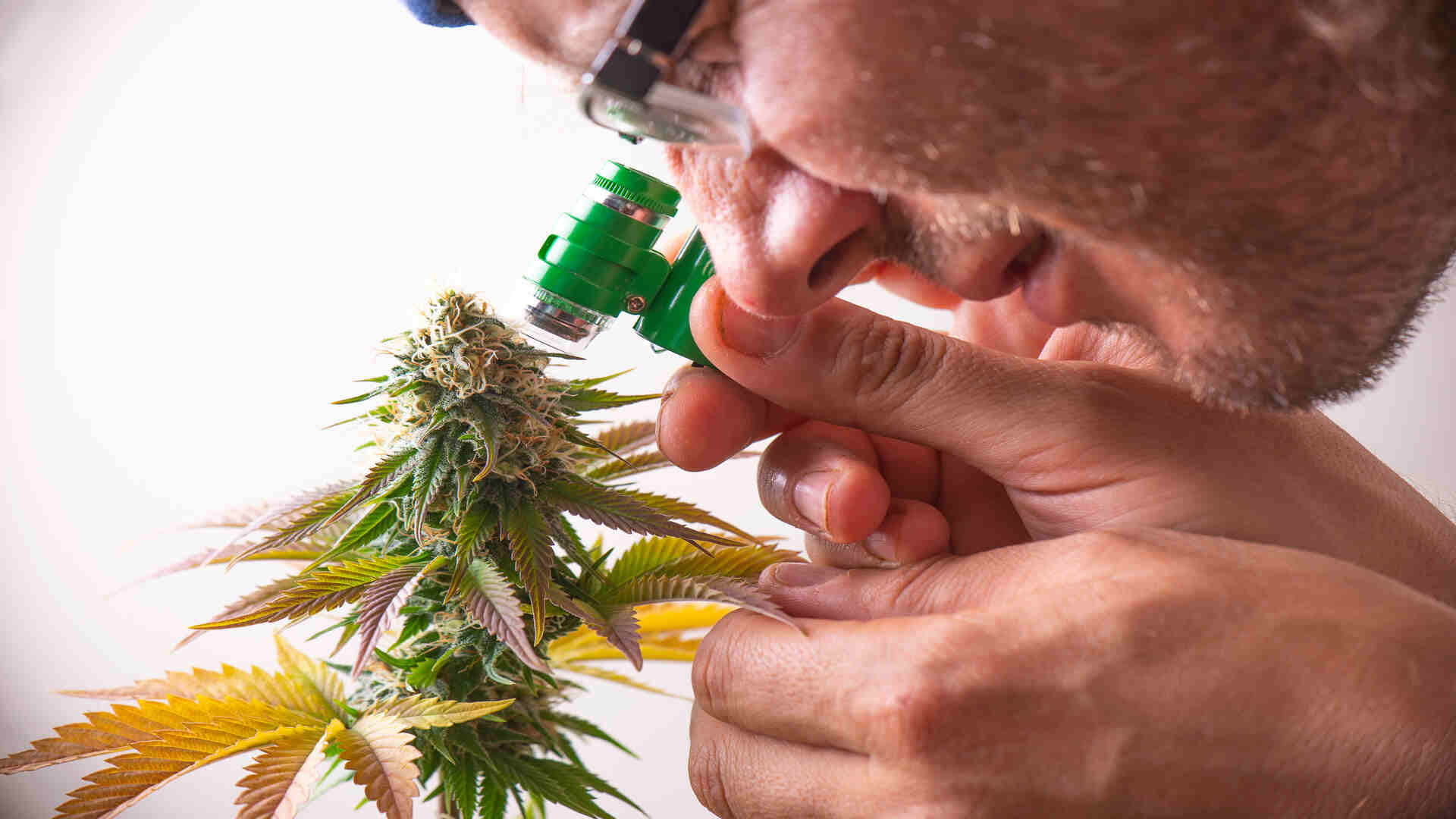
Trichome Development: Using a magnifying glass or jeweler’s loupe, examine the trichomes. Clear trichomes indicate that the plant isn’t ready, while cloudy or amber trichomes signal peak potency.
Smell and Appearance: Buds should look and smell robust, with a sticky, resinous feel. If they appear dry or discolored, it may indicate a problem like nutrient deficiencies or mold.

Inspecting and Adjusting Nutrient Levels
Cannabis plants require different nutrients during the flowering stage compared to the vegetative stage. While nitrogen is essential for leaf and stem development, flowering demands higher levels of phosphorus (P) and potassium (K) to support bud growth, resin production, and overall plant health.
Why Nutrients Matter
During flowering, phosphorus promotes root and bud formation, while potassium strengthens the plant’s structure and enhances the density and potency of buds. Without adequate nutrition, plants may experience stunted growth, small buds, or discolored leaves.
Steps to Optimize Bloom Nutrients
Soil Testing: Use a pH and nutrient testing kit to evaluate your soil. Cannabis prefers slightly acidic soil, with an ideal pH between 6.0 and 7.0. If the pH is too high or low, nutrient absorption will be compromised, even if the soil contains sufficient nutrients.
Transition Fertilizer Gradually: When shifting to a bloom fertilizer, do so gradually to avoid nutrient shock. Begin incorporating flowering nutrients in the final weeks of the vegetative stage.
Compost and Organic Boosts: South African growers have access to excellent organic soil amendments like bone meal, rock phosphate, and seaweed extract. These options not only support flowering but improve soil health over time.
Regional Insight: In coastal areas like KwaZulu-Natal, where soils are often sandy, adding organic matter helps retain nutrients that might otherwise wash away during rains.
Pruning and Training for Better Bud Growth
Plant grow techniques, such as proper pruning and training, can significantly improve the quality and quantity of your harvest. By removing unnecessary growth and shaping your plant, you ensure that light and nutrients are directed to the most productive bud sites.
How and When to Prune
Pruning should be done during the late vegetative stage or early pre-flowering phase to avoid stressing your plants during full flowering.
Remove Lower Growth: Cut away small, underdeveloped branches at the base of the plant. These are unlikely to receive sufficient light and will produce low-quality buds that sap energy from the main colas.
Defoliation: Carefully remove excess fan leaves that block light from reaching bud sites. However, avoid over-pruning, as fan leaves are critical for photosynthesis and plant health.
Training Techniques
Low-Stress Training (LST): Gently bend and tie down branches to create a flat canopy that maximizes light exposure.
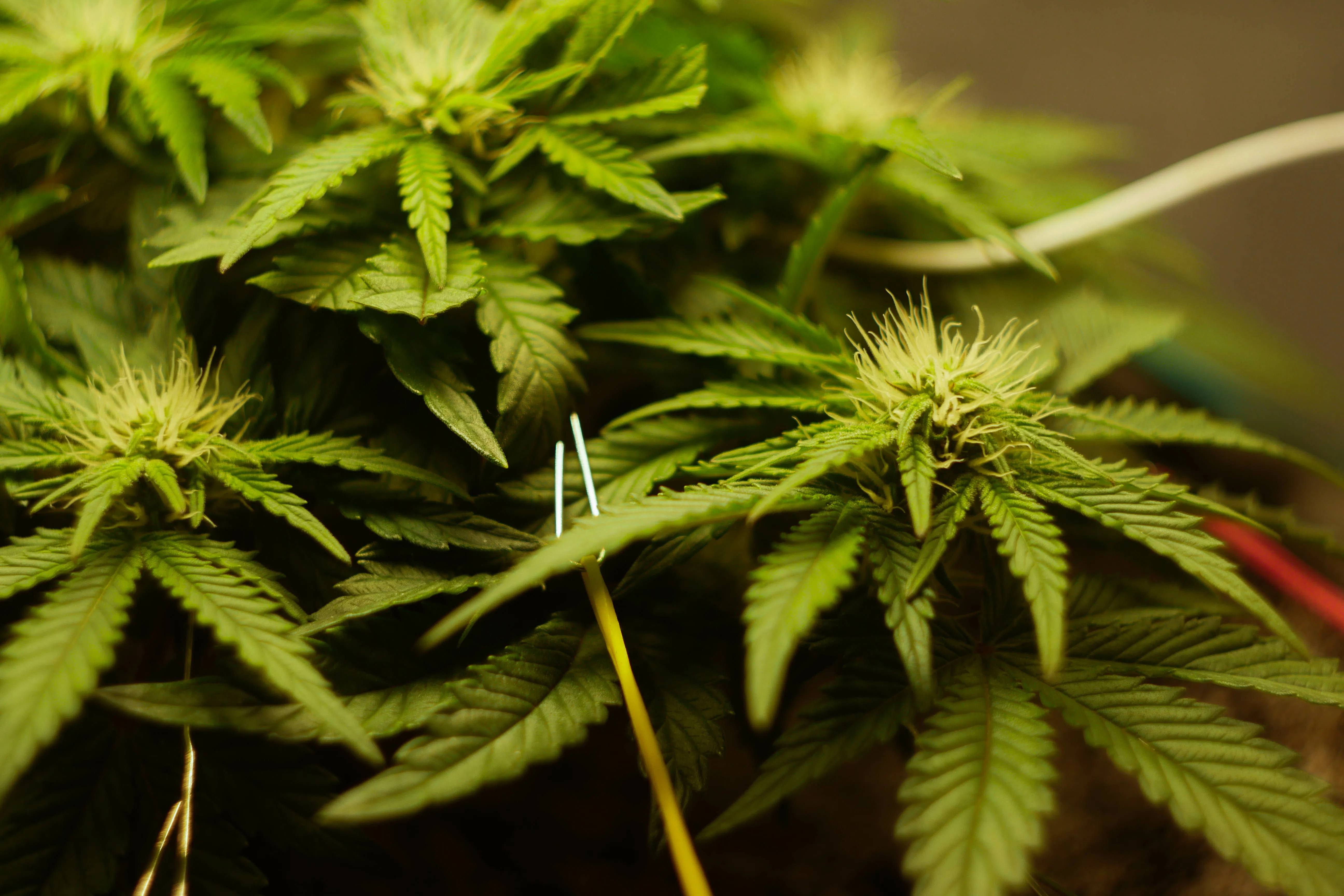
Screen of Green (ScrOG): Use a horizontal screen or net to train your plants into a uniform shape. Known as ScrOG, this method is great for improving light penetration and airflow.
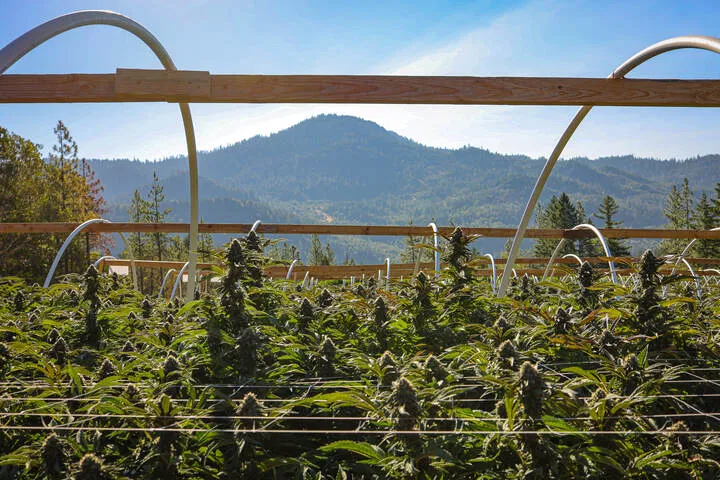
Tip for South African Growers: If you’re growing in a windy region like the Cape Flats, combining pruning with support structures like trellises can help prevent branches from snapping under pressure.
Pest and Disease Management for Cannabis Plants
South Africa’s climate, while excellent for outdoor cannabis, also provides a thriving environment for pests and diseases. During flowering, the stakes are higher—pests like aphids or caterpillars can damage buds, while diseases like powdery mildew can ruin your harvest. Providing adequate fresh air and proper aeration to cannabis buds during this stage is crucial to prevent issues like heat stress and support healthy growth.
Common Pests and Solutions

Aphids and Spider Mites:These sap-sucking insects can weaken plants and spread diseases. Control them with natural sprays, or introduce beneficial predators like ladybugs.
Caterpillars: These pests can chew through buds, leaving a trail of destruction. Use biological pesticides like Bacillus thuringiensis (BT), which targets caterpillars without harming beneficial insects.
Preventing Mold and Mildew
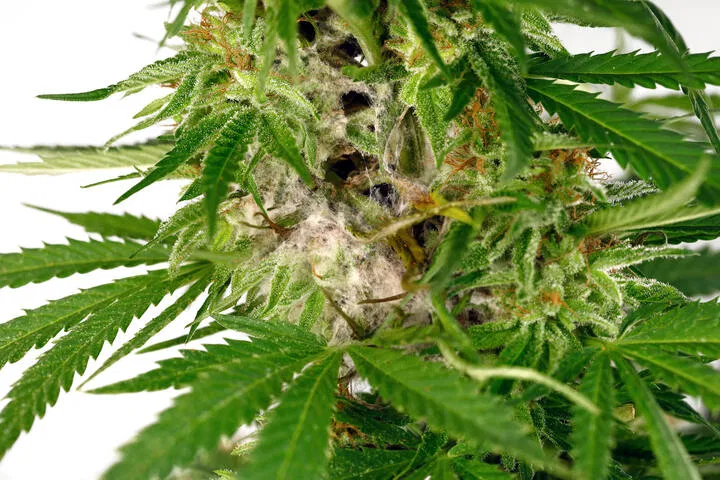
Powdery Mildew: A common issue in humid regions, it appears as a white, powdery substance on leaves and buds. Spray with potassium bicarbonate or organic sulfur early in the flowering stage.
Bud Rot: Caused by excess moisture, bud rot is a devastating fungal infection. Ensure good airflow around your plants and avoid watering late in the day.
Environmental Management
South Africa’s climate varies greatly across regions, so understanding your local conditions is critical for flowering success. From scorching sun in Limpopo to heavy rains in the Western Cape, each region presents unique challenges.
When growing cannabis indoors, it is important to understand the different stages of the plant's life cycle, from seedling to harvest, as each stage requires specific environmental conditions.
Sunlight and Temperature
Cannabis thrives in full sun, but too much heat or direct sunlight can stress plants, particularly in arid regions.
Provide Shade: In hot areas like the Karoo, use shade cloth to protect plants during the peak heat of the day.
Temperature Swings: While South African nights are cooler in late summer, drastic temperature drops can stress plants. Mulching around the base of your plants helps regulate soil temperature.
Wind and Rain
Protecting your plants from the elements is a must at any stage, and while the summer months get baking heat, November to March also sees an increase in rainfall in South Africa.

Wind Protection: Strong winds can damage branches and reduce yield. Use natural windbreaks like hedges or erect temporary barriers with shade cloth.
Rain Shelters: Build simple covers with clear plastic sheets to shield plants during heavy rains, especially in areas prone to late-season storms.
Tip for Durban Growers: The humidity in subtropical regions can be a blessing or a curse—keep a close eye on airflow to avoid mold issues during the wet season.
Light and Dark Cycles
The flowering stage is triggered by reduced light exposure, typically around 12 hours of darkness each day. While South Africa’s natural light cycle aligns well with cannabis flowering, artificial light pollution can interfere.
Ensuring Uninterrupted Darkness
Plant Placement: Choose a growing location away from streetlights or house lights, as even brief nighttime exposure can confuse your plants.
DIY Light Blockers: If stray light is unavoidable, use shade cloth or burlap to create a barrier.
Maximizing Bud Quality
To achieve top-notch bud quality, it’s essential to provide optimal growing conditions throughout the flowering stage. Aim to maintain a consistent temperature between 65-75°F (18-24°C) and keep relative humidity levels between 40-60%. Adequate air circulation is also crucial to prevent mold and mildew, ensuring your flowering plants remain healthy and vibrant.
Nutrient management plays a pivotal role during this phase. Transition to bloom nutrients that are rich in phosphorus and potassium, which are vital for healthy bud development and robust trichome production. Be cautious not to over-fertilize, as this can lead to nutrient burn and compromise bud quality.
Pruning and training techniques, such as topping and Low-Stress Training (LST), can significantly enhance bud development and increase yields. By carefully shaping your cannabis plant, you can ensure that light and nutrients are directed to the most productive bud sites, resulting in larger, more resinous buds.
Common Mistakes to Avoid in the Flowering Stage
The flowering stage is a critical period in the cannabis growth process, and even small mistakes can have a significant impact on your yields and bud quality. Here are some common pitfalls to avoid:
Insufficient Light: Ensure your cannabis plants receive adequate light intensity and spectrum to support healthy bud production. Insufficient light can lead to weak, airy buds.
Inconsistent Temperature: Fluctuating temperatures can stress your plants and reduce bud quality. Maintain a stable temperature range of 65-75°F (18-24°C) during the flowering stage.
Over-Watering: Too much water can cause root rot and negatively affect bud quality. Monitor soil moisture levels and adjust your watering schedule to keep the soil appropriately moist.
Poor Air Circulation: Inadequate airflow can lead to mold and mildew, which can devastate your crop. Ensure your grow space has sufficient air exchange and circulation to keep your plants healthy.
Inadequate Nutrient Management: Failing to switch to bloom nutrients or over-fertilizing can result in nutrient burn and poor bud quality. Regularly monitor your plant’s nutrient needs and adjust your feeding schedule accordingly.
Pruning Too Late: Pruning during the late flowering stage can stress your plants and reduce yields. Perform pruning during the vegetative stage or early flowering stage to promote healthy bud development.
Harvesting Too Early: Harvesting before the trichomes have fully matured can result in lower potency and reduced yields. Wait until the trichomes have turned cloudy and amber to ensure optimal harvest quality.
By avoiding these common mistakes, you can optimize your cannabis plants for the flowering stage and produce high-quality buds with maximum yields.
Conclusion
The flowering stage is perhaps the most exciting and crucial part of outdoor cannabis cultivation. By addressing nutrient needs, managing pests, adapting to the local climate, and preparing for harvest, growers can ensure a bumper crop.
Whether you’re contending with Cape winds, subtropical humidity, pests, or cheeky wildlife, the rewards of growing your own cannabis are well worth the effort. With patience, preparation, and a little South African ingenuity, your flowering stage will set the scene for an incredible harvest.
Happy growing!