

To successfully produce vibrant, healthy cannabis plants, you need to start with a strong foundation: properly germinated seeds. This comprehensive guide will walk you through how to plant cannabis seeds, from germination to the first steps of soil planting, so your grow operation gets off to the best possible start. Whether you’re a seasoned cultivator or a first-time grower, you’ll find actionable advice and insights right here.
The Basics of Cannabis Seed Germination
Before your seeds can sprout into thriving cannabis plants, they need to germinate. Think of germination as waking the seed from its dormancy—a gentle nudge to let it know it’s time to grow. During this process, the seed’s protective shell softens, allowing the embryonic plant inside to emerge. You can learn all about germination here.

Germinating cannabis seeds involves observing the taproot and transferring the sprouted seeds to a suitable growing medium - or in some cases, planting the seed directly in soil and have it germinate there. So, where does this process begin?
Choosing the Right Cannabis Seeds
Choosing the right cannabis seeds is a crucial step in growing healthy and potent marijuana plants. With so many different strains and types of seeds available, it can be overwhelming to decide which ones to choose. Here are some factors to consider when selecting cannabis seeds:
Strain Type: Indica, sativa, or hybrid? Each type of strain has its own unique characteristics and effects. Indica strains are typically more relaxing, sativa strains are more energizing, and hybrids offer a mix of both.
THC and CBD Content: If you’re looking for a high-THC strain for recreational use, or a high-CBD strain for medicinal purposes, make sure to check the seed’s THC and CBD content. This will help you choose a strain that meets your specific needs.
Growing Conditions: Whether you’re growing indoors or outdoors, make sure to choose seeds that are suitable for your growing conditions. Some strains are better suited for indoor cultivation, while others thrive outdoors.
Yield Potential If you’re looking for a high-yielding strain, make sure to check the seed’s yield potential beforehand. This information can help you select a strain that will provide a bumper harvest of beautiful buds.
Pest and Disease Resistance: Some seeds are bred to be resistant to common pests and certain diseases, so make sure to check the seed’s disease resistance. This can help you avoid common issues and ensure a healthy grow.
By considering these factors, you can select the best cannabis seeds for your grow operation, setting the stage for a successful harvest.
What Do Cannabis Seeds Need to Germinate?
For successful germination, cannabis seeds need three key conditions to ensure the seeds germinate properly:
- Moisture – Water activates the seed, kickstarting its metabolic processes.
- Warmth – Seeds need a stable, warm environment to encourage growth. Aim for a temperature range of 70–85°F (21–29°C).
- Darkness – Darkness mimics the natural environment of seeds buried in soil, signaling it’s safe to grow.
With these conditions met, germination can occur within 1–7 days, depending on the seed’s quality and strain.
Soaking your cannabis seeds can give them a head start, making it easier for them to germinate and grow into healthy plants.
How to Plant Cannabis Seeds Directly in Soil

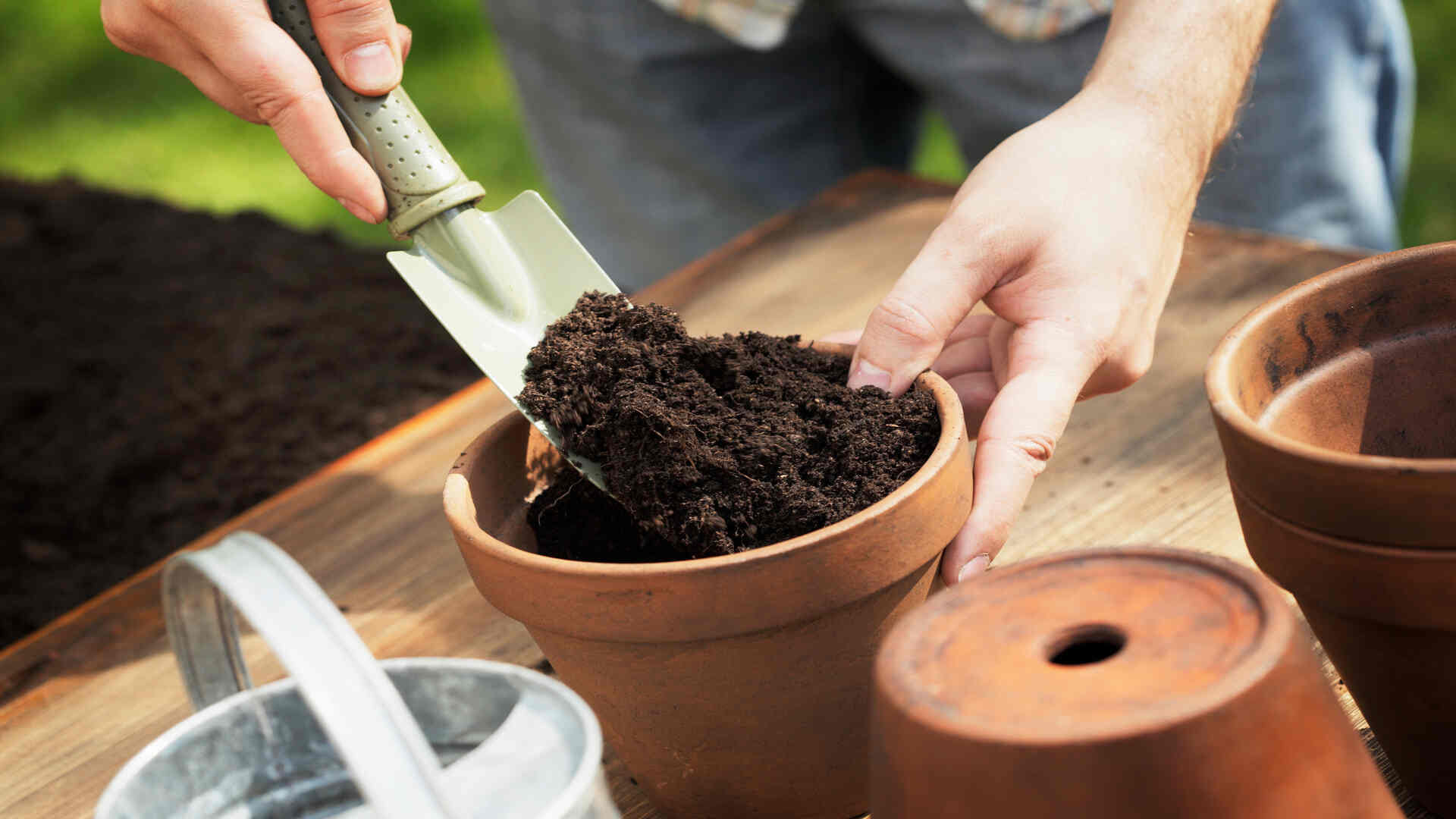
Planting cannabis seeds directly in soil is a popular method among cultivators to grow cannabis. It mirrors the plant’s natural growth cycle and reduces the risk of damaging delicate taproots during transplantation. There's more to it than simply pushing your seeds into your soil and letting nature take its course, however. You'll want to meet certain specific conditions to make sure everything goes as it should, and that starts with choosing the right soil. Rather than complicate the issue, let's take a quick look at what your soil should be.
Choosing the Right Soil
The soil you choose is the bedrock of your plant’s future health and is essential for growing cannabis. Cannabis thrives in soil that is:
- Nutrient-rich – Look for organic potting soil or soil mixes formulated specifically for cannabis.
- Well-draining – Avoid waterlogging, as cannabis roots need oxygen.
- pH-balanced – Cannabis prefers a slightly acidic soil with a pH of 6.0–7.0.
You can improve your soil with additives like perlite (for drainage) or worm castings (for nutrients).
Preparing the Soil
Next up, you'll need to ready your soil for planting.
- Choose Your Pot Size – Start with small pots (10.1cm-15.2cm in diameter) for seedlings to prevent overwatering.
- Moisten the Soil – Before planting your marijuana seeds, gently dampen the soil with water. It should feel like a wrung-out sponge, not soggy.
- Fill the Pots – Fill your pots or containers with soil, leaving about 1 inch of space at the top.
Planting the Seeds
This part goes a long way to determine your success.

- Depth Matters – Planting the seeds correctly is crucial for the healthy development of your marijuana plant. Plant your cannabis seeds about 6-12mm deep. Any deeper, and the seedling may struggle to break the surface.
- Orientation – Place the seed with the pointed end facing down. This helps the taproot emerge correctly.
- Cover Lightly – Gently cover the seed with soil, avoiding compaction. The seed needs loose soil to sprout easily.
After Planting
- Watering – After planting, it’s important to provide the right care to ensure your young plants thrive. Use a spray bottle to lightly mist the soil, ensuring even moisture without waterlogging.
- Temperature and Light – Keep the pots in a warm, dark location until seedlings emerge. Use a heat mat if necessary to maintain a stable temperature.
- Waiting Game – Seedlings should appear within 5–10 days. Be patient and resist the urge to dig up seeds to check progress.
How to Plant Germinated Cannabis Seeds
If you’ve pre-germinated your cannabis seeds using a paper towel or similar method, planting germinating cannabis seeds in soil requires extra care. Germinated seeds are delicate, particularly the emerging taproot.
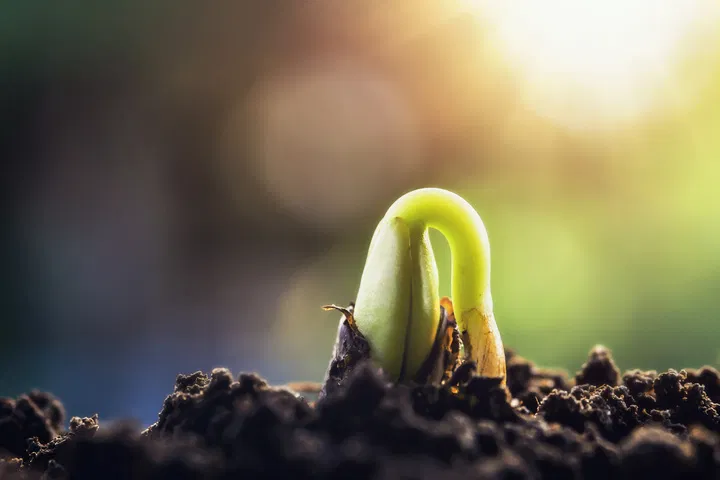
There are some key rules to follow when you're planting germinated seeds. Rather than bog you down in a sea of text, we've made the guidelines simple so they're easy to follow:
Preparing to Transplant Germinated Seeds
- Handle with Care – Use tweezers to avoid touching the taproot, which is extremely sensitive.
- Soil Selection – Follow the same guidelines for nutrient-rich, well-draining soil as described above.
- Pot Preparation – Moisten the soil and create a small hole about 12mm deep.
Planting the Germinated Seed
Once you've prepared everything, it's time to get planting. These three key steps are all you need to know:
- Place the Seed – Position the seed in the hole with the taproot pointing down to ensure the seeds germinate properly. This ensures the sprout grows upward while the root establishes itself.
- Cover Gently – Lightly cover the seed with soil. Avoid pressing down to keep the soil loose.
- Initial Watering – Mist the soil lightly to provide moisture without washing away the seed.
Early Care for Germinated Seeds
At this stage, the right amount of TLC goes a long way to nurture your babies. Three key ingredients you'll need to provide to give your seedlings the best start:
- Light – Once planted, place the pots under a grow light or in a sunny spot to ensure your weed plants get the necessary light. Seedlings need 16–18 hours of light daily.
- Humidity – Keep humidity levels high (60–70%) to support early growth.
- Temperature – Maintain a steady range of 70–85°F (21–29°C).
Common Mistakes to Avoid When Planting Cannabis Seeds

Even with careful planning, mistakes can happen. Avoid these common pitfalls to maximize your chances of success:
- Overwatering – Too much water drowns seeds and seedlings. Always aim for moist, not soggy, soil. Overwatering can be fixed up to a point, but prevention is always better than cure.
- Planting Too Deep – Seeds planted too deeply may struggle to reach the surface, so that 0.25-0.5mm depth is where to aim for success..
- Using Poor-Quality Seeds – Start with high-quality, viable seeds from a reputable source. (That's us)
- Touching the Taproot – Handle germinated seeds delicately, using tools instead of fingers.
- Ignoring pH Levels – Soil with improper pH can stunt growth or kill seedlings.
What Comes Next: Caring for Cannabis Seedlings for Healthy Plant Growth
Once your cannabis seeds sprout, they enter the seedling stage. This is a critical time for establishing a healthy root system and preparing for robust growth. After spending time in the vegetative stage, your plants will pack on mass. Then, you will eventually need to induce flowering by adjusting the light schedule to 12 hours on and 12 hours off.
Watering Seedlings
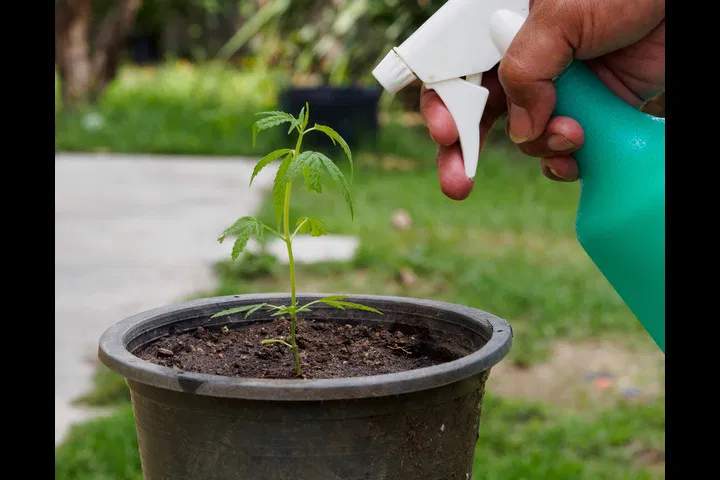
- Water sparingly, focusing on the soil around the base of the plant.
- Use water with a pH between 6.0 and 7.0 to prevent nutrient lockout.
Light Requirements
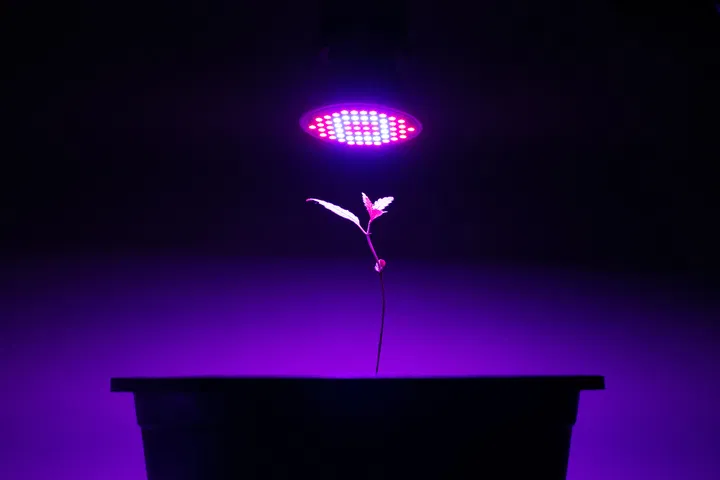
Seedlings need bright but gentle light. Consider:
- LED Grow Lights – Energy-efficient and customizable.
- Distance – Keep lights 45.72cm - 60.96cm inches away to prevent burning.
Nutrients
During the seedling stage, cannabis plants have minimal nutrient needs. Avoid overfeeding and wait until the plant develops its first set of true leaves before introducing a mild fertilizer.
Pot Size and Transplanting
As seedlings grow, they will need larger pots to accommodate their expanding root systems. Plan to transplant when the plant has 3–4 sets of leaves, moving to a container at least 3..7L - 11.35L in size.
Pruning and Training
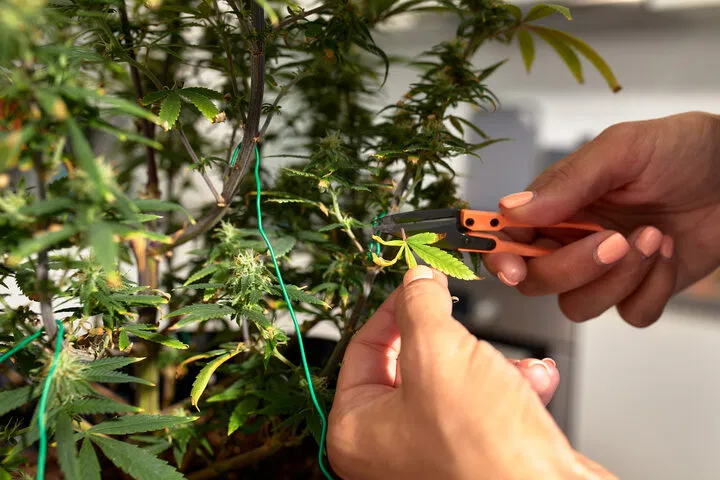
Pruning and training are essential techniques for promoting healthy growth and maximizing yields in cannabis plants. Here’s how to prune and train your cannabis plants:
How to Prune Cannabis Plants
Pruning cannabis plants involves cutting or removing certain parts of the plant to promote healthy growth and increase yields. Here’s how to prune cannabis plants:
- Remove Dead or Dying Leaves: Remove any dead or dying leaves from the plant to prevent the spread of disease and promote healthy growth. This helps the plant focus its energy on producing new, healthy leaves.
- Cut Back Tall Branches: Cut back tall branches to promote bushy growth and increase yields. This encourages the plant to grow more side branches, which can produce more buds.
- Remove Lower Branches: Remove lower branches to promote air circulation and prevent moisture from accumulating on the leaves. This can help prevent mold and other issues.
- Use Pruning Shears: Use pruning shears to make clean cuts and prevent damaging the plant. Clean cuts heal faster and reduce the risk of infection.
By following these tips and techniques, you can promote healthy growth and maximize yields in your cannabis plants. Remember to always use high-quality cannabis seeds and to provide your plants with the right growing conditions to ensure optimal growth and potency.
Final Thoughts: Mastering How to Plant Cannabis Seeds
Planting cannabis seeds is planting the promise of a bountiful harvest. By following the guidelines outlined above, you’ll create the ideal conditions for your seeds to germinate, grow, and thrive. Remember, every successful cannabis plant starts with a single seed—and your careful attention to detail.
When you come to plant your cannabis seeds, remember to stay patient and adaptable. Nature is full of surprises, and each seed offers a unique opportunity to learn and improve your craft. Now that you know how to plant cannabis seeds, it’s time to get growing!