
Growing cannabis is now legal in South Africa, and with so many great strains to choose from at Seedsman, there’s never been a better time to start growing your own dagga. Cultivating your own cannabis not only provides enjoyment but also offers numerous benefits such as accessibility and sustainability. Homegrown cannabis can yield high-quality buds while being an economical choice for personal use. But to the newcomer, especially those with little to no gardening experience, the thought of growing plants of any kind can be a little daunting. At Seedsman, we’re not just here to help you choose the best seeds; we help with cultivation, too. If you want to know how to grow cannabis, you’re in the right place, and this article is just for you. We’ll walk you through everything from choosing the right seeds to growing the kind of cannabis you dream about.
Bookmark this guide and refer back to it throughout your journey to green greatness.
Introduction to Cannabis Cultivation
Cannabis cultivation is the process of growing cannabis plants for medicinal or recreational purposes. Growing cannabis can be a rewarding experience, but it requires attention to detail and a comprehensive understanding of the plant’s needs. Cannabis plants are annual flowering plants that can be grown indoors or outdoors, and they require specific conditions to thrive. When growing cannabis, it’s essential to consider factors such as light, water, nutrients, and temperature to produce high-quality buds. By understanding these key elements, you can learn how to grow cannabis and create an optimal environment for your plants, ensuring they grow healthy and strong.
Why Grow Cannabis?

Whether you’re doing it for fun, for medicinal aid, for a little self-indulgence or just because you’re tired of dispensary prices, growing your own cannabis is extremely rewarding. It might seem a little overwhelming at first, but don’t let it put you off – we’re going to break everything down in simple terms. No jargon, no judgment, just the basics of how to grow cannabis from seed to ripe plant.
Let’s get into it.
Section 1: Where Should You Put Your Grow?
This comes down to two choices, indoor or outdoor. If you’re limited by circumstances, climate, or available space, it’ll be obvious which is right for you. If you’re lucky enough to have both options open, the choice is yours. Growing outside gives you the benefit of the power of the sun – in other words, free lighting! It works out a lot cheaper, you don’t have to worry about setting up equipment and dealing with operating costs, but you do have pests, pets, thieves, and climate challenges to deal with. If you’ve got sunshine, soil, and a private spot, you’re in business. Choose a place with:
- At least 6 hours of direct sunlight
- Good airflow, but not too windy
- Privacy – to keep nosy neighbours and thieves at bay.
Growing cannabis from seed outdoors in South Africa can lead to higher yields due to ample space and natural sunlight, allowing plants to develop unique characteristics related to their environment, potentially resulting in enhanced aroma, flavor, and potency compared to indoor-grown cannabis.
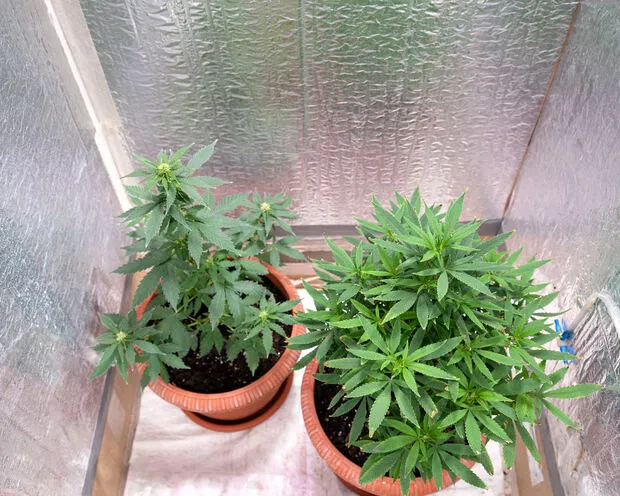
If you’re growing indoors, you get total control over things like lighting, temperatures, and humidity – key variables in growing outstanding weed, that, if you set the dials right, will lead to enviable results. You also have a significant advantage in that you can grow weed at any time of the year, without the limitations imposed by climate and sunlight hours. Additionally, growing in pots indoors allows for more control over watering and soil conditions, which is particularly beneficial in areas with unpredictable weather or poor native soil. The downside? Shelling out for the gear and the cost of electricity to run your grow lights isn’t going to be everybody’s bag. Available space may be an issue for you, too – you might only have room for a couple of plants, or you may lack the sufficient headroom to let them stretch (there’s ways round that, though). You’ll need a top indoor cannabis grow system including a grow tent - one that’s adequate in terms of size, material, and light reflection - to grow good cannabis.
Preparing for Growth
Before starting to grow cannabis, it’s crucial to prepare the necessary materials and equipment. This includes choosing the right cannabis seeds, soil, nutrients, and grow lights. Indoor growing requires a controlled environment, while outdoor growing relies on natural sunlight and weather conditions. When growing cannabis outdoors, it’s essential to select a location with direct sunlight and good drainage. For indoor cultivation, a grow tent or a dedicated grow room is necessary to provide the optimal conditions for plant growth. Ensuring you have the right setup from the beginning will set you on the path to a successful grow. Once you've decided where to grow, it's time to pick your seeds.
How To Choose The Right Cannabis Seeds

We get it – on paper, this looks like a minefield. With seemingly countless strains to choose from, you’re spoiled for choice, but if you’re completely new to this, it can get overwhelming. Choosing your cannabis seeds is partly dictated by personal preference, growing experience, and growing environment, so take these things into consideration. Seedsman makes it easy for you to browse by categories such as potency (how strong the effects are), and we’ve got some handy checkboxes on the side of the page to help you narrow it down.
To make it really easy, there’s three main types of cannabis seeds:
Regular Seeds
These can result in male or female plants. Male plants are useful if you’re looking to breed new strains, but if you’re simply hoping to grow some consumable bud, regular seeds aren’t the best option. .
Feminized Seeds
99% of the time, feminized seeds make female plants. Female plants produce buds (the smokable part) and are great for beginners.
Autoflowering Seeds
These flower based on age, not light cycle, they typically take no more than 12 weeks from seed to harvest – and they’re super resilient. For these reasons, the’re really beginner-friendly.
Once you’ve chosen, you can decide whether you want to grow indica, sativa, or hybrid. But what does that mean?

Indica Cannabis
Typically short and bushy, indica cannabis strains tend to have more of a sedative, relaxing effect and are popular with medical users seeking help with pain relief and insomnia.
Sativa Cannabis
Tending more to be tall and spindly, sativa cannabis strains are favored for their uplifting, energizing effects and are popular with medical users seeking help with low mood and poor focus.
Hybrid Cannabis
Most cannabis strains these days are hybrid in nature, and either have a slight dominance toward indica or sativa, or are pretty finely balanced.
Having an idea of how to choose cannabis strainswill make the end results more closely match your expectations.
Choosing Your Growing Medium
This is what your plant’s roots will live in. You’ve got options: Adding organic fertilizer can enhance plant health, particularly during dry periods, and is essential for ensuring optimal growth conditions.
Soil
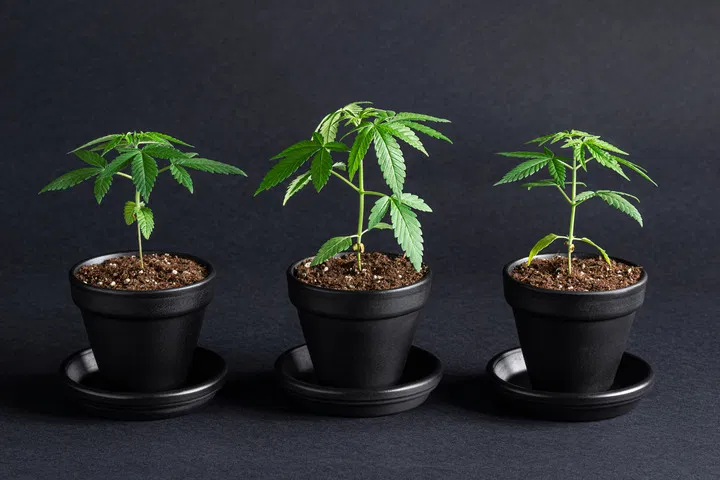
Easiest for beginners. Use a high-quality organic potting soil or a cannabis-specific soil.
Coco Coir
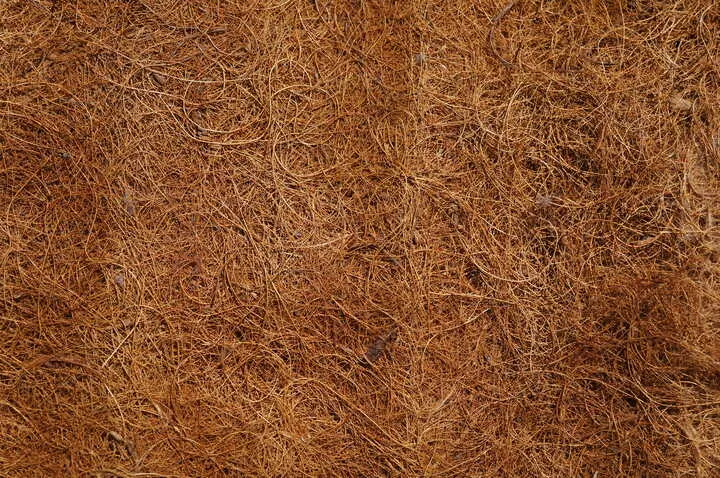
A coconut fiber mix. It’s forgiving like soil, but lets you feed more precisely.
Hydroponics
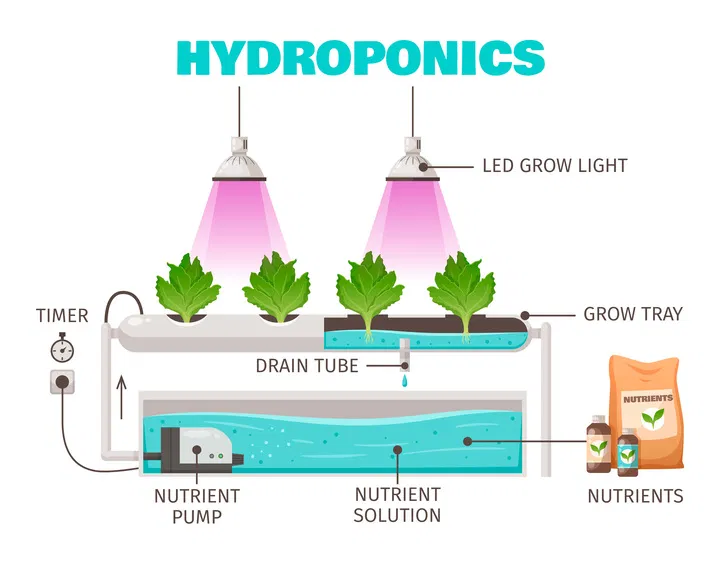
This involves growing in water. Great yields of great dagga, but not beginner-friendly. Save this one for later.
Pick The Right Pot For Your Pot
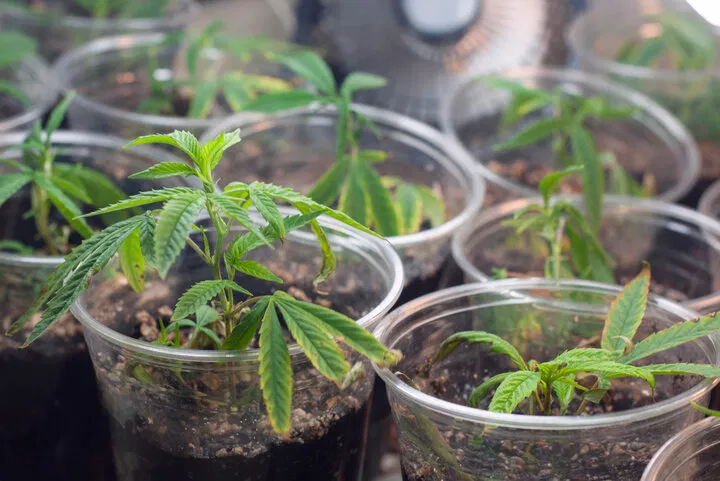
Start your seedlings in small containers – plastic cups work fine (just poke some holes for drainage). Using a small pot can help avoid transplant shock and promote healthy root development, making it easier to transfer to larger pots or the garden once the plants have established themselves. As the plant grows, so too do its potting needs.
For the Vegetative Stage
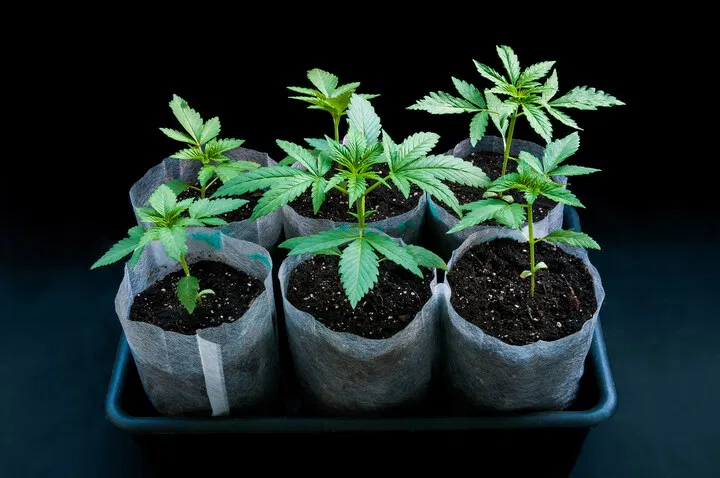
When your plants outgrow their seedling stage, they enter the vegetative phase and start to pack on green matter – stems and leaves. This phase marks the beginning of photosynthesis and development, playing a crucial role in maximizing plant size and flower production. Here, you want to move them up to 4-12L pots.
For The Flowering Stage
When your plants enter flowering, energy shifts to bud production. You can move them to 18-26L pots to take them the rest of the way. plants.
Rather than use traditional plastic plant pots, we recommend using fabric pots or smart pots for cannabis, for superior drainage and airflow..
How To Grow Cannabis: Germinate Your Seeds
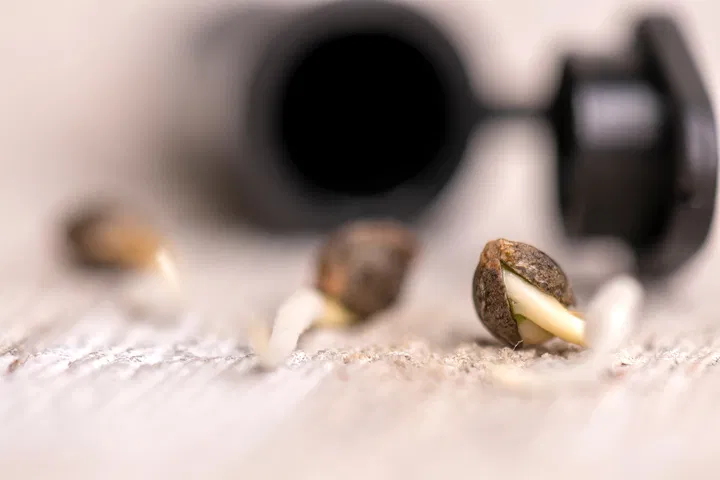
For cannabis plants grown from seed, life begins at germination so knowing how to germinate cannabis seeds is key. This is where the outer shell of the seed cracks and the first tiny root appears. Germination can take anywhere from a few days to a couple of weeks and relies on your providing the right conditions for the seeds to break. An easy way to get your seeds started is to use the paper towel method:
- Take a damp paper towel (damp is key – you don’t want it soaking wet) place your seeds on the towel, cover and wait for the taproot to show.
- Once sprouted, gently plant it root-down in your soil, about half an inch deep with a light covering of soil.
- Keep the soil moist (not soaked) and give it some gentle light – like a low-powered LED or some time on the window sill.
How To Transplant (a.k.a Potting Up)
Whether you’ve chosen an indoor grow or an outdoor grow, start your seeds indoors, then transplant when they’re a few inches tall and have sprouted a few sets of leaves. It is crucial to nurture young plants during their initial growth stages by providing appropriate light conditions and acclimatizing them to outdoor environments.
- Transplanting safely means transplanting gently, taking care not to disturb the roots
- Water immediately after transplanting
How Much Light Do Cannabis Plants Need?
A lot. Here’s a quick guide to help you provide adequate light for your plants through each stage of the grow:
Seedling Stage: Aim for 18-24 hours of low-intensity light. Avoid high intensity lights to prevent burning young plants.
Vegetative Stage: 18 hours of light, 6 hours of darkness. Use strong LEDs or metal halide lights if growing indoors.
Flowering Stage: 12 hours light, 12 hours dark. Use LEDs or high-pressure sodium lights if growing indoors.
Make sure your lights are the right distance above the plants – too close burns them, and too far away makes them stretch excessively.
The Importance of Good Airflow
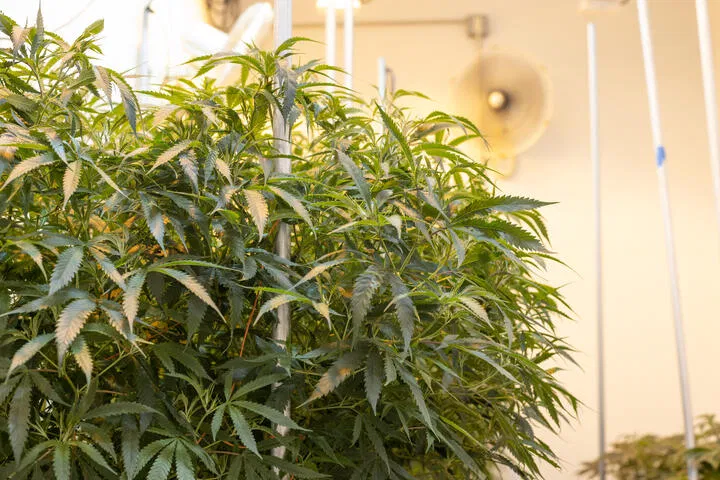
Airflow is essential to keeping your cannabis plants healthy. Indoor growers especially should take note here – stale, humid air can lead to mold, mildew, and pests. In a grow tent, set up an exhaust fan near the top to pull hot, moist air out. Use small oscillating fans inside the tent to gently move air around the leaves. This helps strengthen stems and prevents moisture buildup. Aim for a gentle breeze, not a windstorm. Good airflow helps keep temperatures stable, humidity in check, and your plants happy.
Nutrients (a.k.a Plant Food)
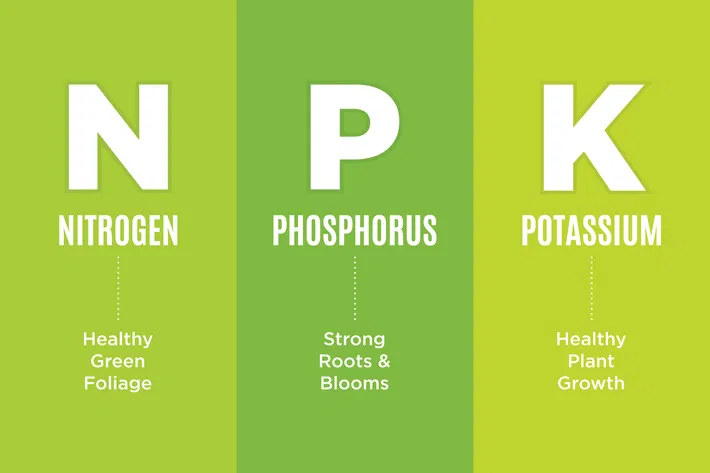
An important factor in how to grow cannabis is which nutrients you use, and how much. Plants need different concentrations of nutrients at different stages of growth to help promote certain types of development. Balanced nutrient levels are crucial, and tailored nutrient solutions for different growing methods can ensure healthy blooms and successful harvests.
Just like we humans have key macronutrient needs – for us, it’s protein, carbs, and fats – cannabis plants have their own specific macronutrient requirements. For them, it’s nitrogen (N), phosphorus (P), and potassium (K).
For the Vegetative Stage
Plants need high nitrogen, medium phosphorus, and high potassium during the vegetative phase. This phase marks the beginning of photosynthesis and development, playing a crucial role in maximizing plant size and flower production. Different growing techniques can influence the duration and characteristics of the vegetative phase, both indoors and outdoors.
For the Flowering Stage
Plants need lower nitrogen, higher phosphorus, and high potassium.
Buy cannabis-specific nutrients, and always start with a quarter to half the recommended dose as it’s easy to overfeed – especially if growing autoflowering cannabis strains.
These are the main macronutrient requirements for cannabis plants, but there's a world of micronutrients you can use to your advantage including iron, zinc, copper, and others.
How To Water Your Cannabis Plants
Knowing how and when to water your plants is vital to your success . Too much, or too often, and you’ll overwater your plants, causing your roots to drown and the dreaded bud rot to develop. Too little, and your plants will go thirsty, causing a different set of problems.
- Water plants only when the top inch of soil is dry (poke the soil to check)
- Always water until you see runoff from the bottom
- Don’t let the roots sit in standing water.
If growing outdoors, water in the morning – early if possible, before the sun is at its hottest and turns every water droplet into a mini-magnifying glass and torches your plants.
Consider watering more frequently in hotter weather, as soil will dry out faster .
Training Your Plants For Bigger Yields
One important aspect of how to grow cannabis is that, as your plant grows, there are steps you can take to encourage uniformity, bud development, light penetration, and to help optimize plant yield and health. These plant training methods come in two distinct types: High stress training (HST) and low-stress training (LST). As a beginner, you’ll likely want to steer clear of high-stress training, as it puts plants in a state of mild shock where they need time to recover. But low-stress training is definitely a useful tool for achieving higher yields. Read our introduction to plant training techniques for a better understanding.
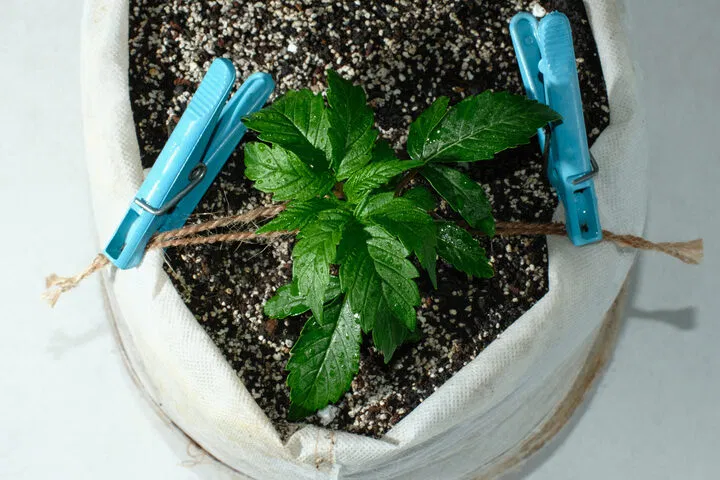
LST techniques such as bending and tying branches can help shape the plant and allow better light and air penetration to the lower and central areas of the plant.
Defoliation - removing some of the bigger fan leaves – helps light penetrate the lower buds. This will stress the plant, but only a little.
Check Regularly for Pests and Pathogens
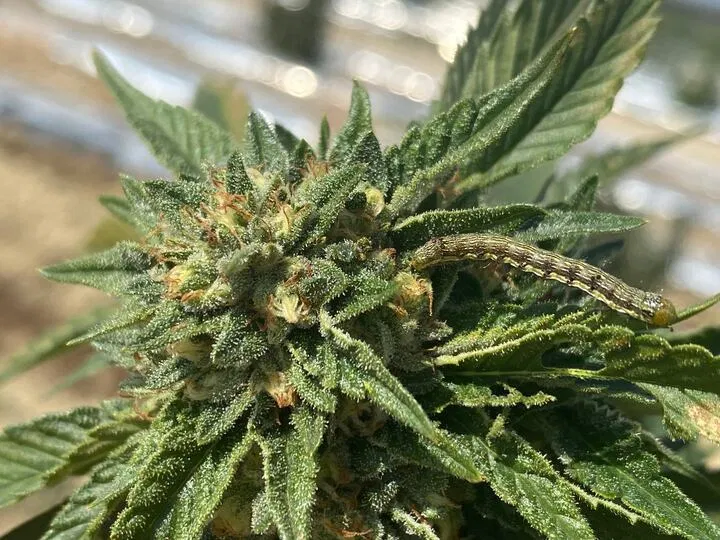
Watch out for bugs like aphids, spider mites, and caterpillars. Outdoor cannabis plants are particularly susceptible to pests, which can affect their growth and potency. Use neem oil or insecticidal soap as a natural deterrent. Check plant leaves daily for discoloration, spots, holes, webs, or other issues. Knowing how to read your plants’ leaves is crucial to your success, and implementing integrated pest management for cannabis will help immensely.
Let Nature Be Your Guide
An important note for outdoor growers - outdoor plants follow the seasons:
- Veg through spring and early summer
- Flower when days get shorter, mid to late summer
You’ll know your plants are ripe when most pistils (the wispy hairs) darken and trichomes (tiny, crystally, resinous bulbs) go cloudy. Don’t worry, we’ve got a guide on using trichomes to determine potency and harvest time as well.
How To Grow Cannabis – You Can Do It!
Growing cannabis is like any other kind of gardening, or any other hobby – it takes a little learning, some patience, and some trial and error. But once you get into the rhythm, it’s great fun and extremely rewarding. Don’t stress if things aren’t perfect first time. Every grow is a learning experience. These are the basics of how to grow cannabis for beginners, but the Seedsman blog is full of useful information on every aspect of how to grow cannabis. Whether it’s troubleshooting, or maxing your plants’ performance, the information is right here when you need it.
Happy growing, and may your buds be dense and frosty!