

Let’s be honest – few questions can haunt the mind quite like “how long does a marijuana high last?”. It’s the kind of question you frantically Google around forty minutes after learning how to make delicious dagga muffins and over-sampling your handiwork. Or maybe you were “just going to have one puff” before the work meeting and now you’re trying to make conversation with the whiteboard. Whether you’re a trainee toker or a seasoned stoner, understanding how long a cannabis high lasts is crucial – not just for planning your evening, but for avoiding those dreaded, long-lasting trips into the mind’s outer rim.
Here, we’ll answer the question “how long does a cannabis high last?” and break it down by method of consumption, THC dosage, tolerance, body type and more – so you know roughly what to expect (and for how long).
Introduction to Cannabis

Cannabis, a plant with over 113 different cannabinoids, has been used for recreational and medical purposes for centuries. The cannabis plant contains psychoactive compounds, such as tetrahydrocannabinol (THC), which can produce mind-altering effects when consumed. Smoking cannabis, consuming cannabis edibles, or using other cannabis products can lead to varying levels of THC entering the body, affecting users in different ways. Understanding the effects of cannabis on the body and mind is essential for safe and responsible use.
Read Also: What Is THC? Tetrahydrocannabinol Explained
What Makes You High: THC and the Brain
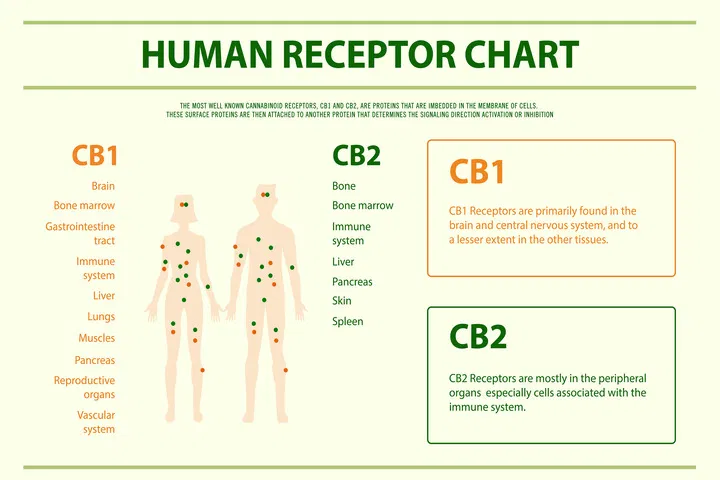
The intoxicating effects of cannabis come primarily from delta-9-tetrahydrocannabinol (THC), the plant’s main psychoactive compound. THC binds to cannabinoid receptors in the brain (mostly CB1 receptors), which are part of the endocannabinoid system. These receptors are heavily concentrated in regions associated with fundamental processes such as memory, coordination, pleasure, and time perception – hence the classic high feeling: euphoria, slowed time, hunger, giggles, and sometimes, fleeting bouts of mild paranoia.
Effects of Cannabis on the Body
The effects of cannabis on the body can vary widely, depending on factors such as the method of consumption, THC content, and individual tolerance. When cannabis is smoked or vaped, THC enters the bloodstream quickly, producing rapid effects on the body such as minor impairments in co-ordination and balance, or delayed physical reaction times - but overconsumption can lead to adverse health effects, such as anxiety, paranoia, and increased heart rate. When consumed in edible form, THC takes longer to reach cannabinoid receptors and effects take longer to manifest - but last longer.
So How Long Does A Cannabis High Last?
The Quick Answer:
Smoking: 1 to 3 hours (with effects noticeable within minutes)
Edibles: 4 to 12 hours (effects noticeable after 30-90 minutes)
Tinctures & Oils: 2 to 6 hours (depending on method of absorption)
That’s a very rough outline, and we’ve barely scratched the surface. Let’s go deeper.
By Consumption Method
Smoking Cannabis or Vaping (Joints, Bongs, Vapes)
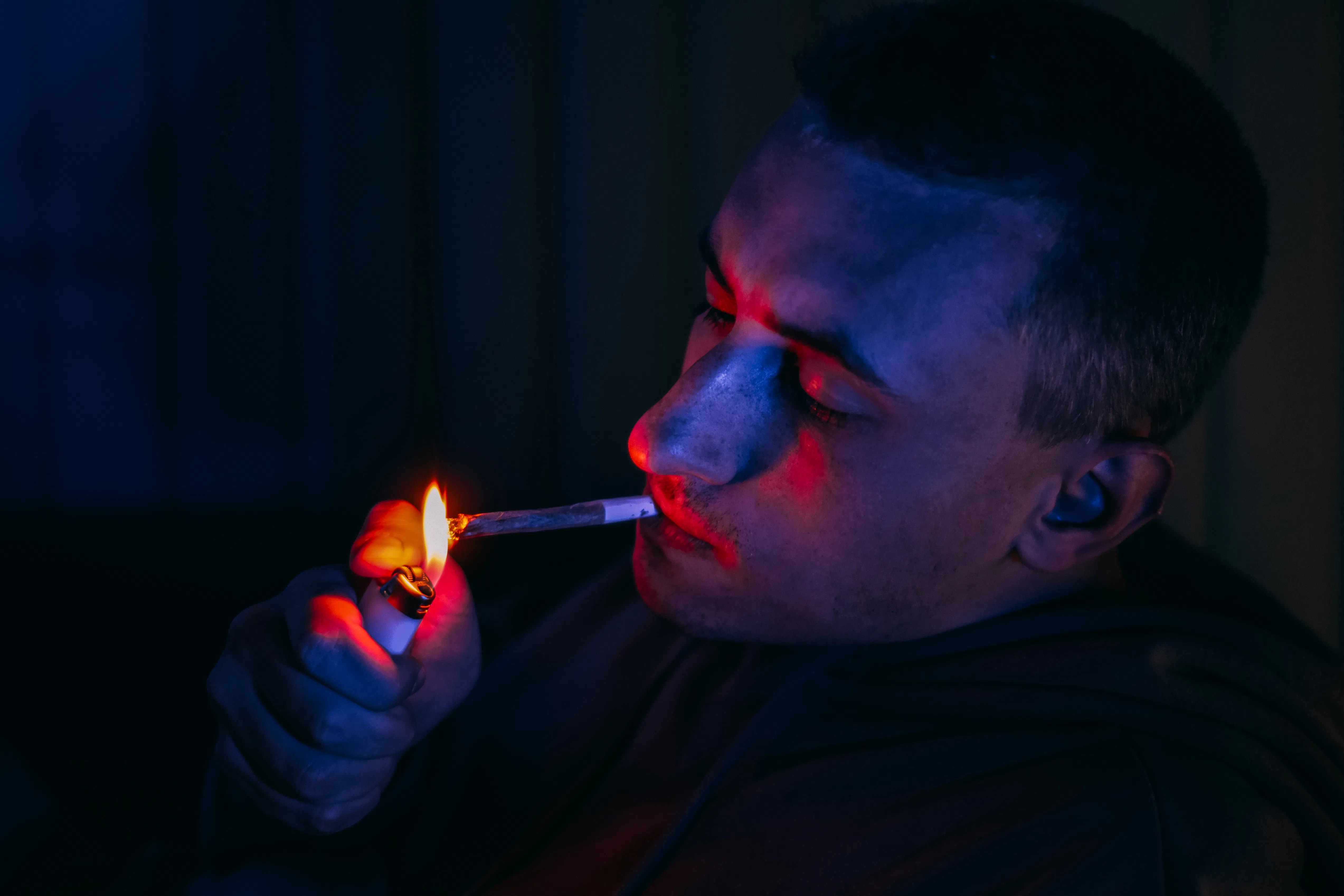
After smoking cannabis by the most common methods, the onset of effects seems to hit most people within 1-10 minutes. Within 30 minutes to an hour, those effects will be at their peak – although in some cases (dosage dependent) you can find yourself pleasantly baked after around 20 minutes. And how long does a cannabis high last from smoking? 1 to 3 hours is about the norm.
Typical THC Amounts:
Joint: 0.3-1g = 60-150mg of THC (assuming roughly 15-20% potency)
Bong Rip: Depends on how well you pack the bong and the size/depth of the inhale, but you’re usually good for anywhere between 20-50mg of THC per hit.
The effects of smoking cannabis come on fast and taper off gradually. Vaporizing may produce slightly shorter or milder highs compared to combustion.
Cannabis Edibles (Brownies, Gummies, Capsules)
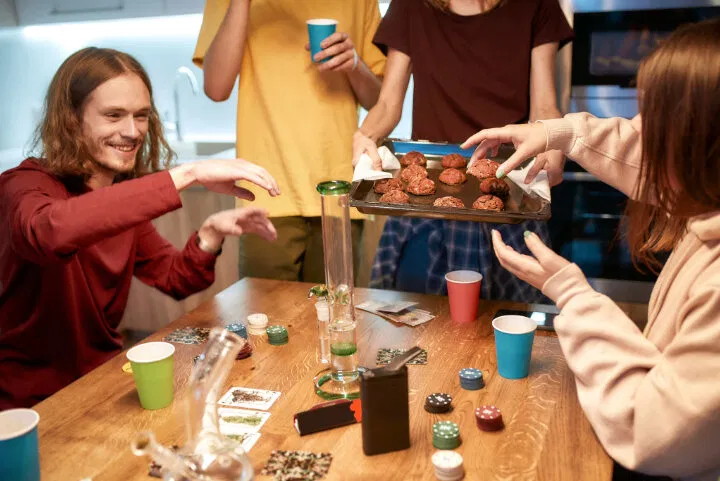
Every time we discuss edibles here at Seedsman, we say the same thing: start low, and go slow. The next paragraph explains why:
Consuming cannabis orally in food form means a slower onset of effects as THC takes longer to absorb this way. This leads to regular overdosing via edibles as rookies will typically let 20 minutes pass, complain that they can’t feel anything, and re-dose. This is a strategy fraught with peril and usually leads to calamitous consequences and the complete writing off of one’s itinerary for the rest of the day. The effects of edibles don’t only take longer to kick in – they take longer to peak and longer to wear off, too. Peak is around 2-4 hours after consumption, and effects can last from 4 to as much as 12 hours – sometimes even longer for sensitive users.
Consuming too much THC through edibles can lead to severe symptoms, including anxiety and impaired judgment.
Typical THC Amounts:
Standard Edible: 10mg THC (A beginner dose)
Strong Edible: 50-100mg THC (for high-tolerance users)
Because THC is metabolized in the liver into 11-hydroxy-THC (a more potent compound), edible highs are both longer-lasting and often more intense. Recovering from cannabis edibles therefore takes a good bit longer.
Tinctures and Oils (Sublingual or Ingested)
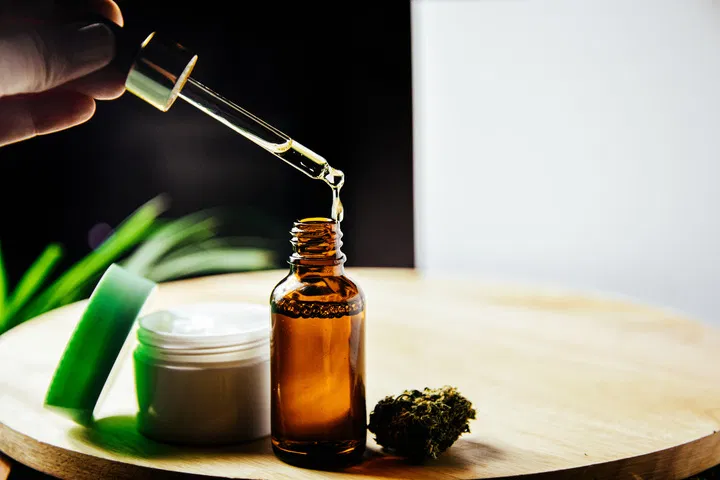
If you take tinctures or oils sublingually – in other words, a few drops under the tongue – onset time is closer to that of edibles, but a little bit quicker. You’ll find yourself feeling the effects anywhere from 15-45 minutes after dosing. The effects can last anywhere from 2-4 hours. However, if you ingest these compounds like food, you’ll have a longer wait while the THC works its way through the body, and onset can be as long as 45-90 minutes. How long does a cannabis high last from tinctures? Anywhere from 4-8 hours.
It is recommended to start with a low dose to gauge your body's response and avoid potential adverse effects.
Tinctures offer flexibility and faster onset than edibles when used sublingually.
Variables That Affect How Long a Cannabis High Lasts with Cannabis Use
THC Tolerance
Regular users develop a tolerance to THC. Recreational cannabis users may develop a tolerance more quickly compared to those using it for medical purposes. Over time, the CB1 receptors become less responsive, so higher-tolerance users may feel effects for a shorter duration, even at higher doses.
Dosage
This might seem obvious, but the amount of THC consumed is the single biggest factor in determining how long the high lasts. A 10mg edible might last 4 hours, while a 100mg edible could easily keep you soaring through space for 10+ hours.
Understanding how to consume cannabis responsibly is crucial to avoid overconsumption and prolonged effects.
Body Weight and Composition
THC is liphophilic – meaning it binds to fat. People with higher body fat percentages may store THC longer, potentially extending the effects.
The human body stores THC in fat cells, which can prolong the duration of its effects.
Metabolism
Faster metabolisms process and clear THC more quickly, shortening the high – this is especially true for edibles.
Individuals with faster metabolisms may experience more intense effects that dissipate more quickly.
Gender
Women may be more sensitive to THC due to estrogen interactions with the endocannabinoid system, particularly at certain points in the menstrual cycle.
The cannabis effect can vary significantly between genders due to hormonal interactions with the endocannabinoid system.
Age
Younger individuals tend to metabolize THC faster and may have stronger psychoactive responses. Older users may experience longer-lasting effects due to slower metabolism and different fat composition. Older individuals may also experience prolonged effects from marijuana use due to slower metabolism.
Hydration and Food Intake
Yes, believe it or not, this matters. Consuming THC on an empty stomach (especially edibles) usually results in faster, more intense effects. Consuming THC on an empty stomach can lead to more intense physical symptoms, such as dizziness and nausea. Interestingly (and usefully), staying hydrated can modulate and sometimes reduce symptoms like dizziness.
Product Potency and Cannabinoid Profile
Strains high in THC and low in CBD tend to cause stronger and longer-lasting highs. Different strains of cannabis plants have varying levels of THC and CBD, which can influence the duration and intensity of the high. CBD can moderate THC’s psychoactive effects, potentially shortening or blunting the high.
Risks and Safety Precautions
While cannabis can be a useful tool for managing chronic pain, stress reduction, and other health issues, it's essential to be aware of the potential risks and take necessary safety precautions. Combining alcohol with cannabis can increase the risk of adverse effects, and using very high doses of THC can lead to cannabis overdose. Cannabis use can also interact with other substances, such as prescription medications, and worsen underlying psychiatric disorders. To minimize risks, it is recommended to start with low doses, avoid combining cannabis with other substances, and seek medical advice if experiencing adverse effects.
Read Also: Can You Overdose On Cannabis?
How To Come Down Faster (If You’re Too High)
If the high lasts longer than you’d like - or becomes unpleasant, there are few steps you could take to try and mitigate the effects. These all have a varying degree of efficacy, with the first one being absolutely vital if you find yourself spiralling (newbies take note).
Stay calm and remind yourself this will pass. Accept that you’re high, but know you’ll most likely be fine and that what you’re feeling now will dissipate and eventually subside. Hitting heavy paranoia or panic at this stage is extremely counter-productive.
Hydrate. Drink water or juice, but resist the temptation to pound a cold beer. You should avoid alcohol as this will create something called crossfading – when the effects of THC and alcohol combine to give you an intense buzz.
Sniff Black Pepper. No, really. The scent of black peppercorns may reduce anxiety due to the presence of the terpene beta-caryophyllene.
Take Some CBD. No matter whether it be in the form of chocolate, gummies, oil, capsules, or a sublingual spray, consuming CBD can help as it may counteract THC’s effects.
Sleep. Time is your best friend right now, so sleep it off if possible.
Read this article: I'm Too High - Now What? for a deeper dive into troubleshooting a heavy high that overstays its welcome. Monitor your symptoms and the way you feel, and remember, if things get way out of hand, you should seek medical attention.
How Long Does a Cannabis High Last? Final Thoughts
So how long does a weed high last? As you’ve seen, the answer depends on a lot of factors, but can be anywhere from 30 minutes to 12 hours. Inhaled highs tend to be shorter, while edibles last much longer – sometimes to the point of discomfort if you’re not careful.
Being informed about THC dosage, consumption methods, and your own body is the best way to ensure a positive experience. Start low, go slow, and know what you’re getting into. When it comes to weed, time doesn’t fly – it slows down, giggles, and orders a pizza.
------------------------------------------------------------------------------------------------------------------
References:
Natuional Institute on Drug Abuse – Marijuana Research Report:
https://nida.nih.gov/publications/research-reports/marijuana
How THC affects the brain – Mational Institute on Drug Abuse (NIH):
https://nida.nih.gov/pub;ications/research-reports/marijuana/how-does-marijuana-produce-its-effects
Huestis, M.A. (2007): Human Cannabinoid Pharmacokinetics
https://pubmed.ncbi.nlm.nih.gov/17206662/
Craft RM et al. (2017) Sex differences in cannabinoid pharmacology.
https://pubmed.ncbi.nlm.nih.gov/27746735
Vandrey, R. et al. (2017) Cannabis effects and tolerance.