
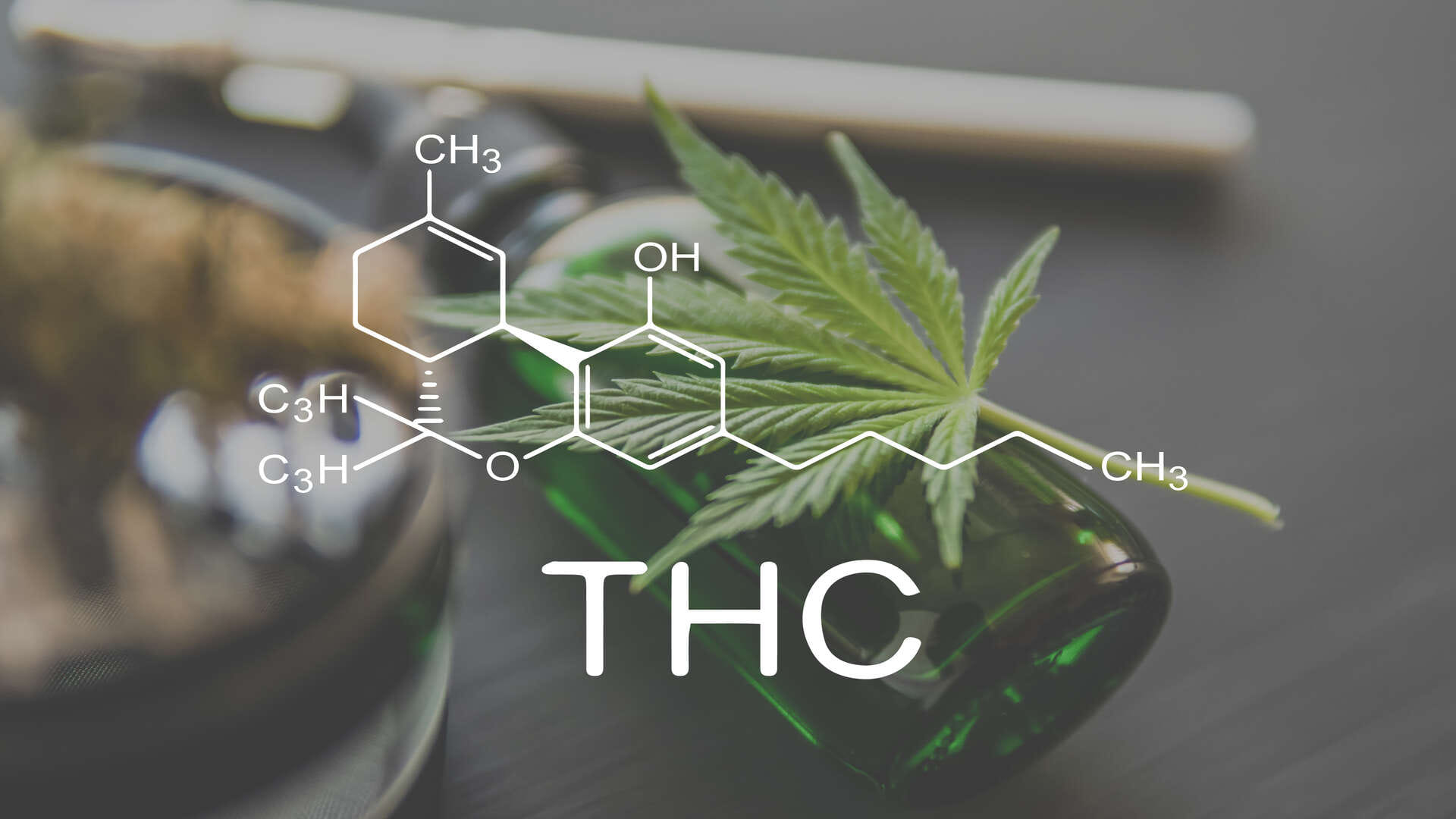

Cannabis has made an indelible mark on culture, medicine, and science, but at the heart of this incredible plant lies a single molecule: tetrahydrocannabinol, better known as THC. If you’ve ever asked, “What is THC?” you’re not alone. Whether you’re a curious newcomer, a medical cannabis patient, or a seasoned enthusiast, understanding THC is the key to experiencing the world of cannabis with confidence.
In this guide, we’ll answer the question "what is THC?" and lift the lid on where it comes from, how it affects the human body, and how it compares to other compounds in the cannabis plant. Let’s begin.
What Is THC?
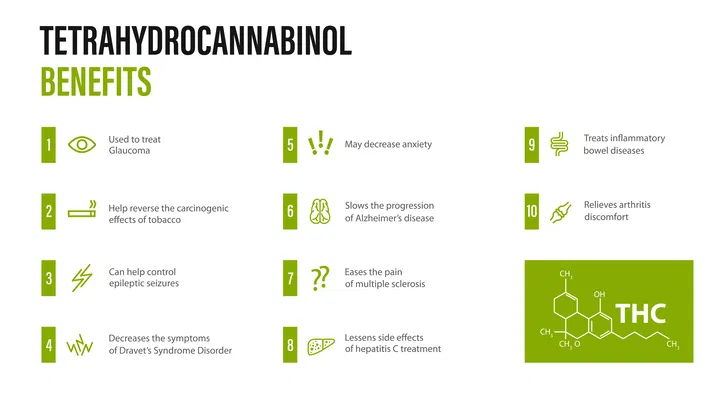
THC, short for tetrahydrocannabinol, is the primary psychoactive compound in cannabis. It’s the molecule responsible for the euphoric ‘high’ that users experience when consuming marijuana. THC is one of over 100 cannabinoids – a group of chemically similar compounds found in the cannabis plant. Among these, THC is the most well-known and extensively studied. THC is renowned for its many benefits on wellbeing, making it a significant focus for medical purposes. It has shown promise in treating symptoms related to cancer and its treatment, among other medical conditions. Yet, despite its long and ever-growing list of medical applications, THC is considered to have 'no currently accepted medical uses' according to the American FDA, complicating its prescription by healthcare providers. That seems almost bizarre in 2025, given how widespread medical cannabis use has become. However, it’s important to note that THC use can also lead to a number of unwanted effects for some people who consume it. Understanding both the benefits and potential risks of THC is crucial for anyone considering its use.
Scientifically speaking, THC is a lipid-soluble compound that binds to receptors in the brain and body, leading to a variety of physical and psychological effects. Its chemical structure is remarkably similar to anandamide, a naturally occurring neurotransmitter in the human brain. This similarity is what allows THC to interact so directly with the body’s systems.
The Origins of THC in the Cannabis Plant

THC doesn’t start as THC in the raw cannabis plant. Instead, it begins as THCA (tetrahydrocannabinolic acid), a non-psychoactive precursor. THCA is produced in the trichomes – the tiny, crystal-like structures that coat the surface of cannabis flowers. Cannabis sativa is one of the primary varieties of the cannabis plant, known for its higher THC concentrations compared to other strains.
When cannabis is exposed to heat (a process known as decarboxylation), THCA converts into THC. This can happen through smoking, vaping, or cooking cannabis. Decarboxylation removes a carboxyl group from the molecule, activating its psychoactive potential.
Cannabis strains vary widely in their THC content, and these differences are largely genetic. Factors like cultivation methods, growing environment, and harvesting time also influence THC levels. THC concentrations can vary among different strains of cannabis sativa, further contributing to the diversity in effects and potency.
THC vs CBD and Other Cannabinoids
While THC usually hogs the headlines, it’s not the only cannabinoid worth mentioning. Cannabidiol (CBD) is another major compound in cannabis that has gained widespread attention. Unlike THC, CBD is non-psychoactive and is known for its calming, anti-inflammatory, and anti-anxiety properties. CBD products, such as oils and topical lotions, are often used for their health benefits and are legal in many places compared to THC. As such, it’s become a valuable tool in the arsenal of many people looking for natural remedies and wellbeing measures, in much the same way THC has - but without the risk of getting high.

Other Key Cannabinoids Include:
CBG (Cannabigerol): Often referred to as the ‘mother cannabinoid’, CBG is a precursor to both THC and CBD. Ongoing research is identifying specific molecular targets influenced by cannabinoids like CBG and CBD, which may contribute to their therapeutic properties.
CBC (Cannabichromene): Believed to have anti-inflammatory and mood-enhancing effects.
CBN (Cannabinol) A mildly psychoactive compound often found in aged cannabis, known for its sedative qualities.
THCV (Tetrahydrocannabivarin): Strains rich in THCV are sometimes referred to as ‘Diet Weed’ due to this compound’s purported ability to curb appetite, as well as boosting energy.
Each cannabinoid interacts with the body differently, and together, they produce what’s known as the entourage effect – a synergetic phenomenon where the compounds enhance each other’s effects. Exploring the entourage effect can help you understand even more about cannabinoids and how they work on the human body.
How THC Works In The Human Body: Interaction with Cannabinoid Receptors
We’ve answered the question “what is THC?” but what about “how does THC work?” To understand exactly how THC affects the body, we need to explore the endocannabinoid system (ECS), a complex cell-signalling system discovered in the early 1990s by scientists including Raphael Mechoulam, the Israeli chemist who first identified and isolated THC way back in 1964. No discussion of THC would be complete without a considerable hat-tip to Mechoulam, as his groundbreaking work laid the foundation for modern cannabis research and our understanding of the endocannabinoid system. Mechoulam’s research has been instrumental in transforming cannabis from a stigmatized drug to a legitimate subject of medical and scientific inquiry.
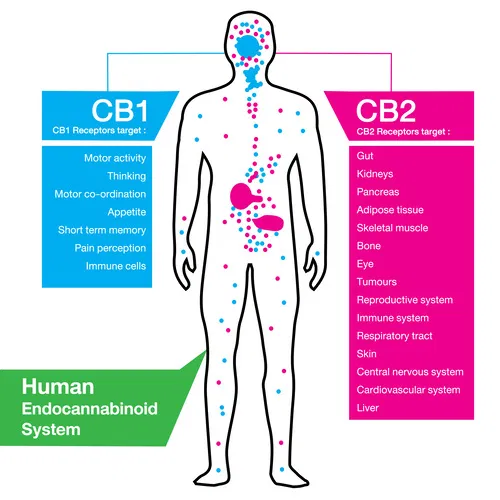
Thanks to the work of Mechoulam and his team, we know that the endocannabinoid system plays a vital role in regulating a wide range of physiological processes, including mood, memory, appetite, pain sensation, immune function and sleep. It consists of three core components:
Endocannabinoids: Naturally occurring cannabinoids in the body, like anandamide.
Cannabinoid Receptors: Mainly CB1 and CB2 receptors. CB1 is primarily found in the brain and nervous system, while CB2 is more common in peripheral organs.
Enzymes: Responsible for breaking down endocannabinoids once they’ve fulfilled their function.
When ingested, THC primarily binds to CB1 receptors, mimicking the effects of anandamide but with much stronger and longer-lasting effects. This interaction is what produces the psychoactive high, along with a range of physiological responses.
The Endocannabinoid System
How Does THC Affect the Body and Mind?
AKA the interesting bit! If you’re preparing to make a foray into cannabis consumption for medical or recreational reasons, you’ll certainly be wondering “What is THC going to do for me?” To answer that question is to unveil the true power of THC and its psychoactive effects, which are mediated through the activation of cannabinoid receptors in the central nervous system.
THC can have a wide variety of effects, and each individual will experience some, most, or all of these effects to one degree or another. But just how exactly you experience them depends on a wide range of factors such as the makeup of your chosen strain, dosage, delivery method, individual tolerance, and even your mood and setting. While lower doses of THC may reduce anxiety for some individuals, higher doses can lead to increased anxiety and other mental health effects. Here are the most commonly reported effects:
Positive Affects of THC Include:
- Euphoria
- Relaxation
- Increased Appetite (the munchies!)
- Pain Relief
- Reduced Nausea or vomiting
- Improved Sleep
Potential Negative Effects of THC Include:
- Anxiety or Paranoia
- Dry Mouth and Red Eyes
- Impaired concentration
- Increased heart rate
- Dizziness or light-headedness
- Chronic THC use can lead to conditions like cannabinoid hyperemesis syndrome (CHS), characterized by cyclic nausea, vomiting, and persistent abdominal pain.
It’s perfectly common for individuals to experience all or none of the negative systems, or at least, only the milder ones such as dry mouth and red eyes. Indeed, some individuals claim increased concentration, improved creativity and problem-solving after using cannabis – but again, this varies and can depend on the strain and dosage.
Medical Cannabis and THC
Medical cannabis, which contains THC, is used for a variety of medical purposes, including symptom management. In the United States, THC is approved in the form of capsules or solutions to relieve chemotherapy-induced nausea and vomiting and HIV/AIDS-induced anorexia. Many healthcare providers support the use of medical cannabis and THC for therapeutic purposes, recognizing its potential in palliative care and for conditions where traditional treatments have failed. The ability of THC to stimulate appetite, reduce nausea, and provide pain relief makes it a valuable tool in the medical field. As ongoing research continues to explore its benefits, more healthcare providers are considering medical cannabis as a viable option for their patients.
How THC Content Works In Cannabis: Percentages and Potency
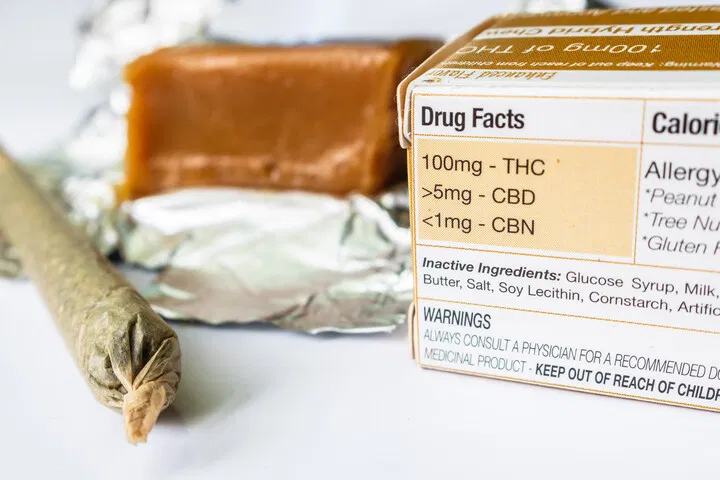
You’ve likely seen cannabis products labeled with percentages like 18% THC or 25% THC. But what do these numbers actually mean? Understanding how much THC is present in a cannabis product is crucial for determining its potency and effects.
THC content is typically measured as a percentage of the dry weight of the cannabis flower. For example, if a strain has 20% THC, it means that 20% of the flower’s dry weight is pure THC.
Higher THC percentages typically indicate a more potent product, but this isn’t always the whole story. The effects of cannabis are influenced by more than just THC levels – terpenes, minor cannabinoids and individual biology all play a part. High doses of THC can lead to potential toxicity and short-term effects such as intensified brain function effects.
Laboratories measure THC using techniques like high-performance liquid chromatography, which can accurately distinguish between THCA and THC and provide a more detailed cannabinoid profile.
Methods of THC Consumption
How you consume THC can have a significant impact on how quickly you feel its effects, and how long those effects last. Onset terms vary for similar reasons to how efficacy varies, but method of consumption is a key factor. Oral administration of THC involves its absorption in the gastrointestinal tract and first-pass metabolism in the liver. Additionally, cannabinoids interact with receptors in various organs and tissues, influencing bodily functions such as pain perception and hunger. Here are some of the most common ways to consume THC:
Smoking

Perhaps the most traditional and popular method, smoking cannabis flower (buds) via joints, blunts, pipes, or bongs delivers THC directly into the lungs, where it quickly enters the bloodstream. Effects are typically felt within 1 to 3 minutes, and can last 1-3 hours.
Vaping
Similar to smoking, vaping heats cannabis oil or flower to a temperature that releases cannabinoids without combustion. It’s a smoother alternative with an even faster onset – and a comparable duration to smoking. However, it still involves drug use and carries potential risks.
Edibles
THC-infused edibles such as delicious dagga muffins, brownies, cookies, or even gummies must be digested before the THC is metabolized by the liver into 11-hydroxy-THC, a more potent form. This process involves oral administration, where THC is absorbed in the gastrointestinal tract and undergoes first-pass metabolism in the liver, leading to delayed but stronger effects. This means onset is delayed – typically taking anywhere from 30 minutes to 2 hours to kick in – but the effects can be much stronger and last much longer, potentially as long as 6-8 hours depending on dosage and tolerance.
Extracts and Concentrates
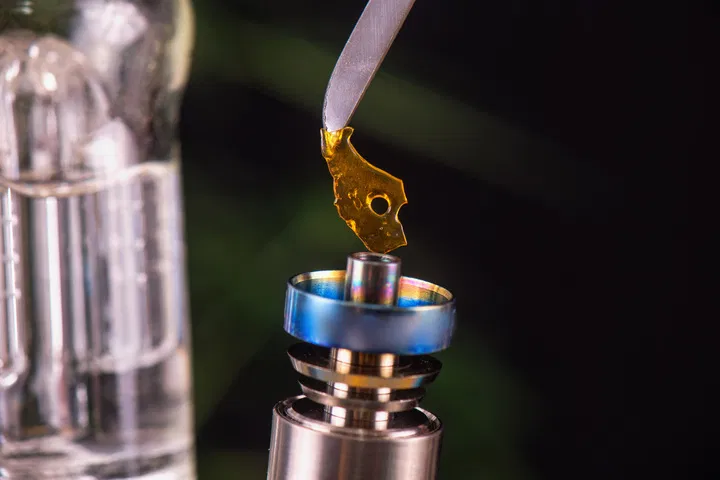
These highly potent forms of cannabis include wax, shatter, and oils. They’re often consumed via dabbing or vaporization and deliver a rapid, intense effect. Extracts and concentrates often involve high doses of THC, leading to rapid and intense effects. Onset is almost immediate (within seconds) and duration is similar to smoking, from 1 to 3 hours.
Sublinguals
Tinctures and THC strips placed under the tongue allow for direct absorption into the bloodstream. Sublinguals involve oral administration, allowing for direct absorption into the bloodstream and faster onset of effects. Onset typically occurs within 15 to 45 minutes, and effects can last 2 to 4 hours.
How you get your dosage in is ultimately up to you, and smoking cannabis remains the go-to for most people, but the convenience of edibles such as gummies and sublinguals, coupled with the lack of need for combustion – and the lack of that all-too-familiar cannabis odor – have seen these methods of consumption rise in popularity in recent years. Each method offers a different experience, so it’s worth experimenting cautiously to find what suits your needs and lifestyle best.