
How Do We Ensure Healthy Cannabis Clones?
About this Guide
When you buy cannabis clones from Seedsman, you want assurance that you’ve invested in healthy, thriving plants, free from harmful pathogens. We’re committed to delivering clones that meet the highest standards of plant health through a rigorous approach to hygiene, monitoring, and disease prevention. Every step taken in the cloning and propagation process is guided by our dedication to plant vitality, ensuring that the plants you receive are free from infection.
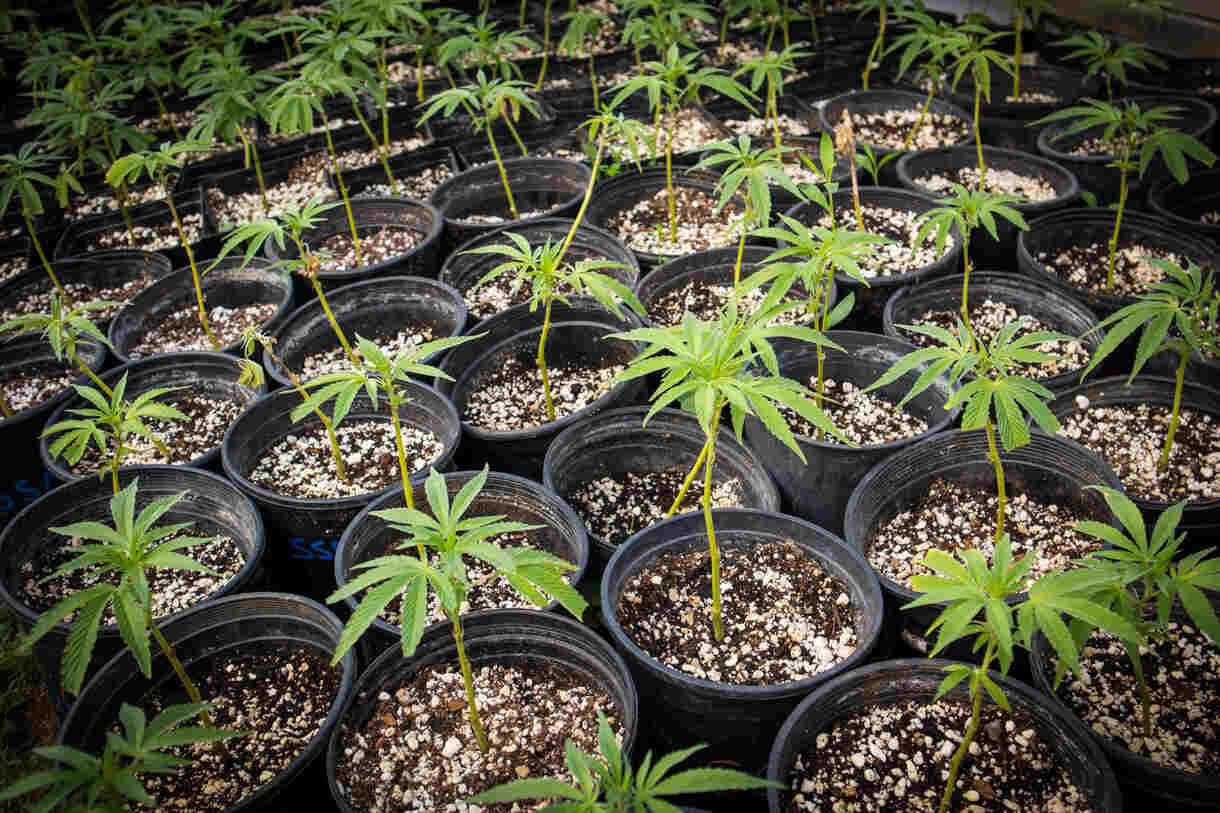
Vigilant Protection Against Hop Latent Viroid (HLVd)
HLVd poses a unique threat to cannabis cultivation as it can exist in a mother plant without showing visible symptoms, potentially infecting generations of clones. At Seedsman, we assume that any mother plant could carry HLVd, even if it appears healthy. This proactive stance drives us to maintain meticulous cleanliness and sanitation protocols to reduce any chance of viroid contamination.
Rigorous Sanitation Practices
Good plant hygiene practices start with tool and equipment sterilization. Every piece of equipment that comes into contact with plants – scissors, pruners, cutting boards and more – is carefully disinfected after each use. We go beyond standard protocols to ensure each tool is properly sterilized between handling different plants to prevent any transmission of HLVd or other pathogens.
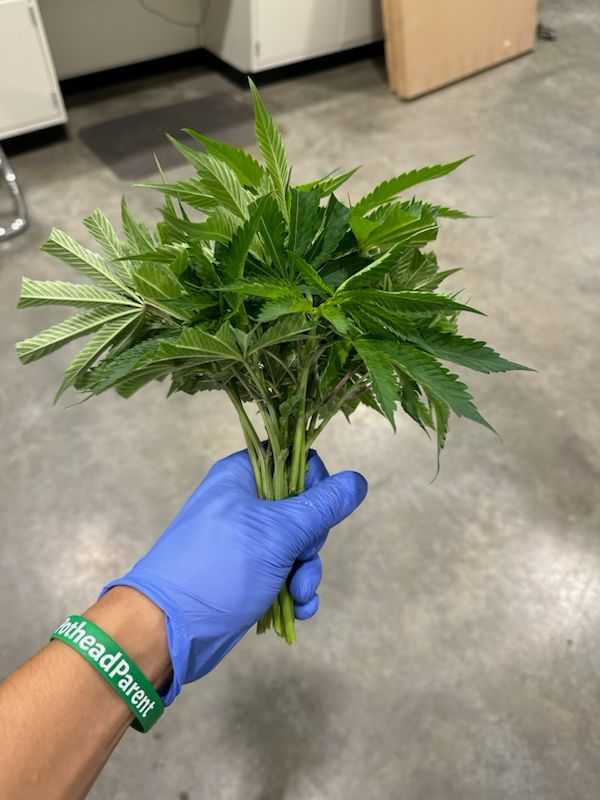
Additionally, all staff are required to wear fresh gloves when moving from one plant to another. Although this might seem meticulous, using new gloves on every plant ensures that no viroid particles are transferred between plants. Our goal is to eliminate even the smallest risk of contamination, and these rigorous hygiene practices are the first line of defense.
Strategies to Mitigate HLVd Risks
HLVd can cause stunted growth, smaller, looser buds, and even significantly lower cannabinoid content in plants. We take the risk of HLVd extremely seriously and so employ a multi-faceted approach to mitigating the risk.
Tissue Culture for Essential Strains
For the most valuable strains, we employ tissue culture, an advanced propagation technique that regenerates plants from clean tissue samples, eliminating viroid infections in the process. Tissue culture is labor-intensive, requiring specialized expertise and equipment, which is why we reserve this method for strains critical to our cultivation. Through tissue culture, we can preserve these important genetics in a disease-free state, allowing us to maintain the highest level of health in our most essential plants.
Rotating Mother Plants
To prevent HLVd from establishing itself within our cultivation, mother plants are rotated frequently. This approach allows us to select only the healthiest and most vigorous plants for cloning, as HLVd spreaads more slowly in robust plants. By continuously observing and selecting for peak health, we reduce the risk of viroid transmission and maintain a stock of mother plants that contribute strong, resilient genetics to each new generation of clones.
Comprehensive Quarantine and Testing Protocols
When introducing new genetics, strict quarantine procedures are enforced. Each new plant is isolated for a minimum of four weeks in a designated area where it undergoes close monitoring. During quarantine, we test for HLVd and other pathogens, ensuring that new plants are free for infection before integrating them into our main cultivation environment. This process minimizes any risk of contamination from external sources and allows us to maintain the purity of our existing genetic library.
Regular Viroid Testing Schedule and On-Site Lab Development
Testing for HLVd and other pathogens is a key component of our plant health strategy. To date, we conduct regular testing of mother plants to prevent viroid spread across our stock. As part of our expansion, we’re constructing an in-house PCR testing and tissue culture lab, set to launch in 2025. This facility will give us the capability to conduct on-site viroid diagnostics, allowing for rapid response and intervention if any viroid is detected. By mid-2025, we aim to populate all mother plant rounds exclusively with tissue-gculture-generated plants, ensuring a baseline of disease-free genetics and enhancing the health of future clones.
Maintaining Cleanliness in Cloning and Controlled Environments
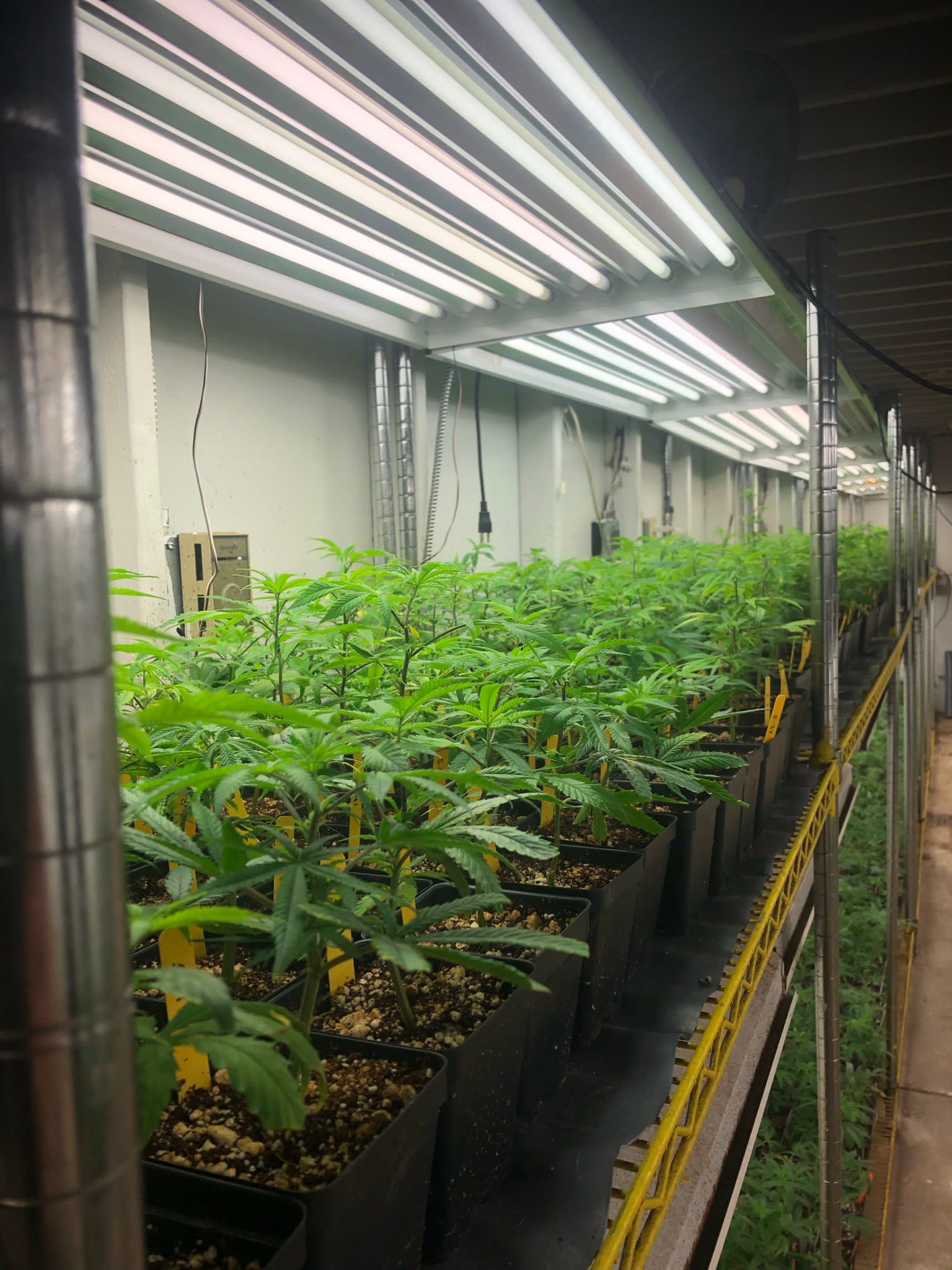
Propagation and inventory areas are kept under strict environmental controls to reduce contamination risks. These spaces are carefully managaed by dedicated personnel trained in sterilization and plant hygiene practices. Each staff member wears designated workwear, included shoes that are used exclusively in these areas, to prevent the introduction of external contaminants.
Dedicated Equipment and Staff Protocols
Within each controlled environment, specific tools and equipment are assigned to individual tasks and areas, reducing the risk of contamination. Each piece of equipment – whether scissors, watering pitchers, spray bottles, or pruners – is clearly labeled and sanitized between uses. By ensuring that tools are dedicated to particular areas, we minimize potential exposure to pathogens and create a sterile environment where plants can thrive.
Lowering Viroid Risk In Phenohunting Through Seed-Grown Plants
In the phenohunting process, where plants are grown from seed, we naturally reduce the risk of viroid contamination. HLVd is more commonly transmitted through infected clones or contaminated equipment rather than seeds, While we don’t conduct viroid testing on every seed-grown plant, this method minimizes the risk of infection from the start, providing a clean foundation for selecting exceptional genetics.
Vigilant Monitoring and Culling for Optimal Plant Health
At Seedsman, we believe that consistent monitoring is crucial to early detection and response to potential infections. All staff are trained to identify signs of HLVd and other pathogens, such as stunted growth, smaller leaf size, and reduced bud quality. If any plant shows signs of stress or infection, it is immediately isolated and further tested. When necessary, any plants confirmed to be infected are removed to protect the health of our broader stock.
An annual review of plant health allows the identification and removal of any plants that are underperforming, displaying signs of infection, or showing susceptibility to disease. This proactive culling process keeps our stock strong and limits any potential spread of viroids or other pathogens.
Controlled Introduction of New Genetics
Each time we bring in new genetics from trusted sources, we follow a strict three-month quarantine period before they are integrated into the main population. This extended quarantine allows careful monitoring of the plants for signs of stress or disease. During this period, pathogen testing is carried out to ensure the health of the incoming genetics. Only after the quarantine period are these new genetics allowed to merge with the core population, which helps prevent accidental contamination and maintains the integrity of our genetic library.
Commitment to Plant Health and Genetic Integrity
This comprehensive approach to plant health reflects our commitment to providing the best possible clones to our customers. Through a combination of strict hygiene practices, thorough testing, controlled environments, and continuous health monitoring, we maintain a robust stock of cannabis clones free from harmful pathogens like HLVd. Our future in-house lab and expansion of tissue culture practices will only strengthen our ability to provide clean, disease-free genetics.
Clone Health: Our Priority for Your Peace of Mind
When you choose Seedsman, you are choosing quality, health, and a steadfast commitment to plant hygiene and genetic integrity. From proactive viroid testing and quarantine procedures to tissue culture techniques and vigilant culling of weak plants, we implement every precaution to ensure our clones are as healthy and pathogen-free as possible. This dedication to plant health means you receive clones that are ready to thrive in your grow environment, supported by genetics that have been meticulously cultivated for resilience and vitality, giving you the peace of mind you need to know that your clones are healthy upon arrival, ready for your care and input to nurture them into cannabis plants of the highest caliber.