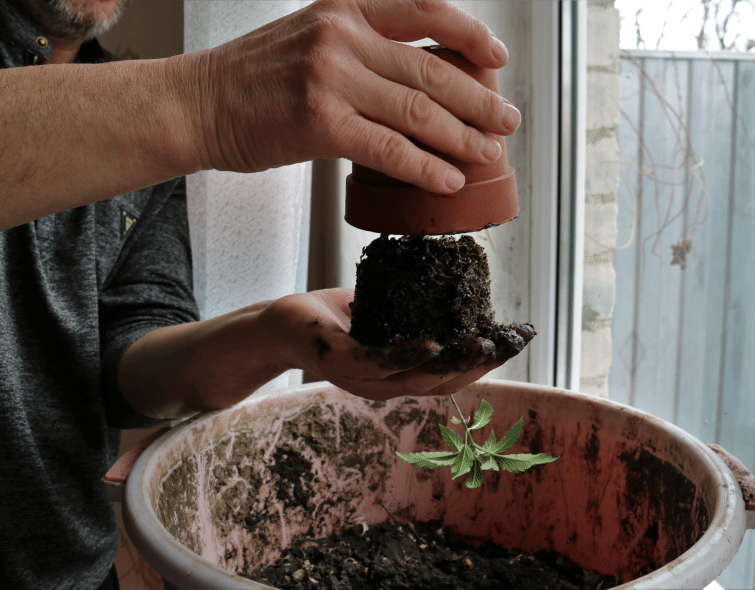
What are cannabis seedlings?
In the cannabis growth cycle, seedlings are the earliest stage of development after germination.
These young plants, grown from seed, are ready to develop into mature cannabis plants.
While clones are cuttings or genetic copies of an original plant, seedlings are unique individuals, even when they come from the same batch of seeds.

SHARE ON SOCIAL MEDIA
Cannabis seedlings are produced through seed germination, during which the seed’s protective shell opens and a root begins to grow downwards while a shoot starts growing upwards. This process creates a new plant. Although sexual reproduction results in genetic variation, seedlings offer genetic diversity and the potential for new, desirable traits. Environmental factors also play a role, but because seedlings are grown from seed, they can still display variations even under identical conditions.
Growing from seedlings is a traditional method of cannabis cultivation. Although cannabis clones offer certain advantages, seedlings may be preferred depending on the intended purpose, the desired level of genetic diversity and the growing conditions. The choice between seedlings and clones, or using both methods, depends on the grower’s goals and preferences.
The Benefits of Using Cannabis Seedlings
Modern agricultural breeding methods can provide a certain level of consistency across seed batches. However, not all seed batches are the same. By using cannabis seedlings, growers can introduce genetic diversity into their plants. This diversity can lead to the discovery of new phenotypes with desirable traits.
Because seedlings are not genetically identical like clones, they can produce different results, which can be particularly useful in breeding programmes. As they are grown from seed, seedlings also provide a clean starting point and do not carry diseases or pests from infected mother plants. Most high-quality seeds undergo rigorous testing to ensure they are free from pathogens such as Hop Latent Viroid (HLVd).
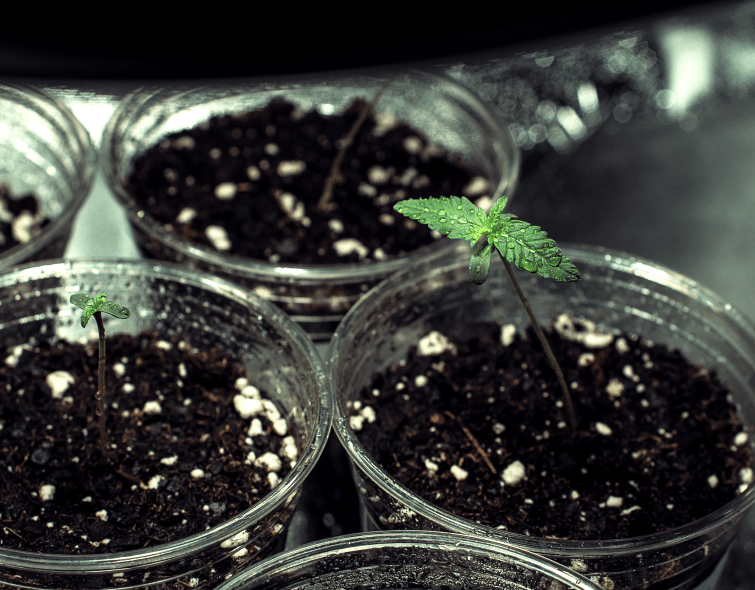
Growing from seedlings gives cultivators the opportunity to select plants best suited to their environment and desired outcomes. In commercial cannabis production, specific traits can be developed by selecting seedlings that display those characteristics and using them for further breeding or cultivation. This allows growers to guide the crop towards particular goals, whether related to the final product or adaptation to a specific location.
Some cannabis varieties with unique genetic traits may emerge from seed-based breeding programmes. These new genetic combinations can lead to the development of elite cultivars that could not be achieved through cloning alone.
Autoflowering vs. Photoperiod Seedlings
Autoflowering plants generally have a faster life cycle. Their seedling stage may be shorter than that of photoperiod plants because they are genetically programmed to enter the flowering stage regardless of the light cycle, often just a few weeks after germination.
Because of their rapid life cycle, autoflowering plants may appear more vigorous during the seedling stage. However, this is not always the case, and photoperiod plants can show greater vigour at this stage depending on their genetics and growing environment.
Autoflowers move quickly through each stage of development, so every moment counts. Photoperiod, or light-dependent, plants have a longer seedling stage and only begin flowering once they receive a specific light-to-dark ratio. Their transition is determined less by age and more by light exposure.
This means photoperiod plants can remain in the seedling stage for longer without being significantly affected, especially when they are given the opportunity to grow under optimal conditions.
Cannabis Seedlings vs. Cannabis Clones
Cannabis seedlings may take slightly longer to establish than clones because they first need to go through the germination process. However, they offer greater genetic diversity. This means each seedling may respond differently to environmental conditions, making some plants more resilient or adaptable than others.
Growing from seedlings also allows new genetic combinations to be explored, potentially leading to the discovery of new elite cultivars. While clones provide predictable results because of their genetic uniformity, seedlings offer greater variation, possibility and excitement.
Seeds naturally contain genetic variation, and even within a single strain or batch, there may be subtle differences in how plants grow and which compounds they produce. Seedlings therefore allow breeders to select and cultivate the plants that display the most desirable traits, gradually refining their crops over time.
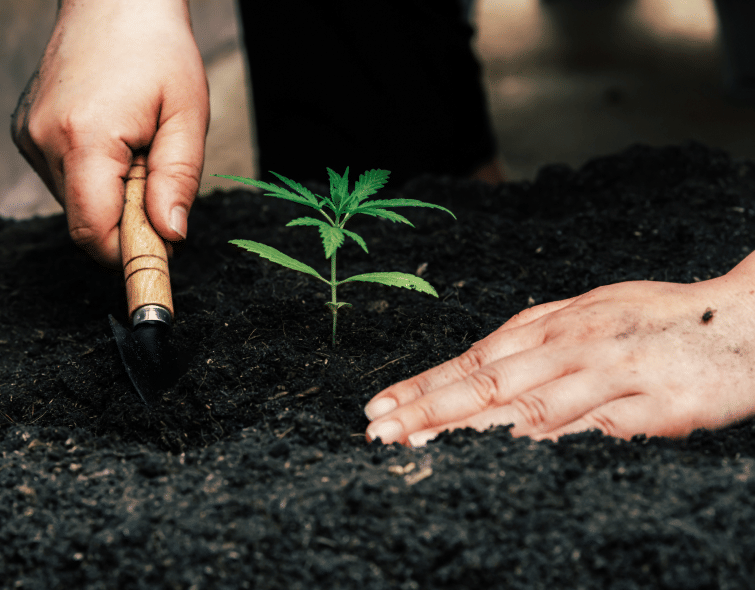
How Are Cannabis Clones Made?
There are a few nuances involved in producing cannabis clones, or taking cannabis cuttings, but the general process is fairly straightforward. This is a brief overview of one of the most common methods, including the essential and useful materials needed to get started, assuming a healthy cannabis plant with the desired phenotype has already been selected as the mother plant.
Cannabis clones can come in several forms. The two most common are rooted and unrooted cuttings. Unrooted cuttings are exactly what they sound like and are available to growers sooner than rooted cuttings. Both rooted and unrooted cuttings offer advantages.
Unrooted cuttings (URCs) do not yet have established roots and require further propagation to develop a root system. They are often readily available and easy to transport. Rooted cannabis clones, on the other hand, have successfully completed the rooting process and have a fully functioning root system, making them more self-sufficient and ready for transplanting and continued growth.
How to Identify a High-Quality Seedling
Vigorous growth: A high-quality seedling should display steady, consistent growth. Although different strains may grow at different rates, continuous development without prolonged stagnation is a positive sign.
Stem strength: A strong, upright stem is a sign of a healthy seedling. If the stem appears weak, thin or leggy, with large spaces between the nodes, this may indicate insufficient light or other suboptimal conditions.
Leaf development: Look for bright green, plump leaves that are well hydrated and held away from the stem. Young seedlings initially develop single-bladed leaves, followed by true leaves. The foliage should be well formed and free from discolouration or deformities.
Root system: Although it is not always visible, a robust root system is an important indicator of a healthy seedling. When transplanting, look for white, fibrous roots. Brown or mushy roots may indicate rot or another disease.
Colour: Healthy cannabis seedlings should have a vibrant green colour. Yellowing, purple discolouration or brown spots may indicate nutrient deficiencies, pests or disease.
Uniformity: When growing several seedlings of the same strain, they should show a reasonable level of consistency in size, shape and growth rate. Significant differences may point to inconsistent genetics or variations in environmental conditions.
Absence of pests and disease: Check for signs of pests such as spider mites, aphids or fungus gnats. Also look for diseases such as damping-off, which can quickly kill young seedlings.
Cotyledon health: Cotyledons, or “seed leaves”, are the first leaves to appear during the cannabis seedling stage and provide the young plant with nutrients during its early development. They should look green and healthy. Premature yellowing or dropping may indicate a problem.
Response to the environment: Healthy seedlings should respond positively to their surroundings. For example, they may display phototropism, growing towards the light, which indicates that they are actively seeking optimal conditions for development.
No signs of stress: Avoid seedlings that show signs of stress, such as curling leaves, wilting or discolouration. These symptoms may be caused by factors such as overwatering, underwatering, excessive light or extreme temperatures.
Pheno Hunting: The Search for Unique Traits in Seeds
Phenohunting, also known as pheno hunting, is the meticulous process of growing a large number of seeds from specific cannabis strains in order to discover and select distinct phenotypes that display unique and desirable traits.
This cultivation method is comparable to searching for a diamond in the rough. The more seeds you grow, the greater the chance of discovering a rare and exceptional phenotype. For example, a batch of 100 seeds may reveal a handful of interesting variations, while a population of 10,000 seeds could uncover truly outstanding phenotypes that occur only once in every thousand plants.
Consider legendary strains such as Girl Scout Cookies, which emerged as a unique phenotype from a pack of seeds and went on to become an icon in the cannabis world. Once discovered, rare phenotypes can be bred to produce cannabis plants with exceptional flavour, aroma, potency or medicinal properties.
The key advantage of phenohunting is the opportunity to find something genuinely unique within an ever-expanding landscape of cannabis strains. This not only gives breeders a way to differentiate their products in the market, but can also lead to innovative new varieties that redefine the boundaries of what cannabis can achieve.
Selecting a Mother Plant for Seed Production
Selecting the right mother plant—and father plant—is essential when producing seeds. Breeders often grow a large number of plants from seed to identify the best phenotypes. Key factors include the desired traits, growing conditions and genetic stability.
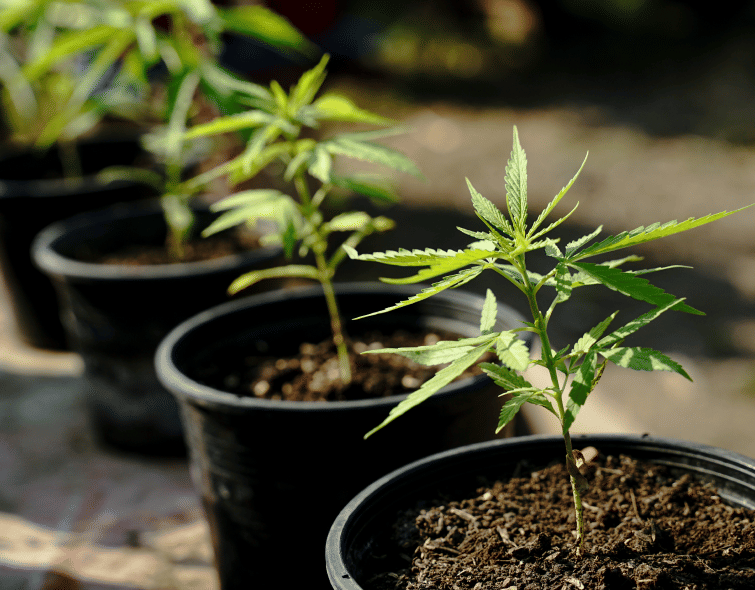
The process may begin by growing a set number of seeds to identify standout plants. Once these high-performing or unique plants have been selected, they can be used as mother plants to produce further seeds or moved into a cloning programme to ensure their desirable genetics are preserved and passed on to future generations.
Growing cannabis from seed involves several stages, from selecting the seeds and germinating them to caring for the young seedlings during their early development until they are ready for transplanting or continued growth.
How to Grow Cannabis Seedlings
Growing cannabis from seed involves several stages, from selecting the seeds and germinating them to caring for the young seedlings during their early development until they are ready for transplanting or continued growth.
Life Stages
Germination: This is the first stage of the life cycle, when a seed begins to grow under favourable conditions. It starts with the seed absorbing water, a process known as imbibition. The water activates enzymes that begin breaking down the food reserves stored in the endosperm. This provides the energy and building blocks needed for growth.
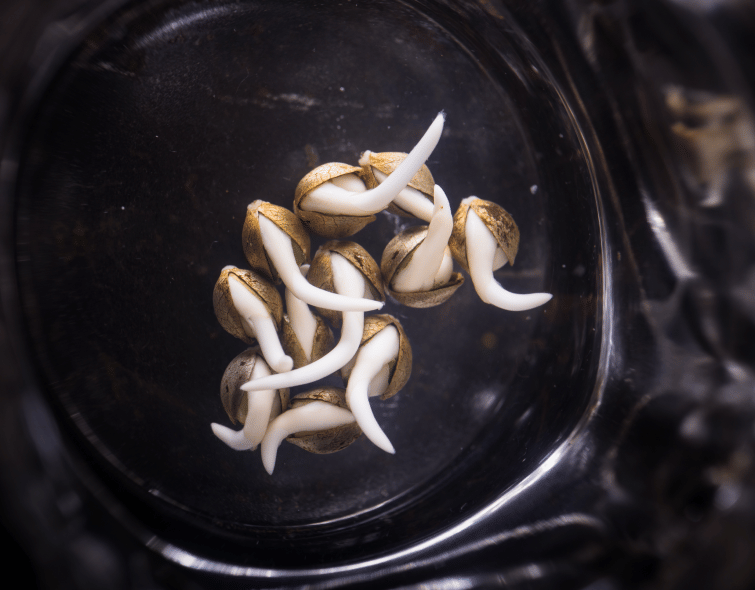
Metabolic activation: As the seed absorbs water, enzymatic reactions convert stored starch into sugars. These sugars provide energy for the developing seedling, with the process activated by plant hormones such as auxins and gibberellins.
Emergence of the radicle: The first root, also known as the taproot or radicle, breaks through the seed shell and begins growing downwards. This anchors the seed and helps it absorb water and nutrients from the growing medium. Through a process known as gravitropism, the plant can distinguish up from down: the roots know to grow downwards, while the shoots know to grow upwards.
Shoot development: After the radicle emerges, the shoot develops and grows upwards through gravitropic mechanisms in search of light. Once it detects light, its growth towards it is known as phototropism. The first leaves, known as cotyledons, then emerge from the shoot and play an important role in the plant’s early development.
Photosynthesis: As the cotyledons open and the first true leaves, or fan leaves, begin to form, the seedling starts producing energy through photosynthesis. Light absorbed by chlorophyll allows the plant to convert carbon dioxide and water into glucose, which provides energy, and oxygen. This glucose supports the plant’s continued growth and development.
Growth hormones: Plant hormones have a significant influence on seedling vigour and growth. Auxins, for example, promote cell elongation and regulate root and shoot development. Gibberellins encourage cell division and elongation, influencing stem growth. Cytokinins also play a role in cell division and differentiation, particularly in the roots.
Environmental factors: Light, temperature, airflow, humidity and nutrients in the growing medium are all essential for seedling development. Seedlings need sufficient light, as this affects the rate of photosynthesis and determines the direction of growth through phototropism. Temperature regulates the enzymatic activity involved in metabolic processes. Moisture is essential for germination and maintaining cellular functions, while nutrients provide the minerals needed for growth and development.
Genetic factors: The genetic makeup of the seed determines its potential for growth and vigour. Some seeds naturally carry genes that make them more vigorous or faster-growing than others.
Seedling vigour: Seedling vigour is an observable characteristic that reflects a plant’s ability to establish itself and grow under different conditions, including potential environmental stress. Vigorous seedlings usually display rapid, even emergence, a strong root system and robust early growth.
Ultimately, seedling growth and vigour result from the interaction between the seed’s genetic potential and its external environment, regulated by complex metabolic and physiological processes. The stronger and more vigorous a seedling is, the greater its chances of developing and maturing into a healthy plant.
Successfully Raising Seedlings
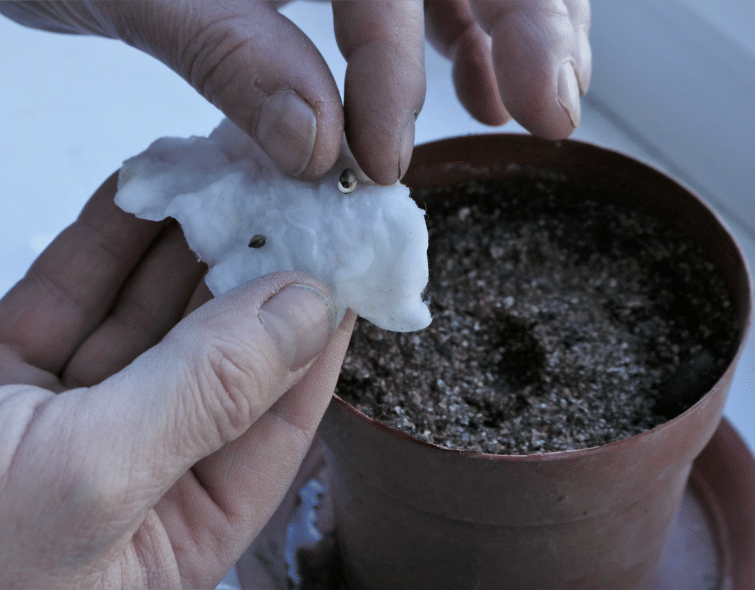
- Start with high-quality cannabis seeds from a reliable source.
- Store the seeds properly in a cool, dark place until they are ready to be used.
- To germinate cannabis seeds, place them between damp paper towels or sow them directly into a growing medium.
- Once the seeds have germinated, begun to sprout and developed into seedlings, provide them with sufficient light, water and nutrients. Avoid exposing them to extreme conditions or harsh climates.
- Monitor the seedlings as they grow and watch for signs of pests or disease.
- Once the seedlings have grown sufficiently and developed a stable root system, they can be transplanted from small pots into larger containers or directly into the ground, depending on the growing location, so they can enter the vegetative stage.