
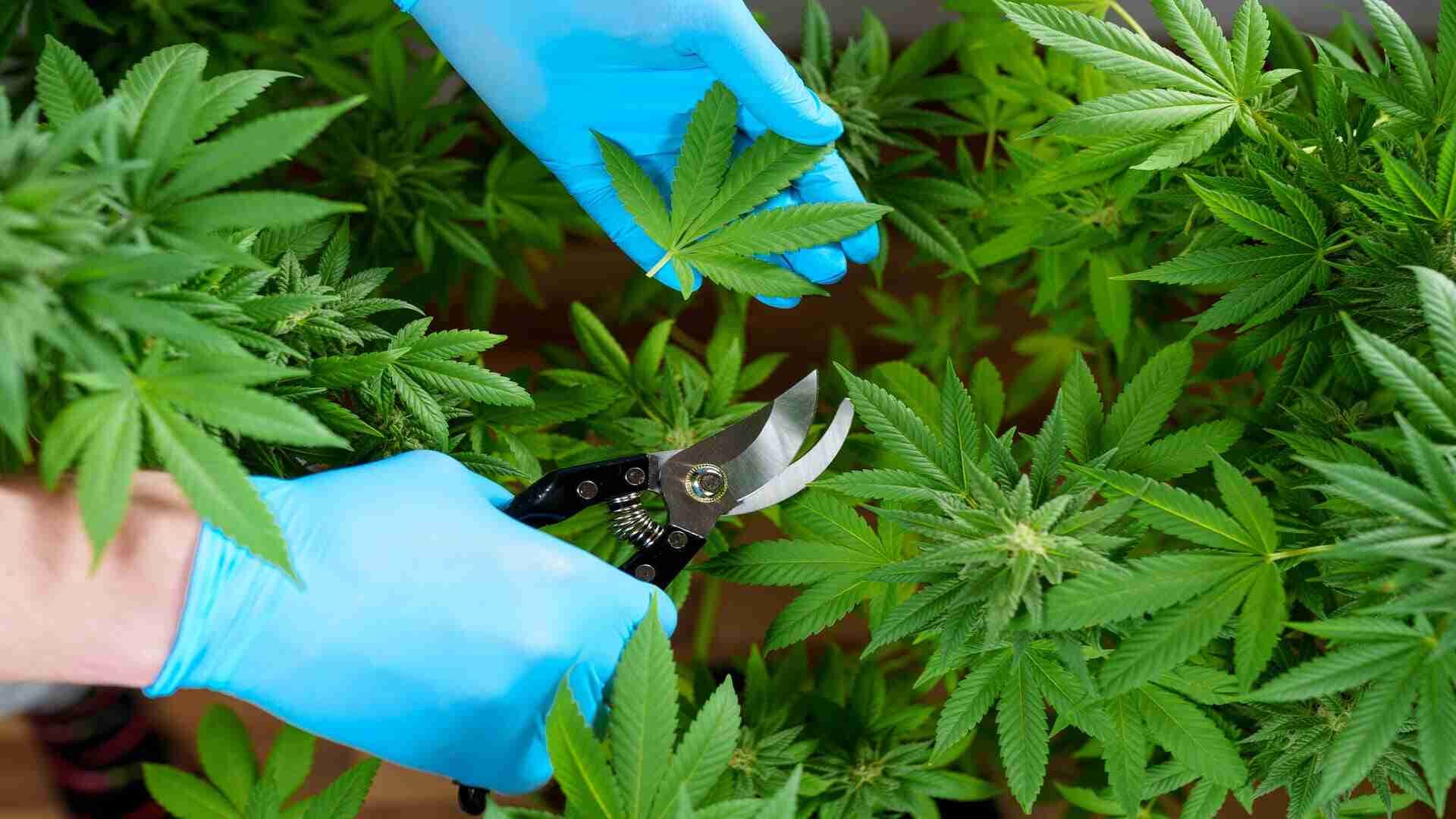
If you want healthier plants, heavier yields, and higher-quality buds, one of the best things you can do is prune your cannabis plants as they grow. When done correctly, pruning improves light penetration throughout the canopy, increases airflow, reduces the risk of mold or disease, and prevents the plant from wasting energy on weak lower growth that never develops into anything worthwhile.
The key to successful pruning is timing and restraint. You’re not trying to strip your plant bare or stunt its growth. Instead, the goal is to make targeted cuts at strategic points in the plant’s life cycle and allow time for full recovery between pruning sessions. In this article on how to prune cannabis plants as they grow, we’ll break down what pruning means, why it matters, how to do it properly, and how to support your plants afterward.
What Does Pruning Cannabis Actually Mean?

Pruning refers to the intentional removal of leaves, shoots, and branches that aren’t contributing to the production of healthy, high-quality buds. These typically include:
· Lower branches or growth that sit in the shade and receive little light
· Weak inner shoots that won't reach the canopy
· Damaged, yellowing, or diseased leaves
· Dense or crowded foliage that traps humidity and reduces airflow
While pruning often overlaps with defoliation (removal of fan leaves) and canopy shaping techniques like topping or training, its core focus is to clear away non-essential growth so the plant can redirect energy toward bud development.
Further Reading:A Guide To Cannabis Defoliation
Understanding the difference between fan leaves and sugar leaves is essential before making any cuts. Fan leaves are the large, iconic cannabis leaves most people recognize. These play a major role in photosynthesis and nutrient transport, especially during the vegetative stage. Sugar leaves, on the other hand, are smaller, resin-covered leaves that grow out of bud sites. They contain valuable trichomes and are not typically removed during pruning, especially late in flower.
It's important to avoid removing too many fan leaves too early. These leaves are vital for energy production, and removing too many at once can slow down growth and make the plant more susceptible to stress.
Why Pruning Cannabis Plants Is So Important

Pruning isn’t about aesthetics. It’s a strategic technique that improves plant health, increases airflow, and ensures that your cannabis focuses its energy on producing the best buds possible.
Dense canopies, especially indoors, can trap warm, humid air—creating the perfect environment for mold, mildew, and pests. By opening up the structure of the plant through pruning, you allow for better air circulation and reduce the risk of disease.
Another major benefit of pruning is improved light distribution. Lower branches and shaded bud sites often receive very little light and end up producing light, fluffy buds known as “larf.” By removing these sites and opening up the canopy, light can penetrate deeper, encouraging the development of dense, top-shelf buds throughout the plant.
Additionally, pruning helps the plant focus its energy. Instead of feeding weak branches and hidden leaves, the plant can concentrate nutrients and energy on its most productive bud sites near the top.
Finally, pruning forces you to inspect your plants closely, which increases your chances of spotting pest issues, nutrient deficiencies, or other stress signs early—making it easier to address them before they become serious.
Further Reading: 5 Tips To Prevent Diseases And Pests In Your Indoor Grow Room
How To Prune Cannabis Plants As They Grow
Start by preparing your tools. Always use clean, sharp scissors or shears to make clean cuts. Dull blades can crush plant tissue, leading to a longer recovery period. Sterilize your tools using a solution of 1 part bleach to 9 parts water before starting and between plants to prevent the spread of pathogens.

Begin by identifying “wrong-direction” growth. These are branches that grow inward toward the center of the plant, rub against other branches, or form unnecessary clutter within the canopy. Remove them carefully at the base, without damaging the main stem.
Next, focus on removing lower branches and shaded growth that don’t receive adequate light and won’t contribute much to the final yield. Make your cuts close to the stem to ensure a clean healing process. By clearing out the bottom third of the plant, you help the top sites thrive.
If necessary, perform light defoliation by removing a few large fan leaves that are blocking multiple bud sites or reducing airflow through the canopy. However, do this cautiously—removing too many fan leaves in one go can stress the plant and delay growth.
Once pruning is complete, step back and examine the plant from the side. You should be able to see more light reaching into the center of the canopy, improved airflow, and a clearer structure from top to bottom. This sets the stage for more even development and better quality buds at harvest.
Further Reading:Why Is My Cannabis Growing Slowly?
Aftercare: Supporting Your Plant Post-Pruning

Pruning is a form of stress, even when done correctly. After a pruning session, your goal should be to minimize additional stress and give the plant time to recover.
Maintain stable environmental conditions with proper lighting, consistent temperatures, and correct humidity levels. During this period, temperatures should remain in the optimal range—between 70–85°F (21–29°C) during the vegetative stage, and 68–80°F (20–27°C) in flower.
Avoid handling the plant excessively for a few days after pruning. Ensure it receives adequate nutrients and water to support new growth. You should begin to see healthy, vigorous regrowth within a week if the plant is well cared for.
If you've done a heavier pruning, especially in mid-to-late veg, allow at least 5 to 7 days before doing another round. Over-pruning or pruning too frequently can slow your plant’s development rather than speeding it up.
Final Thoughts on How To Prune Cannabis Plants As They Grow
Learning how to prune cannabis plants as they grow is one of the most effective ways to improve plant health and maximize your yield. By carefully removing non-productive growth, increasing airflow, and enhancing light penetration, you give your plants the best possible conditions for producing dense, potent, and high-quality buds.
The key is always timing and moderation—remove what’s necessary but never more than your plant can handle. When done right, pruning is a powerful technique that will help you harvest bigger, cleaner, and more valuable buds every grow cycle.
For more details on how to grow cannabis indoors, check out my book 7 Steps To Grow Cannabis. It’s a complete beginner’s guide to growing cannabis indoors. You can get it on my website, or on Amazon. Happy growing!