
Caring for Your Cannabis Clones: A Step-by-Step Guide
About this Guide
At Seedsman, we’re dedicated to providing high-quality cannabis clones to ensure your cultivation journey gets off to the best start and ends with superb cannabis. [TR1] Once your clones arrive, giving them the proper care is crucial for healthy growth and a successful harvest. This guide will walk you through the essential steps to care for your cannabis clones, ensuring they thrive in their new environment.
1. Inspect Your Clones Upon Arrival
When your cannabis clones arrive, the first step is to carefully inspect them. Look for healthy green leaves and a well-developed root system.
Tip: If you notice any wilting, yellowing, or root damage, act quickly to revive your clone by placing it in a gentle, warm, and moist environment with adequate light.
Why This is Important: Early detection of issues helps prevent further stress to the plant and gives you the best start for an excellent finish.
2. Acclimatize Your Clones
After the journey to your home, clones can be a bit shocked. They need to acclimatize to their new environment before being transplanted or exposed to full light intensity.
Steps for Acclimatization:
Place your clones in a warm, slightly shaded area with indirect light for the first 24–48 hours.
Avoid immediately exposing them to high-intensity grow lights or direct sunlight, as this can stress them.
Tip: If possible, gradually increase light exposure after the first couple of days to help them adjust.
Why This is Important: A gradual acclimatization period helps prevent transplant shock, which can slow down growth and weaken the plant.
3. Prepare Your Growing Medium
Before transplanting your cannabis clone, make sure your soil is properly prepared. Healthy soil should be well-aerated and nutrient-rich.
For Soil:
Use a high-quality, light soil mix with good drainage.
Ensure the pH is between 6.0 and 6.5 for optimal nutrient absorption.
4. Transplanting Your Clones
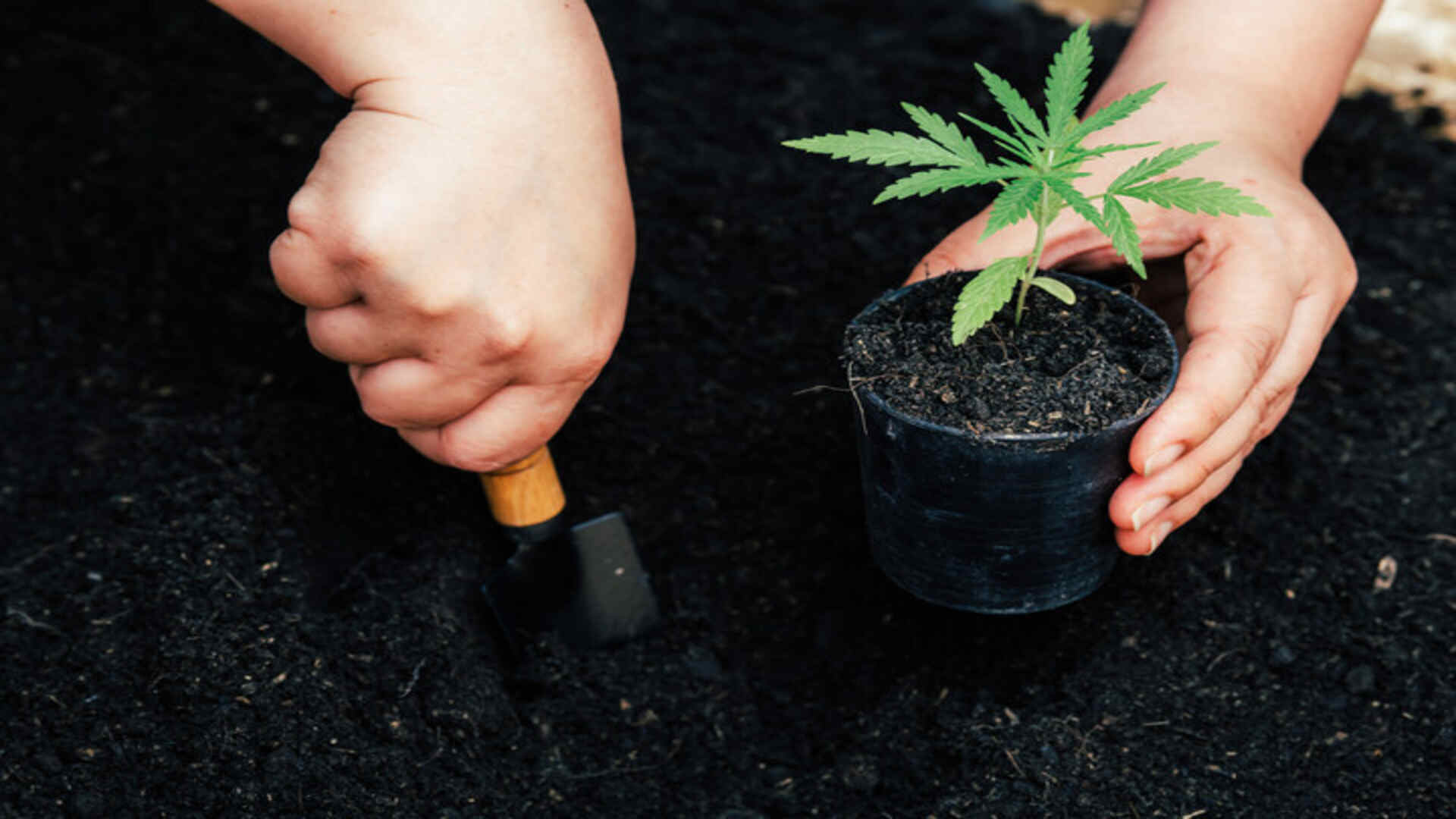
Once your clones have acclimatized, they are ready to be transplanted into their new home.
How to Transplant:
Gently remove the clone from its current container, being careful not to damage the delicate roots.
Place the clone into a hole in the growing medium that is deep enough to support the root structure.
Lightly pack the medium around the stem to provide stability without compacting the soil too tightly.
Tip: We recommend a full saturation watering after transplanting. This helps the soil coagulate and encourages the roots to spread out into the nutrient-rich, moist soil.
Why This is Important: Proper transplanting allows the roots to establish themselves quickly, promoting vigorous growth and reducing the risk of transplant shock.
5. Lighting and Temperature Control
After transplanting, cannabis clones need the right amount of light and a stable environment to grow.
Lighting:
For the vegetative stage, cannabis clones require 18–24 hours of light per day. Fluorescent or LED grow lights are ideal for providing the right spectrum without generating excessive heat.
Temperature and Humidity:
Maintain temperatures between 20°C and 26°C (68°F–79°F).
Keep humidity levels between 60% and 70% during the first few days, then gradually lower to around 50% as the plant matures.
Tip: Use a hygrometer and thermometer to regularly monitor the growing environment.
Why This is Important: A stable light cycle and proper environmental conditions are critical for photosynthesis and root development, which are the foundations of strong, healthy plants.
6. Watering and Nutrient Care
Cannabis clones require careful watering and nutrient management, as over- or under-watering can harm the delicate root system.
Watering Tips:
Water your clone only when the top inch of soil feels dry. Overwatering can drown the roots and lead to root rot.
Use room temperature, pH-balanced water (6.0–6.5 for soil, 5.5–6.0 for hydroponics).
Nutrient Management:
During the early stages, use a diluted nutrient solution (around 25% strength) and gradually increase as the clone develops.
A nitrogen-rich fertilizer is ideal for the vegetative stage, promoting healthy leaf growth.
Tip: Pay attention to signs of nutrient deficiencies or imbalances, such as yellowing leaves or slow growth, and adjust your feeding schedule accordingly.
Why This is Important: Proper watering and feeding provide the plant with the moisture and nutrients it needs without overwhelming its developing root system, supporting vigorous, healthy growth.
7. Monitor Growth and Adjust Care
As your clone establishes itself, it’s important to keep a close eye on its growth and make adjustments as needed. Pruning, training, and adjusting the growing environment will help you shape the plant and optimize its potential.
Tip: Regularly check for pests, adjust the light height as the plant grows (if growing indoors), and prune away any dead or yellowing leaves to focus the plant’s energy on healthy growth.
Why This is Important: Monitoring growth helps you catch potential issues early and allows you to create an optimal growing environment for a successful harvest.
Caring For Your Clones: Final Thoughts
By following these steps, you’ll give your cannabis clones the best possible start. Whether you are a seasoned grower or a relative beginner, taking the time to acclimatize, transplant, and care for your clones properly will ensure they develop into strong, healthy plants. At Seedsman, we provide top-quality clones to set you on the path to success, and with the right care, your plants won’t just thrive – they'll flourish into the kind of cannabis plants you’ve been dreaming of.