
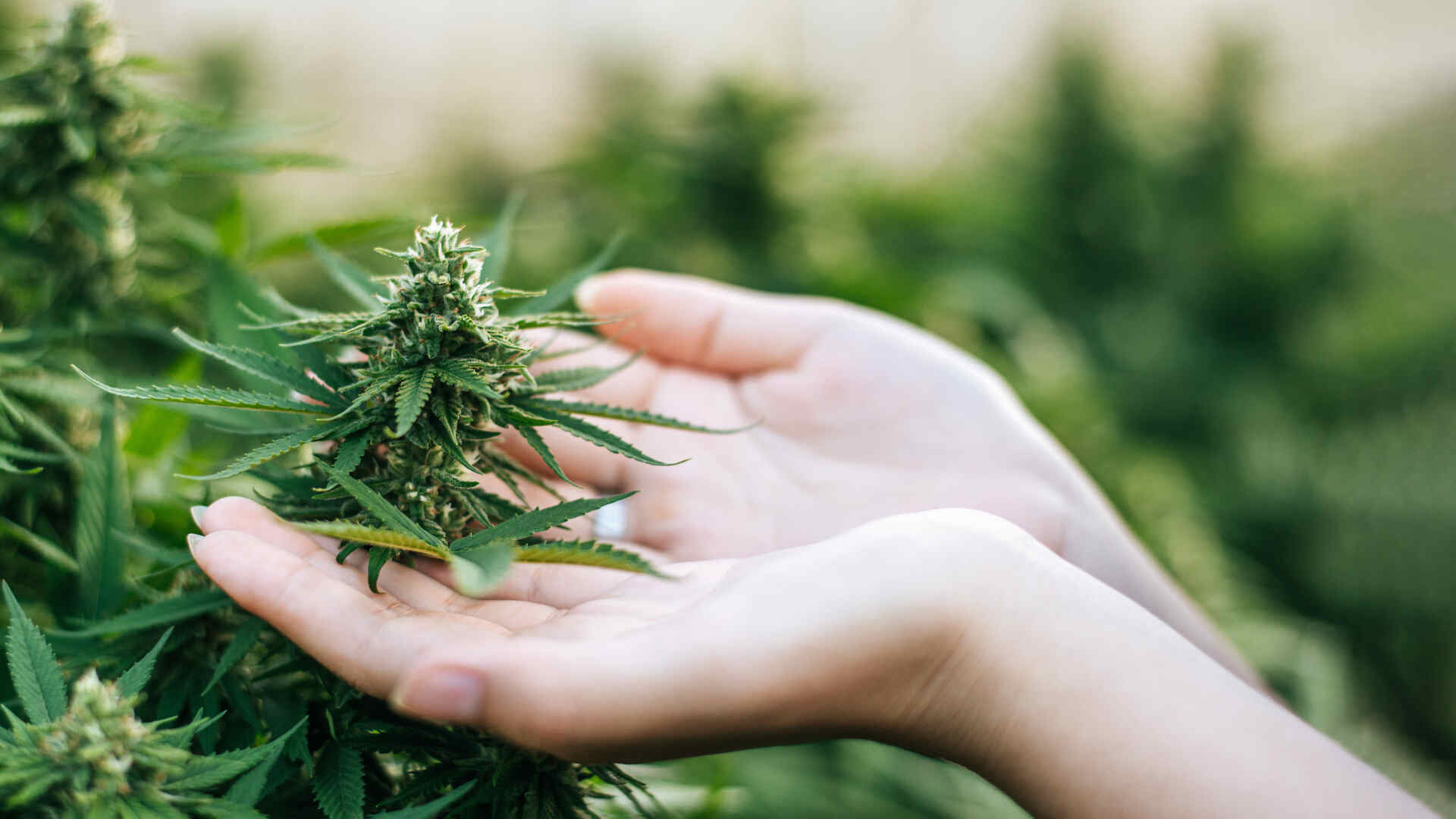

Harvest timing is one of the final and most important decisions you will make during a cannabis grow. You can spend months watering, feeding, training, trellising and protecting a plant, only to reach harvest and wonder: how do I actually know when it is ready? Is it the number of flowering days listed by the breeder? The color of the pistils? The trichomes? Should the fan leaves be fading? And if the top of the plant looks ready but the lower flowers do not, do you have to harvest the entire plant at once?
The answer is that no single signal can tell you exactly when to harvest cannabis. I prefer to read the whole plant. Trichome maturity is one of the most useful tools we have, but I also look at pistils, flower development, overall plant maturity, differences across the canopy, the cultivar, the intended use of the crop, and especially when growing outdoors the weather. In this article we will ecplore how I put those signals together to decide when it is time to harvest.

Key Takeaways:
- Use flowering times as a guide, not a deadline. Breeder estimates help you know when to start checking for maturity, but genetics, phenotype and growing conditions all influence when a plant is ready.
- Check flower trichomes under magnification. Clear, cloudy and amber trichomes offer useful clues about maturity, but no single colour or amber percentage guarantees a particular cannabinoid profile or effect.
- Look beyond the trichomes. Darkening pistils, swollen flowers, slowing new growth and natural senescence all help build a more complete picture of harvest readiness.
- Assess the entire plant. Upper flowers may mature before shaded lower buds, so different parts of the canopy can be ready at different times.
- Consider outdoor conditions. Prolonged rain, frost, bud rot and severe weather can make harvesting earlier a sensible decision when a plant is approaching maturity.
- Think about your intended end product. Flower, ice-water hash and other processing methods may call for different harvest considerations.
- A staggered harvest is an option. Harvesting mature upper branches first gives less-developed flowers more time to finish, rather than forcing the entire plant to be harvested at once.
When to Harvest Cannabis: How Long Does Cannabis Take to Flower?
The breeder's estimated flowering time is a useful place to start, but it should be treated as an estimate rather than a harvest date. Genetics have a major influence on flowering time, but phenotype and growing conditions matter too. Two plants grown from seeds in the same pack can mature at different rates. Indoor and outdoor plants also experience very different environments. Indoors, growers can maintain a consistent light schedule and tightly control temperature and humidity. Outdoors, day length changes gradually and weather, latitude, temperature, pests and disease pressure all affect the season.
Use the breeder's flowering estimate to know when you should begin watching closely. Let the plant tell you when it is actually finished.
How Do You Know When Cannabis Is Ready to Harvest?
I look for several signs together:
• Trichomes are reaching the desired stage of maturity.
• Pistils have largely darkened, curled inward and receded.
• Flowers look swollen and fully developed.
• New flower production has slowed.
• The plant is showing signs of late-life maturity or senescence.
• The expected flowering window makes sense for what I am seeing.
• Environmental conditions allow me to keep waiting safely.
• The maturity matches what I plan to do with the harvested material.
None of these signals should be considered in isolation. If the calendar says a plant is finished but its flowers and trichomes still look immature, I am not going to cut it simply because I reached a date on the seed packet.
Check the Trichomes
Trichomes are the resin-producing structures covering cannabis flowers. They contain many of the cannabinoids, terpenes and other compounds growers are trying to preserve at harvest, which makes their appearance one of our best visual tools for evaluating maturity. You need magnification to see them properly. A jeweler's loupe works, but I prefer a digital microscope that lets me view the trichomes on a phone or screen and capture photos so I can compare their development over several days. When checking trichomes, examine the flower itself rather than relying on the sugar leaves. Sugar-leaf trichomes can mature differently and may make a plant appear further along than the flowers actually are.

Clear Trichomes
Young trichomes generally appear clear or translucent. If a large proportion of the trichomes on the flowers are still clear, that is a sign I want to continue watching the plant rather than rushing to harvest.
Cloudy or Milky Trichomes
As glandular trichomes mature, their heads often become cloudy or milky. This is generally the stage growers are looking for as the crop approaches harvest. However, “cloudy” should not be treated as a precise chemical measurement. You are looking at a visual characteristic of a living resin gland, not a laboratory cannabinoid test. Use it as evidence of maturity alongside the other signals the plant is giving you.
What Do Amber Trichomes Mean?
As trichomes continue to age, some heads develop an amber or darker appearance. This is where cannabis harvest advice often becomes overly rigid. You may have heard rules like “harvest at 10% amber,” “wait for 20% amber,” or that a specific percentage will guarantee a particular type of high.
I don't think growers should treat those percentages as universal harvest formulas. Ambering can be associated with aging and oxidative changes in the resin, but you cannot look at an amber trichome and determine an exact THC, CBN or other cannabinoid concentration. Nor can an amber percentage guarantee how the finished flower will affect an individual consumer. Instead, I use the progression from clear to cloudy to amber as one piece of evidence that helps me understand where the plant is in its maturity window.
Related Article:
Cannabis Trichomes 101: The Uses, Effects, and Purpose
Pistils Are a Clue, Not a Harvest Test
Pistils are another easy maturity signal to observe. Early in flower, these hair-like structures usually extend outward and are often white or light-colored. As flowers mature, many pistils darken, curl inward and become less prominent. That change tells you the flower is progressing, but pistil color alone cannot tell you that a plant is ready.
Some cultivars continue pushing fresh pistils late into flower. Foxtailing, environmental conditions and continued floral growth can also leave you with new white pistils even when other areas of the flower are mature. If I see mostly mature pistils, I take that as a reason to get out the microscope—not necessarily as a reason to get out the pruning shears.
What About the Fan Leaves and “The Fade”?
As cannabis reaches the end of its life cycle, the plant may begin showing natural senescence, often called “the fade.” Leaves can yellow or display red, purple and other colors as the plant ages. Outdoors, these changes can become especially noticeable as temperatures and daylight decline in fall.

The fade can support what the rest of the plant is telling you, but leaf color is not a reliable harvest test by itself. Leaves also change color because of nutrient problems, root-zone issues, watering stress, disease and other factors. A healthy plant reaching the end of its life and a struggling plant with severe chlorosis are not necessarily telling you the same thing.
Look at the Whole Plant
This is the part of harvest timing that gets lost when we reduce the decision to a trichome percentage.
Step away from the microscope and look at the entire plant.
Are the flowers still actively stacking and producing new growth, or do they look swollen and finished? Are most of the pistils receding? Is the plant beginning to senesce? Does the cultivar's flowering window line up with what you are seeing?
Then look at different parts of the canopy.
The top cola receiving intense light may not be at exactly the same stage as a shaded flower several feet below it. On large outdoor plants, that difference can be significant.
You Do Not Have to Harvest the Entire Cannabis Plant at Once
One of the most useful lessons I have learned growing large outdoor cannabis plants is that harvest does not always have to happen in a single day. Upper flowers receiving the most light often mature before flowers deeper in the canopy. If I determine that the tops are ready but the lowers could benefit from more time, I can harvest the mature branches first and leave the rest of the plant growing.
I recently used this approach on Purple Ghost Candy. Rather than treating the entire plant as if every flower had reached the exact same stage, I evaluated the canopy and harvested according to maturity. After removing the mature upper branches, light can reach areas of the plant that were previously shaded while the remaining flowers continue developing.
For a step-by-step explanation, see our guide: Optimizing A Two-Step Harvest: Maximizing Yields From Top To Bottom
When Outdoor Cannabis Should Be Harvested Early
Outdoor growers have another variable that indoor growers do not have to manage in the same way: Mother Nature. Sometimes the question is not, “Could this plant mature for another five days?” It is, “Is leaving this plant outside for another five days worth the risk?” Extended rain, high humidity, bud rot, frost, pests, disease and severe storms can all change the harvest equation. I would rather harvest a healthy crop slightly earlier than chase a theoretical perfect trichome percentage while watching conditions deteriorate around it.
Before deciding to wait, consider:
• Is extended rain forecast?
• Are nighttime temperatures dropping rapidly?
• Is humidity creating a growing Botrytis or bud-rot risk?
• Have I already found mold or disease?
• Is pest pressure increasing?
• Could wind, snow or another storm physically damage the crop?
Should You Harvest Cannabis Before Rain or Frost?
A brief rain event is different from several days of cool, wet conditions late in flower. Likewise, a cool night is different from a hard freeze. Look at the maturity of the plant and the severity of the threat together. If the flowers are already within a reasonable harvest window and dangerous weather is approaching, taking the crop can be the better decision. If the plant is clearly immature and the weather event is minor, protecting it and allowing it to continue may make more sense. This is another reason I avoid rigid harvest rules. The correct decision depends on the plant in front of you and the environment around it.

Does Your Intended Use Change When You Harvest?
The ideal harvest decision may be different depending on whether you are growing flower to smoke, material for fresh-frozen processing, bubble hash, rosin or another end product. I grow and process cannabis for multiple purposes, so I think about the final product before I cut the plant. For example, when material is destined for ice-water hash, resin quality, trichome characteristics and the appearance of the finished hash may influence when I decide to harvest.
That does not mean there is one universal “hash harvest percentage.” Genetics, resin morphology, processing goals and personal preferences all matter. The important point is to know what you intend to do with the crop before deciding what “perfectly ripe” means for you.
Cannabis Harvest Readiness Checklist
• Are the flower trichomes predominantly milky rather than clear?
• Are the flowers swollen and well developed?
• Have most pistils matured and receded?
• Has new flower production slowed?
• Does the whole plant look like it is reaching the end of its flowering cycle?
• Does the breeder's expected flowering window roughly agree with what I am seeing?
• Is worsening weather, mold, disease or pest pressure making it risky to wait?
• What am I going to do with the harvested material?
If those answers point in the same direction, I am much more confident in the harvest decision than I would be from counting amber trichomes alone.
Not Sure If Your Plant Is Ready to Harvest?
When Is the Best Time to Harvest Cannabis?
The best time to harvest cannabis is when multiple maturity signals line up—not when one calendar date or one amber-trichome percentage tells you to cut. Use magnification to examine the trichomes, but also look at pistils, flower development, plant senescence and maturity across the entire canopy. Consider the cultivar, your intended use and, outdoors, the risks associated with continuing to wait.
Most importantly, learn to read the plant in front of you. Sometimes that means harvesting the entire plant. Sometimes bad weather means making the call a little earlier than you planned. And sometimes, as with my two-step harvest method, the best answer is to harvest the mature flowers and give the rest of the plant more time. Once your plants are ready, the next step is drying them properly to preserve the quality you worked all season to grow.
When To Harvest Cannabis FAQs
What percentage of trichomes should be amber before harvesting cannabis?
There is no universal amber-trichome percentage that determines the perfect harvest. Look at the overall progression of flower trichomes together with pistil development, flower maturity, cultivar characteristics, environmental conditions and your intended use.
Can you harvest cannabis with mostly cloudy trichomes?
Mostly cloudy flower trichomes can indicate that a plant is within its harvest window, but trichome appearance should be considered alongside the maturity of the entire plant rather than used as a standalone rule.
Should you harvest cannabis based on pistil color?
No. Darkened and receding pistils are a useful maturity clue, but some cultivars continue producing fresh pistils late into flower. Check flower trichomes and overall flower development as well.
Can different branches of a cannabis plant be harvested at different times?
Yes. If upper branches mature before lower flowers, growers can use a staggered or two-step harvest and leave less-mature portions of the plant growing longer.
Should outdoor cannabis be harvested early before rain or frost?
It depends on both plant maturity and the severity of the weather risk. When a crop is already within its harvest window, prolonged wet weather, hard frost, mold pressure or severe storms may make harvesting earlier the lower-risk choice.