
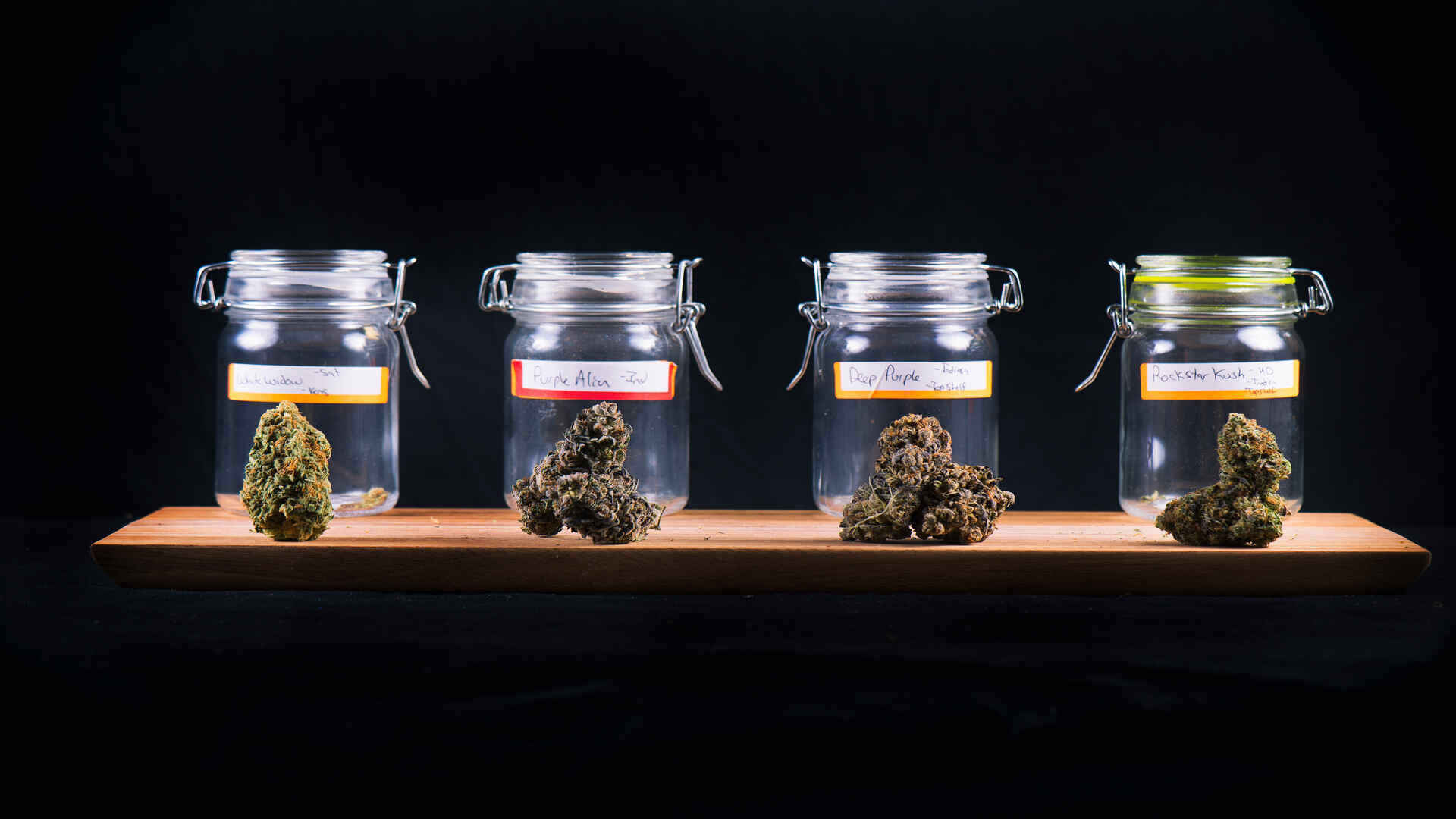

If you've ever wondered what strains of weed are availble today, the short answer is a lot. Explore the collection at Seedsman and you'll quickly encounter a bewildering array of names. Skunk, Haze, Kush, Diesel, and countless others all have their own identities, reputations, and devoted fans.
But these aren't simply different labels for the same thing. Behind many of the best-known cannabis strains are stories of breeding, selection, preservation, and genetic inheritance.
Some modern cultivars can trace parts of their ancestry back several generations to a handful of influential genetic lines. Others have histories that are much harder to establish, with breeder accounts, oral histories, and cannabis folklore filling gaps left by a lack of formal breeding records.
There's another reason the question of what strains of weed are there isn't quite as straightforward as it sounds: a strain name doesn't necessarily represent a precise genetic identity. Research examining the genetics of named cannabis varieties found that plants sharing the same name were sometimes more genetically similar to plants carrying different names [1].
So, rather than simply listing hundreds of cannabis strains, let's look at some of the genetic families and famous cultivars that helped enrich the modern cannabis landscape.
What Strains of Weed Actually Means
"Strain" is the term most people use when talking about a named cannabis variety, but cultivar is generally the more precise horticultural term. A cultivar is a cultivated variety that has been selected for particular characteristics, Breeders can cross cultivars with different traits and then select offspring that display the most desirable combinations. Those plants can subsequently become parents themselves, creating increasingly complex lineages.
This is why answering what strains of weed are there by simply separating cannabis into a few categories doesn't tell the whole story. Names such as Skunk, Haze, and Kush can refer to particular cultivars, groups of related cultivars or genetic lines that have been incorporated into many different crosses.
Modern cannabis has also experienced extensive hybridization, making traditional naming conventions unreliable as a guide to genetic ancestry. [1][2].
In other words, cannabis genetics are better understood as a family tree than a list.
What Strains of Weed Are The Most Influential?
Some cannabis names have had an influence far beyond a single cultivar. They became important breeding lines, with their genetics appearing in subsequent generations of cannabis.
Here are some of the most significantt.
Skunk: One of Cannabis' Great Building Blocks

Few cannabis names are as recognizable throughout the world as Skunk. There's an important distinction here, too - particularly in the UK. "Skunk" is often used as a generic term for any potent cannabis, but Skunk is a specific variety, and Skunk #1 is a historically important cultivar.
Skunk #1 was developed in Caliifornia sometime in the mid-1970s by the underground collective known as Sacred Seeds. This collective was led by the legendary Dave Watson, aka Sam The Skunkman, and Skunk #1 is traditionally described as a combination of Afghan, Mexican Acapulco Gold and Colombian Gold genetics. Sensi Seeds, which helped popularize Skunk genetics in Europe, describes its lineage as 25% Afghani, 25% Mexican Acapulco Gold and 50% Colombian Gold [3].
Rather than being the result of one simple cross, Skunk #1 was developed through generations of selection and breeding. Its importance lies partly in its stability and partly in its usefulness as breeding stock. Skunk #1 went on to become a parent of numerous later cultivars, including Super Skunk and Lemon Skunk, helping establish Skunk genetics as one of the foundations of modern cannabis breeding. [3]
Related Article:
Seedsman's Quick Guide To Skunk Strains
This is why the name continues to appear in the ancestry of cannabis varieties decades after the original Skunk #1 was developed.
If there's one thing Skunk genetics are famous for, it's the aroma. That unmistakeable pungency can range from earthy and savory to sweet, citrusy and, distinctly skunky. Skunk-influenced plants are also often vigorous growers with good resin production, which explains why these genetics have found their way into so many modern cultivars.
The finished experience can vary widely depending on what they have been crossed with, but that bold aroma is often the giveaway.
Explore The Selection of Skunk Genetics at Seedsman
Haze: A Legendary Lineage

If you what to know what strains of weed have the most fascinating histories, Haze belongs near the top of the list.
When we look at the history of Haze strains, the origins of are traditionally associated with Santa Cruz, California, in the late 1960s and and 1970s and growers known as the Haze Brothers. But unlike some modern cultivars, there is no universally accepted record of the original Haze.
Different accounts describe different combinations of tropical and equatorial cannabis genetics. Some commonly repeated histories associate Haze with Colombian, Mexican, Thai, and South Indian genetics, while other accounts dispute elements of that story [4][5].
That's an important distinction. Haze's influence is clear; the precise recipe behind the earliest Haze plants is not.
Haze genetics eventually became particularly important in European cannabis breeding, after Sam The Skunkman brought Haze genetics to Amsterdam in the 1980s. These genetics contributed to numerous later Haze cultivars and hybrids. The line's influence can be seen throughout modern cannabis, particularly among varieties descended from long-flowering tropical and equatorial genetics [4].
Some of the most beloved Haze varieties include Super Silver Haze, Neville's Haze (named for legenadry breeder Nevil Schoenmakers), Lemonchello Haze and the two-time Cannabis Cup winner, Super Lemon Haze.

The mystery is part of the appeal. Haze is one of those cannabis families where documented history and breeder folklore have become almost impossible to completely separate.
Haze has a reputation for being a little different. Its desecendants are often recognized by complex aromas that can bring together incense, spice, citrus, tropical fruits and floral notes. Traditional Haze genetics are also associated with vigorous, sometime stretchy plants and longer flowering times.
For many cannabis enthusiasts, the real attraction is the distinctive character Haze can bring to a cross - something that can be surprisingly diffcult to replicate with other genetics.
Explore The Selection of Haze Genetics at Seedsman
Kush: From The Hindu Kush Mountains To Modern Cannabis

The name Kush has a more obvious geographical connection. The Hindu Kush mountain range stretches across Afghanistan and Pakistan, regions with a long history of traditional cannabis cultivation and hashish production.
Cannabis populations associated with this region became valuable genetic material for Western breeders. Afghan and Hindu Kush genetics were selected and incorporated into modern breeding programmes, contributing traits that became particularly useful for indoor cultivation and hybrid development.
Related Article:
Hindu Kush Cannabis: The Story Behind The Seeds
The word "kush" subsequently appeared in countless cultivar names, such as the famous OG Kush, Bubba Kush, Master Kush, Skywalker Kush and more.
OG Kush is one of the leading kush strains, but even here, the precise history doesn't seem to be completely settled.
The story goes that in the early/mid 1990s, Los Angeles grower Josh Del Rosso challenged his frined Matt "Bubba" Berger (yes - that's the same guy who brought us Bubba Kush) to prove Florida grew better weed than LA. Most historians cite OG Kush as being the child of Chemdawg, Lemon Thai, and Hindu Kush Landrace (or related Afghan/Pakistani genetics). [6]
What is much easier to establish is the cultivar's influence. OG Kush became an important breeding line in its own right, with genetics associated with numerous subsequent cultivars.

So when looking at what strains of weed contain the term Kush in the name, it may indicate genuine Kush or Afghan ancestry - but the name alone isn't enough to establish exactly which genetics are present.
Kush genetics have a very different personality. Earthy, piney, and hash-like aromas are common, sometime joined by notes of citrus, spice or sweetness. The traditional plants that inspired modern Kush breeding were generally sturdy, resin-producing varieties, traits that breeders have been happy to carry forward.
Modern Kush cultivars can look and behave very differently from one another, but that rich, earthy profile remains one of their most recognizable signatures.
Explore The Selection of Kush Genetics at Seedsman
Diesel and Chem: The Fuel-Scented Families
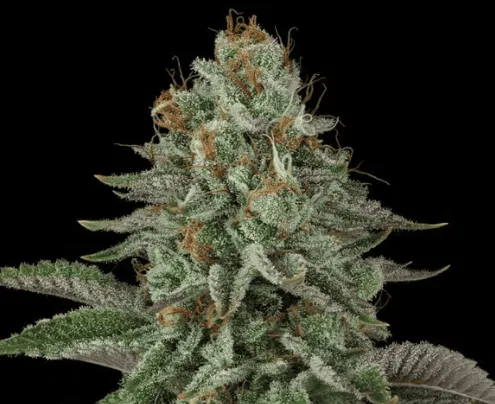
The Chem and Diesel families provide another example of cannabis history becoming intertwined with breeder accounts and underground cultivation.
Chemdawg became an influential genetic line, while strains associated with the Diesel heritage became famous for thier distinctive fuel-like aromas. Sour Diesel is generally described as being connected to Chemdawg and Super Skunk genetics, although its exact breeding history - namely the second parent - remains disputed [7]
Related Article:
Sour Diesel: The Story And The Seeds
That uncertainty is worth acknowledging rather than presenting one version of the story as definitive. What isn't particularly controversial is the influence of the Chem and Diesel families. They became important sources of distinctive aromas and were subsequently incorporated into numerous modern breeding projects such as NYC Diesel, Cali Diesel, and Alaskan Diesel Auto.

This is another recurring pattern when asking what strains of weed are there - a famous cultivar can eventually become a genetic building block for dozens of later combinations.
Some cannabis aromas need no introduction, and Diesel and Chem genetics are firmly in that camp. Fuel, solvents, sharp citrus, skunk and chemical notes can all show up, sometimes in the same flower. These genetics have become hugely influential partly because they bring such a distinctive terpene character to a cross. Even after generations of breeding, you can open a jar and immediately think: there's some Diesel in here.
Explore Diesel Genetics at Seedsman
Cookies and Gelato: The Modern Generation and the Sweet Sensation

If Skunk, Haze, and Kush represent some of the classic foundations of modern cannabis, Cookies and Gelato demonstrate just how quickly genetic families can evolve in contemporary breeding.
Girl Scout Cookies - often abbreviated to GSC - became one of the defining cannabis varieties of the modern American market. Its commonly reported pedigree involves OG Kush and Durban Poison, created in San Francisco's Bay Area around 2010 by the Cookie Fam breeder's collective..
Related Article:
A Quick Guide To Girl Scout Cookies
The important development was what happened next.
GSC became breeding material in its own right, contributing genetics to further generations of cultivars. One famous example is Gelato, commonly described as a cross between Sunset Sherbet and Thin Mint Girl Scout Cookies. [8]
Gelato then became a major breeding line itself, with its genetics later appearing in numerous cultivars.

This is how the cannabis family tree becomes increasingly complex. A modern cultivar may contain genetics contributions from several famous lines, each of which has its own history.
Cookies genetics helped change the way people thought about cannabis flavor. Instead of simply looking for earthy or skunky aromas, breeders and enthusiast began chasing profiles that could be sweet, creamy, fruity, minty, and almost dessert-like. Gelato pushed that idea even further by combining Cookies ancestry with fruitier genetics and helping inspire a huge number of modern crosses.
Resin production and eye-catching flowers are also common features, but for many people, it's the flavor that makes this family stand out.
Explore Cookies Genetics at Seedsman
Blueberry and the Rise of Flavor-Driven Genetics
Blueberry is another classic genetic line whose influence extends well beyond its original name. The cultivar is the work of famed breeder DJ Short, who developed his Blueberry genetics through work with landrace-derived cannabis. DJ has described the henetics as involving Afghani, Highland Thai, and Purple Thai lines [11].
The History of Blueberry Cannabis
Blueberry became famous for its distinctive aroma and flavor and was subsequently used in numerous breeding projects such as Blueberry Pancakes and Blueberry Muffin
Its influence is particularly interesting becaus it illustrates the growing importance of flavor and aroma as breeding goals. Cannabis breeding isn't only about producing plants with a particular appearance. Breeders can select for combinations of aroma, flavor, flowering charactersitics, structure, resin production, and cannabinoid and terpene profiles. Those selections then become part of future generations.

Blueberry genetics have earned their place in cannabis genetics largely through flavor. Sweet Berry notes are the obvious attraction, but floral, fruity, and sometimes spicy nuances can also appear. Some Blueberry descendants can develop striking blue or purple colors, although flower coloring is influenced by genetics and growing conditions and shouldn't be used as proof of ancestry.
More importantly, Blueberry has proved to be a remarkably useful breeding line, passing the distinctive flavor into some the best-known cultivars of the modern era.
Why Do Different Strains of Weed Have Different Names?
This is where the whole subject gets particularly interesting. A cultivar's name can tell you something about its history, but it isn't necessarily a genetic guarantee. In a 2015 study, researchers analyzed thousands of genetic markers from marijuana and hemp samples and found that strain names often failed to reflect meaninful genetic identity. In six of seventeen comparisons between samples carrying identical names, the samples were actually genetically more similar to samples carrying different names. [1]
A later study reached similar conclusions, finding examples of cultvars carrying the same name that were genetically distinct, while some differently named cultivars were genetically very similar. [2]
There are several reasons for this.
Cannabis breeding was largely informal and underground for much of its modern history. Plants were exchanged as seeds and clones, names changed, breeders used their own naming conventions, and desirable phenotypes were sometimes renamed as they moved between growing communities.
The result is a fascinating but messy genetic landscape.
So, if you're researching what strains of weed are there, don't assume that every plant carrying a particular name has exactly the same ancestry. The name is the starting point. The lineage tells you more.
How New Cannabis Strains are Created
The best way to understand modern cannabis genetics is to imagine a continually expanding family tree. A breeder might start with two plants that have different desirable characteristics. Crossing them creates offspring containing genetic material from both parents. The breeder can then select particular offspring and use them for further breeding.
Repeat this over several generations and the result can be a cultivar with a remarkably complicated pedigree. That's why a modern cannabis variety can contain genetic contributions from Skunk, Haze, Kush, Diesel or others from several generations back without looking or smelling exactly like the original plants.
Genetics are constantly being reshuffled. The famous cannabis names are therefore not isolated boxes. They're branches of a much larger and continually evolving family tree.
Frequently Asked Questions
What strains of weed are there?
There are thousands of named cannabis cultivars, but some of the most influential genetic families and famous varieties include Skunk, Haze, Kush, Diesel, Chem, Cookies, Gelato, Cheese and Blueberry.
What is the difference between a strain and a cultivar?
“Strain” is the common term used for a named cannabis variety. “Cultivar” is generally more precise horticultural terminology for a cultivated variety selected for particular characteristics.
What is Skunk cannabis?
Skunk can refer to the specific Skunk #1 cultivar or, particularly in the UK, be used as a general term for potent cannabis. Skunk #1 is a historically important cultivar associated with Afghan, Mexican Acapulco Gold and Colombian Gold genetics.
What is Haze cannabis?
Haze is a famous cannabis genetic line associated with California and the Haze Brothers. Its precise early pedigree is disputed, but Haze genetics have had a major influence on subsequent cannabis breeding.
What is Kush cannabis?
Kush generally refers to genetics associated with the Hindu Kush region of Afghanistan and Pakistan. Modern cultivars carrying “Kush” in their names can have considerably more complicated pedigrees.
Are two strains with the same name genetically identical?
No. Research has demonstrated that cannabis plants carrying the same strain name can sometimes be genetically distinct. [1][2]
Why are there so many cannabis strains?
Breeders continually cross existing cultivars and select desirable offspring. Those offspring can then become parents for future breeding projects, creating an ever-expanding network of genetic combinations.
Does a strain name tell you its genetics?
It can provide a useful clue, particularly when the cultivar has a well-documented pedigree, but it isn't definitive. Some famous cannabis lineages have disputed histories, while the same name can sometimes be applied to genetically different plants.
-------------------------------------------------
References
[1] Sawler, J., Stout, J.M., Gardner, K.M., Hudson, D., Vidmar, J., Butler, L., Page, J.E. & Myles, S. (2015). The Genetic Structure of Marijuana and Hemp. PLOS ONE, 10(8), e0133292.
https://journals.plos.org/plosone/article?id=10.1371/journal.pone.0133292
[2] Lynch, R.C., Vergara, D., Tittes, S. et al. (2016). Genetic and chemical diversity in Cannabis. PLOS ONE, 11(4), e0157001.
https://journals.plos.org/plosone/article?id=10.1371/journal.pone.0157001
[3] Sensi Seeds (2020). Skunk #1's Full Story.
https://sensiseeds.com/en/blog/Skunk-1-story-Skunk-1-automatic-grow-report/
[4] Leafly (2025). Beyond Blue Dream: A Haze strain family genealogy.
https://www.leafly.com/news/strains-products/haze-marijuana-family-strains-appreciation
[5] Weedmaps (2020). The History of Haze Strains.
https://weedmaps.com/news/2020/10/the-history-of-haze-strains/
[6] Weedmaps (2026). OG Kush.
https://weedmaps.com/strains/og-kush
[7] Weedmaps (2026). Sour Diesel.
https://weedmaps.com/strains/sour-diesel
[8] Leafly (2023). Downs, D. The Permanent Marker cannabis strain genealogy.
https://www.leafly.com/news/strains-products/permanent-marker-strain-genetics-explained
[9] Leafly (2026). Cheese strain.
https://www.leafly.com/strains/cheese
[10] Leafly (2026). Big Buddha Cheese strain.
https://www.leafly.com/strains/big-budda-cheese
[11] Leafly (2025). New Blueberry weed strains are about to make a wave.
https://www.leafly.com/news/strains-products/blueberry-weed-strain-trend