

Foreword by Seedsman: In this special feature, we shine a spotlight on Purple City Genetics and their El Krem Peaches Collection. Combining creative breeding, unique genetics, and a passion for flavor-driven cannabis, this article explores the story behind the strains and the vision that helped bring this exciting collection to life.
Article by Eric Rosen
GM of Homegrow Division, Purple City Genetics
This year, we’re proud to introduce the El Krem Peaches Collection. El Krem isn’t a single cultivar or terpene profile; it’s Purple City Genetics’ breeding framework for combining elite solventless extraction performance with broader terpene expression and genuine dual-use potential. Every cultivar in the collection explores that objective from a different genetic direction while maintaining the same underlying selection criteria.
Just as importantly, El Krem is an exploration of experiences that have traditionally been underrepresented in hash. Rather than limiting solventless breeding to the familiar spectrum of gas, cream, and candy, the collection asks what becomes possible when exceptional wash performance is paired with terpene profiles, and the sensory experiences they create, that have historically been associated with cultivars outside the conventional hash gene pool, including sativa-leaning expressions.
Hash production has always been shaped by one simple reality: there are many ways to separate precious resin heads from the plant. Today many hashmakers use an ice water methodology because it’s a smoother consumption experience, however production has traditionally been made by banging plant matter on screens. The most tactile mode of hashmaking is called ‘charas’, which involves rubbing cannabis in one’s hands and then rolling the hash that remains into balls. In addition to many ways to make hash, the end result is also widely varied by form factor and potency: dry sift, kief, rosin, ice water hash, wax, RSO are all examples of final hash products.
Over time, hashmakers have pushed breeding toward plants that are reliable in extraction. Most modern solventless breeding has converged around cultivars with proven resin structure and predictable extraction performance. Many happen to be indica-leaning hybrids, but the defining trait is not density, it’s trichome architecture.
That reliability is useful, especially at scale. But it also narrows things down. The same kinds of terpene profiles show up again and again: gas, fuel, cream, and candy. Yet, some of the most interesting aromas in cannabis sit outside that core group. Sativa-leaning plants often carry brighter fruit and citrus notes, and sometimes herbal edges that stand out in flower. The issue is that they don’t always translate well into hash. Resin can be more fragile, less uniform, or harder to recover in good yield.
That tension between flavor and performance is one of the main limits in modern hash breeding.
What Makes a Good Hash Plant
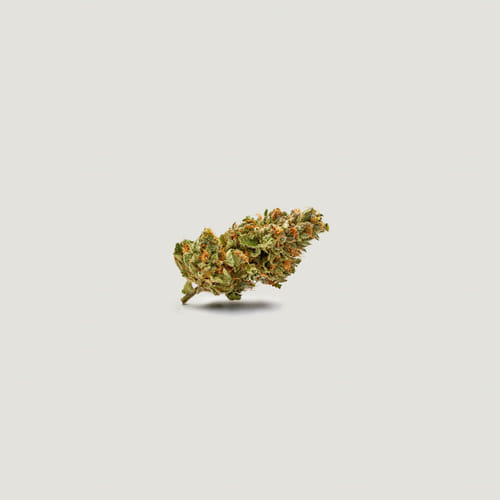
When extractors talk about good washing genetics, they’re usually not talking about THC or even just aroma.
It starts with resin structure. The best washing plants produce trichomes that separate cleanly when frozen, without breaking apart too easily or sticking too hard to the plant material. Consistency matters, too. If trichome size and shape are uneven, extraction becomes less predictable.
Yield is another key factor. A plant might produce amazing quality resin but with such precious little yield it’s hard to justify the juice being worth the squeeze.
And then there’s flavor retention. Some plants lose a lot of their terpene character during processing. Others hold onto it and carry it through into rosin or dry sift. That difference is often what makes a cultivar stand out long term.
Good hash genetics usually bring all three together: structure, yield, and terpene stability.
Related Article: The Complete Guide To Washing Cannabis For Premium Hashish Production
Purple City Genetics and the El Krem approach
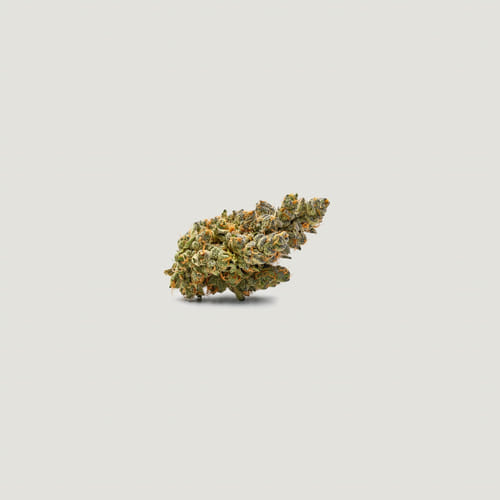
Purple City Genetics built the El Krem PeachesCollection around a slightly different idea: that extraction genetics do not have to sit in a narrow flavor range.
Most hash breeding focuses on proven profiles because they are safe and repeatable. El Krem starts from the same practical requirements but adds a second goal: more expressive terpene profiles that still perform in wash. The center of that work is Moroccan Peaches, a sativa-leaning hybrid known for its strong, fruit-forward profile.
Moroccan Peaches
In flower, Moroccan Peaches carries bright citrus and peach notes with a slightly gassy base underneath. What has made it notable is not just the aroma, but how well that profile carries through processing.
Fruit-forward cultivars have historically been less common in solventless production because many lose complexity or fail to deliver competitive resin yields during extraction. Moroccan Peaches has shown very high consistency in this regard. The terpene profile tends to stay recognizable in hash form. It also brings exceptional resin structure. The trichomes separate cleanly enough to produce production viable yields, which makes it more than just an interesting flavor plant.
That combination is what gives it value as a breeding tool. Once a plant performs consistently in both flavor and wash, it becomes something you can build around rather than just novelty.
The constraint it’s working against
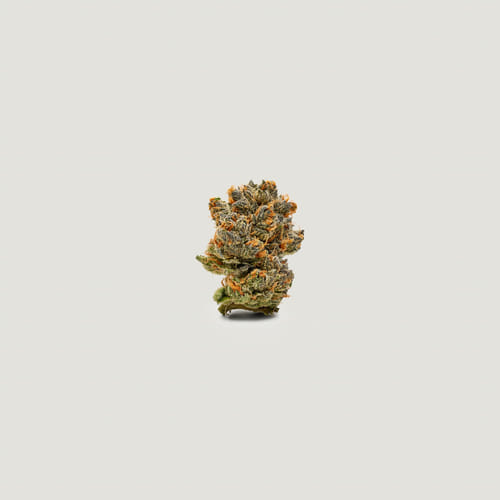
From one perspective, the main limitation in modern hash breeding is the gap between expression and performance. Some plants wash extremely well but stay within a narrow terpene range. Others have excellent flavor but struggle once they are put through extraction. Others like Zkittelz have dominated the hash scene, however, it doesn’t yield enough for commercial requirements but dominates the competition circuit.
For a long time, breeding has reinforced the separation between expression and performance because it is easier to select for consistency than to balance both.
El Krem sits in the space between those two outcomes. The goal is not to remove the constraint entirely, but to see how much overlap is possible without losing reliability.
The El Krem Peaches line
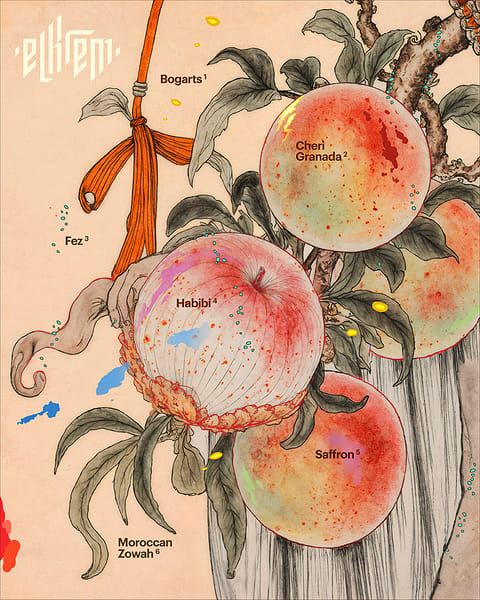
The El Krem Peaches collection expands Moroccan Peaches into different indica-dominant hybrid directions through breeding. This year’s collection includes:
Bombay leans into nostalgic hashplant character, pairing sweet sandalwood with tart candy over a sturdy Hindu Kush foundation. A true dual-use cultivar with exceptional resin production and a classic terpene profile that bridges old-school depth with modern appeal.
Key Lime Tart captures the signature El Krem profile through a marriage of Key Lime Pie and Canal Street Runtz, delivering lime sherbet and bubblegum candy terpenes. Great resin production, outstanding flavor, and reliable dual-use performance make it one of the collection’s most complete offerings.
Marrakesh pushes the El Krem profile toward ripe peach and citrus tart candy, built on Moroccan Peaches and Canal Street Runtz. Great effect, excellent resin yields, and dual-use versatility make it equally compelling for flower and solventless extraction
Each one shifts the expression slightly, but they all stay anchored to the same underlying resin structure.
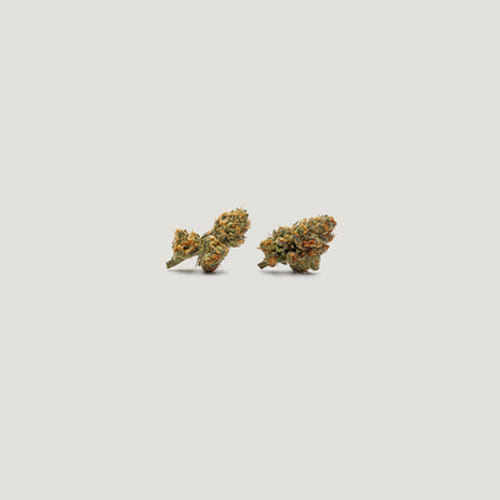
Cheri Granada brings an incredible array of orchard fruit flavors, a deeply aromatic strain with award-winning genetics.
Each one shifts the expression slightly, but they all stay anchored to the same underlying resin structure.
Where this fits in modern breeding
Across the industry, there is a slow shift happening in how genetics are selected for hash production. Yield in terms of % of starting biomass and potency still matter, but they are no longer the only focus. More attention is being paid to how a plant behaves through the full process: how it grows, how it freezes, and how well the terpene profile survives extraction.
These are more complete selection criteria, and they are gradually widening what is considered a good hash plant. At Purple City Genetics, collections are organized around breeding objectives rather than aesthetics. The El Krem Peaches collection was created to explore whether more expressive terpene profiles could be brought into extraction-focused genetics without sacrificing resin quality, wash performance, or dual-use flexibility. . An equally important secondary reason for existence: El Krem seems to bring in other effects to the hash experience for consumers; Moroccan Peaches was our pinnacle breeding achievement for a dual use sativa leaning hashplant.
The result is a collection designed to help growers select cultivars based on function as much as flavor, expanding the possibilities of modern solventless breeding rather than simply repeating familiar profiles.
Closing view
Moroccan Peaches wasn’t the beginning of Purple City Genetics’ approach to hash breeding; it was one of the clearest expressions of a philosophy that was already in place.
Long before Moroccan Peaches, the goal behind the El Krem line was straightforward: build plants that deliver exceptional extraction performance without sacrificing terpene expression. The objective has always been to find the overlap where resin production and flavor both excel.
Moroccan Peaches demonstrates that philosophy in one direction. The broader El Krem collection explores it across many others. As those two qualities, elite wash yields and distinctive terpene profiles, continue to converge, the possibilities for solventless breeding become even more compelling, particularly as breeders expand beyond the traditional hash gene pool to incorporate cultivars that offer entirely different sensory experiences. The prospect of exceptional haze hash, for example, represents not a departure from great solventless breeding, but an expansion of what great solventless breeding can become.


