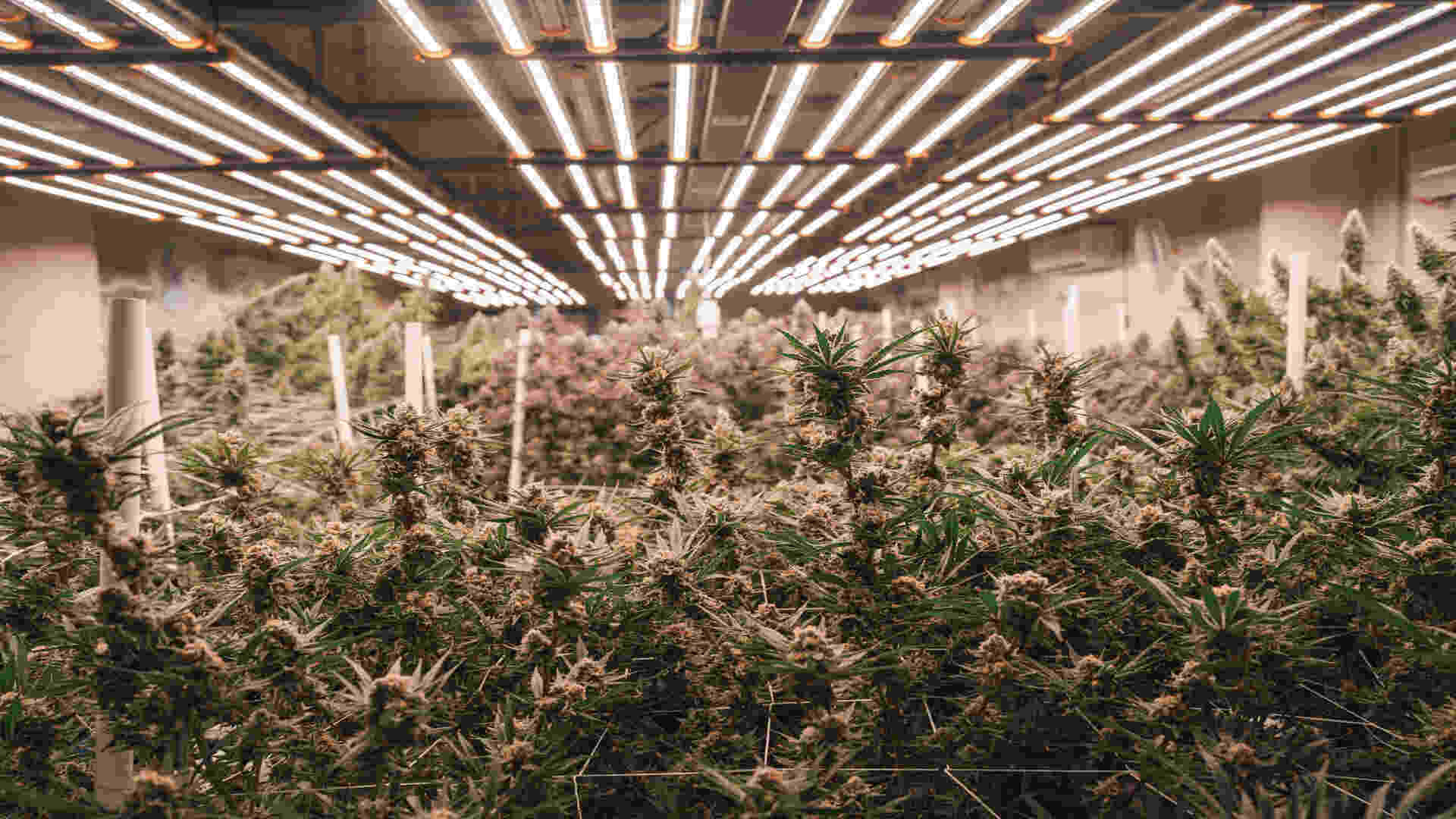

One of the biggest advantages of growing cannabis indoors is that you have full control over the environment. This means you can significantly reduce the time it takes to go from seed to harvest—if you use the right approach.
In this article on how to grow weed faster, we'll break down the key strategies that help you accelerate the growth cycle without sacrificing quality. From selecting the right genetics to optimizing your grow room conditions, this is your complete walkthrough on how to grow a weed plant fast and efficiently.
Choose the Right Genetics for Speed
The foundation of a fast grow starts with the right strain. Genetics matter—a lot. If speed is your priority, opt for strains that naturally mature quickly. In general, indica-dominant plants tend to flower faster than sativa strains. Indicas typically finish flowering within 7 to 8 weeks (about 49 to 56 days), while sativas can take up to 12 weeks (84 days) or more.
If you prefer photoperiod strains, look for early/fast-flowering hybrids bred specifically for shorter bloom cycles. Some can finish in as little as 6 weeks after being flipped to the flowering light cycle. That alone can save you several weeks compared to traditional varieties.
However, the ultimate choice for speed is autoflowering cannabis. These strains are designed to flower automatically—regardless of light schedule—and can complete their entire life cycle in as little as 9 to 10 weeks from seed. Not only do autoflowers save time, but they also simplify the process by eliminating the need to change light cycles manually.
Further Reading: Why You Should Grow Autoflowering Cannabis
Optimize Light for Faster Development

Light is the fuel for plant growth, and optimizing both intensity and spectrum is crucial if you want to speed things up. During the vegetative stage, many growers run lights for 18 to 24 hours per day. While 18/6 is a standard light schedule, giving your plants 24 hours of uninterrupted light can lead to faster growth—provided your strain can handle it.
That said, continuous lighting can stress some plants, so it’s essential to monitor them for any signs of fatigue, such as leaf curling or stunted growth. If your plants tolerate it well, 24-hour lighting can noticeably reduce vegetative time.
The spectrum of light also plays a role. Blue light (in the 400–500nm range) promotes compact, vigorous vegetative growth. During flowering, switch to a red-heavy spectrum (600–700nm) to encourage larger, faster bud development. Full-spectrum LEDs with high efficacy ratings are your best bet for both efficiency and speed.
Further Reading:Understanding Light Spectrums In Cannabis Cultivation
Some growers even use light manipulation techniques to initiate flowering faster. For example, giving plants 48 hours of complete darkness before switching to a 12/12 light schedule can trigger a quicker transition into bloom. Others experiment with an 11/13 light cycle during flowering to mimic the shortening days of late summer, which can shave a few days off the total grow time—though sometimes at the cost of slightly reduced yield.
Control Your Environment: Temperature, Humidity, and CO₂
Environmental conditions are a major factor when it comes to growing a weed plant fast. The more dialed in your environment is, the faster your plants can photosynthesize, absorb nutrients, and build biomass.
Maintain the following temperature ranges for best results:
· Vegetative stage: 70–85°F (21–29°C)
· Flowering stage: 68–80°F (20–27°C)
Slightly cooler nighttime temperatures—no more than 10°F (5–6°C) lower—help stimulate healthy plant respiration without shocking them. Too much variation can stall growth.
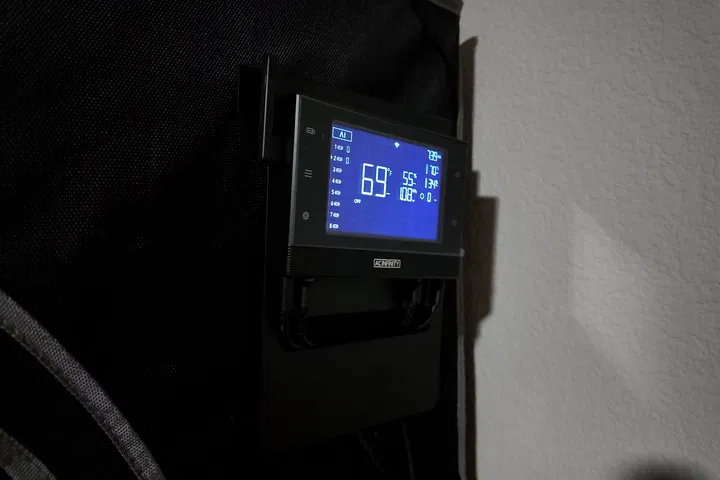
Humidity also needs to be stage-specific:
· During vegetative growth, keep relative humidity between 50% and 70%. Higher humidity encourages faster leaf and root development.
· During early flowering, reduce RH to 45–55%, and drop it further to 40–50% during late flowering to prevent mold and mildew.
Don’t overlook the importance of airflow. Good circulation strengthens stems, prevents microclimates, and helps control both temperature and humidity. You can further speed up growth by supplementing with CO₂, ideally up to 1500 ppm, especially during the flowering phase. When paired with high light intensity, CO₂ can dramatically accelerate growth and increase yield.
Use Early Training to Cut Down on Veg Time

Training your cannabis plants is a highly effective way to boost light exposure, improve airflow, and speed up the vegetative cycle. But timing is critical—training should be done early, before the plant fully develops its structure.
Low-stress training (LST) is ideal for fast-growing plants. Begin bending and tying branches outward as soon as new shoots appear. This technique flattens the canopy, allowing more light to hit developing bud sites and promoting quicker lateral growth without stunting vertical development.
You can also use topping or FIMing to multiply your main colas. These high-stress training techniques work best when applied between the third and fifth node. Done correctly and early enough, they won’t slow growth—but applying them too late can delay your harvest window.
Further Reading:Introduction To Cannabis Plant Training Techniques
Fine-Tune Your Nutrients and pH

Nutrients must be precisely matched to your plant’s growth stage for optimal speed. During the vegetative phase, cannabis plants require higher nitrogen levels, which support leafy growth and stem expansion. As you transition to flower, shift the formula toward higher phosphorus and potassium, which fuel flower formation and resin production.
Just as important as feeding is the pH of your growing medium. If pH is off, nutrient uptake slows down, and so does growth. For soil grows, aim for a pH range between 6.0 and 7.0. For hydroponics or coco, keep the pH between 5.5 and 6.5. Regular pH monitoring ensures nutrients remain available and growth stays on track.
Overfeeding can be just as harmful as underfeeding. Watch for signs of nutrient burn—such as browning leaf tips—and adjust accordingly to avoid setbacks that can slow your timeline.
Final Thoughts on How To Speed Up Your Indoor Grow
If your goal is to grow a weed plant fast from seed to harvest, your success depends on a combination of smart planning and environmental precision. Choose fast genetics, optimize your lighting, maintain perfect conditions, train early, and fine-tune your nutrient schedule.
By applying the techniques outlined in this article, you’ll not only shorten your growing cycle but also set yourself up for a healthy, high-quality harvest. Whether you're growing for personal use or looking to turn crops faster, mastering how to grow weed faster can make all the difference in your indoor garden.
For more details on how to grow cannabis indoors, check out my book 7 Steps To Grow Cannabis. It’s a complete beginner’s guide to growing cannabis indoors. You can get it on my website, or on Amazon. Happy growing!