
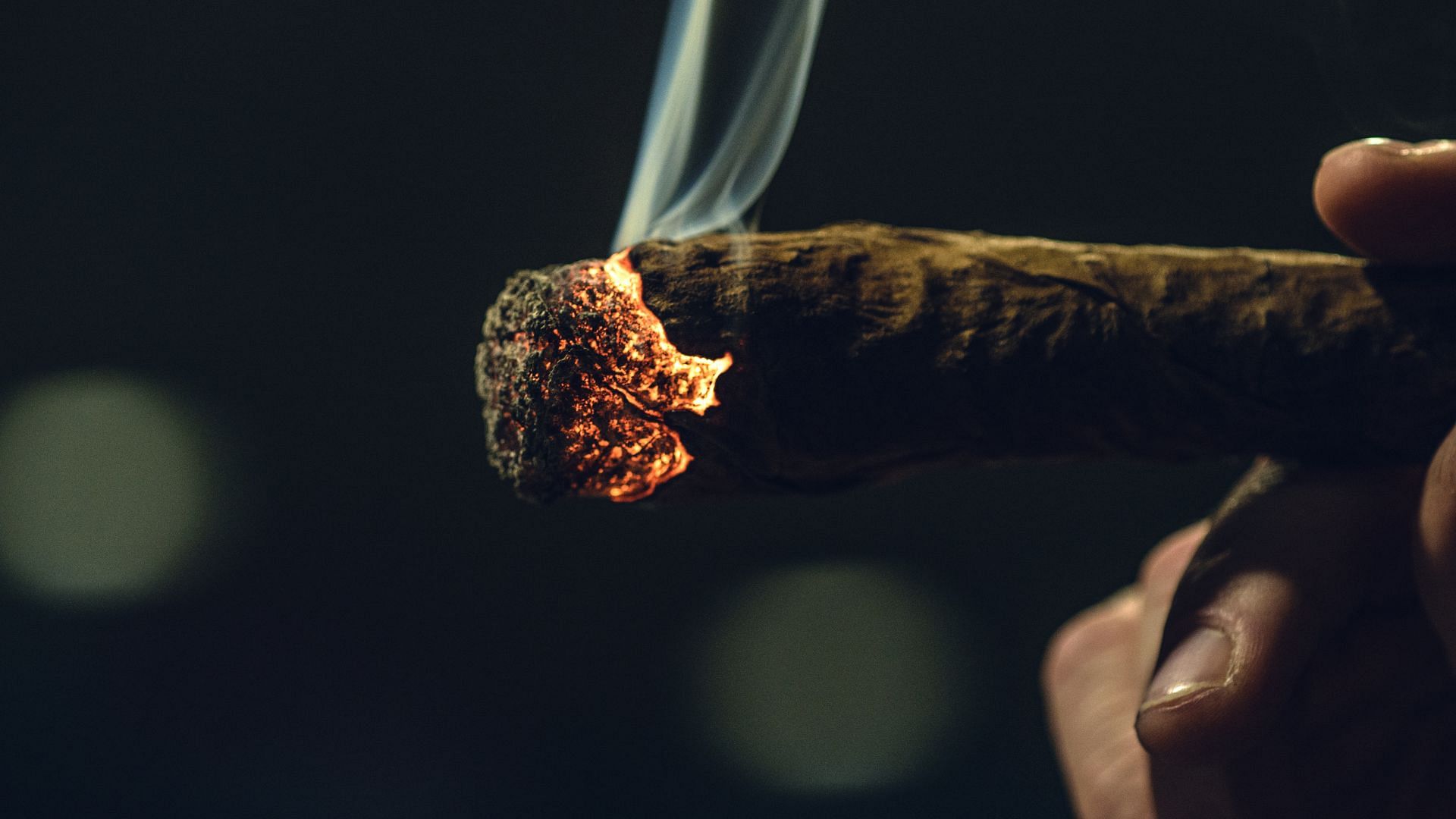

If you want to up your blunt-rolling game, it doesn’t get much more prestige than a Backwoods joint. Favoured by rappers, connoisseurs, and many big-league smokers, these fat, all-natural blunts are the way to go if you want your smoke to make a statement. Backwoods joints tell a story, and that story is status. If you’ve never smoked a Backwoods or never rolled one, get ready because you’re about to join the high rollers.
Joints v Blunts – What’s The Difference?
That is a good question and an important distinction worth making. Differences exist between joints and blunts, and those differences are key. Blunts are a step up in quality and class from a standard joint, and the main difference is the outer casing. A joint is typically rolled using cigarette paper, or papers, as the outer casing, whereas a blunt involves a cigar leaf. This adds a layer of flavour you won’t get from a standard rolling paper and changes the burn time of the end product.

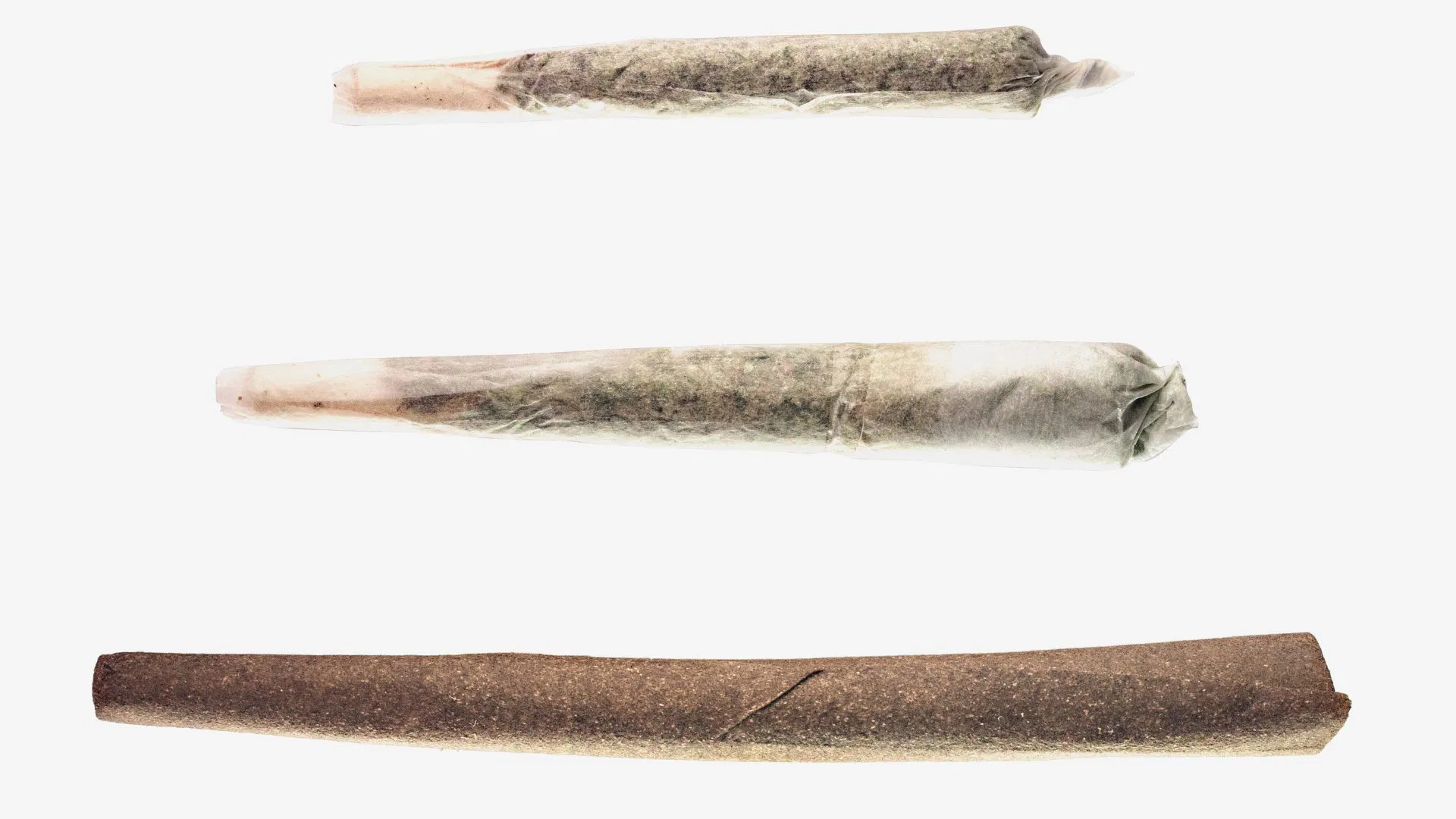
Let’s make one thing clear - joints aren’t a poor man’s anything. But the OG stoners typically favour blunts, and Backwoods are the preferred casing. They can be tricky at first, as they’re considerably thicker and, therefore, more difficult to roll. They also require more lubrication to gum shut as they don’t have an adhesive strip. Potentially gross, but the experience is worth it. Just don’t get Scooby Doo to slurp it, and you’ll be fine.
Blunts v Backwoods – Similar, But Not The Same
A blunt typically involves the deconstruction of a standard cigar, which is then filled with cannabis and smoked. These days, the advent of blunt wraps is putting paid to the expense of buying high-quality traditional stogies like Swisher Sweets or Phillies and tearing them open. Companies now produce blunt wraps in varying flavours, too. You can get Blueberry, Mango, and all manner of flavours to compliment your strain, making for an altogether tastier smoke.
On the other hand, a Backwoods blunt is a different type of blunt, rolled in 100% natural tobacco leaf. Unlike most cigars, a Backwoods is designed to unroll by hand, so there’s no cutting or slicing involved in emptying out the guts of the cigar. If you can grab a pack of Backwoods cigars, you’ll find it an altogether different smoking experience. It’s thicker than a cigarillo, and Backwoods tobacco is aged for a year before being packed into the cigar, which increases the flavour and accentuates the sweet, almost caramel taste.
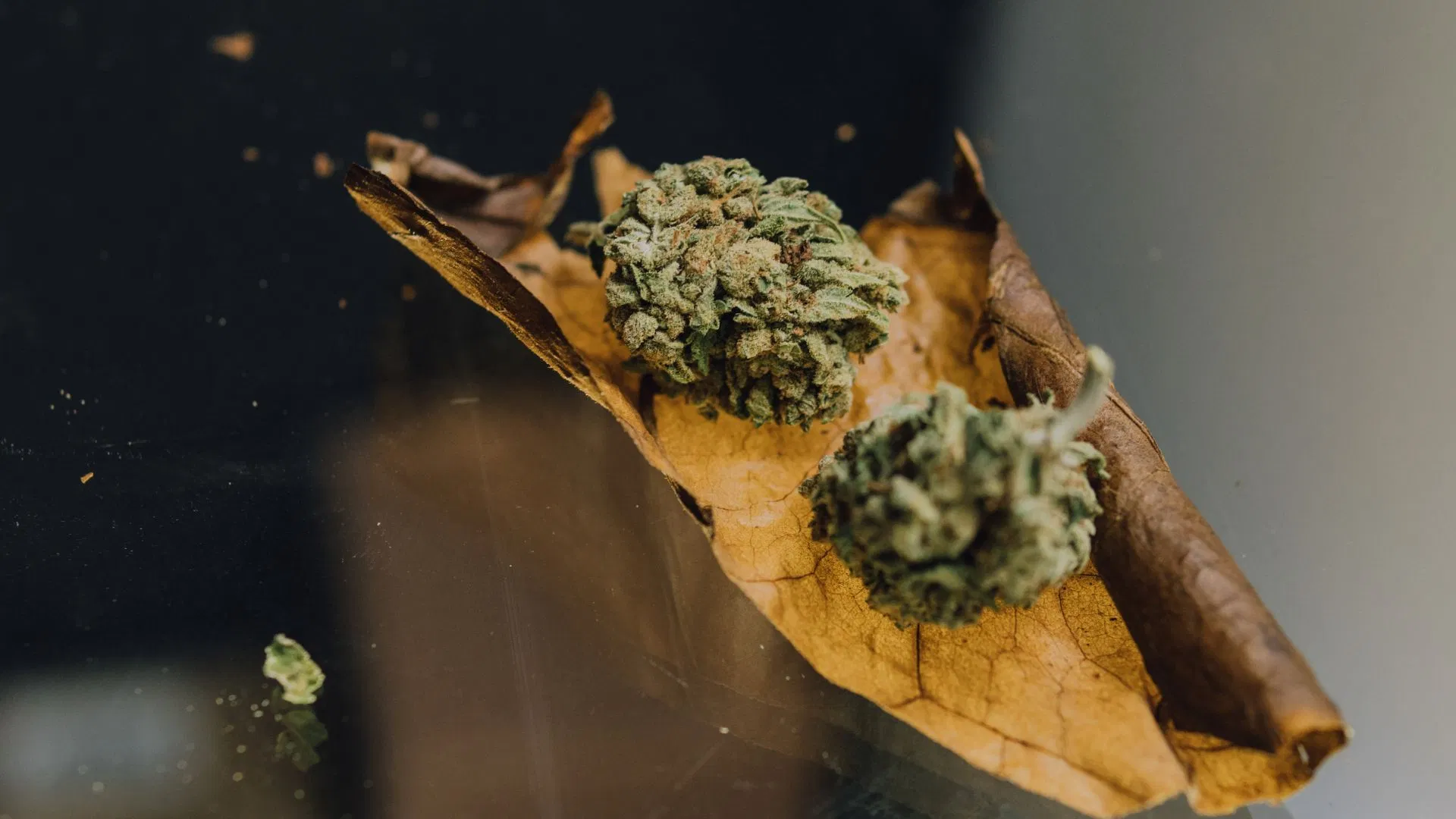
A Backwoods joint is a unique amalgamation of cannabis and tobacco, resulting in a non-conventional and profoundly enjoyable smoking experience. A Backwoods cigar's natural tobacco leaf serves as a canvas for cannabis. This partnership culminates in a smoke that is rich in flavour and aroma and provides a much longer smoking duration, setting it apart from standard joints.
Delving Into The History Of Backwoods
The Backwoods cigar debuted in 1973 as a rustic, machine-made cigar meant for casual smoking. Its usage in the world of cannabis, however, emerged organically over time. Cannabis enthusiasts discovered the potential of these cigars as an excellent medium for smoking cannabis. They quickly gained popularity due to their unique characteristics - larger size, slower burn, and distinct flavour profile, thereby embedding them firmly within cannabis culture.
Why Roll A Backwoods Joint?
One might query why a cannabis consumer would choose to construct this specific form of joint. The reasons are multifaceted: firstly, the depth of flavour achieved through the blend of cannabis and tobacco creates an unparalleled sensory experience. Secondly, the slow-burning nature of the tobacco leaf prolongs the duration of the smoking experience, making it more leisurely and relaxing. Lastly, the Backwoods leaf's size allows it to accommodate more cannabis than an average-sized joint, leading to a more potent experience.
How To Roll A Backwoods Blunt Like The OGs
Now that you understand the purpose and popularity of a Backwoods joint, here’s a step-by-step guide to assembling your own perfect Backwoods:
Dismantling the Backwoods Cigar: Begin by moistening the cigar to enhance its flexibility and ease of handling. You should notice that the Backwoods cigar is more tightly wrapped at one end than the other, so start unravelling there. Identify the seam and carefully unroll the leaf. You’ll also find Backwoods leaf quite fragile, so exercise caution and try to maintain a steady hand here so you don’t tear the wrap and waste a perfectly good cigar.

Discard Any Unwanted Tobacco: If you want to go 50/50 on tobacco and herb, and roll yourself a nice Backwoods spliff, go for it! Otherwise, carefully remove the excess tobacco from the leaf and set it aside. Flatten out the cigar leaf and get ready to fill it with the good stuff.
Preparing the Cannabis: Grab your grinder and grind your favourite strain – plenty of it. A Backwoods wrap can accommodate a lot of the green stuff, so you can build yourself a really phat one. While some might prefer a more tactile experience of breaking the cannabis with their fingers, grinding it ensures a smoother, more consistent burn that will work in tandem with the Backwood leaf’s slow-burning nature.
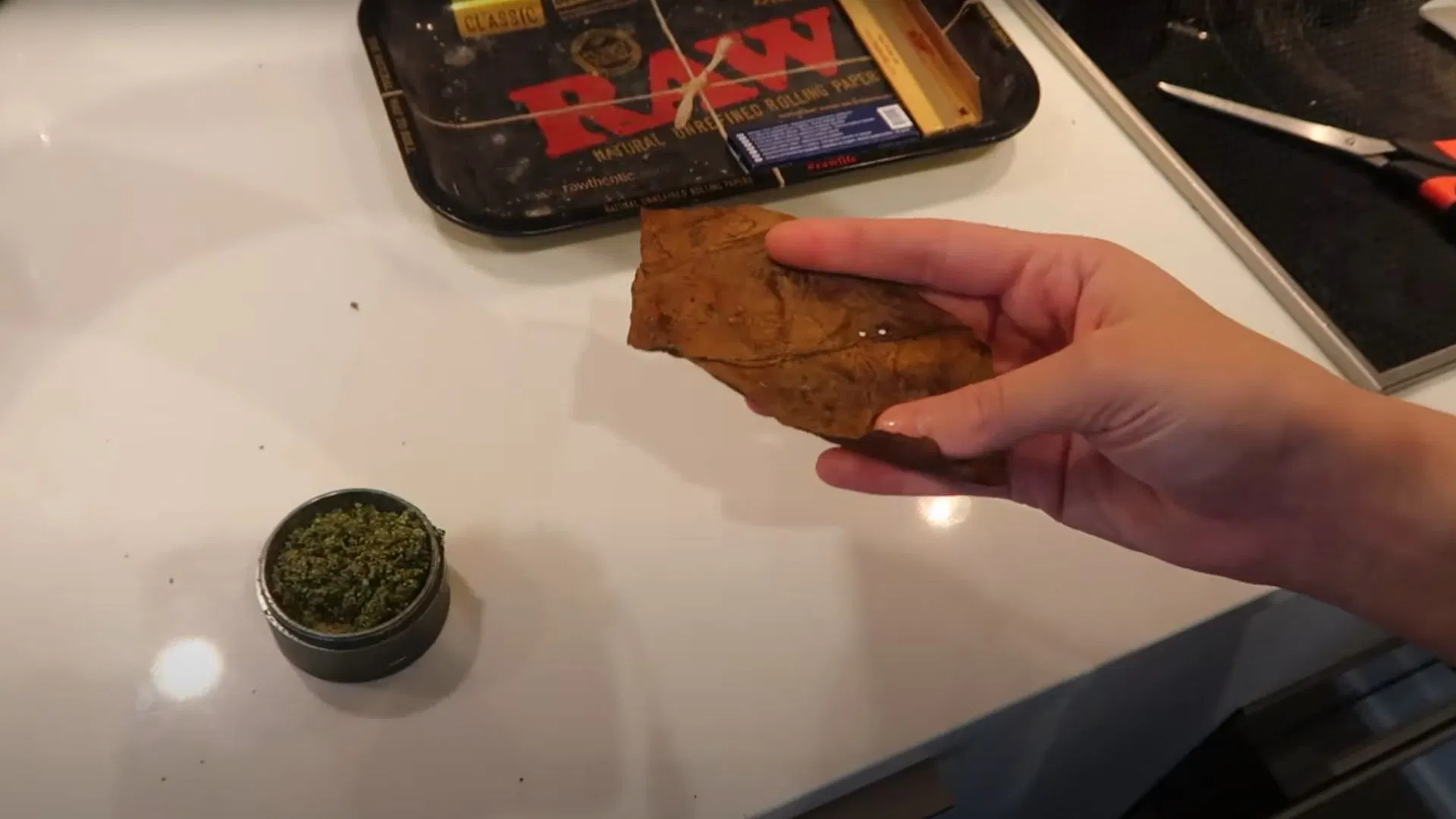
Assembly: Once your cannabis is adequately ground, lay the tobacco leaf flat and spread the cannabis evenly along its length. Try and keep it to the centre line of the leaf, as this ensures a uniform distribution of cannabis within the joint and should make it far easier to roll.
Rolling: Start the rolling process from one end, slowly and gently tucking and rolling the leaf around your cannabis. The process should be conducted carefully to avoid tearing the leaf, and you might find it difficult on your first attempt if you’re used to working with much thinner rolling papers. Persevere, and continue to roll up the leaf and tuck your way along, keeping things nice and tight along the length of the leaf.
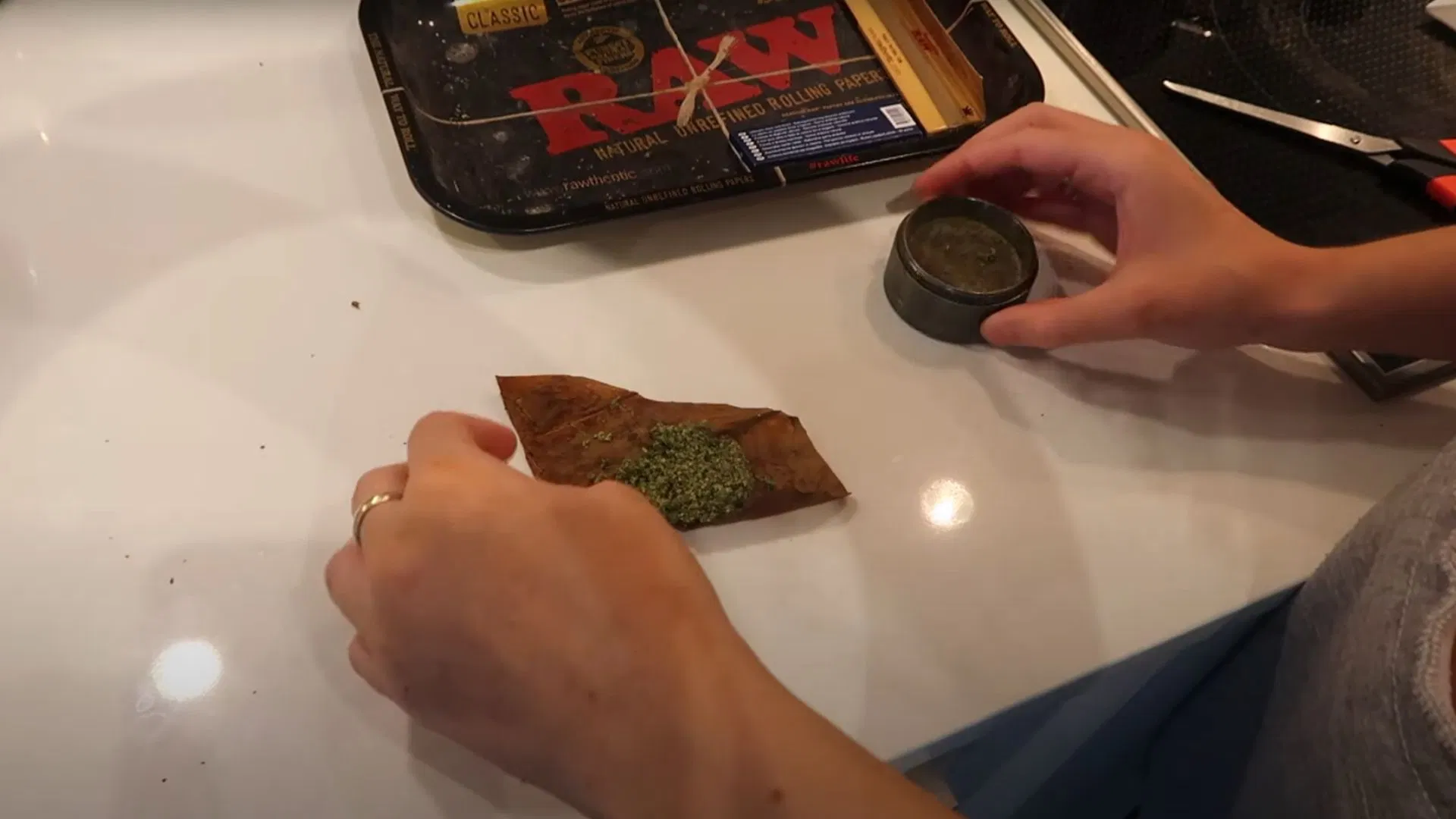
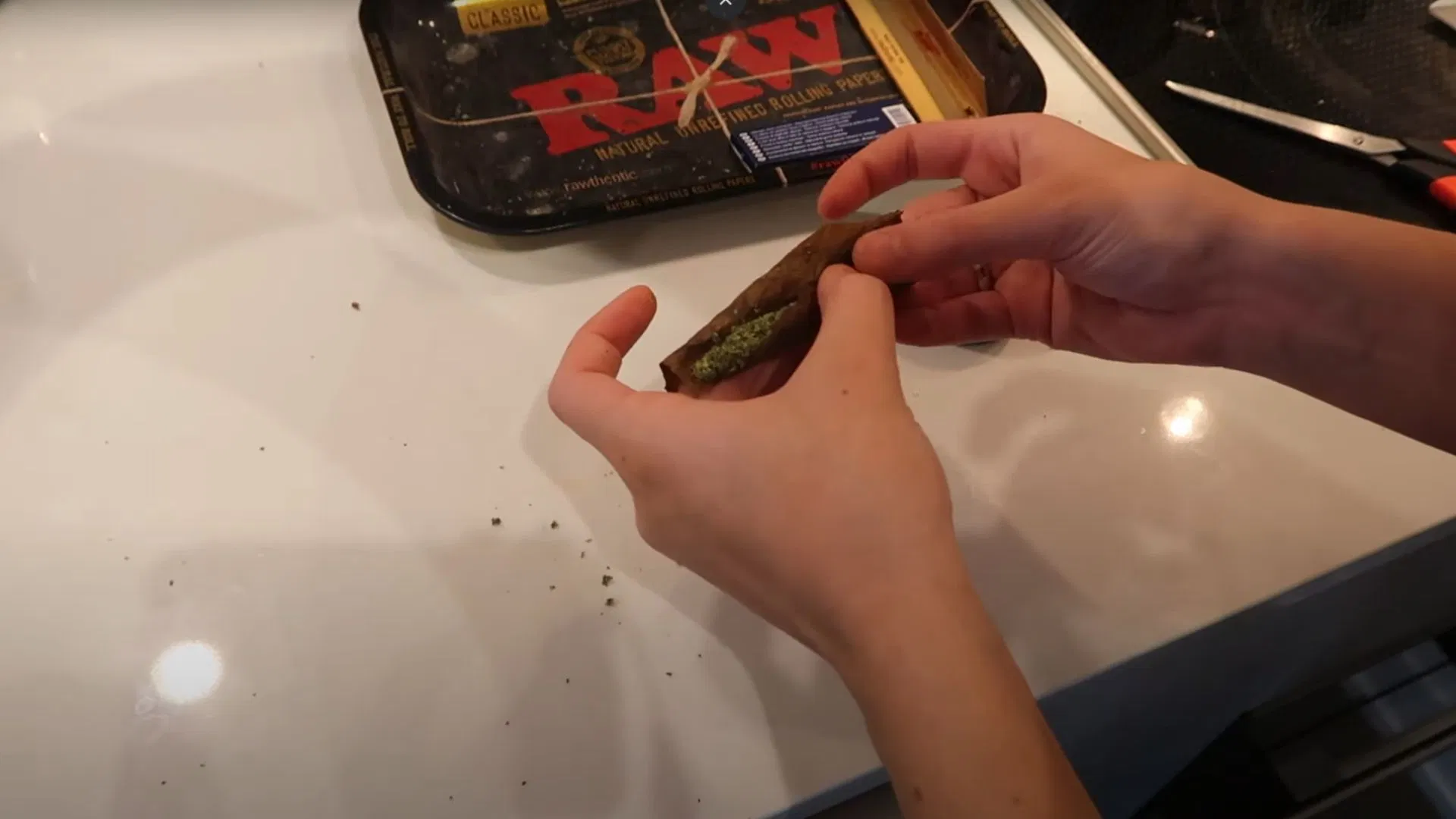
Securing the Joint: After successfully rolling the joint, get ready to seal it. Now is not the time to bring a dry mouth! These blunts require much more moistening than a regular joint, so get to work moistening the edge of the leaf and seal with your fingers along the seam. Let it dry briefly, solidifying the seal and ensuring everything stays intact.


Ignition: With the crafting process completed, the final step involves lighting the end of your Backwoods joint and embarking on the delightful journey of savouring the fruits of your labour.
Mastering the art of rolling a Backwoods joint requires a certain level of dexterity and patience, and the craft improves significantly with practice. Don’t be surprised if you struggle on your first time and find yourself tearing a few leaves on your way to perfecting the art of rolling one of these beauties. But even if initial attempts don't yield the desired result, persistence ensures progressive improvement.
Watch the full video here.
3 Great-Tasting Strains To Put In Your Backwoods Blunt
Blueberry
You can’t go wrong with a blueberry blunt. Delicious, creamy, and sweet, a good Blueberry strain works perfectly in a Backwoods with just the right amount of flavour to bring it to life.
Seedsman’s Blueberry combines AfghanI and Thai genetics to bring the best of both worlds forward into a incredible sweet-tasting strain with the right amount of THC to induce the best kind of chill. This indica-dominant hybrid flowers in 8-9 weeks, and tastes amazing in a blunt.


Badazz Cookies OG
Seedsman’s Badazz Cookies OG delivers flavour in spades, and when you light up your Backwoods and taste the sensational combination of chocolate, fuel, lemon, and spice, you’ll feel like an OG for sure!
An indica-dominant hybrid, Badazz Cookies OG combines the greatness of Badazz, OG Kush, and Cookies Kush to make an all-new monster strain with the best of each in flavour, yield and power. Flowering takes 65-70 days, and then this Badazz gives up her big, bountiful harvests, packed with rich flavour and high quality. THC content is between 15-20% - perfect for chilling.

Purple Ghost Candy
Regular readers of the Seedsman blog will know that PGC makes just about every list of recommended strains we publish. There’s a reason for this; it’s a first-ballot Hall of Famer in the making (Hey - we’re allowed toot our own horn on this one). Purple Ghost Candy has the looks, the taste, the yield, and the potency to hold its own in any company – and if you want a sativa to bring your blunt to life, this is the one to do it!
Purple Ghost Candy takes between 70-84 days to complete flowering, but you’ll reap massive yields of incredible, sticky, connoisseur-level buds at harvest time. THC content can reach a staggering 27%, but the flavour is where it's at – the unique combination of lemon/lime, peach, and mint will take your Backwoods Blunt to new heights.
