
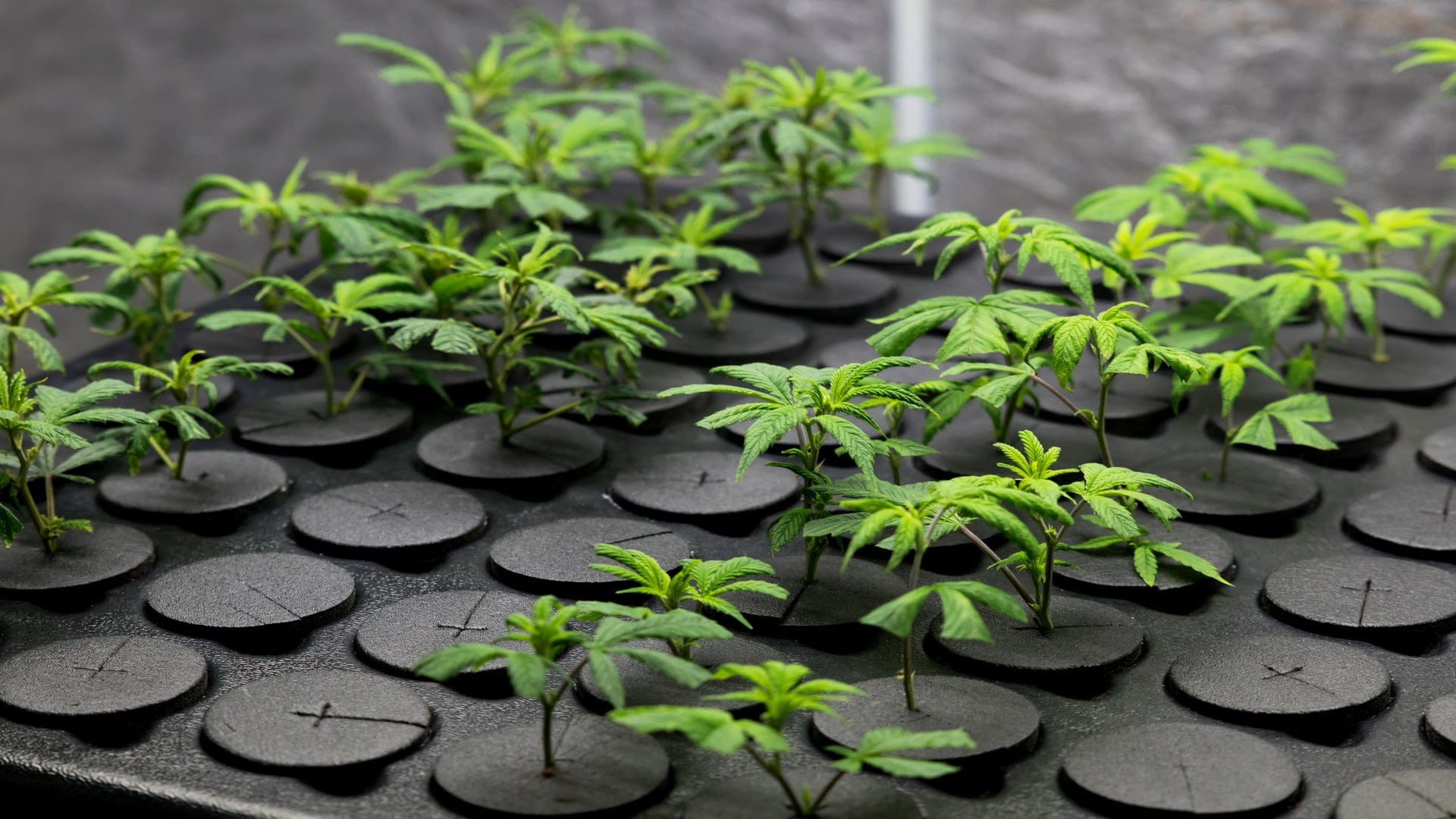

Growing cannabis from clones is one of those topics that sounds deceptively simple – after all, you’re starting with a plant that already exists. So there's no germination. No wondering why seeds didn't germinate. No guessing games about the sex. No waiting to see whether a seedling will thrive or stall. Growing from clones is one of the most reliable, efficient, and frankly enjoyable ways to cultivate. And with access to reputable clones via Seedsman, it’s a little bit like being handed a head start by someone who’s already done half the work for you.
Instances of savvy cultivators growing from clones are on the rise nowadays. Clones give you consistency, and they give you speed. They give you the exact traits of a plant that’s already proven itself. But they also ask for a little finesse, especially in the early days. Understanding how to grow weed from clones isn’t complicated, but it does require a slightly different mindset than growing from seed. Once you get the knack of it, though, it’s hard to go back.
With the laws around cannabis products potentially changing in 2026, there’s never been a better time to learn how to grow weed from cannabis clones, so if you’ve never experienced the joy of growing from clones before, we’ll give you a brief overview of the process – from choosing a clone to growing it out – in a way that’s grounded in real-world growing experience.
But before we go any further, head on over to this page to see how you can stand up for cannabis in 2026.
Why Clones Are A Smart Choice
One of the biggest perks of growing from clones is predictability. We're Seedsman. We're obviously not bashing seeds Seeds are wonderful, the OG method for sure. At times, they can be a little bit of a lottery. Even feminized seeds can express subtle differences in structure, aroma, or yield. Clones, on the other hand, are genetic carbon copies of a mother plant that’s already shown what it can do.
If the mother was vigorous, aromatic, and high-yiedling, your clone will follow the same script. You know how tall it’s likely to grow, how it responds to training, how long it takes to flower, and even what kind of smoke you’ll end up with. For cannabis growers who value consistency – or those running perpetual harvests – this is gold.
And because clones skip the seedling stage entirely, you’re effectively fast-tracking your grow. No germination. No fragile sprouts. Just a young plant ready to get on with things.
Let's take a closer look how to grow wee from clones clones vs seeds:
Aspect | Clones | Seeds |
| Genetics | Guaranteed identical | Genetic Variation |
| Sex | Always female (if mother was female) | May require sexing unless feminized |
| Root System | No taproot; lateral roots only | Strong taproot; more resilient early |
| Speed | Faster start; no seedling stage | Slower start |
| Pest Risk | Higher (can carry issues - always check) | Lower (clean start) |
| Training Response | Excellent | Good, but varies |
How To Grow Weed From Clones: Choosing a Healthy Clone
A good clone should already look like it wants to thrive. Bright green leaves, firm stems, and a general perkiness are all good signs. You want a plant that looks alert, not one that looks it’s just come home from a long night partying.
Take a moment to check the underside of the leaves and the surface at the plug or cube. Clones can occasionally bring hitchhikers – mites, aphids, thrips – so a quick inspection at this stage saves a world of trouble later. Healthy roots should be white and lively, not brown or mushy.

When you buy cannabis clones from Seedsman, you buy with a high degree of assurance. All our clone suppliers go to great lengths to ensure your clones are coming from clean facilities, where regular pathogen testing takes place, and best of all – offer a like-for like replacement should the unthinkable happen and your clones arrive with any health concerns. And that’s great news for you, because starting with clean, vigorous clones means the process of how to grow weed becomes far more straightforward.
Acclimating Your Clone (AKA The Gentle Art of Not Shocking Your Plant)
When it comes to learning how to grow weed using clones, this is a step worth paying attention to, because it’s a step some growers rush and it’s where clones can often stumble. Most nurseries raise clones in warm, humid environments with soft lighting. When you bring them home, your grow tent might feel like a completely different climate.
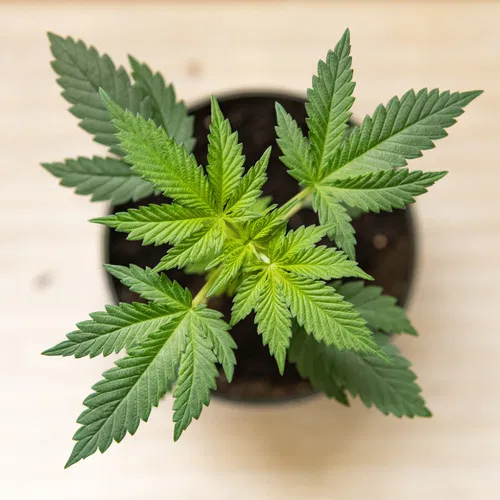
Clones need a moment to catch their breath in new surroundings. Think of it like stepping off a plane into a new time zone - you need time to adjust to the new climate, and it can take a little adjusting. Give them a day or two under gentler light. Keep humidity on the higher side at first, then gradually bring it down. Keep temepratures steady, and resist the urge to feed them immediately; most clone plugs already contain nutrients, making this stage of how to grow weed using clones a little simpler. Adding more too soon can overwhelm young roots.
A little patience here pays off massively. Once a clone acclimates, it tends to take off with real enthusiasm.
Further Reading:Caring For Your Cannabis Clones: A Step By Step Guide
Transplanting Your Clones to a Proper Home
When your clone looks settled and begins to show new growth, it’s ready for transplanting. A one or two-gallon pot is perfect at this stage. Going too big too soon can actually slow things down because the medium stays wet for too long, and clones prefer a balance of moisture and oxygen.

Choose a light, airy medium – soil, coco, or a soilless mix all work beautfiully. Water your clones lightly after transplanting, just enough to settle the roots. A gentle root stimulator works fine, but hold off on full nutrients for a little while.
Once the clone finds its feet in its new home, you should see it begin to push out new leaves with confidence.
How To Grow Weed Using Clones: The Vegetative Stage
This is where clones really start to shine. Because they’re taken from mature plants, they respond quickly to training and develop vegetative stage more predictably than seedlings.
Keep your environment nice and stable: moderate humidity, comfortable temperatures, and an 18/6 life cycle. Clones don’t need intense light straight off the bat, but once they’re established, they can handle the same kind of light you’d use for any vegging plant.

Now you can start feeding gradually. Cannabis clones appreciate a gentle introduction to nutrients - especially nitrogen - early on. As they grow, you can begin shaping them, too. This is where to bring in your plant training technqiues – topping, low-stress training, or a simple SCROG setup all work beautifully. Clones tend to respond pretty quickly and reliably to these techniques, which is just one of the reasons experienced cutlivators love them. That said, make sure you're not too early with something like defoliation. Let the clones establish themselves well before employing higher-stress techniques.
How To Grow Weed Using Clones: The Flowering Stage
When you flip your clones to 12/12 lighting, you’ll see one of the biggest advantages of why and how to grow weed from a cutting: predictability. Because clones are genetic copies, you can expect the same results – the same stretch, flowering time, and bud structure as the mother plant. This consistency is invaluable for growers who want repeatable results.
You should aim to keep your environment stable throughout flowering, with lower humidity around 40-50%, 70-78°F temperature, good airflow, and a stable nutrient schedule. Increase phosphorus and potassium gradually, and be sure to avoid sudden nutrient jumps as clones can be sensitive to overfeeding.
Clones tend to stretch a little less than seed-grown plants, but this varies by strain. And as buds develop, you’ll see the traits of the mother plant emerging in your clone – aromas, resin production, and density – and it’s all incredibly satisfying to watch.
Common Mistakes When Growing Weed From Cannabis Clones
Learning how to grow weed from clones is a skill worth mastering, and mastery involves learning what not to do. Here’s a list of common errors growers may inadvertently make when learning how to grow weed using clones:
- Skipping the Acclimation Phase - this is probably the number one cause of clone failure. Treat clones delicately for the first few days.
- Overwatering - clones need oxygen as much as they need water. Let your medium dry slightly between waterings.
- Too Much Light Too Soon - If you're using high-intensity lights, these can scorch young clones. Ease them in.
- Ignoring Pest Risks - Clones can carry or pick up pests, so always inspect and quarantine new arrivals.
- Starting In Too Large a Pot - This will slow root development soggy medium.
Follow these tips and you give your clone a much better shot at success.
Why Growing From Clones Is Worth Mastering
Learning how to grow weed from clones isn’t just a shortcut – it's a craft. Clones offer speed, consistency, and the ability to replicate your favorite genetics again and again. They’re ideal for growers who like predictable results, excellent timelines, and a smoother growing path from start to finish.
When you choose healthy clones from Seedsman, acclimate them properly, avoid overwatering, and keep your environment steady, the process of how to grow weed becomes remarkably straightforward. Once you’ve mastered it, you’ll be rewarded with vigorous plants and high-quality harvests. And you’ll understand why so many growers take the time to learn how to grow weed using cannabis clones.
Keep an eye out for a comprehensive guide to cannabis clones coming up in 2026!