
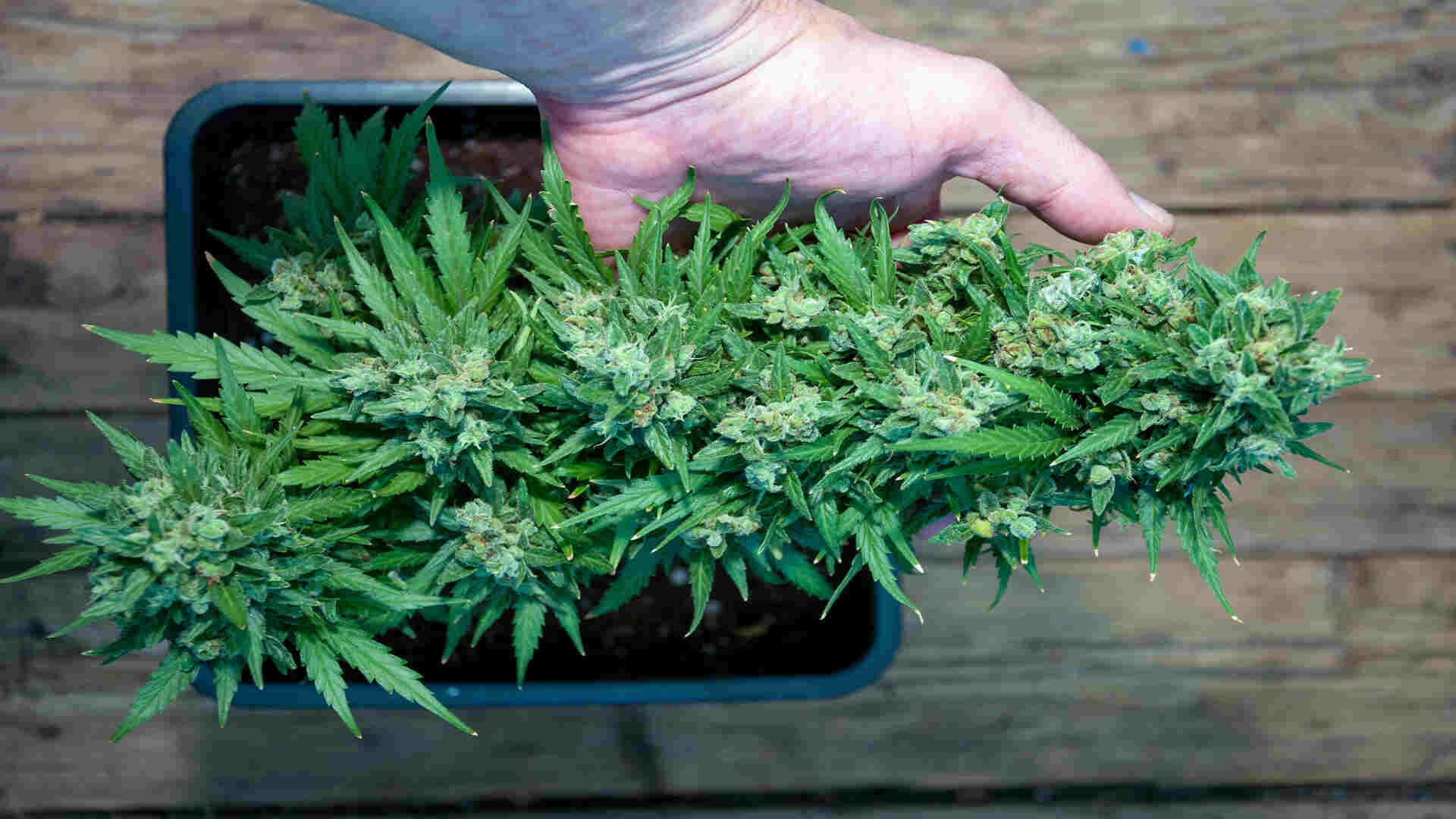

The last few weeks of the growing season are the most exciting. At this point, stepping into the garden is a grower's delight. Flowers are in full bloom, the aroma is off the charts, and the anticipation is almost too much to bear. Seeing months of hard work finally bearing fruit can truly enrich life.
For cannabis growers in the northern hemisphere, this is the point where patience becomes particularly useful. Harvest may still be a few weeks away, but the plant is already telling you plenty about how the season has gone.
Learning how to grow weed plants is often presented as a matter of following instructions. Give them this much light. Feed it at this stage. Water it on this schedule. Prune here. Trim there.
Those instructions certainly have their place, but outdoor growing is rarely that straightforward. Plants grow at different rates. One plant can suddenly look quite different after a week of rain, while another seems quite happy in spite of a little adverse weather.
The better growers become at reading those changes, the more naturally they can respond.
Key Takeaways
- Learn to read the plant. Its appearance, growth and response to changing conditions provide more useful information than a rigid schedule.
- Pay attention to the season. Outdoor conditions change considerably as harvest approaches.
- Adjust watering to demand. Cooler, wetter weather can mean the plant needs less supplementary water.
- Think before feeding. Healthy plants don't need unnecessary nutritional intervention simply because harvest is approaching.
- Know when to stop pruning and training. Late flowering is rarely the time for dramatic changes.
- Keep flowers protected from prolonged moisture. Airflow and regular observation become increasingly valuable in autumn.
- Let weather influence your thinking. Harvest timing is a judgement based on plant maturity and real-world conditions.
- Stay patient after harvest. Drying and curing are part of the growing process too.
How to Grow Weed Plants By Learning To Read The Plant
Spend enough time around plants and you start noticing things without really thinking about it. Growers learn to spot vigorous growth and drooping leaves. You get a feel for how quickly the growing medium dries after a warm spell. You can tell when flowers are dense enough that moisture becomes a concern.
This is one of the most rewarding parts of learning how to grow weed plants. The plants become less like a list of requirements and more like something you're having a conversation with. And to be a good conversationalist, you have to become a good listener and know how to pay attention.
Look at the whole plant before reacting to one symptom. Consider the weather, recent watering, the stage of flowering, and the condition of the leaves and the flowers together. A single unusual leaf rarely tells the whole story.
A plant that's been sitting through several cool, wet days is giving a very different set of clues from one enjoying bright sunshine and warm soil. Context matters.
Let The Season Guide Decisions

Outdoor plants live by rhythms that existed long before growers started putting dates on calendars. As summer gives way to fall, daylight gradually decreases and temperatures begin to drop. Nights become noticeably cooler, and the sun sits lowers in the sky. Rain can linger for a few days.
For cannabis growers, these changes are part of the environment rather than serious problems to eliminate.
This is particularly relevant during the final month of flowering. Plants that were drinking water heavily during a sunny spell in August may need less water as temperatures fall. Soil or containers can stay damp for longer, particularly after several days of rain.
Now is the time where observation beats habit.
Before watering, look at the plant and consider the conditions around it. Think about how quickly it has been drying recently.
Growing outdoors can be wonderfully grounding for precisely this reason. You step outside, check the plant, look at the sky and notice what the day feels like. After a while, alert growers begin to recognize the rhythm without needing to turn every decision into a calculation.
Water According to What The Plant Needs
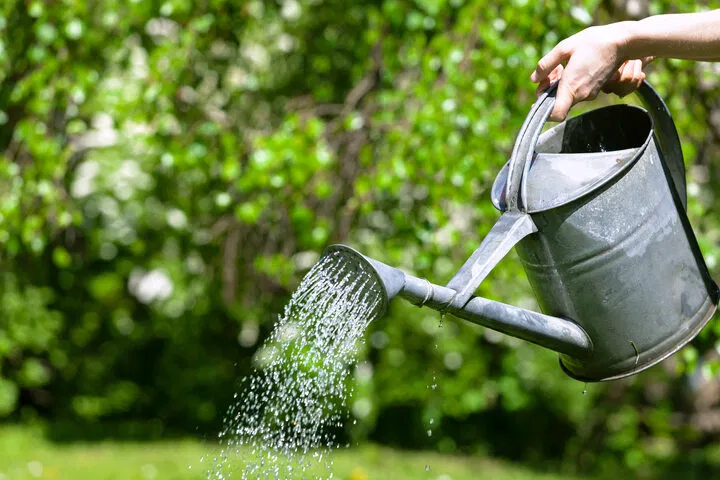
Watering is one of those jobs that can become almost automatic. That is exactly why it is worth slowing down.
Cannabis plants need water, obviously, but they also need oxygen around their roots. Saturated growing media can become troublesome, especially when cooler weather slows evaporation.
Late in the season, conditions can change quickly. A few sunny days might leave a container surprisingly light, followed by a rainy spell that keeps everything damp. There's no point in watering the plants simply because it's a Monday. Let the plants and the medium guide you here. Only water if necessary, otherwise you end up with overwatering, which brings a whole new set of issues a late-season grow could do without.
Related Article:How To Fix Cannabis Overwatering
Learning how to grow weed plants means developing a feel for changing demand. Watch the weather. Pay attention to the growing medium. Observe how the plants look at different times of the day.
If heavy rain is already doing the watering for you, let it. That sounds simple, but it's an easy principle to forget when you've spent months carefully looking after plants.
Feed With Restraint
Nutrition is another area where enthusiasm can occasionally get the better of growers - especially those starting out. A plant approaching harvest can look demanding. Flowers are swelling and the whole thing can feel as though it should be receiving something extra to help it across the finish line. Experienced growers sometimes opt for bloom boosters at this time, but knowing how to use them and when to back off is key.
Before reaching for the nutrients, though, take a proper look.
Healthy flowering plants doen't necessarily need increasingly elaborate feeding regimes as harvest approaches. If growth looks healthy and there are no convincing signs of a nutrient problem, dramatic changes can create more trouble than they solve. And in the last two weeks before harvest especially, many growers like to back off nitrogen and eventually phase out nutrients altogether as part of the flushing protocol - where growers switch to watering with pH neutral water for the last few days.
Sometimes the most useful thing a grower can do is leave a healthy plant to get on with its work.
Related Article:Flushing Cannabis: The Complete Science-Based Guide
Know When To Leave The Plant Alone
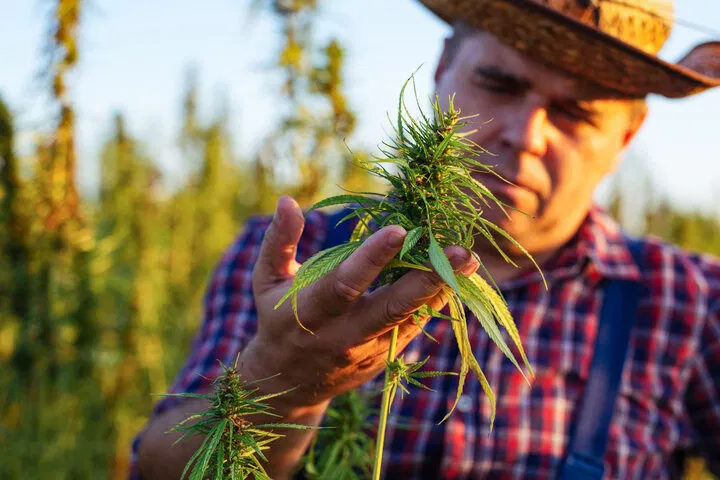
There's a temptation in gardening to do things in order to feel productive. Pruning. Training. Checking. Moving things around, and checking again five minutes later.
Cannabis plants can certainly benefit from considered training and pruning earlier in the season. But as flowering progresses, the balance changes. The larger interventions become increasingly difficult to justify when the plant is already putting so much of its energy into flowers.
That doesn't mean you shouldn't remove anything. Damaged or diseased material deserves attention, and dense growth can create practical problems. The question becomes whether the plants genuinely benefit from the intervention.
This is where experience begins to show. A newcomer to growing may see a branch and wonder what could be done to improve it. An experienced grower is often more comfortable looking at that same branch and thinking She's doing fine.
There is wisdom in knowing when to put the scissors down..
Protect The Flowers Without Fighting Nature
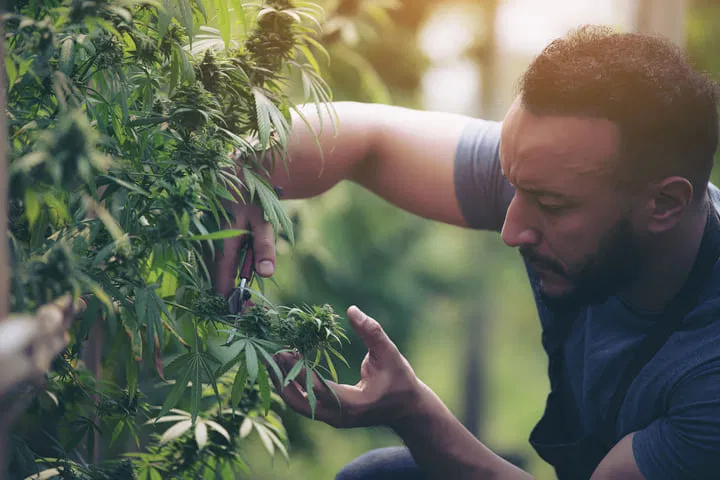
Late summer and early fall can be beautiful outdoors. They can also be damp. As flowers become bigger and denser, prolonged moisture becomes increasingly unwelcome. Cool nights, rainfall, and limited drying time create conditions where fungal problems can take hold. One of th emost important things a grower can do at this stage is be on the lookout for signs of mold. Good airflow therefore becomes increasingly valuable.
Look all around the plant rather than docusing solely on the flowers. Ask yourself:
- Is surrounding vegetation restricting airflow?
- Are branches packed tightly together?
- is the plant sitting somewhere moisture tends to linger?
This doesn't mean turning the garden into a laboratory. Sometimes simply choosing a sensible position and keeping an eye on conditions makes all the difference. After rainfall, inspect the flowers when you can. Look closely. If something seems unusual, investigate rather than hoping it disappears.
That habit of observation - of understanding the plant, not just the process - is one of the quietest pleasures of learning how to grow weed plants. The more familiar you become with a healthy plant the easier it becomes to recognize when something has changed.
Related Article: Identify And Treat Pathogenic Mold
When Weather Becomes Part of the Decision To Harvest

At some point, outdoor growers have to accept that the weather gets a vote on when harvest takes place. The calendar might suggest that another week or two might be useful, but the forecast can be hinting at prolonged rain, strong winds,or a sharp drop in temperature.
There's no universal answer because every plant and every location is different. The important thing is to watch the developing picture rather than becoming attached to a particular date. Flower maturity matters, but so do the conditions surrounding those final weeks.
This is particularly important in northern climates. Autumn can arrive gradually, or it can kick the door down overnight. If you've spent months nurturing your plants, it can be difficult to accept that weather can influence the final decision. Working with nature has always been part of outdoor cultivation, and sometimes growers just need to go with it.
Sometimes the smartest decision is simply to recognize what the season is trying to tell you.
Related Article:When To Harvest Cannabis: Master Harvesting Tips And Tricks
How To Grow Weed Plants With Harvest Quality In Mind
The harvest process begins long before the scissors come out. Throughout flowering, watch how the flowers develop. Look at their overall appearance and maturity rather than relying on a date written on a seed packet or a generic harvest window.
Seed information provides a useful guide, but the plant is the thing actually growing in front of you. This is where the idea of reading the plant comes full circle. You've watched it respond to changes in daylight, and seen how it handles sunshine and rain. You've learned how quickly the growing medium dries. You've noticed its flowering development week by week.
By harvest time, growers should have a fairly good relationship with their plants. That doesn't mean every decision becomes obvious; sometimes there's still a judgement call to be made. That's part of growing.
The best answer to how to grow weed plants isn't a perfect timetable. It's learning enough about the plant so you can make sensible decisions when reality inevitably differs from the plan.
The Grow Doesn't End at Harvest
It's tempting to think of harvest as the finish line after months of work. In reality, it's more like a handowver between two stages. Careful harvesting, drying, and curing all influence the final quality of the flowers. Even rough handling can damage delicate material, while poor drying conditions can create their own problems.
This is another reason patience matters. The same grower who spent months watching the plant develop can suddenly become impatient once harvest arrives. After all that waiting, it's understandable. But the plant hasn't suddenly stopped deserving your attention.
Now is not the time to rush. Slow down. Handle the flowers carefully. Give the drying process the time and conditions it needs. The final stage deserves the same calm approach that made the growing season enjoyable in the first place.
FAQs
Can you still improve outdoor weed plants during the final month?
Yes, although the nature of the work changes. By late flowering, attention should generally shift towards maintaining healthy conditions, observing the plant and avoiding unnecessary stress. Good decisions now are often about what you choose to leave alone.
Should I prune cannabis plants late in flowering?
Major pruning late in flowering deserves caution. Removing damaged or diseased material can be sensible, while aggressive pruning can create unnecessary stress. Look at the individual plant and consider whether the intervention solves a genuine problem.
How can I protect outdoor cannabis flowers from rain?
Good airflow and sensible plant positioning can help flowers dry more quickly after rainfall. Regular inspection is also important as autumn approaches, particularly when cool, damp conditions persist.
How do I know when an outdoor cannabis plant is ready to harvest?
Look at overall flower maturity and the condition of the plant rather than relying on the calendar alone. Seed-bank harvest estimates are useful guidelines, but local weather and the plant's actual development should also influence the decision.
What is the most important part of learning how to grow weed plants?
Paying attention.
The more time you spend observing your plants, the more you begin to understand their individual rhythms. Eventually, the growing process becomes less about following instructions and more about responding thoughtfully to what is happening in front of you.
-----------------------------------------
References
Büser, C., Hartung, J. & Graeff-Hönninger, S. (2025). Subsurface drip irrigation reduces weed infestation and irrigation water use while increasing inflorescence and cannabinoid yield in an outdoor tunnel Cannabis sativa L. production system. Journal of Cannabis Research, 7, 41. https://doi.org/10.1186/s42238-025-00302-x
Danziger, N. & Bernstein, N. (2021). Shape Matters: Plant Architecture Affects Chemical Uniformity in Large-Size Medical Cannabis Plants. Plants, 10(9), 1834. https://doi.org/10.3390/plants10091834
Saloner, A. & Bernstein, N. (2021). Optimisation of Nitrogen, Phosphorus, and Potassium for Soilless Production of Cannabis sativa in the Flowering Stage Using Response Surface Analysis. Frontiers in Plant Science, 12, 764103. https://doi.org/10.3389/fpls.2021.764103
Punja, Z. K. et al. (2023). Total yeast and mold levels in high THC-containing cannabis (Cannabis sativa L.) inflorescences are influenced by genotype, environment, and pre-and post-harvest handling practices. Frontiers in Microbiology, 14. https://doi.org/10.3389/fmicb.2023.1192035
Punja, Z. K. et al. (2025). The epidemiology and management of Botrytis cinerea causing bud rot on greenhouse cultivated cannabis (Cannabis sativa L.). Canadian Journal of Plant Pathology.
https://doi.org/10.1080/07060661.2025.2478250
Alden, M. J. & Faust, J. E. (2025). Optimal Harvest Timing: Quantifying Temporal Changes in Dry Mass and Tissue Cannabinoids for High-CBD Cannabis sativa Grown in Controlled Environments.
https://agris.fao.org/search/en/providers/122436/records/6800f2b5dd564a9a8282b256
Determination of Optimal Harvest Time in Cannabis sativa L. Based upon Stigma Color Transition (2025). Plants, 14(10), 1532. https://doi.org/10.3390/plants14101532