

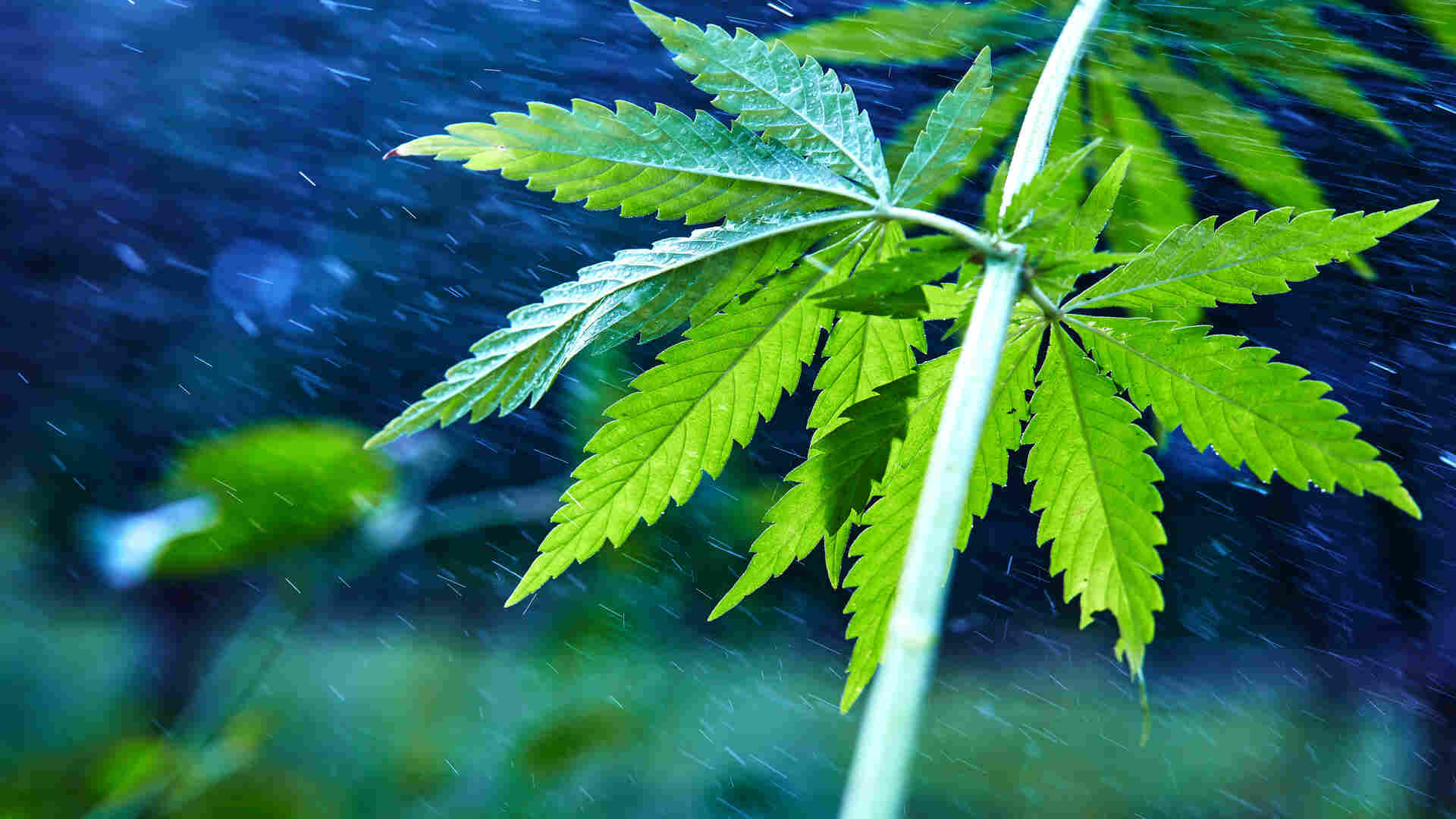
Cannabis may have a reputation for growing “anywhere,” but anyone who has spent time studying the plant – whether in academic horticulture, licensed cultivation settings, or simply through a fascination with its global diversity – quickly discovers that this reputation only tells half the story. Sure, cannabis ruderalis evolved to thrive in polar conditions, indicas braved mountain climates, and sativas grow in tropical heat, but while cannabis is certainly adaptable, growers must remember it’s not invincible. It responds acutely to shifts in temperature, humidity, wind, light, and soil conditions, and in challenging climates these sensitivities can become constraints that can make or break a grow.
Understanding how to cultivate weed successfully starts with understanding what makes a climate “challenging”. For cannabis, these climates typically include environments that are hot or cold, extremely humid or extremely dry, or simply unpredictable. Each presents its own risks. Heat can disrupt photosynthesis; cold slows down the plant’s metabolic machinery; humidity encourages mould; dryness weakens tissue structure, and unpredictable weather patterns compound all of the above. Climate doesn’t just influence cannabis – climate shapes it. If you're a cannabis grower looking to learn how to cultivate weed in a challenging climate, there's some information here you won't want to miss.
How To Cultivate Weed in Hot And Arid Climates
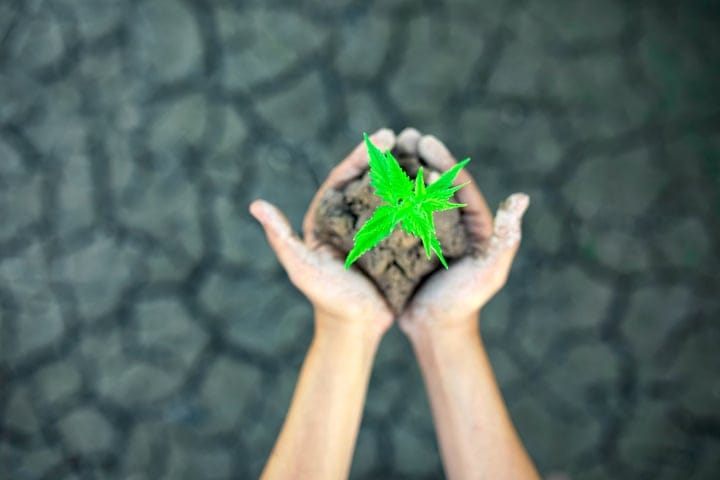
Hot, dry climates force cannabis into metabolic overdrive. While cannabis is famously a sun-loving plant, there does come a point where sunlight stops being beneficial and becomes more of a slow roast. Research on heat stress shows that extreme heat damages chloroplast membranes and disrupts the enzymes responsible for vital photosynthesis. All of this spells doom and gloom for your grow.
When temperatures soar high enough, the plant’s basic machinery begins to sweat metaphorically- right before it wilts literally.
Challenges in Hot, Dry Regions
- Rapid transpiration outpaces the cannabis plant’s abiity to maintain internal moisture
- Soil microbiology suffers, reducing nutrient availability
- Heat shock proteins activate, indicating cellular stress
- Terpene volatility increases, potentially affecting aromatic profiles
Fortunately, there are strategies that make how to cultivate weed in these conditions far less risky. Putting these steps into action limits the chances of stress and damage, giving your cannabis crops a better chance of survival in hotter climates.
Cultivation Strategies For Hot Climates
- Choosing heat-tolerant genetics (cannabis seeds) is the best place to start if planning a grow in a hot climate.
- Find natural shade for your plants
- Use mulching and soil protection principles to help retain moisture and stabilize the rhizosphere (a concept supprted by soil ecology studies like those from Frontiers in Microbiology)
- Emphasise diurnal cooling- cool nights help reset the plant’s metabolic stress.
Hot climates will test the plant’s endurance, but understanding the science behind heat stress provides clarity on how to cultivate weed successfully in these environments.
Further Reading:Protecting Your Outdoor Cannabis Plants From Heat Stress
How To Cultivate Weed In Cold and High-Altitude Environments
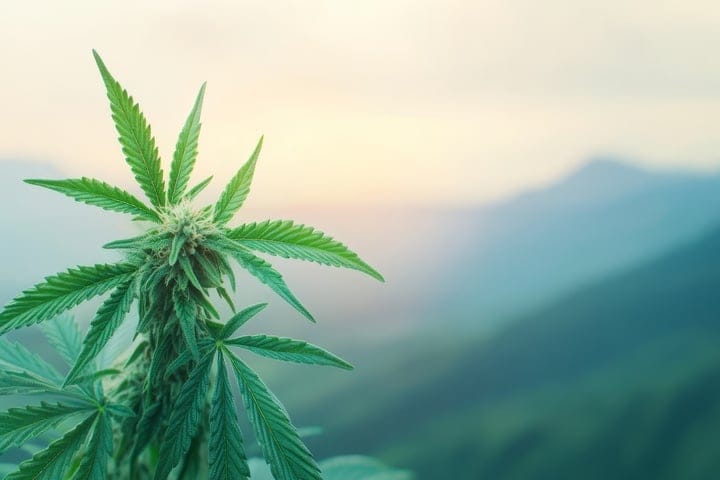
Cold climates obviously present the opposite challenge: the plant simply slows down. Cannabis, like most warm-season annuals, relies on temperatures that enable enzymatic efficiency. According to The Plant Journal, cold temperatures inhibit enzyme kinetics, nutrient uptake, and root expansion – all of which are vital for healthy plants.
For those learning how to cultivate weed at higher altitudes, chilly nights can be a daily reality, turning cannabis plants into a reluctant morning person with stiff, slow-moving biology.
Challenges in Cold or Mountainous Regions
- Reduced nutrient mobility in cold soils
- High risk of frost, particularly in transitional seasons
- Mechanical stress from wind exposure
- Compressed metabolic activity
Cultivation Strategies for Cold or Mountainous Regions
- Start with the right genetics. Choose cannabis varieties suitable for cool and dry climates, with shorter flowering windows, or origins in cooler regions
- Focus on thermal mass and root-zone insulation techniques used in cold-climate horticulture
- Situate your plants on south-facing slopes or close to thermal masses
Understanding how to cultivate weed in colder climates boils down to recognising that cannabis plants need warmth – not tropics-level warmth, just enough to keep the internal chemistry humming.
How To Cultivate Weed In Tropical and High-Humidity Climates
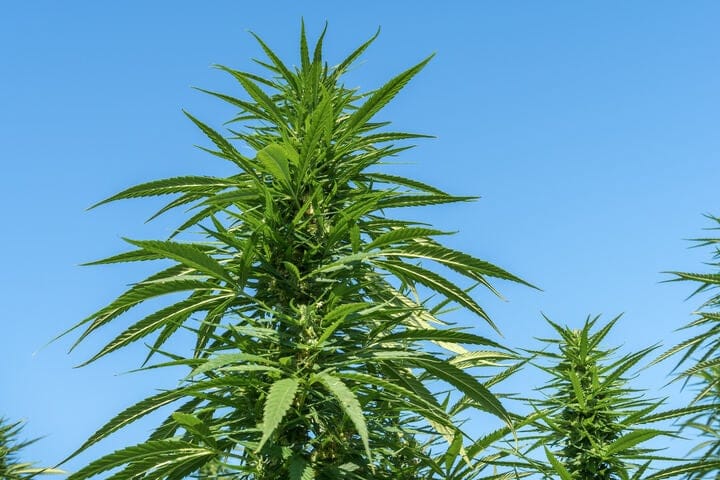
Humidity is the silent killer of cannabis flowers (those coveted buds). Tropical regions deliver consistent warmth, which cannabis generally appreciates, but they couple that with moisture levels that fungi appreciate even more. According to numerous plant pathology studies, high humidity dramatically increases the germination and spread of fungal spores such as the weed-farmer's famed adversary, botryitis cinerea (grey mold).
The typically dense floral clusters of cannabis make it particularly susceptible. In muggy climates, moisture isn’t just in the air - it’s everywhere, and it’s extremely clingy.
Challenges In Tropical or Humid Regions
- Slowed transpiration, leading to internal moisture imbalance
- High fungal pressure
- Extended rainy seasons, which disrupt flowering windows
- Difficulty achieving adequate airflow in natural environments.
Cultivation Strategies For Tropical or Humid Regions
- Again, start with genetics; choose strains bred for mould resistance that promise loose, airy floral structures – many equatorial landraces evolved this way naturally.
- Increase focus on airflow, spacing, and canopy architecture
- Learn local rainfall patterns and humidity curves
- Monitor nighttime humidity, which can often spike higher than daytime levels.
Learning how to cultivate weed in humid climates is largely about understanding the tension between moisture and mould – one fuels life, the other consumes it.
How To Cultivate Weed In Mediterranean and Unpredictable Climates
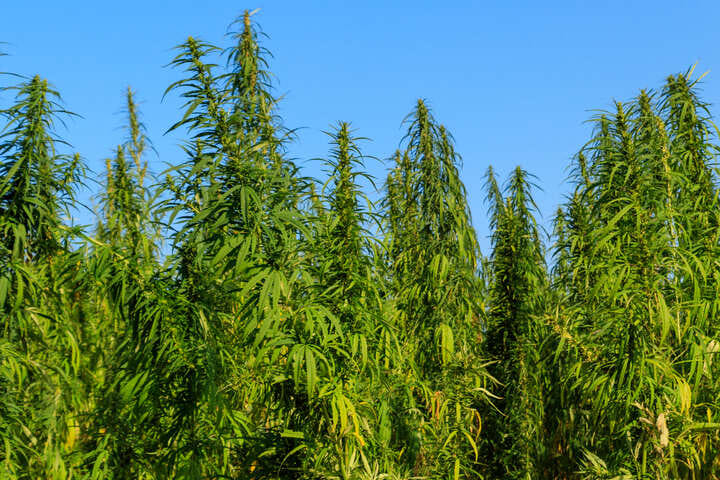
Mediterranean climates are traditionally considered cannabis-friendly – warm and sunny summers, mild evenings and manageable humidity. But modern climate variability has changed the playing field. Mediterranean growers now find themselves having to contend with sudden storms, off-season heatwaves, and strange temperature swings. These aren’t quirks anymore – they're becoming seasonal regulars.
Cannabis thrives on predictability, and unpredictability is exactly what Mediterranean regions increasingly deliver.
Challenges in Unpredictable Climates
- Surprise storms or rain during flowering.
- Periodic heat spikes stressing canopy development.
- Wind bursts creating mechanical stress on plants.
- Seasonal irregularity affecting photoperiod-sensitive varieties.
Cultivation Strategies for Unpredictable Climates
- Monitor environment to anticipate weather shifts rather than relying on historical climate expectations.
- Study how regional cultivars have adapted over time to changing climate patterns.
- Implement protective structures – simple shading and storm mitigation systems can make a huge difference.
- For genetics, choose resilient cultivars with stable phenotypic expression
Anyone researching how to cultivate weed in Mediterranean climates will quickly learn that flexibility – not tradition – is the most valuable asset in your arsenal.
How To Cutivate Weed In Coastal and Windy Climates
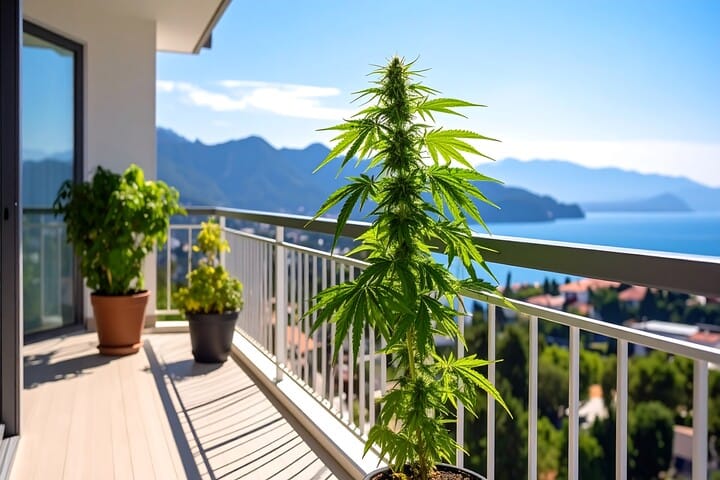
Coastal climates occupy a strange middle ground, with mild temperatures but near-constant wind, fog, and salt exposure. An overlooked difficulty among those looking to grow cannabis in coastal areas is salt aerosols, which can accumulate on leaf surfaces and influence osmotic balance. Research on salinity stress, such as studies from Plant and Soil, shows that saline exposure actually inhibits nutrient uptake and disrupts water regulation at the cellular level in plants.
Meanwhile, persistent winds push cannabis into structural overcompensation, which diverts energy away from vertical growth. For that reason, learning how to windproof your cannabis plants is crucial.
Challenges in Coastal Regions
- Self-induced leaf stress and spotting.
- Constant winds leading to structural strain
- Fog reducing daily light integral (DLI)
- Higher levels of soil salinity near ocean edges
Cultivation Strategies For Coastal and Windy Climates
- Consider growing cannabis varieties with strong branch architecture
- Look into natural windbreak principles used in vineyards and olive orchards, using walls or screens to protect plants from high winds
- Explore soil management concepts for saline environments
Understanding how to cultivate weed in coastal climates is ultimately about managing salt, wind, and sunlight – not nearly as romantic as seashells on the shore, but far more scientifically grounded.
How To Cultivate Weed in Continental Climates
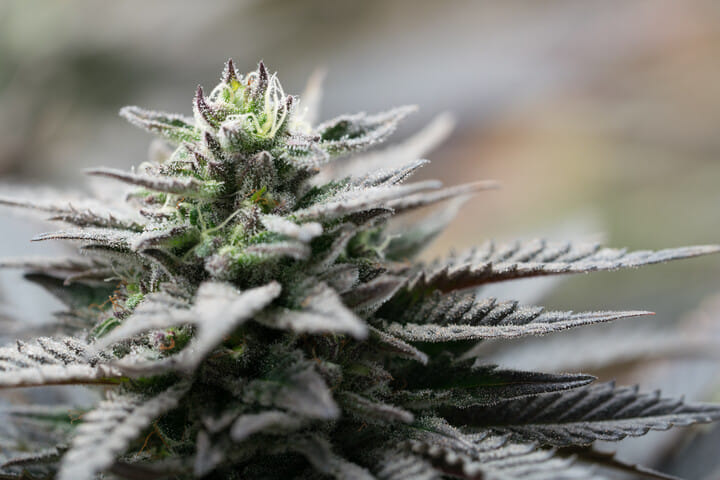
Continental climates like those found in Central Asia and North America, bring sharp seasonal contrasts: hot summers, frigid winters, and shorter windows for growing weed plants. Cannabis must therefore complete its lifecycle quickly, and that puts pressure on timing and photoperiod alignment. Early frosts are one of the most serious risks, and autumnal storms may arrive before flower development finishes.
Studies in plant seasonality highlight how photoperiod and temperature both regulate developmental timing, a major consideration in such climates.
Challenges in Continental Regions
- Limited warm-season duration
- Late spring and early autumn frosts
- Dramatic day-length changes at higher latitudes
- Temperature swings stressing plant tissue
Cultivation Strategies For Continental Climates
- Consider Early/Fast genetics adapted for northern latitudes
- Monitor local frost dates and seasonal anomalies
- Understand photoperiod sensitivity and how it varies among cultivars
- Consider season-extension principles used in cool-climate horticulture
If you’re looking to learn how to cultivate weed in continental enviroments, timing becomes your new best friend – or your most frustrating enemy.
Conclusion: Climate is the Ultimate Teacher
Across all these environments, one truth remians constant: cannabis may be adaptable, but it is also responsive to its surroundings. To understand how to cultivate weed in challenging climates is to study the interplay between plant physiology and environmental pressure.
Heat, cold, moisture, dryness, wind, and unpredictability don't just chalenge the plant; they reveal its resilience, its limits, and its incredible capacity for adaptation. Through scientific research, ecological awareness, and a deeper appreciation of cannabis biology, cultivators have learned to harmonize with climate instead of fighting it.
In the end, challenging climates aren't a threat – they're a classroom. The more we learn from them, the better we understand this extraordinary plant.


