


Growing cannabis outdoors brings almost as many challenges as it does advantages. From pests and predators to our ever-changing climate, outdoor cultivation requires prevention and solution to the many would-be assailants that can ravage precious crops. It’s all worth it when the time comes to harvest your incredible sun-grown buds – but a degree of preparation and problem-solving is required.
You may be called upon to guard against heat stress and high precipitation, or you may need to protect your plants from high winds. If you find yourself facing the latter, there are preventative measures you can take. Fortunately, these range from temporary to permanent and low-cost to more expensive. The method you choose will depend entirely on your needs, the size of your project, your budget, and the degree of wind you’re faced with. From strong gusts to gales and arctic blasts, there are solutions.
Wind, a critical but often overlooked factor in cannabis growing, can profoundly affect the health and productivity of your outdoor cannabis plants. As cultivators, we recognise the potential benefits of natural sunlight, adequate watering, and nutrient-rich soil. However, a robust defence against high winds is equally vital. It's not just gales that can cause harm; even breezy conditions can lead to problems if plants aren't adequately protected.


Outdoor cultivation provides an opportunity to harvest large, robust cannabis plants more cost-effectively than indoor growing operations. This cost-effectiveness, however, hinges on your ability to maintain optimal growing conditions and protect your plants from adversities like harsh weather conditions. Strong winds can wreak havoc on your cannabis garden, severely affecting the plant's health and yield.
The Damaging Effects of Wind on Outdoor-Growing Cannabis Plants
Wind is a double-edged sword for outdoor cannabis plants. In moderation, air movement helps to strengthen plant stems, improve durability, and provides natural cooling for the plant leaves and dense foliage. But while plants might enjoy a breeze on the leaves, anything more can turn your cannabis garden into a botanical pancake.
Physical Damage: Imagine being a plant in the throes of adolescence, only to have a gale-force wind disrespect your personal space. Rude, right? Strong winds can snap branches, topple plants, and literally uproot your dreams.
Wind Burn: Cannabis wind burn, despite its rather alarming name, isn't the result of a gust of fire-breathing dragons aiming their fury at your garden. It's more subtle and, let's be honest, a little less exciting.
When wind speeds turn from 'gentle breeze' to 'hang onto your hats', your cannabis plants could suffer. High winds trigger excessive transpiration - that's 'plant sweat' for those who skipped botany class. This process results in the leaves losing more water than the roots can replace, causing them to dry out and, quite literally, burn out. Hence, the term 'wind burn'.

Wind burn looks a lot like nutrient burn, often leading to misdiagnosis and the wrong treatment. So, it's crucial to know the difference. While both leave a similar calling card of yellowing or bronzing, nutrient burn typically starts at the tips and edges of your leaves. In contrast, wind burn commonly affects the sides of your plants that face the wind. If all the damage is on the windward side of your plant, this increases the chance that its wind burn. If left untreated, it stresses the plant and potentially reduces yield.
Increased Vulnerability to Pests and Disease: Wind-damaged plants are more susceptible to infections and pest infestations. Should your plants become afflicted by snapped limbs, these open wounds can be an entry point for various pathogens that can quickly run riot and decimate cannabis crops.
Ways To Windproof Your Cannabis Plants
The list of problems wind can cause throws up some terrifying prospects. Fortunately for us, protecting our plants is a breeze. With several solutions at your disposal, a multi-faceted approach gives your precious ladies an even greater chance of weathering any storm.
Note: Many novice growers make the mistake of over-securing their plants to keep them in place ahead of windy conditions. While stakes and trellising help, over-anchoring your plants is a bad idea. This is because your ladies will need to be allowed a degree of sway and natural movement to move with the breeze and then bounce back. Without this, higher winds can cause damage to stalks, stems and colas.
Positioning
When choosing a spot in your garden to plant, apply as much logic here as possible. Is there a degree of natural shelter? Is there any coverage? Are there particularly windy areas that are affected more on windy days? Observe your garden before you choose your spot. Where you situate your plants is crucial if your environment is prone to high winds, but you must also ensure plants aren’t so sheltered that they miss out on the natural sunlight they need to grow. If you’re in a position where your garden offers no such shelter, there are solutions to this, too.
Companion Planting
By choosing a central spot in your garden and surrounding it with companion plants, you create a natural barrier against the wind. Think of it – in the event of high winds, the outer layer of plants absorbs the worst of the gust, providing vital protection to your valuable cannabis crops. For outdoor growers, the benefits of companion planting make this technique a must-have.

You’ll create a thriving ecosystem, entice pests away from your cannabis plants, and create an all-important wind defence. Certain plants can act as wind buffers when strategically placed around your cannabis garden. Examples include sunflowers and corn, which are tall and sturdy, and bushy plants like lavender and rosemary.
Advanced tip: Opt for companion plants with a similar life cycle to cannabis that grow to similar heights at similar speeds – roses, raspberries, and brambles are just a few examples. These will offer the right amount of protection against wind, growing in a timely fashion alongside your cannabis plants. Like all good companions, these ladies grew up together!
Cloches
If your cannabis plants are outdoors during the seedling stage, guarding against high winds is as easy as covering each plant with a cloche - a plastic or glass cover that sits directly over the plant. This solution is ultimately more straightforward if you have only a few plants.
Windbreaks
Windbreaks are like the bodyguards of the plant world. They stand tall, look menacing, and reduce the wind's speed before reaching your plants. You could go fancy with a custom-made barrier, use artificial structures like fences and walls, or play it natural with trees and hedges. When positioning your windbreak, consider the direction of prevailing winds. Ever been to the beach and seen those windbreaks you pitch in the sand? You can pick those up cheaply in stores or online. They’ll stake into the ground with little more than a mallet tap, providing a great layer of security for your plants. Failing that, micromesh barriers are available from any garden centre and won’t cost much more.

Advanced Tip: A combination of low and high windbreaks can provide multi-level protection for the best results.
Polytunnels:
If windbreaks are the bodyguards, Polytunnels are the safe-houses. Plastic mini-greenhouses and polytunnels provide a controlled environment for your plants, protecting them from harsh external conditions. While more expensive than some options, polytunnels offer substantial protection against wind and benefits such as pest control and temperature regulation.

Advanced Tip: Polytunnels can get hot inside, and airflow is the key to balancing the environment. Consider positioning your plants at the open end towards the entrance and using a windbreak for added protection. This way, you maintain adequate airflow for your plants and can still provide shelter from high winds.
Structural Training and Support
Structural support systems, like stakes or trellises, can help strengthen your plants against wind damage. Stakes or tall poles should be driven well into the ground as plant supports. Cannabis plant training techniques can also be beneficial, such as low-stress training (LST) and high-stress training (HST). These methods involve manipulating the plant's growth to create sturdier structures and lower profiles less affected by wind.
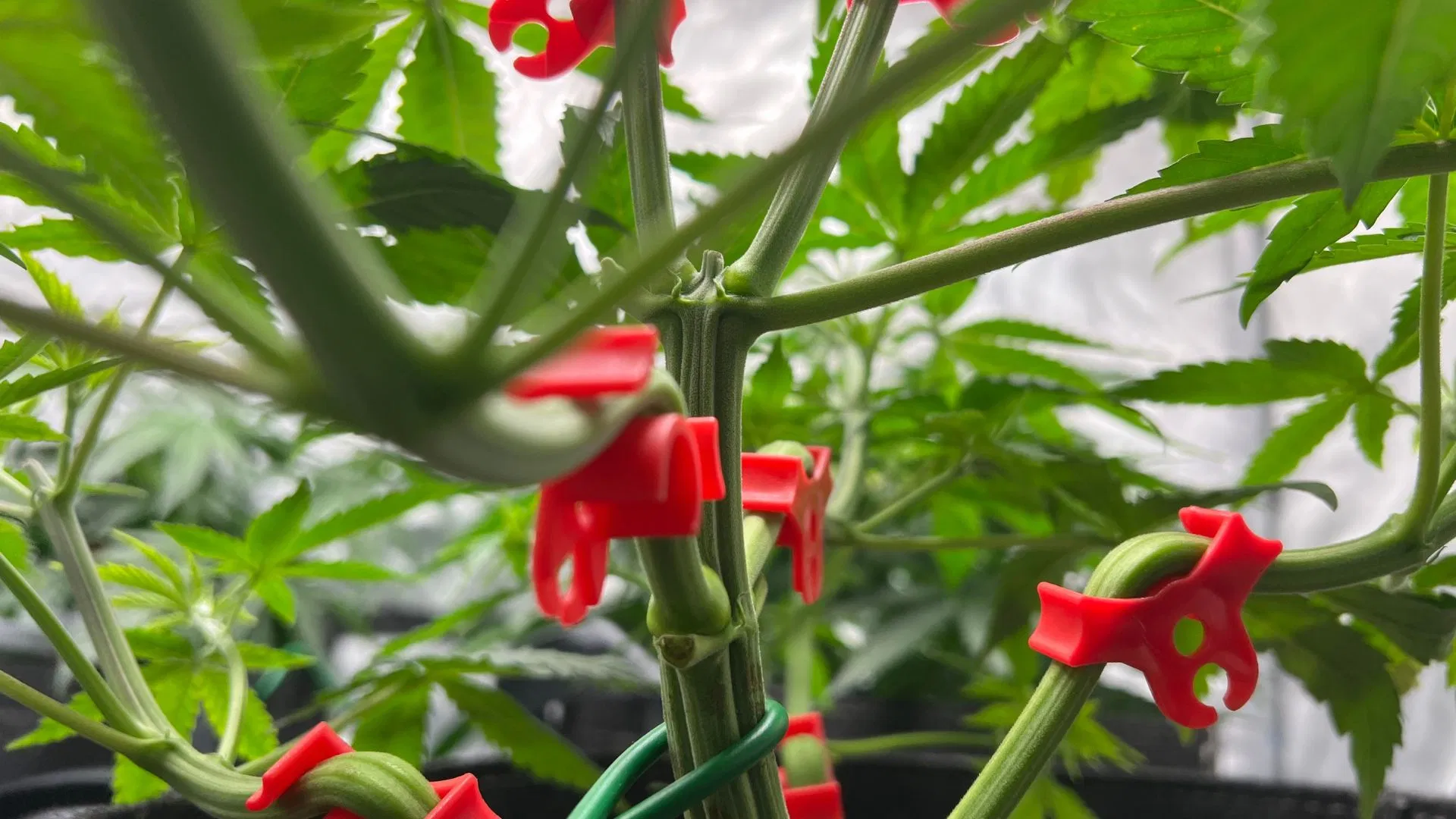
Advanced Tip: Keep an eye on the weather forecast and tidy up your plants before high winds arrive. Look for any vulnerable parts and aim to trim or tie these to avoid damage.
Mulching
Though not a direct windproofing technique, mulching can help prevent the drying out of your cannabis plants caused by winds. This slows down the evaporation of water from the growing medium. Maintaining soil moisture, it ensures your plants have enough water, even in windy conditions.
Be Gone With The Wind
High winds can spell trouble for your cannabis plants, but with so many ways to protect them, you’ve nothing to fear. The main thing is to consider your environment, know your climate, keep a close eye on the weather forecast, and be proactive. Your cannabis plants will thank you for it - preferably with a healthy, abundant harvest. And let's face it, that's a breath of fresh air we all can appreciate!