

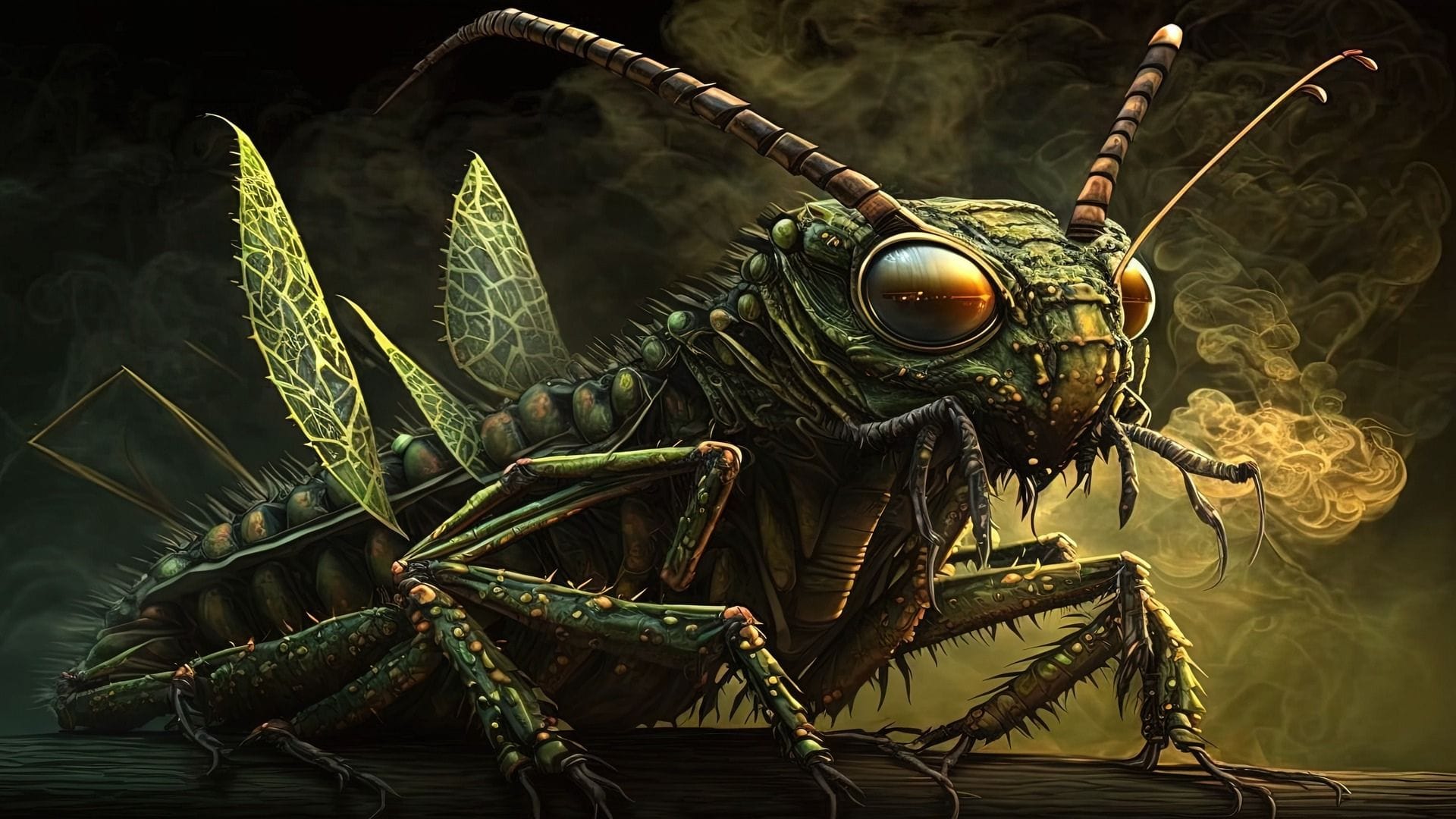
Growing cannabis in the great outdoors is extremely rewarding. The fresh air, the sounds and smells of nature – it’s a therapeutic pursuit at its very root. Unfortunately, there are perils to outdoor cannabis cultivation that can quickly turn joy into anguish should they strike at the heart of your plants. Plant diseases can wreak havoc on your crops, and that’s bad enough – but there’s also the risk of pests.
It’s a bugbear we could all do without – you’re tending your marijuana plants, and you suddenly see the evidence of unwanted assailants. If that’s not enough to spoil your mood, you’ll kick yourself when you realize there are steps you could have taken to prevent this. It pays to know how to make your plants less appealing to these critters, so in this article, we’ll explore what tempts bugs to your growing area and look at what you can do to fend them off.
Sterilize Your Substrate
A good place to begin involves sterilizing your substrate. This involves exposing it to high temperatures via steam to kill off any pests (and pathogens) lurking within, waiting to strike.
How it Works
It helps to think of steaming substrate the way you would think of applying the pasteurization process to milk. Exposing it to steam at a temperature of 160°F (roughly 70°C) for thirty minutes is enough to kill off all manner of insects and nematodes and deal with pathogenic fungi and harmful bacteria.

The downside of this is that, if your substrate is soil, steaming kills off good microbes as well as bad, so these have to be replenished afterwards to ensure active, healthy soil. If using an inert substrate such s rockwool or perlite, probiotic replenishment won’t be an issue.
Unfortunately, steaming the substrate takes time, energy, and equipment only some have the budget for - or access to. Nonetheless, it’s presented as a viable process in many forms of agriculture to kill off harmful agents hiding within.
Use Companion Plants
We’ve covered companion planting before, citing it as a superb way to build biodiversity in any garden. This is, after all, how nature works to create a balance. Rather than cultivating cannabis plants alone, sow compatible plants around your cannabis grow to create a rich ecosystem with many healthy plants and positive benefits. When it comes to fending off pests, companion planting excels in its ability to attract pests away from your cannabis - while at the same time drawing beneficial predators into your garden to deal with the unwanted insects. Some companion plants actually give off chemicals that work as natural pesticides, deterring certain pests and keeping them at bay.

Useful Companion Plants to Sow
Mint
Potent and aromatic, the fragrance of the mint plant is off-putting to many plant pests, so it’s worth your while growing some mint in the area near your cannabis to keep would-be assailants at bay. Since mint spreads quickly and intensely, it’s good practice to plant it in plots to keep it under control.
Lavender
Another valuable tool in your fight against pests, the strong-smelling lavender plant is downright disgusting to some insects. This makes it an excellent tool to repel them away from your cannabis. Fleas and ticks are among the insects thought to have an aversion to the scent of lavender.
Dill
Dill is a highly-rated pest deterrent, with a smell that scares off many common cannabis predators, including the much-hated spider mites, aphids, and caterpillars.
Basil
Another friend with benefits, Basil, has the double-whammy of repelling snails, slugs, and other pests while at the same time drawing beneficial predators into your garden.
These are just a few companion plants recommended to keep unwanted insects away from your cannabis; there are many more, but do your homework before planting, as many of these plants are seasonal. Timing when you sow your companions will significantly influence their efficacy as security guards.
Beneficial Insects
It may sound counter-intuitive to invite insects into your garden to stop insects coming into your garden, but before you dismiss the idea, consider this:
Many insects will patrol your garden and feed on common cannabis pests without taking any interest in your cannabis themselves.
Herein lies the beauty of companion plants, too, because they draw in both types of insects and the beneficial bugs will eliminate the bugs that would threaten your weed plants. Thrips, spider mites, aphids, caterpillars and fungus gnats are among your enemies when growing cannabis, as these are some of the most common plant munchers in the garden.
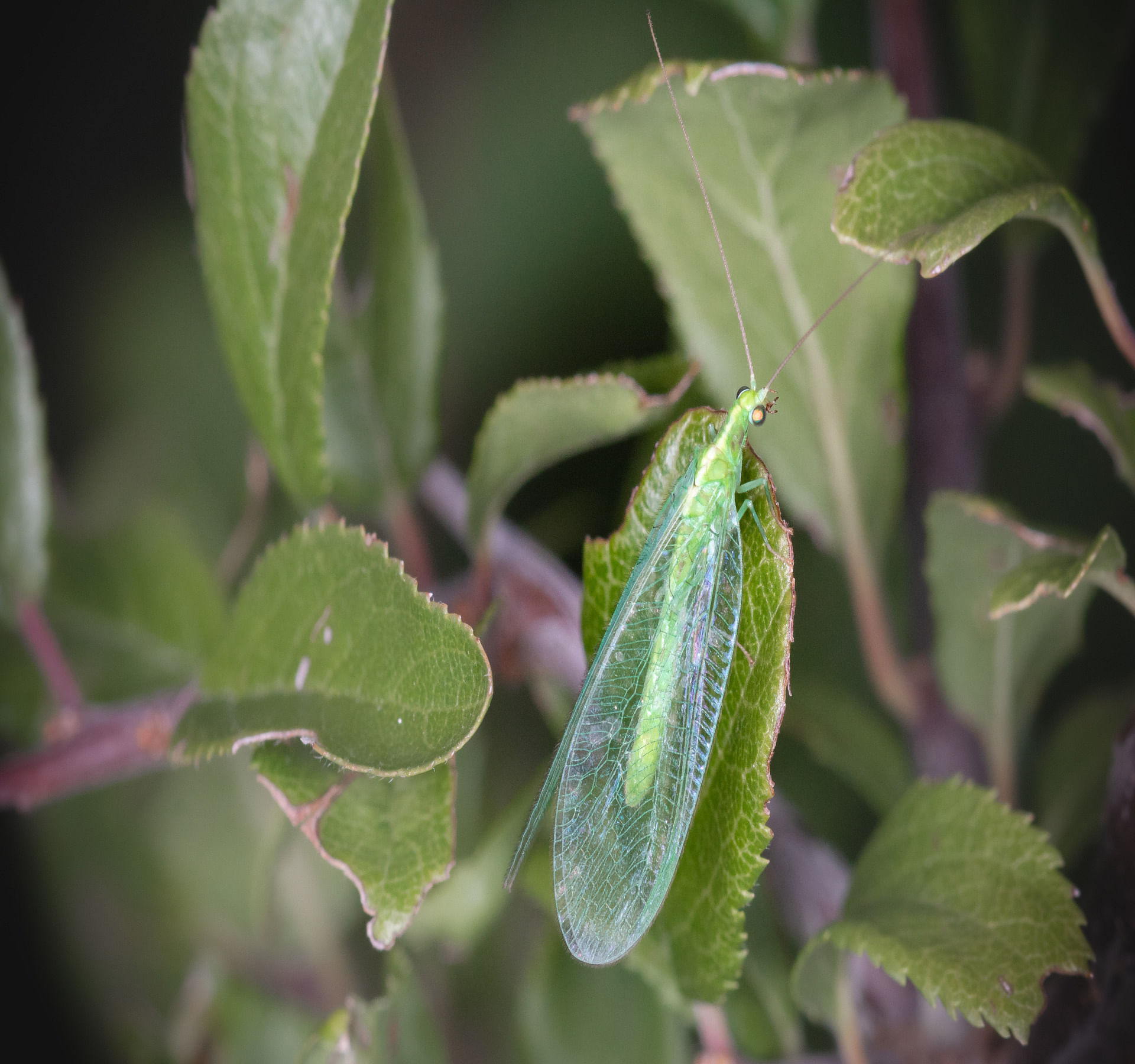
Fortunately, green lacewings, assassin bugs, ladybugs and others love nothing more than to gorge themselves on the aforementioned pests, reducing the population of unwanted insects quickly and quietly.
Beneficial insects can be encouraged into your garden via companion plants, but in some cases, you can obtain them from pet shops or via online retailers.
Use Diatomaceous Earth
If you’re looking to prevent ants from roaming toward your outdoor grow, diatomaceous earth is a good addition – but it requires careful use and caution when handling. Diatomaceous earth works by microscopic shards which tear at the cuticle of an insect’s exoskeleton upon contact. The result is a pretty gnarly demise for the insect as its body leaks oils and fats until it dries out, causing eventual death (Hey – we warned you it was gnarly!).
While diatomaceous earth sounds like an excellent way to keep certain pests away from your cannabis, there are two caveats to be aware of before putting it to use:
- Not all diatomaceous earth is the same. If you’re using it to fend off insects in your garden, you must only use ‘food grade’ diatomaceous earth. Other types of DE contain ingredients that can be extremely harmful if touched, ingested, or inhaled.
- Diatomaceous earth is only effective when dry. It must therefore be reapplied after every rain or heavy dew, or else it won’t work.
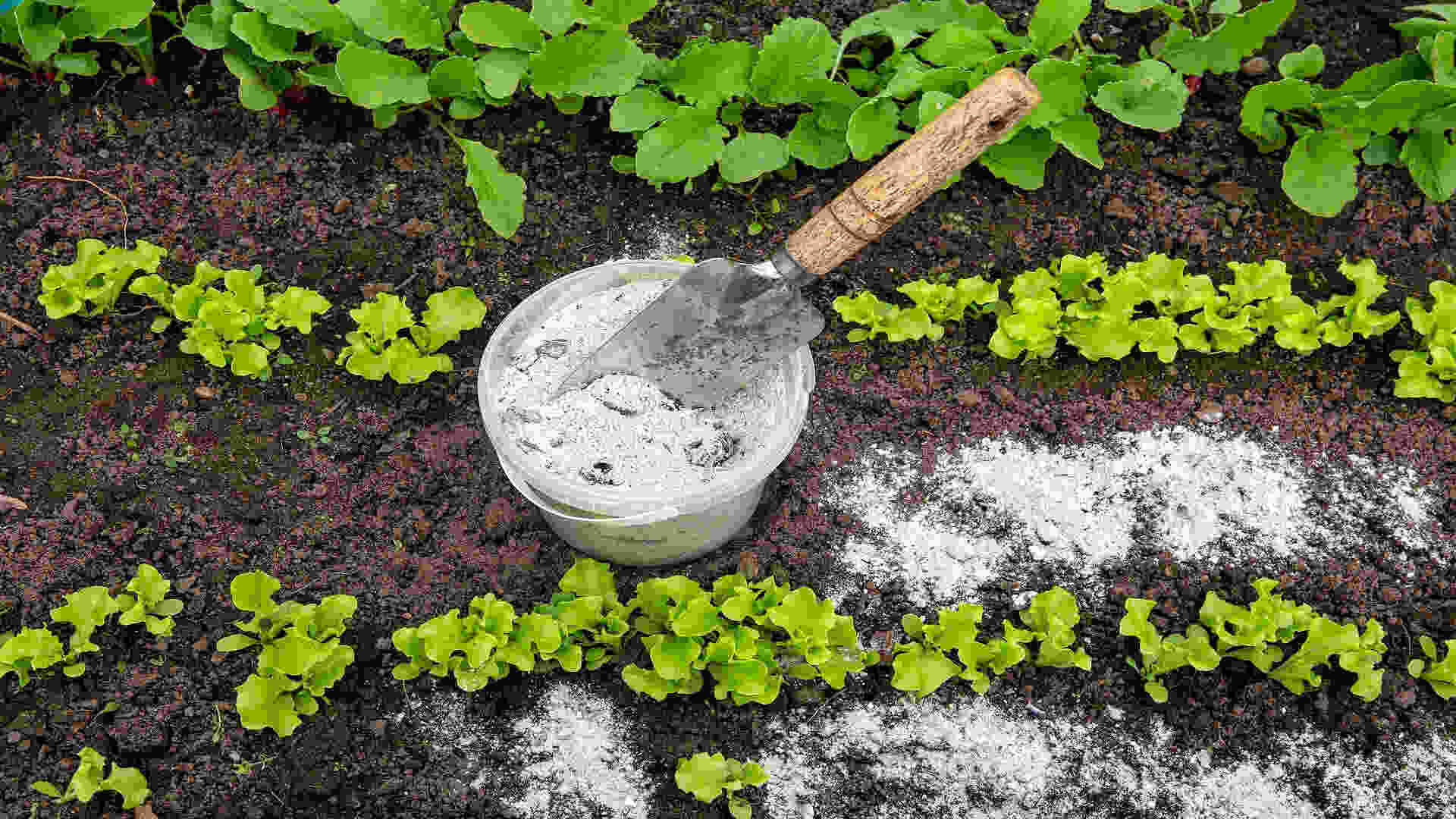
How to use Diatomaceous Earth to Eliminate Pests
Again, only use diatomaceous earth labelled ‘Food Grade’ in your garden. Sprinkle a light dusting of DE around areas where you see any bugs, on soil or paving around your plants. Avoid applying DE on breezy or windy days, otherwise, you may find it scattered in places you don’t want it.
Neem Oil
A popular organic treatment to keep pests off your plants without harming the plants themselves, neem oil has been a staple tool in the horticulturist’s belt for years - but it’s not without its detractors. While some gardeners swear by this natural insecticide, others are against misting their prized crops with this solution.
Using neem oil is thought to offer many benefits for cannabis cultivators, including:
- Targeting pests while miraculously leaving beneficial predators unharmed
- Helping fend off several common plant pathogens such as powdery mildew and other fungi
- Preventing or controlling root rot when applied to the growing medium

These benefits are highly appealing for outdoor growers, but care should be taken when using neem oil. It should be noted that this substance should be well diluted and only misted upon cannabis leaves and stems; don’t use it directly on buds, and stop using it a few weeks before harvest, as it will likely affect flavours otherwise.
How to prepare Neem Oil
Neem oil is best mixed with warm water and then allowed to cool before use. Hot water can cause the degradation of some beneficial compounds in the oil, and cold water can cause the oil to solidify. Oils don’t mix with water, so an additional agent is generally introduced to help this process.
- Mix a teaspoon of neem oil into 1 litre of water
- Add a few drops (4-5) of insecticidal soap to help the oil mix
- Some growers recommend standard household dish soap (non-phosphate) for this step, but an insecticidal soap is less likely to contain ingredients that could harm your plant.
- The final step is to use your mixture as a foliar spray, lightly misting with as fine a spray as possible over the leaves and stems. Neem oil users suggest repeating this step every ten days or so to provide a barrier against pests.
The argument against Neem Oil
If you’ve just read the above and have some reservations about using neem oil, you’re not alone. Neem oil is a perfectly acceptable treatment for many crops, but cannabis is different. When used on other crops like tomatoes, any residue - even mild - can be washed off. But you can’t run your cannabis under the tap to rinse off residues. There’s also a school of thought that says misting with neem oil will affect the taste of your cannabis, even when you cease application before harvest. Finally, many cultivators have misgivings about using neem oil due to its potential to cause trichome degradation.
Pheromone Traps
A neat and nifty solution to trap would-be plant assailants is to include pheromone traps in your garden. These ingenious devices emit pheromones that lure pests in, then detain them with powerful sticky pads. These sticky traps don’t exterminate an infestation but they help keep predators away from your cannabis crops and prevent swarming—a subtle but effective form of pest control.

A Combined Approach Works Best
A pest infestation in your cannabis garden is a headache you don’t want, and we’ve listed a fair few popular prophylactic measures for your consideration. What you choose is up to you, but to increase your chances of success, it’s best to employ a combined approach tailored to your circumstances. Commercial facilities will use different techniques than a small back door cannabis growers, but a two or three-pronged attack will provide a greater degree of protection than one method.
Consider using companion plants to strengthen the biodiversity of your garden, add beneficial insects, and then another layer of protection if necessary. It’s always best to employ organic means and avoid insecticides or anything chemical around cannabis plants, so protect your ladies safely.

