


As outdoor cannabis cultivation becomes increasingly popular, growers face the challenge of protecting their plants from heat stress. High temperatures and intense sunlight can lead to various issues, including wilting, reduced yield, and even plant death. This article will explore practical strategies to combat heat stress in cannabis plants outdoors. From proper watering techniques to using products like yucca, kelp, fulvic acid, silicon, and shade cloth, we'll guide you through essential practices to optimise plant health and maximise yields.
Understanding Heat Stress in Cannabis
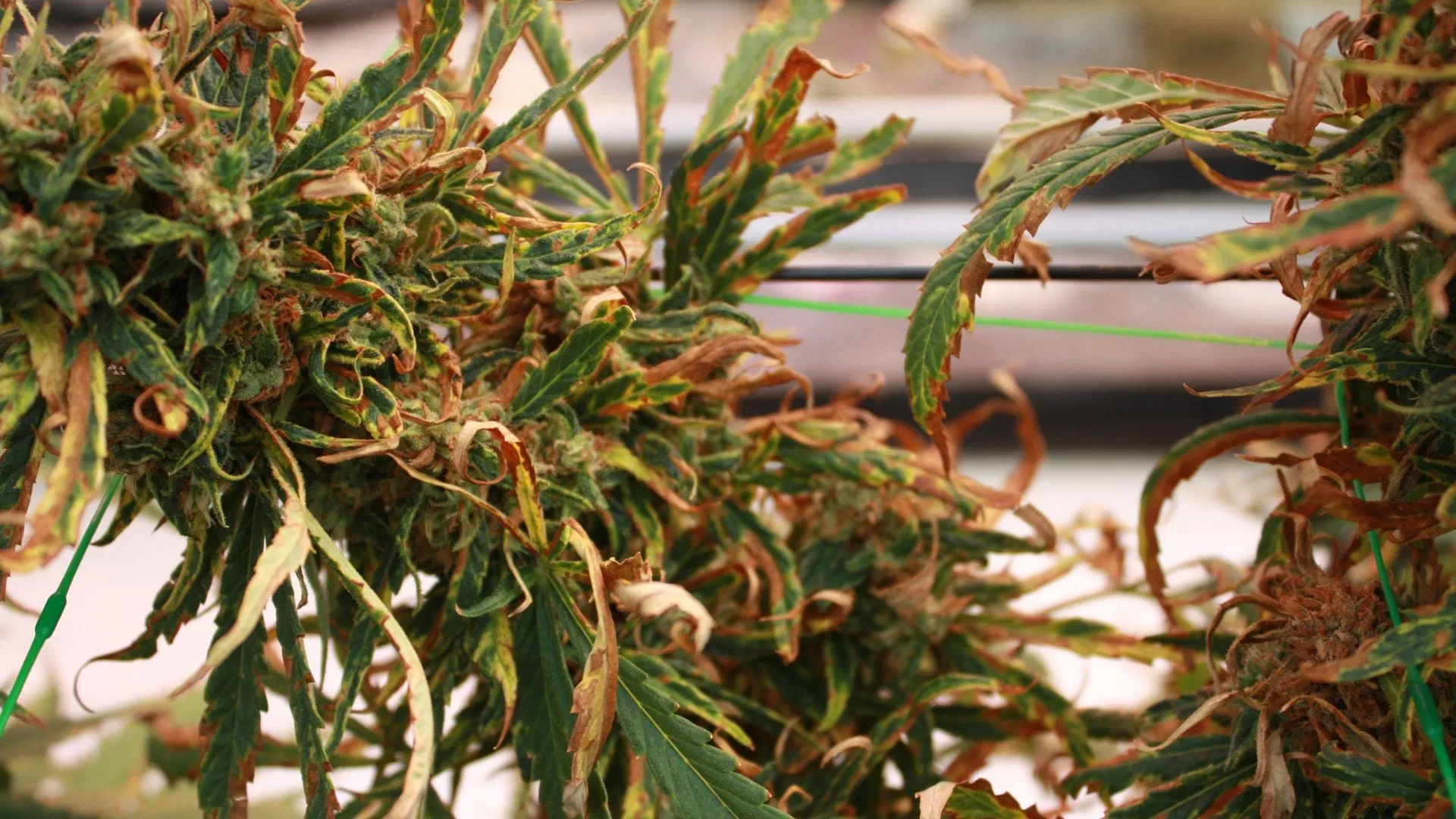
Heat stress occurs when cannabis plants experience excessively high temperatures, typically above 90°F (30°C), over prolonged periods. It can affect the plant's ability to perform critical physiological functions, such as photosynthesis and water uptake, especially in young plants that have just been moved outside or when temperatures fluctuate wildly. Extended periods of heat stress can lead to irreversible damage, stunted growth, and reduced resin production.

Watering Techniques for Heat Stress Management
Proper watering is crucial to help cannabis plants combat heat stress. Here are some effective techniques to consider:
Deep Watering: Instead of shallow and frequent watering, deeply saturate the soil to encourage profound root growth. This allows plants to access moisture from lower soil layers during hot weather.
Mulching: Apply a layer of organic mulch around the base of the plants to conserve soil moisture, prevent evaporation, and reduce soil temperature fluctuations.
Water Timing: Water your plants early in the morning or late in the evening to minimise water loss due to evaporation. Avoid watering during the hottest parts of the day, as leaves may burn when water droplets act as magnifying lenses.
Harnessing the Power of Yucca, Kelp, Fulvic Acid, and Silicon
Supplementing your plants with yucca, kelp, fulvic acid, and silicon can help them cope with heat stress and enhance their natural defence mechanisms. These compounds can increase the plant's superoxide dismutase (SOD) production, an enzyme that helps neutralise harmful free radicals caused by heat stress.
SOD is a powerful antioxidant, neutralising harmful free radicals generated during stressful conditions. When exposed to high temperatures, plants produce excess reactive oxygen species (ROS), damaging cellular structures and disrupting essential physiological processes.
SOD acts as the first line of defence against ROS by converting superoxide radicals into hydrogen peroxide, which is further detoxified by other enzymes. By reducing the levels of ROS, SOD helps maintain the plant's cellular integrity, preserves photosynthetic efficiency, and prevents oxidative damage.
In heat stress, supplementing plants with products that increase SOD activity, such as yucca, kelp, and fulvic acid, can enhance the plant's ability to cope with elevated temperatures and improve overall stress tolerance.

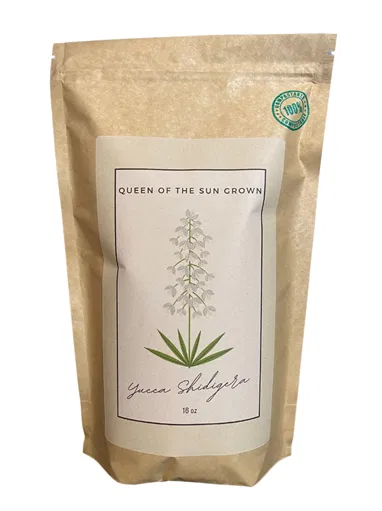
Yucca Shidigera Root Extract
Yucca extract is a valuable natural product that can provide significant benefits in combating heat stress in plants, including cannabis. Yucca contains natural plant compounds, including saponins, which have been shown to enhance a plant's stress tolerance.
When applied to cannabis plants experiencing heat stress, yucca extract helps in multiple ways.
1. It aids in regulating stomatal conductance, reducing water loss through transpiration and minimising the risk of dehydration.
2. Promotes the plant's ability to retain water by enhancing root development and increasing the plant's capacity to absorb moisture from the soil.
3. It contains saponins and growth hormones that can help stimulate overall plant vigour, improving resilience against environmental stressors, including high temperatures.
By incorporating yucca extract into your regimen, you can support your cannabis plants in maintaining their health, optimising water usage, and minimising the adverse effects of heat stress.
Kelp Extract
Kelp, a type of seaweed, offers several benefits in mitigating plant heat stress. It is rich in natural compounds, such as cytokinins, auxins, and gibberellins, which play essential roles in plant growth and stress response. Cytokinins promote cell division and enhance overall plant growth. By stimulating cell division, cytokinins help plants recover more quickly from heat stress and maintain active growth, even under challenging conditions.
Auxins regulate plant growth and development. These compounds can promote root growth, enabling plants to access water and nutrients more efficiently, thus enhancing their ability to withstand heat stress.
Gibberellins help promote stem elongation and leaf expansion, improving photosynthetic activity and overall plant resilience. This can be particularly beneficial during heat stress when plants experience reduced growth rates and limited leaf area due to water conservation strategies.

Fulvic Acid
Fulvic acid, a natural organic compound derived from humus, offers valuable benefits in mitigating plant heat stress. When applied to cannabis, fulvic acid acts as a biostimulant, positively influencing various physiological processes. During heat stress, fulvic acid can provide crucial support to enhance plant resilience and reduce the adverse effects of high temperatures.
Fulvic acid facilitates the uptake and transportation of essential nutrients, including minerals and trace elements, within the plant. This improved nutrient availability and transport are crucial during heat stress when plants may experience reduced nutrient uptake due to limited root activity. By ensuring an adequate supply of nutrients, fulvic acid helps to maintain vital metabolic functions, enhance plant growth, and optimise overall plant health during challenging conditions.
This organic compound is also a natural chelator, forming complexes with essential nutrients and making them more available for plant uptake. This chelation process assists in preventing nutrient deficiencies that can occur during heat stress and supports the plant's ability to maintain normal physiological functions.
Fulvic acid aids in water retention and enhances the plant's water-holding capacity. It improves soil structure, allowing for better water penetration and reducing water runoff. This helps alleviate water stress and minimise the risk of dehydration during high temperatures.
Silicon
Applying silicon through foliar sprays can significantly mitigate heat stress in cannabis plants. Silicon is known to enhance the plant's natural defence mechanisms, making it more resilient to environmental stressors, including high temperatures. It strengthens cell walls, improving the plant's structural integrity and reducing water loss through transpiration. It also promotes the efficient uptake and distribution of nutrients, ensuring the plants have the necessary resources to withstand heat stress.
Utilising Shade Cloth for Temperature Control
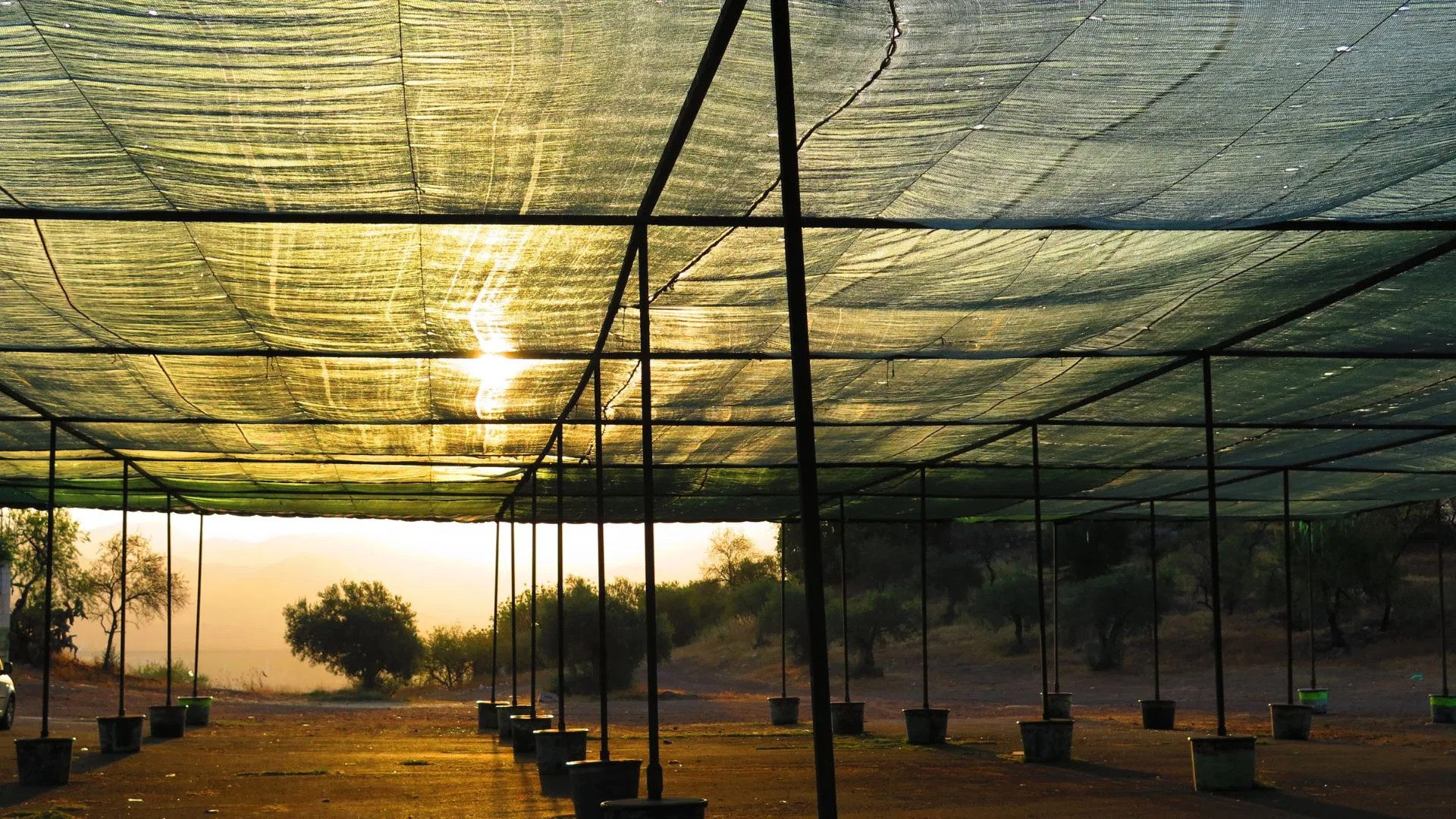
Shade cloth is a valuable tool for mitigating heat stress in cannabis plants. It helps regulate light intensity and temperature by reducing direct sunlight exposure. When choosing shade cloth, select materials with a suitable shade percentage (around 30-50%) that provide ample protection without hindering photosynthesis. Install the shade cloth above the plants, ensuring adequate airflow to prevent excess humidity and the risk of fungal diseases.
Maximising Air Circulation and Ventilation
Proper air circulation is vital to dissipate heat and maintain an optimal microclimate around your cannabis plants. Consider the following measures:
Pruning: Trim lower foliage and unnecessary branches to improve airflow and reduce the risk of heat-trapping humidity pockets.
Ventilation Fans: Install fans strategically to create a gentle breeze that aids in cooling the plants and reducing the chances of mold or mildew growth (for greenhouse growing).
Companion Planting: Introduce companion plants, such as aromatic herbs or low-growing flowers, which can increase soil moisture retention while repelling pests.
Monitoring and Responding to Heat Stress Signs
Regular monitoring is crucial for identifying early signs of heat stress in cannabis plants. Look for wilting, leaf curling, discolouration, and reduced growth rates. If symptoms arise, take immediate action by implementing the strategies above, adjusting watering schedules, and providing extra shade if necessary.
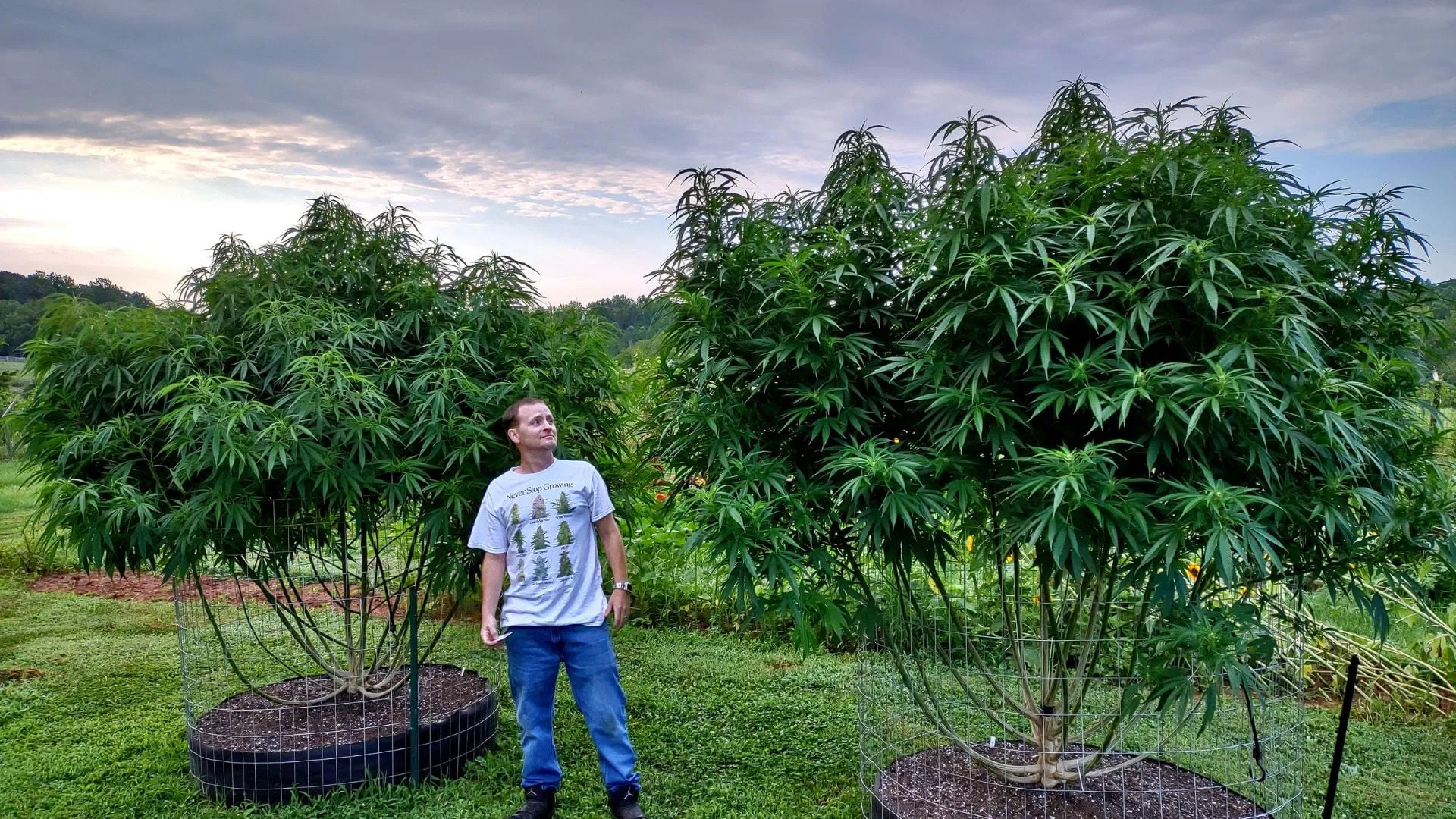
Plant in the Ground
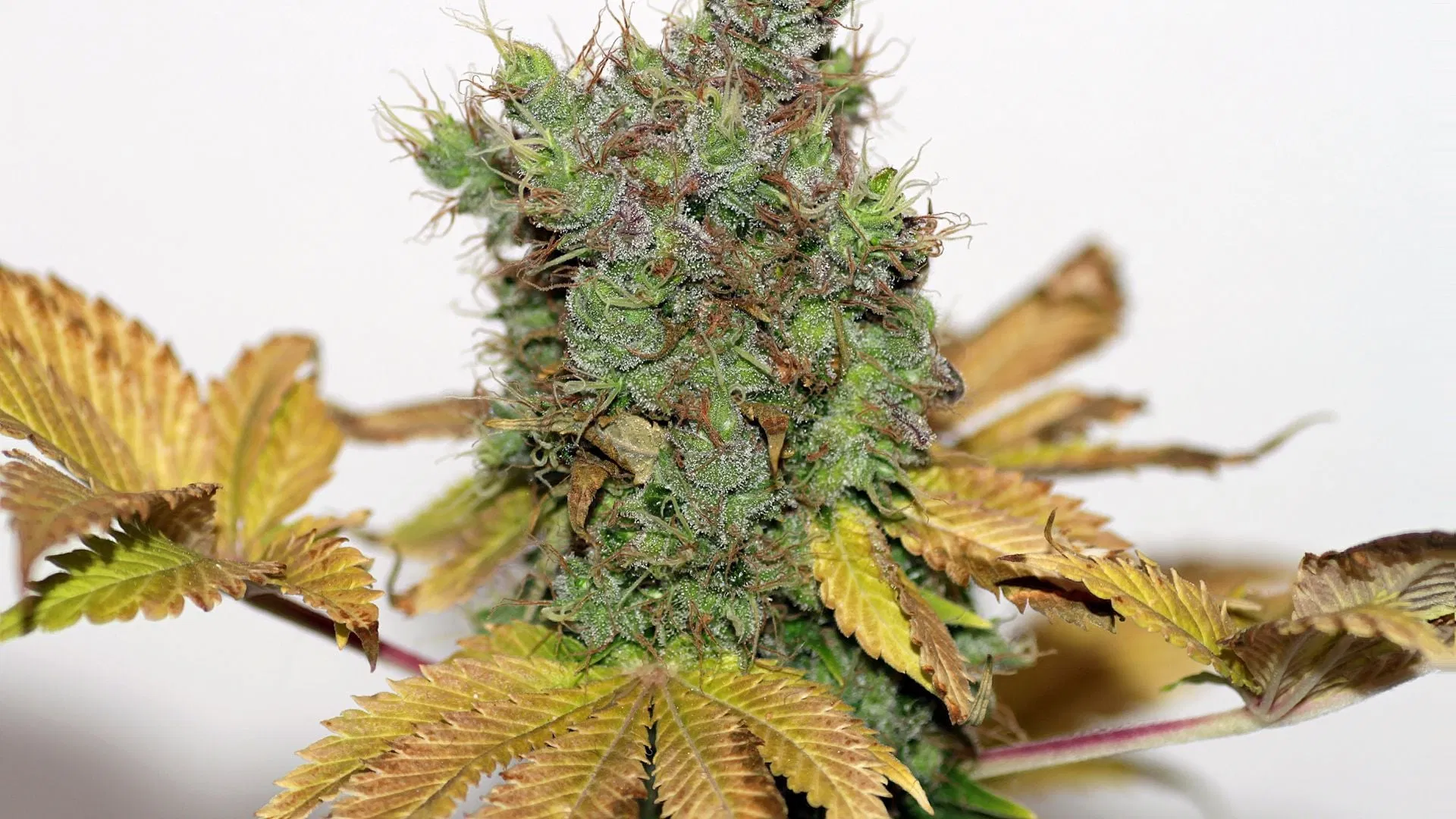
Planting cannabis directly in the ground is an effective strategy to reduce heat stress and promote plant resilience. When cannabis is grown in the environment, the soil acts as a natural buffer against extreme temperatures, helping to regulate the plant's root zone temperature.
The ground retains moisture better than containers, allowing for more stable soil moisture levels and reducing the risk of dehydration during hot weather. Additionally, the larger soil volume in the ground provides a greater capacity for nutrient storage, ensuring a more consistent supply of essential elements to support plant growth and development.
Planting directly in the ground allows for better root development and deeper root penetration, enhancing the plant's ability to access water and nutrients from lower soil layers. This deep root system enables plants to tap into moisture reserves during heat stress, reducing their reliance on surface-level water sources.
Planting cannabis directly in the ground provides a natural advantage in heat stress management, promoting better plant health and helping plants withstand high temperatures more effectively.

Choose Optimal Genetics for High Temperatures
Growing cannabis strains specifically adapted to high temperatures is a strategic approach to combat heat stress and optimise cultivation in hot climates. Seedsman offers a diverse selection of genetics known for their resilience and ability to thrive in hot environments.
By selecting and cultivating these heat-tolerant strains, growers can maximise their chances of success in regions with hot climates. These strains have been carefully developed and stabilised to exhibit superior adaptability and resilience, making them an excellent choice for outdoor cultivation in areas prone to high temperatures.
Whether it's sativa-dominant or indica-dominant varieties, choosing genetics from seed banks like Seedsman can provide growers with the confidence and assurance of growing cannabis strains that are well-suited to thrive in challenging heat stress conditions.
There are several cannabis strains known for their ability to thrive in high-temperature environments. Here are a few examples:
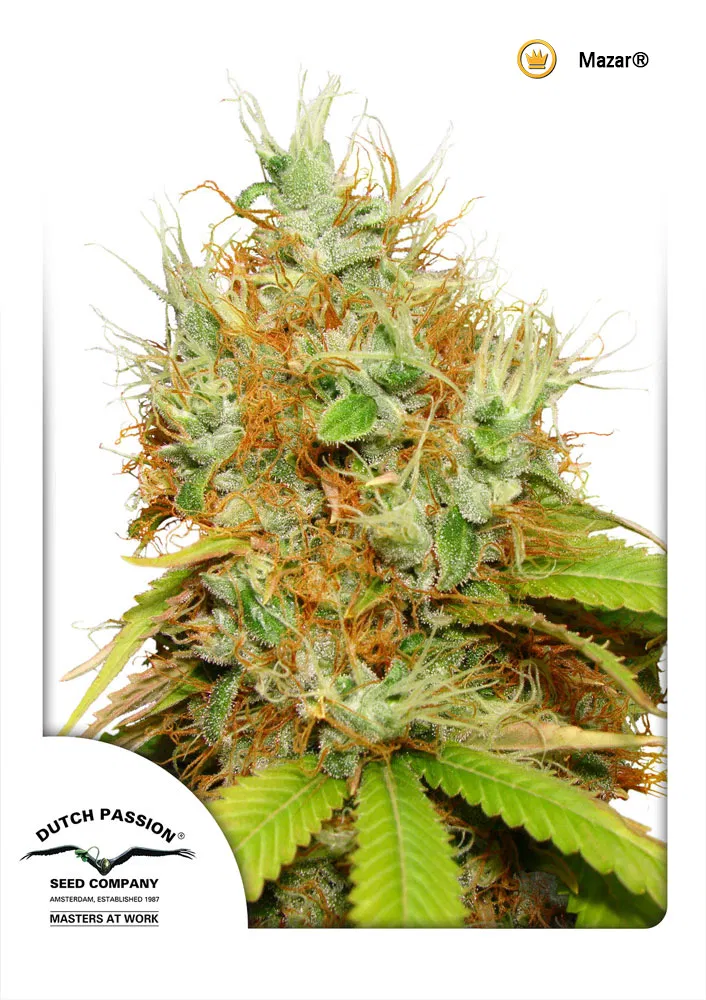
Mazar
Mazar grows squat with a Christmas tree shape that produces plenty of side branches giving many bud sites. It is a hardy plant with great hybrid vigour and is, therefore, a good choice for new growers as it is difficult to mess up. Its Afghan and Skunk genetics serve it well in the sunshine, thriving in the heat while offering plenty of flexibility.
Purple Ghost Candy
Purple Ghost Candy is an exciting cross between Ghost OG and one of the very best recent Purple cuts, viz. Candyland Purple. Purple Ghost Candy is 60% sativa with 40% indica genetics. It's a hardy plant with great heat resistance, exploding in pink and purple hues when cared for and given plenty of sun, nutrients and love!



Thai Chi
Thai Chi is a sativa/indica hybrid (70%/30%) bred from a pure sativa Thai strain from the Chiang Mai region in northwestern Thailand close to the border with Myanmar (Burma), and Ace Seeds' Kali China. It is an F1 hybrid with all the growth vigour that suggests. Its high resistance to both hot and cold weather as well as different types of mould, means that it can be grown successfully outdoors up to latitude 47°. Two main pheno-types are produced. The first is the Thai one, which smells of incense and seasoned wood, while the Kali China pheno is much more fruity in character with sour notes.

It's important to note that while these strains have demonstrated resilience to heat stress, proper care and cultivation techniques are still crucial in optimising their performance in high-temperature environments. Growers should consider regional climate factors and select strains best suited for their specific location and growing conditions.
Conclusion
Heat stress can significantly impact the health and productivity of outdoor cannabis plants. By adopting appropriate strategies such as proper watering techniques, incorporating yucca, kelp, and fulvic acid supplements, utilising shade cloth, enhancing air circulation, and planting in the ground, growers can effectively protect their plants from heat stress.
Remember to consistently monitor your plants, respond promptly to signs of stress, and adapt your cultivation practices as needed. With careful attention and proactive measures, you can optimise your cannabis crop's resilience and achieve exceptional yields.