

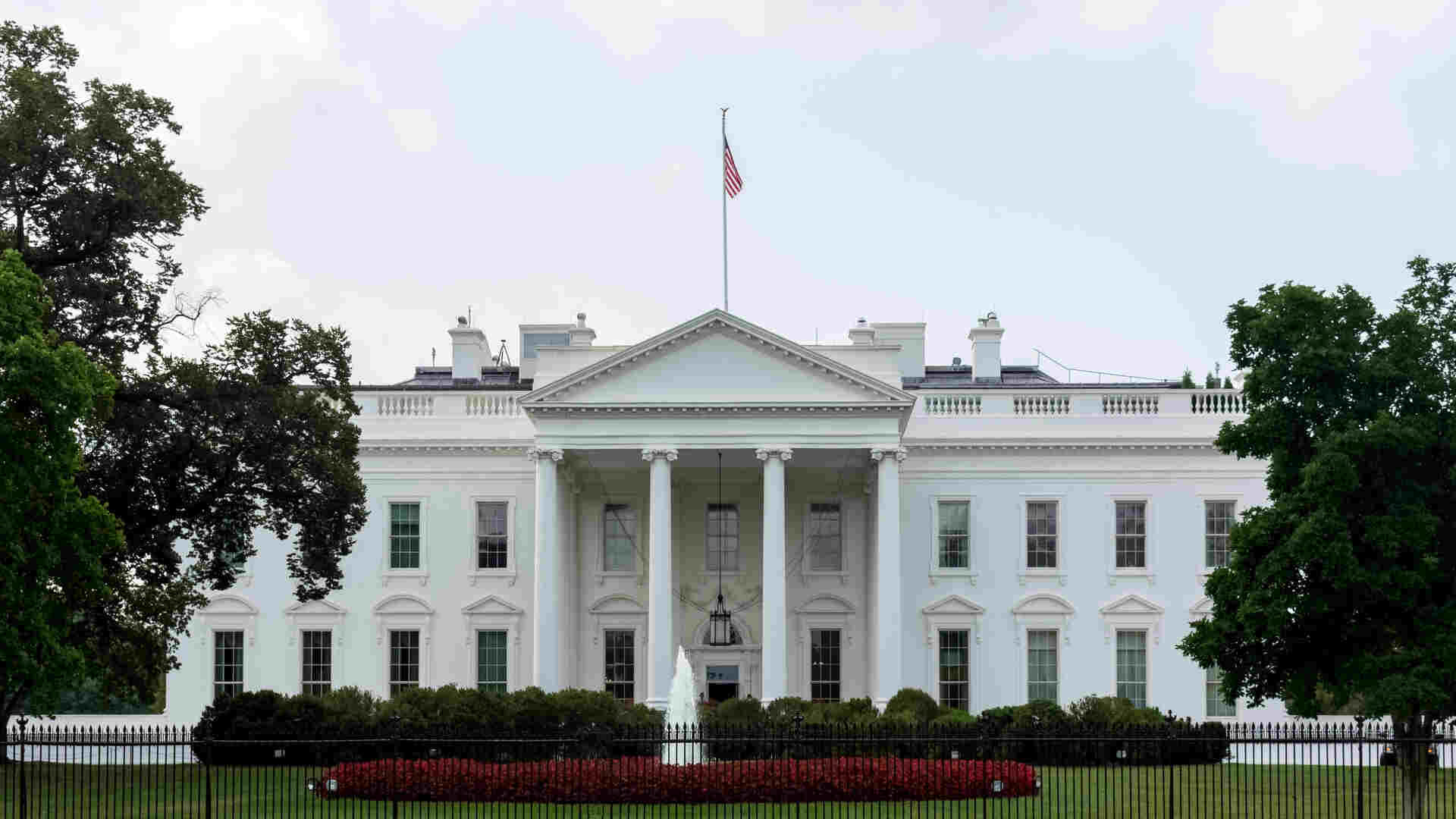
In a move described by advocates as the most significant shift in federal cannabis policy in decades, President Donald Trump has signed an executive order directing federal agencies to complete the administrative process of rescheduling marijuana under the U.S. Controlled Substances Act, marking a significant - though not immediate - shift in federal cannabis policy.
The order instructs the Department of Justice and the Drug Enforcement Administration (DEA) to move forward with reclassifying marijuana from Schedule I, where it has sat for decades, to Schedule III. Schedule I substances are defined as having no accepted medical use and a high potential for abuse, while Schedule III substances are recognized as having accepted medical uses and a lower potential for abuse.
It’s an important distinction - and an important moment - but it’s also one that requires careful interpretation.
What the Executive Order Does - and Does Not - Do
The executive order does not immediately change federal law. Marijuana does not become Schedule III simply because the order was signed. Instead, it directs federal agencies to finalize an existing administrative process, which includes regulatory review, public notice, and the publication of a final rule by the DEA. Until that process is completed, marijuana technically remains a Schedule I substance under federal law. The order also does not legalize recreational cannabis at the federal level, nor does it automatically alter federal criminal penalties or enforcement priorities. Congressional action would still be required for full federal legalization or descheduling.
For cultivators and consumers in state-legal markets, this distinction matters. The executive order signals direction and intent - not instant legal change.
Why Rescheduling Matters
If the rescheduling process is completed, it would represent the first time the federal government formally recognizes marijuana as having accepted medical use. That shift could have meaningful downstream effects.
For the cannabis industry, rescheduling may eventually:
- Allow state-legal cannabis businesses to deduct ordinary business expenses currently barred under IRS Section 280E
- Improve access to traditional banking and financial services
- Reduce barriers to clinical and observational research
However, these outcomes are not automatic. How rescheduling affects taxation, banking, and enforcement will depend on how federal agencies implement the change and how courts interpret it.
A Clear Emphasis on Medical Research

One of the most concrete elements of the executive order is its focus on research. The order directs the Department of Health and Human Services, the FDA, and other federal agencies to expand cannabis and cannabinoid research using both clinical studies and real-world evidence. The stated goal is to better inform physicians, patients, and regulators about the medical use of marijuana and cannabis-derived compounds - an area long constrained by Schedule I restrictions. The order also calls for continued collaboration with Congress on developing a regulatory framework for hemp-derived cannabinoid products, including full-spectrum CBD. These efforts are policy directions rather than finalized rules, and any resulting programs would require further regulatory action.
What This Means for Access - and Home Growing
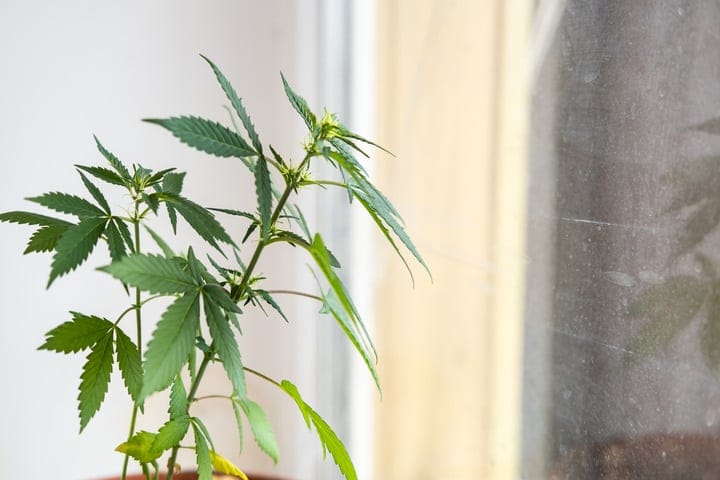
Even if marijuana is ultimately rescheduled, access and affordability will remain unresolved issues for many consumers. Rescheduling does not guarantee lower prices, insurance coverage, or consistent availability across states.
That reality is why home cultivation continues to matter.
For decades, individuals have grown cannabis for personal use - where permitted by law - as a way to manage cost, maintain consistency, and understand what they are consuming. Home cultivation offers a level of transparency and self-sufficiency that retail markets do not always provide. As federal policy evolves, the role of homegrown cannabis as an accessible form of herbal medicine is unlikely to disappear. In many cases, it remains the most affordable option available to individuals.
Further Reading:Homegrown Weed vs Dispensary: A Complete Compairson of Medical and HomeGrown Cannabis
A Separate Regulatory Clock: November 2026
While attention is focused on marijuana rescheduling, another major federal change is already scheduled. Under legislation passed in late 2025, significant changes to the federal definition of hemp-derived products are set to take effect in November 2026. These changes tighten limits on total THC content per product and exclude certain synthetic or converted cannabinoids from the definition of legal hemp. Unless Congress or regulators act before that deadline, many hemp-derived products currently on the market could lose legal status - even as marijuana policy moves in a more permissive direction.
The Bottom Line
For American growers, processors, and cannabis consumers, today’s executive order marks a paradigm shift in federal policy signaling that Washington is moving toward a more pragmatic view of cannabis. But implementation will take time, and parallel regulatory battles - from hemp product definitions to FDA oversight of cannabinoid markets - will shape the industry well into 2026, and beyond.
At Seedsman, we’ve always believed that access starts with education and choice. As cannabis policy continues to evolve, home cultivation – where legally permitted – remains one of the most affordable and transparent ways for people to take control of what they grow and consume. By preserving genetic diversity and supporting growers with reliable seeds and trusted information, we aim to keep access to plant-based, herbal medicine practical and within reach, regardless of how the regulatory landscape changes.


