

Table of contents
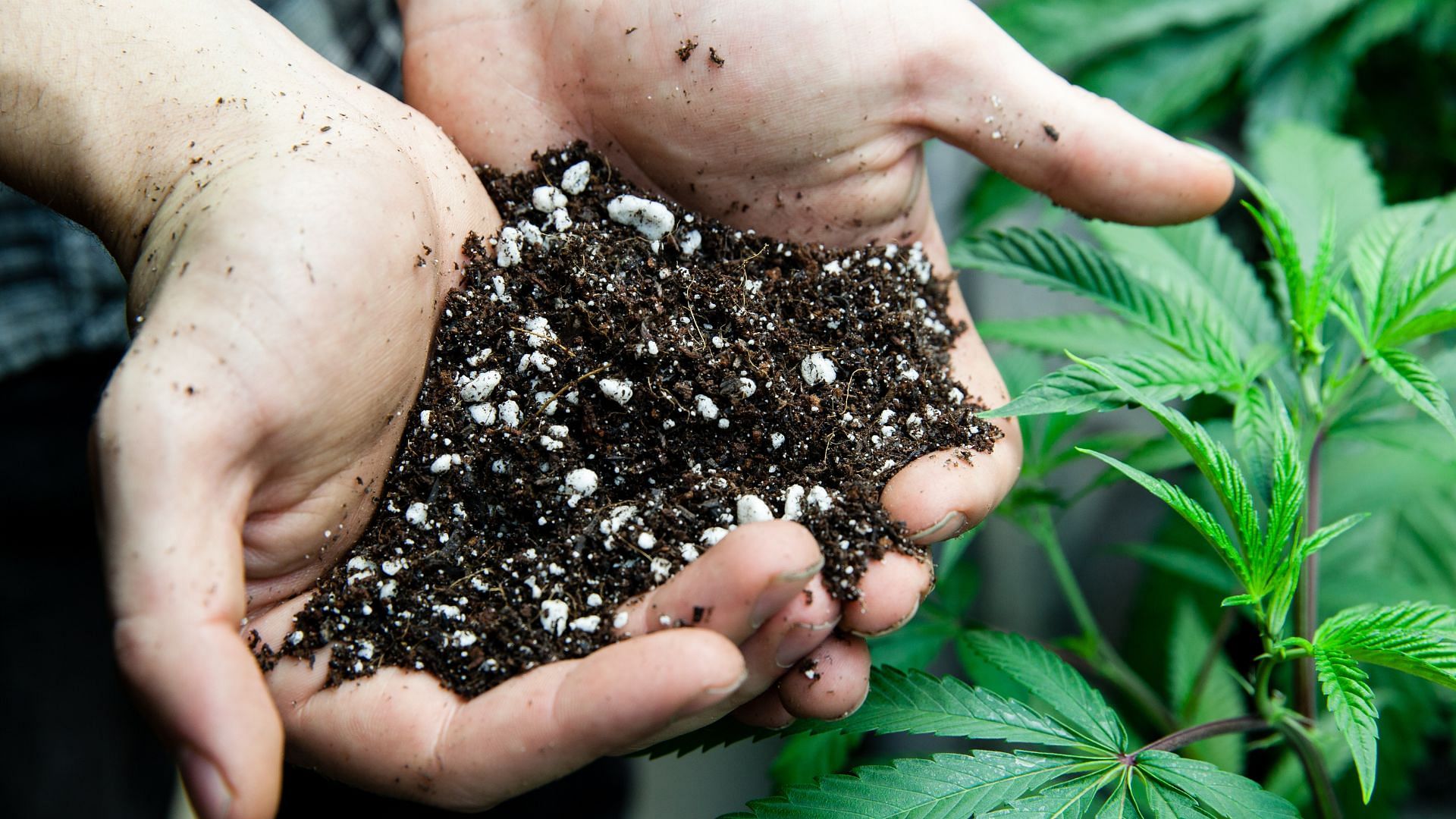
The business end of a cannabis plant may be above ground, but it’s down in the earth where all the magic happens. And because weed ain’t no ordinary houseplant, it needs something a little richer than just potting soil if it’s to produce decent bud.
Therefore, growers have two choices: either buy a ready-made soil specially designed for cannabis plant growth or generate their own homemade super soil.

Related Post
Organic Cannabis Soil - Making Your Own
What Is A Super Soil?
The term super soil gets thrown about a lot when cannabis growers get together, despite lacking a clear definition. Essentially, it refers to any soil recipe or mix containing the ideal ingredients for growing cannabis.
Different growers have their own soil recipes, but the best soil for cannabis usually consists of a base mix plus a load of amendments like guano, bone meal and worm castings. Ultimately, the goal is to provide cannabis plants with a mix that contains all the essential macronutrients and a broad spread of micronutrients.
More specifically, cannabis soils need to provide plants with the three major plant nutrients: nitrogen, potassium and phosphorus. Additional micronutrients like copper, iron, manganese and zinc can then be introduced using a range of weird and wonderful ingredients.
Just as importantly, a cannabis super soil must have the right texture, consistency, aeration and water retention properties. Additional amendments are therefore often thrown into the mix to improve the structure of the soil, ensuring it remains light and airy with good drainage while still holding a significant amount of water.
When the balance is right, your plants’ roots should have enough to drink without becoming waterlogged and starved of oxygen. Meanwhile, an abundance of nutrients and optimal pH makes the rest of the growing season an absolute doddle, as there’s really nothing more that needs doing apart from watering and harvesting when the time comes.

Key Ingredients And Amendments
Getting the base mix right is fundamental to providing the right soil for your cannabis plants. This will make up about a quarter to half of your final soil mix and should be well aerated, permeable and slightly acidic.
To make things easy, you could just pick up any organic soil from your local garden centre that matches the above description. Some more expensive products contain other ingredients like coco coir, peat moss and worm castings, so it’s worth splashing out a bit to get the perfect base for your soil.
Alternatively, you could make the base yourself. To do so, you’ll need to mix up some compost, organic material and aeration amendments in roughly equal measure. The compost you can either buy or make from kitchen scraps and garden waste. Bear in mind, though, that it can take over a year for this material to decompose and be ready to use, so you’ll need to plan well in advance.
Coco coir, perlite and vermiculite are all ideal ingredients to add to the base mix, as they help with water retention and drainage, creating the perfect soil texture for your cannabis plants.
Once the base is ready, you’ll need to start mixing in amendments to provide your plants with all the macronutrients and micronutrients they will need. Worm castings, for instance, provide nitrogen while also introducing loads of helpful bacteria, which help make nutrients more readily available for plants’ roots.
Bat guano, meanwhile, is a great source of both nitrogen and phosphorous, while wood ash and kelp meal provide potassium. Greensand is another excellent addition, as it slowly releases micronutrients like iron and silicon.
Creating the best soil for your cannabis plants also means establishing a thriving fungal community, which can be achieved by adding mycorrhizal amendments. These fungi form mutually beneficial relationships with plants’ roots and help to distribute nutrients through the soil.

Cannabis Soil Recipe 1
If you don’t have much composting experience, it may be best to start with a simple beginner’s mix. This means buying your base straight from a garden centre rather than making it yourself. Any neutral potting mix will do, but if you can get your hands on something that contains coco coir, perlite or guano, you’ll have a head start.
Next, add a generous helping of worm castings, equalling about 20 per cent of the total volume of soil you want to make. Extra bat guano should also be added, totalling five per cent of the final volume.
About a quarter of a teaspoon of mycorrhizal powder per gallon of soil should be plenty to kick-start that all-important fungal population and create a high-quality living soil. A quarter of a cup of kelp meal for every five gallons of soil, meanwhile, will provide a potassium boost.
| Ingredients | Potting mix Worm castings Bat guano Mycorrhizal powder Kelp meal |
| Method | - Combine worm castings and potting mix (20% of total volume) - Add bat guano (5% of the total volume) - Add 1/4 teaspoon of mycorrhizal powder per gallon of soil - Add 1/4 cup help meal per 5 gallons of soil |
Cannabis Soil Recipe 2
Rather than using potting soil, we’re going to take things up a notch by making our own base mix this time. To do so, you’ll want to combine one part coco coir, one part perlite, one part vermiculite and roughly 1.5 parts organic compost. This last ingredient can be bought from a garden centre or made at home, bearing in mind that a compost pile can take anywhere from a few months to a couple of years to be ready to use.
Be sure to mix the base well to achieve the right consistency before adding in the micronutrient amendments. For every five gallons of soil you end up with, mix in one-third of a cup of bat guano, kelp meal and alfalfa meal – the latter of which provides an extra nitrogen kick.
Depending on your compost's pH, adding some dolomite lime as an acidity regulator may be necessary. This handy ingredient contains magnesium and calcium and will raise the pH of an acidic soil to bring it into the optimal range for cannabis plants. Generally, about a quarter to a third of a cup of dolomite lime per five gallons of soil does the trick, but you may need to adjust this amount after consulting your pH meter.
About half a teaspoon of mycorrhizal powder per gallon will get the whole soil mix teaming with fungal life, ensuring express delivery of vital nutrients to plants’ roots.
At this stage, it’s worth mentioning that a super soil like this is way too rich for cannabis seeds or young seedlings, which should be started off in neutral soil and transplanted into your homemade mix once they have three or four nodes. Even larger plants can get burnt by such a hot mix, so be sure to give your soil several good soakings over a number of days to cool it off before putting anything in it.
| Ingredients | Coco coir Perlite Vermiculite Organic compost Bat guano Kelp meal Alfalfa meal Dolomite lime |
| Method | - Combine 1 part coco coir, perlite and vermiculite with 1.5 parts organic compost - Ensure the base is mixed well - Mix 1/3 cup of guano, kelp meal and alfalfa respectively in soil mix - Add 1/3 or 1/4 of dolomite lime depending on your ph - Add 1/2 teaspoon mycorrhizal powder |

Cannabis Soil Recipe 3
This next soil mix for cannabis plants was first shared by legendary breeder Dave Bowman, better known as Subcool. This recipe first popularised the term ‘super soil’ and continues to be used by weed growers worldwide.
The base mix consists of eight large (ten-gallon) bags of high-quality organic potting soil that contains coco fibre and mycorrhizae. To this, add 25 to 50 pounds of worm castings, five pounds of steamed bone meal (a great source of phosphorus) and five pounds of bat guano.
A further five pounds of blood meal provides a nitrogen boost, while three pounds of rock phosphate enhances the phosphorus content. A third of a cup of Epson salts helps to break down the nutrients in the soil gradually, and half a cup of dolomite lime regulates the pH of the entire mix.
A further half-cup of azomite provides cannabis plants with all the trace elements they may need, while two tablespoons of humic acid powder boost microbial activity and improve nutrient uptake.
This hot mix needs about one to two months to ‘cook’ before it can receive any plants. During this period, you’ll need to place your soil in a sealed container, opening it once a day to mix it all up and check that it’s still moist. Water your mix if it gets too dry, but don’t allow it to become waterlogged.
This process will stimulate the microbes and allow all the ingredients to dissolve so that the nutrients become available for use by your cannabis plants.
Et voilà!
| Ingredients | Potting soil Worm castings Steamed bone meal Bat guano Blood meal Rock phosphorate Epsom salts Dolomite lime Azomite Humic acid |
| Method | - Combine 25-50 lbs of worm castings, 5 lbs steamed bone meal and 5lbs of bat guano with potting soil - Add 5 lbs of blood meal and 3 lbs to rock phosphorate - Mix in 1/3 cup of epsom salts - Add 1/2 cup dolomite lime - Mix in 1/2 cup azomite - Add 2 tablespoons humic acid - Add mixture to sealed container/s - Leave mixture for 1-month minimum to combine - Open up mixture once a day to mix and ensure it remains moist, add some water if not |
Related Post
Indigenous Microorganisms - A Guide
The business end of a cannabis plant may be above ground, but it’s down in the earth where all the magic happens. And because weed ain’t no ordinary houseplant, it needs something a little richer than just potting soil if it’s to produce decent bud.
Therefore, growers have two choices: either buy a ready-made high-quality potting soil specially designed for cannabis plant growth or generate their own homemade super soil. But how can you make the best soil for cannabis at home? With any of these cannabis soil recipes! It takes a few ingredients and a little bit of effort to make your own growing medium, but the reward is well worth it.
What Is A Cannabis Super Soil?
The term 'super soil' gets thrown about a lot when cannabis growers get together, despite lacking a clear definition. Essentially, it refers to any potting soil recipe or mix containing the ideal ingredients for growing cannabis.
Different growers have their own cannabis soil recipes, but the best soil for cannabis usually consists of a base mix plus a load of amendments like guano, bone meal and worm castings. Ultimately, the goal is to provide cannabis plants with a mix that contains all the essential macronutrients and a broad spread of micronutrients.
More specifically, cannabis soil needs to provide plants with the three major plant nutrients: nitrogen, potassium and phosphorus. Additional micronutrients like copper, iron, manganese and zinc can then be introduced using a range of weird and wonderful ingredients you add to your cannabis soil recipes.

Just as importantly, a good cannabis soil must have the right texture, consistency, aeration and water retention properties. Additional amendments are therefore often thrown into the mix to improve the structure of the soil, ensuring it remains light and airy with good drainage while still holding a significant amount of water.
When the balance is right, your plant roots should have enough to drink without becoming waterlogged and starved of oxygen. Meanwhile, an abundance of nutrients and optimal pH makes the rest of the growing season an absolute doddle, as there’s really nothing more that needs doing apart from watering and harvesting when the time comes.
Is Regular Potting Soil Okay For Cannabis?
To make things easy, you could just pick up any organic soil from your local garden centre that matches the above description. Some more expensive products contain other ingredients like coco coir, peat moss and worm castings, so it’s worth splashing out a bit to get the perfect base for your soil.
Regular soil can be suitable for growing cannabis, especially for beginners or those looking for a convenient option. However, not all potting soils are created equal, and certain considerations should be taken into account when selecting a potting mix for cannabis cultivation.
Nutrient Content: Many commercial potting soils come pre-fertilized with nutrients to support plant growth. While this can be beneficial, it's essential to ensure that the nutrient levels are appropriate for cannabis. Some potting soils may contain high levels of nutrients, which can lead to nutrient burn or other imbalances in cannabis plants, particularly during the seedling or vegetative stages.
Drainage and Aeration: Proper drainage and aeration are crucial for the health of your cannabis plant roots. Some potting soils may be too dense or compacted, leading to poor drainage and limited oxygen availability for the roots. Look for potting soils that contain perlite, vermiculite, or other amendments to improve drainage and aeration.
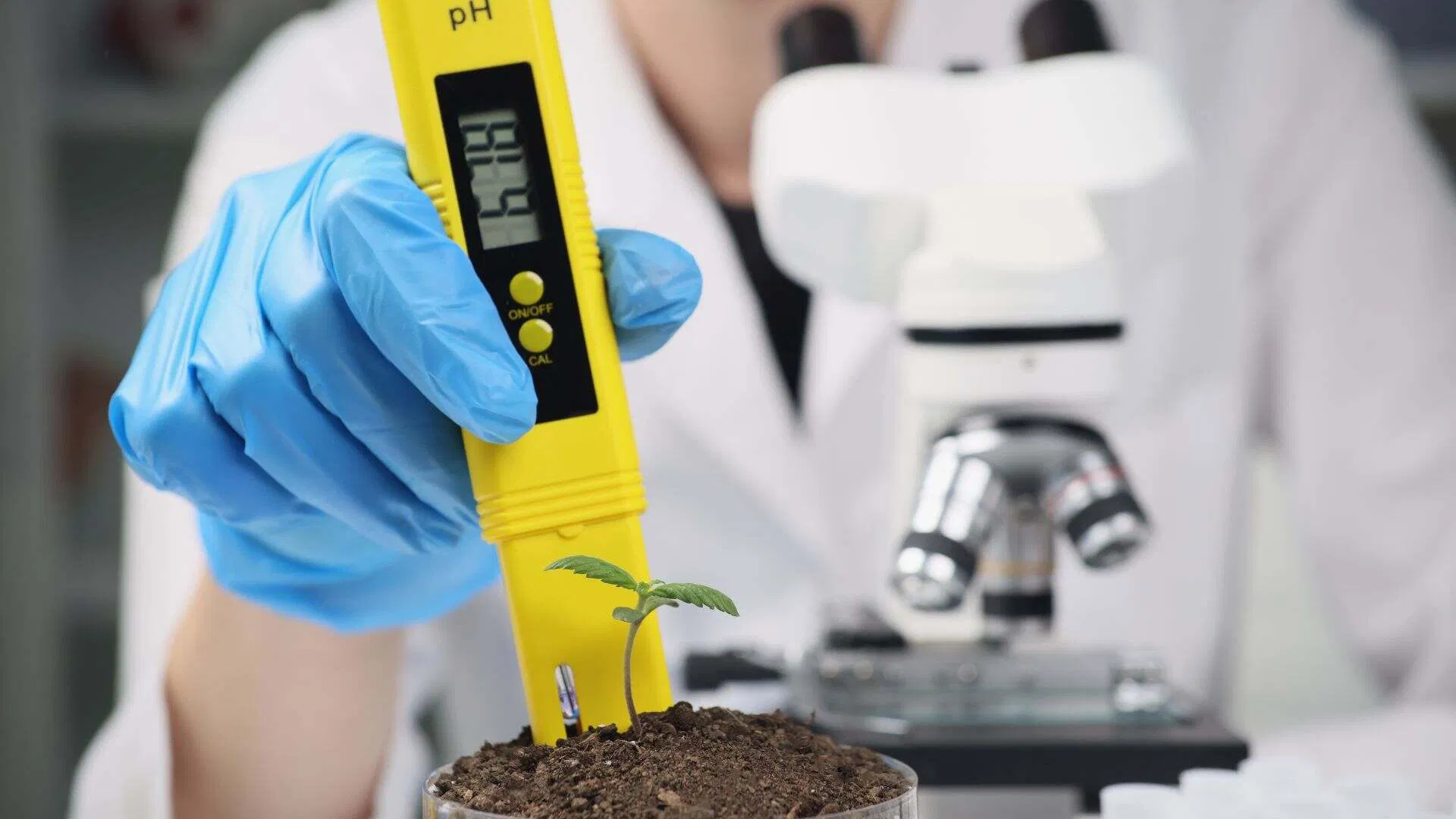
pH Balance: The pH of the soil can significantly impact nutrient availability to cannabis plants. While many potting soils are formulated to have a neutral pH, it's still a good idea to test the pH of the soil before planting cannabis. Adjustments may be necessary to ensure that the soil pH falls within the optimal range for cannabis growth (around 6.0 to 7.0).
Organic vs. Synthetic: Consider whether you prefer organic or synthetic soil. Organic soils contain natural ingredients and may be supplemented with organic fertilizers. Synthetic soils, on the other hand, are formulated with synthetic nutrients. Some growers prefer organic soils for their sustainability and potential benefits to soil health, while others may prefer synthetic soils for their precision and control over nutrient levels.
Quality and Brand: Not all soils are of equal quality. It's essential to choose a reputable brand known for producing high-quality potting mixes. Reading reviews and seeking recommendations from other cannabis growers can help you select a reliable product.
Alternatively, you could make the base yourself. To do so, you’ll need to mix up some compost, organic materials and aeration amendments in roughly equal measure. The compost you can either buy or make from kitchen scraps and garden waste. Bear in mind, though, that it can take over a year for this material to decompose and be ready to use, so you’ll need to plan well in advance.

Key Ingredients And Amendments
Getting the base mix right is fundamental to providing the best soil for cannabis plants. This will make up about a quarter to half of your final soil mix and should be well aerated, permeable and slightly acidic.
A good cannabis soil recipe includes ingredients such as Coco coir, perlite and vermiculite. These are ideal ingredients to add to the base mix, as they help with water retention and drainage, creating the perfect soil texture for your cannabis plants.
Once the base is ready, you’ll need to start mixing in amendments to provide your plants with all the macronutrients and micronutrients they will need. Worm castings, for instance, provide nitrogen while also introducing loads of helpful bacteria, which help make nutrients more readily available for plants’ roots.

Bat guano, meanwhile, is a great source of both nitrogen and phosphorous, while wood ash and kelp meal provide potassium. Greensand is another excellent addition, as it slowly releases micronutrients like iron and silicon.

Creating the best cannabis soil also means establishing a thriving fungal community, which can be achieved by adding mycorrhizal amendments. These fungi form mutually beneficial relationships with plants’ roots and help to distribute nutrients through the soil.
Which Soil Traits Are Most Important For Growing Cannabis?
When cultivating cannabis, the importance of soil cannot be overstated, as it serves as the foundation for healthy plant growth and robust yields. Several key soil traits play pivotal roles in fostering optimal conditions for cannabis cultivation. Understanding these traits can empower growers, especially those opting for homemade soil mixes, to tailor their mediums effectively.
First and foremost, cannabis thrives in well-draining soil. Excessive water retention can lead to root rot and other moisture-related issues, hindering plant health and productivity. Therefore, a cannabis soil mix with adequate drainage capabilities is paramount. Incorporating materials such as perlite, vermiculite, or coarse sand into the soil blend can enhance drainage, promoting oxygenation and preventing waterlogging.

Another crucial aspect of a good cannabis soil is its texture. A balance of texture facilitates proper root development and nutrient uptake. If you're putting together cannabis soil recipes, loamy soils, characterized by a harmonious blend of sand, silt, and clay particles, are often ideal for cannabis cultivation. This texture allows for sufficient aeration while retaining moisture and nutrients, offering an optimal environment for root expansion and overall plant vitality.
Furthermore, soil pH significantly influences nutrient availability and uptake in marijuana plants. While cannabis typically thrives in slightly acidic to neutral pH ranges (around 6.0 to 7.0), deviations from this range can impede nutrient absorption, leading to deficiencies or toxicities. Regular monitoring and adjustment of soil pH through the use of pH meters or amendments such as dolomite lime or sulfur are crucial for maintaining optimal growing conditions.
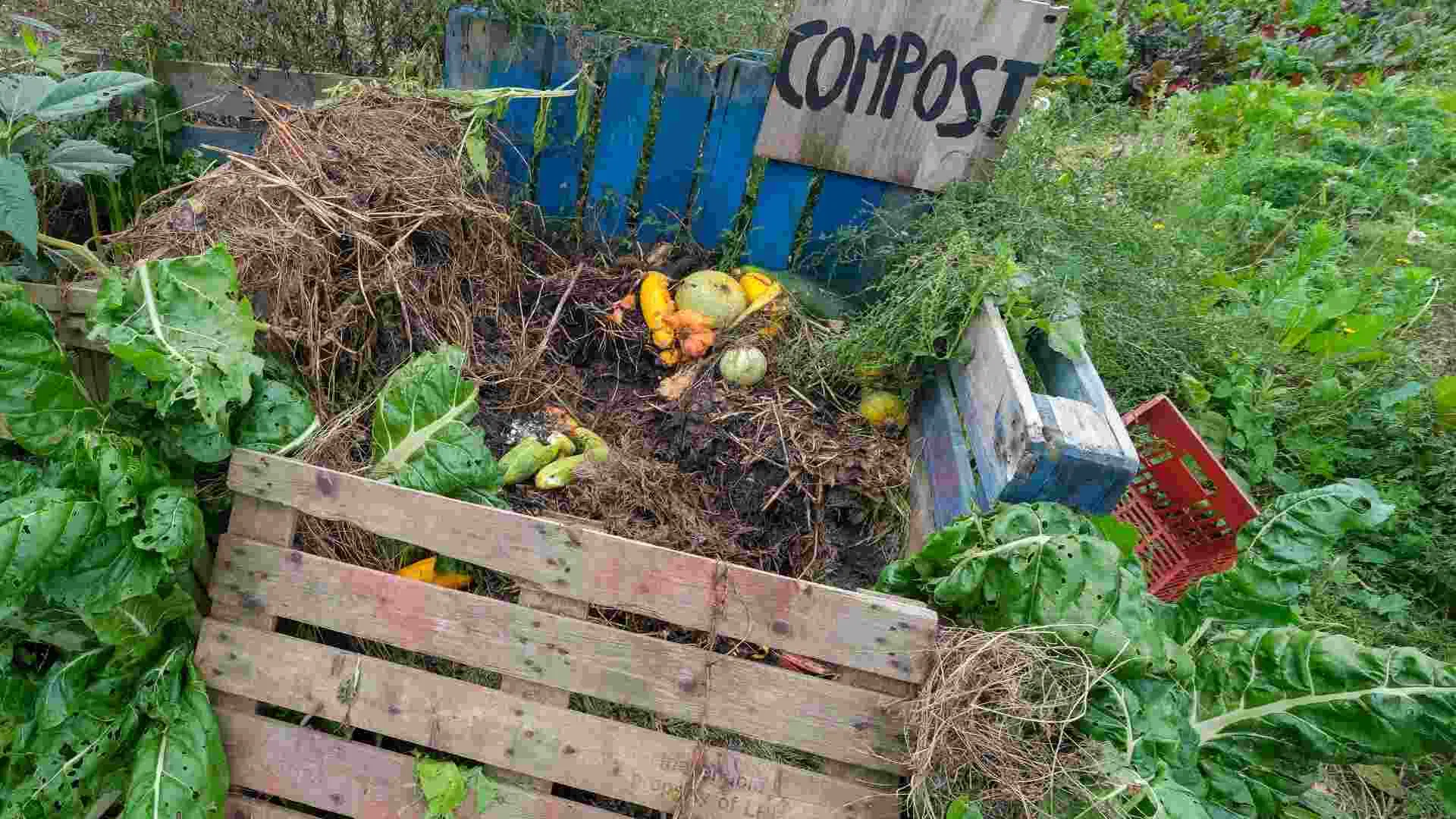
In addition to drainage, texture, and pH, organic matter content is a vital consideration in cannabis soil formulation. Organic matter provides essential nutrients, fosters beneficial microbial activity, and improves soil structure over time. Compost, aged manure, and various organic amendments enrich the soil, promoting nutrient cycling and overall soil health. Homemade compost can be particularly advantageous, as it allows growers to recycle organic waste while customizing nutrient profiles to suit their plants' needs.
Lastly, soil fertility plays a pivotal role in cannabis cultivation. A well-balanced nutrient profile, encompassing macronutrients such as nitrogen, phosphorus, and potassium, as well as micronutrients like calcium, magnesium, and trace minerals, is essential for robust growth and abundant flowering. Organic fertilizers, such as compost teas, fish emulsion, and bone meal, offer a sustainable approach to nourishing cannabis plants while enhancing soil fertility and microbial activity.
With that in mind, here's three cannabis soil recipes to give your plants the best chance.
Organic Potting Soil Mix Recipe 1
If you don’t have much composting experience, it may be best to start with a simple beginner’s mix. This means buying your base straight from a garden centre rather than making it yourself. Any neutral potting mix will do, but if you can get your hands on something that contains coco coir, perlite or guano, you’ll have a head start.
Next, add a generous helping of worm castings, equalling about 20 per cent of the total volume of soil you want to make. Extra bat guano should also be added, totalling five per cent of the final volume.

About a quarter of a teaspoon of mycorrhizal powder per gallon of soil should be plenty to kick-start that all-important fungal population and create a high-quality living soil. A quarter of a cup of kelp meal for every five gallons of soil, meanwhile, will provide a potassium boost.
Ingredients You'll Need To Make The Soil
Potting mix
Worm castings
Bat guano
Mycorrhizal powder
Kelp meal
How To Make The Soil
- Combine worm castings and potting mix (20% of total volume)
- Add bat guano (5% of the total volume)
- Add 1/4 teaspoon of mycorrhizal powder per gallon of soil
- Add 1/4 cup kelp meal per 5 gallons of soil
Organic Potting Soil Mix Recipe 2
Rather than using potting soil, we’re going to take things up a notch by making our own base mix this time. To do so, you’ll want to combine one part coco coir, one part perlite, one part vermiculite and roughly 1.5 parts organic compost. This last ingredient can be bought from a garden centre or made at home, bearing in mind that a compost pile can take anywhere from a few months to a couple of years to be ready to use.
Be sure to mix the base well to achieve the right consistency before adding in the micronutrient amendments. For every five gallons of soil you end up with, mix in one-third of a cup of bat guano, kelp meal and alfalfa meal – the latter of which provides an extra nitrogen kick.
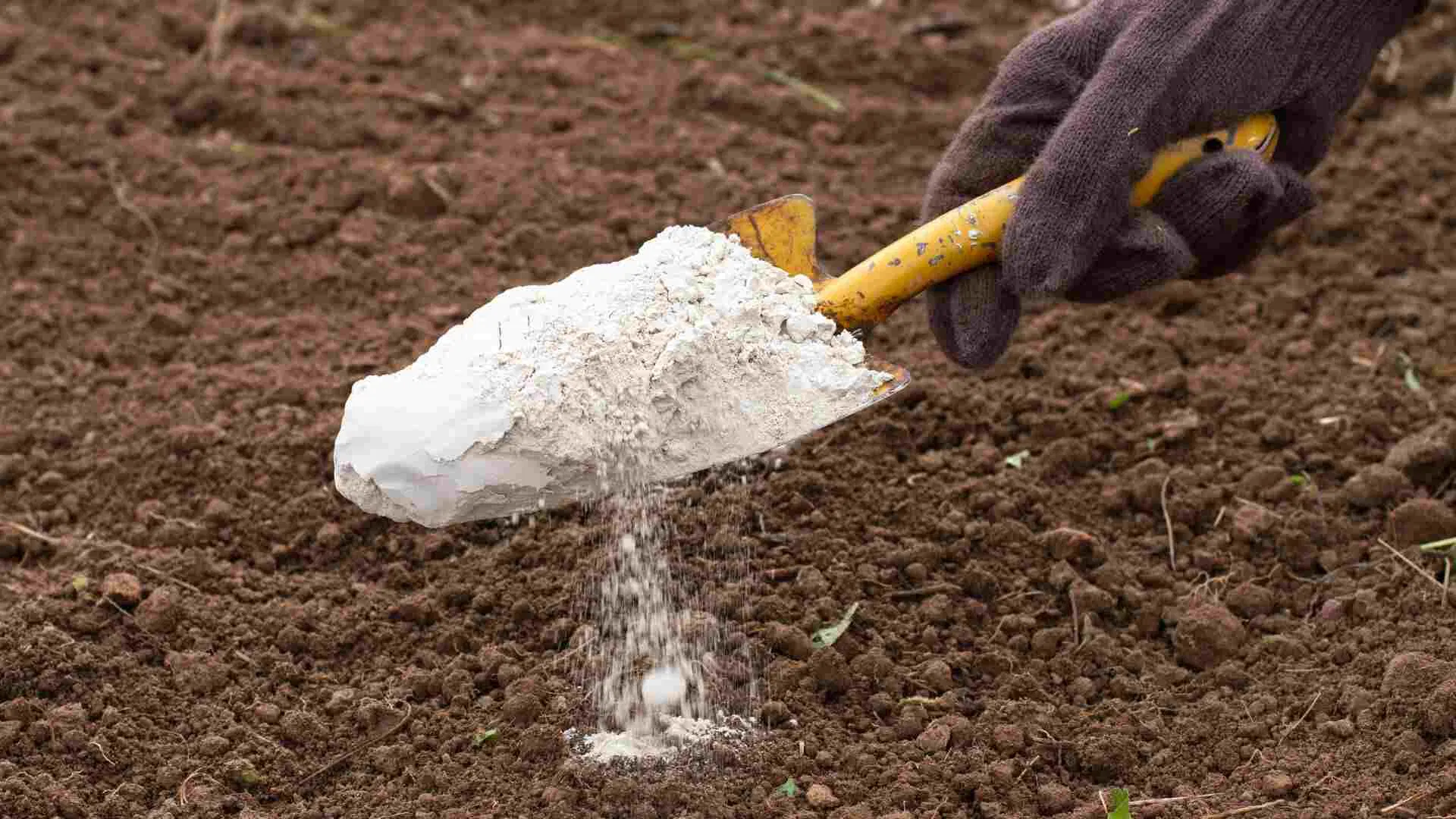
Depending on your compost's pH, adding some dolomite lime as an acidity regulator may be necessary. This handy ingredient contains magnesium and calcium and will raise the pH of an acidic soil to bring it into the optimal range for cannabis plants. Generally, about a quarter to a third of a cup of dolomite lime per five gallons of soil does the trick, but you may need to adjust this amount after consulting your pH meter.
A good cannabis soil recipe contains about half a teaspoon of mycorrhizal powder per gallon to get the whole soil mix teeming with fungal life, ensuring express delivery of vital nutrients to plants’ roots.
At this stage, it’s worth mentioning that a super soil like this is way too rich for cannabis seeds or young seedlings, which should be started off in neutral soil and transplanted into your homemade mix once they have three or four nodes. Even larger plants can get burnt by such a hot mix, so be sure to give your soil several good soakings over a number of days to cool it off before putting anything in it.
Ingredients You'll Need To Make The Soil
Coco coir
Perlite
Vermiculite
Organic compost
Bat guano
Kelp meal
Alfalfa meal
Dolomite lime
How To Make The Soil
Combine 1 part coco coir, perlite and vermiculite with 1.5 parts organic compost
- Ensure the base is mixed well
- Mix 1/3 cup of guano, kelp meal and alfalfa respectively in soil mix
- Add 1/3 or 1/4 of dolomite lime depending on your ph
- Add 1/2 teaspoon mycorrhizal powder
Organic Potting Soil Mix Recipe 3
This next soil mix for cannabis plants was first shared by legendary breeder Dave Bowman, better known as Subcool. This recipe first popularized the term ‘super soil’ and continues to be used by weed growers worldwide.
The base mix consists of eight large (ten-gallon) bags of high-quality organic potting soil that contains coco fibre and mycorrhizae. To this, add 25 to 50 pounds of worm castings, five pounds of steamed bone meal (a great source of phosphorus) and five pounds of bat guano.
A further five pounds of blood meal provides a nitrogen boost, while three pounds of rock phosphate enhances the phosphorus content. A third of a cup of Epsom salts helps to break down the nutrients in the soil gradually, and half a cup of dolomite lime regulates the pH of the entire mix.
A further half-cup of azomite provides cannabis plants with all the trace elements they may need, while two tablespoons of humic acid powder boost microbial activity and improve nutrient uptake.
This hot mix needs about one to two months to ‘cook’ before it can receive any plants. During this period, you’ll need to place your soil in a sealed container, opening it once a day to mix it all up and check that it’s still moist. Water your mix if it gets too dry, but don’t allow it to become waterlogged.
This process will stimulate the microbes and allow all the ingredients to dissolve so that the nutrients become available for use by your cannabis plants.
Et voilà!
Ingredients You'll Need To Make The Soil
Potting soil
Worm castings
Steamed bone meal
Bat guano
Blood meal
Rock phosphorate
Epsom salts
Dolomite lime
Azomite
Humic acid
How To Make The Soil
Combine 25-50 lbs of worm castings, 5 lbs steamed bone meal and 5lbs of bat guano with potting soil
- Add 5 lbs of blood meal and 3 lbs to rock phosphorate
- Mix in 1/3 cup of epsom salts
- Add 1/2 cup dolomite lime
- Mix in 1/2 cup azomite
- Add 2 tablespoons humic acid
- Add mixture to sealed container/s
- Leave mixture for 1-month minimum to combine
- Open up mixture once a day to mix and ensure it remains moist, add some water if not

Making The Best Soil For Growing Cannabis - Summary
Growing marijuana plants requires providing your crops with sufficient nutrients. Making your own soil gives you complete control of this, and is absolutely worth the investment. By following any of the cannabis soil recipes in this article, both beginners and experienced growers can provide their cannabis plants with a nutrient-rich foundation to help grow marijuana of the highest quality. Many cannabis growers use soil recipes just like these, and the value is apparent come harvest time. Happy Growing!