

It’s Auto May at Seedsman, and that means there’s no better time to stock up on premium autoflowering cannabis genetics. Visit our promotions page for the latest and greatest deals on top-tier autoflowering seeds - strains you love from breeders you trust.
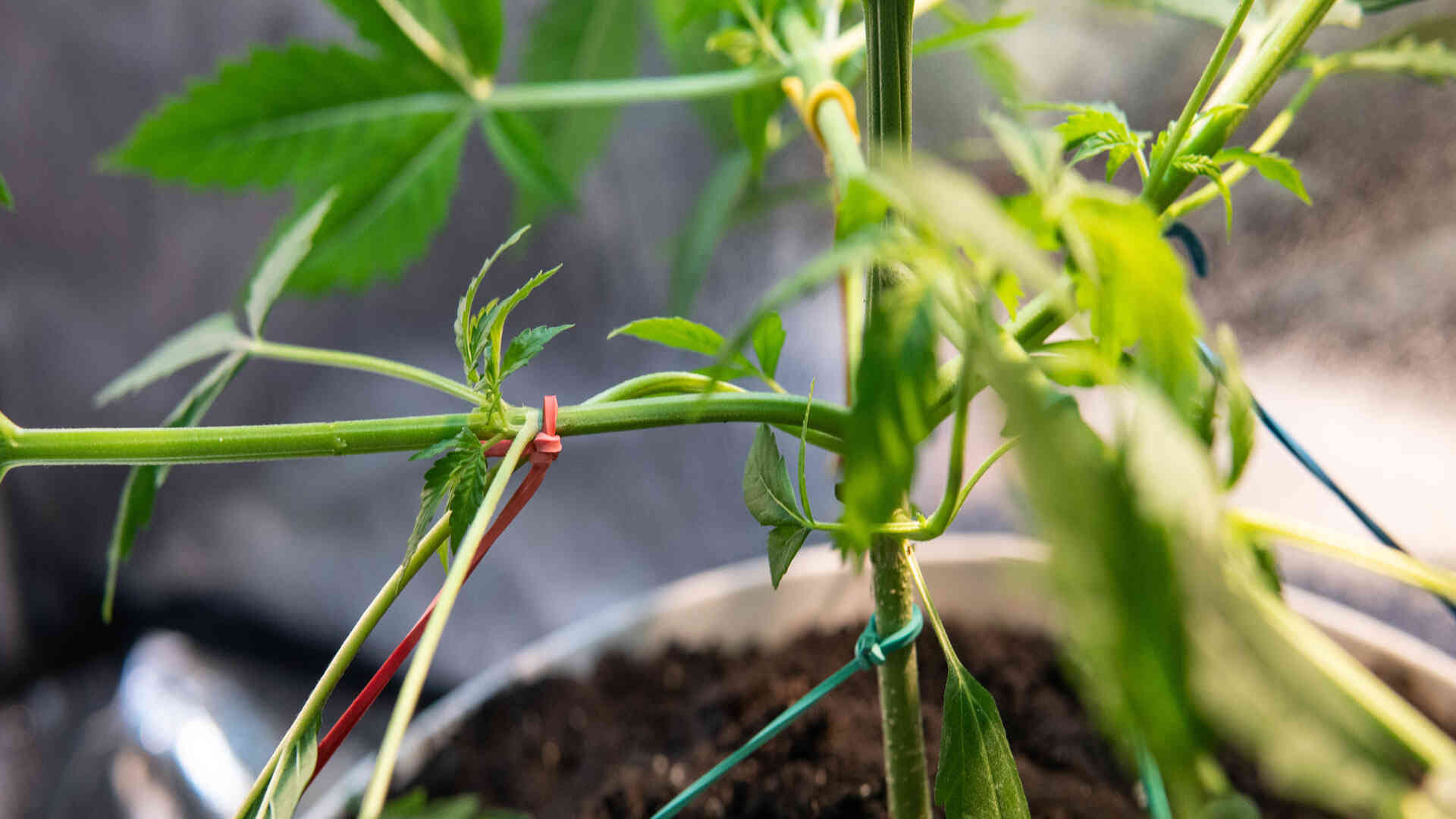
Want to get the best out of your first autoflowers? Using Low Stress Training (LST) techniques can help boost growth and yield without stressing your plants. In this guide, we’ll explore how LST can benefit autoflowers and provide step-by-step instructions for implementing it.
Key Takeaways
- Low Stress Training (LST) maximizes light exposure and airflow, leading to healthier, more productive autoflower plants.
- Starting LST at the right time, specifically around the fifth node, is crucial for effective plant training and maximizing yields.
- Combining LST with techniques like light defoliation and using support structures can significantly increase growth and yield potential.
Introduction to Autoflowering Plants
Autoflowering plants are a unique type of cannabis plant that automatically transitions from the vegetative stage to the flowering stage, regardless of the light cycle. This characteristic makes them incredibly versatile and easy to grow, especially for beginners. With a short life cycle typically ranging from 8 to 12 weeks, autoflowering plants are known for their rapid growth and high yields, making them an ideal choice for growers looking to harvest quickly and efficiently.
Autos are particularly well-suited for those with limited space, as they can thrive in small areas while still producing impressive yields. Their compact size and robust nature allow them to be grown in various environments, from indoor grow tents to outdoor gardens. Additionally, autoflowering plants are celebrated for their high potency, offering a rewarding experience for both recreational and medicinal users.
The ease of growth and high productivity of autoflowering plants have made them a popular choice among growers. Whether you’re a novice or an experienced cultivator, these plants offer a straightforward and efficient way to achieve a bountiful harvest.
Further Reading:What Does Autoflower Mean?
Understanding Low Stress Training (LST) for Autoflowers
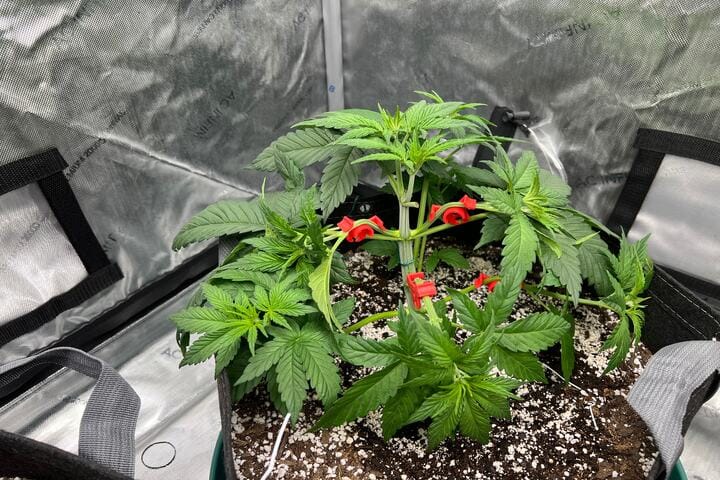
Low Stress Training is a cultivation technique that involves strategically bending and tying the branches of a plant to modify its shape, enhancing growth and maximizing light absorption without inducing significant stress. This method relies on careful guidance of the plant’s development to improve exposure to light with the goal of boosting yield, distinguishing itself from high-stress training methods that can include cutting or injuring plants, as it avoids direct harm.
The goal of LST is to increase both light penetration throughout the foliage and air circulation around it. By gently altering the structure of a plant, this method improves access to light and ventilation, which can accelerate growth. Techniques commonly employed in LST consist of lightly removing select leaves, employing supports for positioning branches optimally, as well as using tie downs. Growers should gently bend branches to avoid snapping and ensure the plant remains healthy. For autoflowering cannabis variants characterized by their swift life cycle and incapable of enduring recovery required after high-stress training interventions like topping or fimming, making LST particularly suitable for them.
Auto-flowering strains benefit significantly from low stress techniques. During the vegetative stage, growers implement various cultivation techniques for these automatic bloomers, taking into account factors like apical dominance to ultimately achieve higher-quality flower production. A less-stressed plant leads to a healthier, more vigorous specimen. These practices are widely embraced by cannabis cultivators around the world to maximise yield from autoflowering plants.
Benefits of LST on Autoflowers
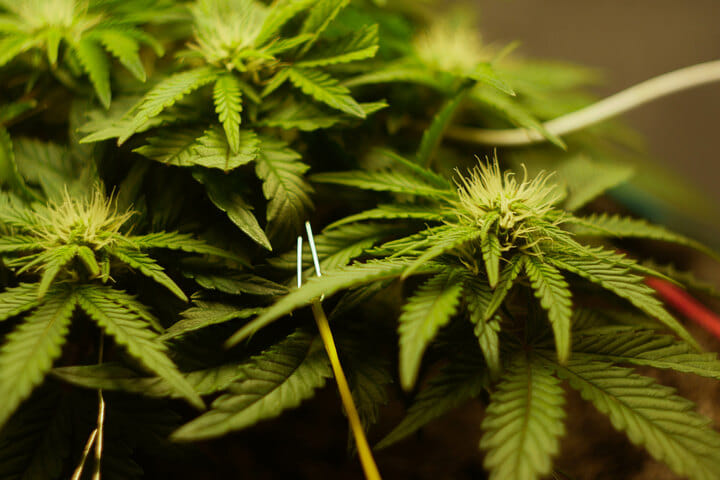
Low stress training is especially valuable for numerous autoflowering varieties by fostering stronger plants and heavier harvests. Through LST’s encouragement of a denser vegetative state, it achieves better light penetration across all potential bud sites while also boosting air circulation—elements that are vital in staving off mold and related complications.
By employing LST methods, growers can markedly enhance their harvests with an abundance of superior-quality buds. The boost in light access coupled with improved airflow contributes to vigorous growth which then translates into amplified yields. Additionally, LST can lead to the development of more buds, thereby increasing the overall yield.
Optimal Timing for Starting LST
Initiating LST at the appropriate time is crucial. It’s optimal to begin LST with the emergence of the fifth node, which allows for effective shaping of the primary stalk. Starting LST at this stage helps maximize light exposure, which is crucial for plant development. This milestone typically occurs by the third week of a plant’s growth and coincides with a well-established root system. Beginning too soon may harm your plant, while delaying LST might reduce its efficacy.
With autoflowering varieties, there exists a narrower interval for applying techniques such as low stress training due to their expedited life cycle. Perform LST in these plants’ vegetative phase only. Initiating it during flowering could be detrimental. The health of plants prior to undergoing training is paramount, they must display robustness against potential stressful manipulation.
Stop LST once you observe that vertical growth has halted. This precaution helps avoid additional stress on your plants while securing an effective timed regimen that enhances light penetration and fosters uniform canopy development, ultimately improving both growth rates and yield potential.
Essential Tools for LST
Having the appropriate tools is essential for successfully applying Low Stress Training to autoflowers. Employing soft strings or plant ties, which can be crafted from a range of everyday materials, is key in gently holding down bent branches without inflicting damage—making these items conveniently available to cultivators.
For guiding and anchoring branches delicately while allowing for ongoing adjustments as the plants grow, plastic clips and soft gardening wire are also beneficial. To achieve a 90-degree angle when bending stems safely, use either soft coated wire or specialized LST clips. Pruning shears may come in handy for any required cutting. Additionally, using multiple lights ensures optimal light distribution across all plants.
Proper tools not only make your low stress training endeavors effective, but also safeguard your plants against undue stress.
Step-by-Step Guide to LST Techniques
Low Stress Training comprises various methods that steer the growth of a plant. LST involves bending branches to create an optimal growth structure. Begin by trimming away the first node, which then redistributes vigor to the higher nodes yet to develop. While the plant matures, adjust lateral branches with care so as to promote uniform bud formation and enhance light exposure across all parts of the plant. Toward the latter phase of growth, providing adequate support for bud clusters helps prevent broken branches.
Below are comprehensive instructions for two widely recognized top-tier LST techniques.
Bending and Tie-Down Technique
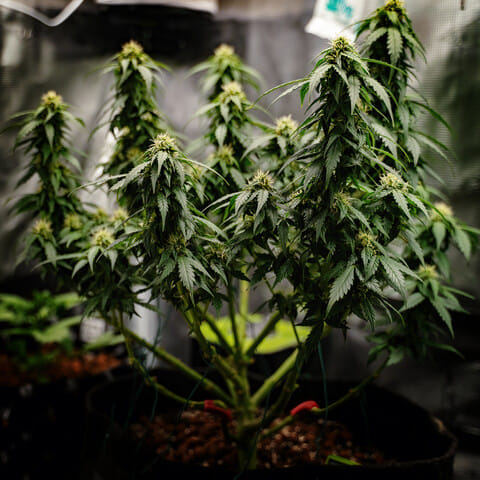
The primary technique utilized in LST for autoflowering plants is the bend and secure method. This strategy requires bending and fastening the branches down to promote growth that extends horizontally as the plant increases in height. The bend method is a key part of this technique, enhancing light exposure across a flattened canopy, which leads to wider, bushier plants boasting multiple main colas.
To start carefully bend the central stem and side branches, affixing them using soft ties while being cautious not to exert undue stress on your plant. Keep ties loose enough so that no damage occurs. Such manipulation serves two fundamental purposes: augmenting potential yields and fostering an even canopy critical for consistent distribution of light.
Watch how each plant responds to LST, adjusting ties regularly to avoid damage. Guiding growth carefully builds a strong structure for more buds and a better harvest tailored to each plant’s needs.
Leaf Tucking Method
Leaf Tucking is a beneficial LST technique, particularly suited for autoflowers due to their delicate nature and susceptibility to damage from leaf removal. This method involves the careful bending and tucking of fan leaves in order to enhance light exposure and airflow inside the plant. It’s a non-invasive strategy designed to allow enough light access to lower bud sites without resorting to pruning or trimming.
For foliage that obscures node areas, you can carefully pinch these leaves and maneuver them downward, unveiling growth points beneath them. This practice assists denser plants in developing an expanded canopy which leads to improved overall growth rates. Strategically tucking away leaves that are contributing to moisture accumulation helps boost air circulation, reducing potential mold issues. Leaf tucking also improves airflow, which reduces the risk of mold and promotes healthier growth.
Employing Leaf Tucking as part of your cultivation approach serves as an uncomplicated yet highly efficient means for maximizing your plants’ interaction with light while preserving their health—essential factors for achieving sufficient vegetative growth.
Combining LST with Other Techniques
Integrating LST with additional low-stress methods can significantly boost both the growth and yield of your plants. For example, merging light defoliation with LST increases the exposure to light and the airflow reaching the lower branches. This synergistic approach improves light penetration throughout the plant and mitigates potential issues such as mold and pests.
Further Reading:Can You Defoliate Autoflowers?
Employing supportive aids like stakes or screens can serve as a complement to LST by reinforcing the structure of your plants, ensuring that each branch gets sufficient access to light. with these strategies you cultivate a more effective growing environment — taking full advantage of what LST low stress training and other related techniques offer.
Monitoring Plant Growth and Adjusting Ties
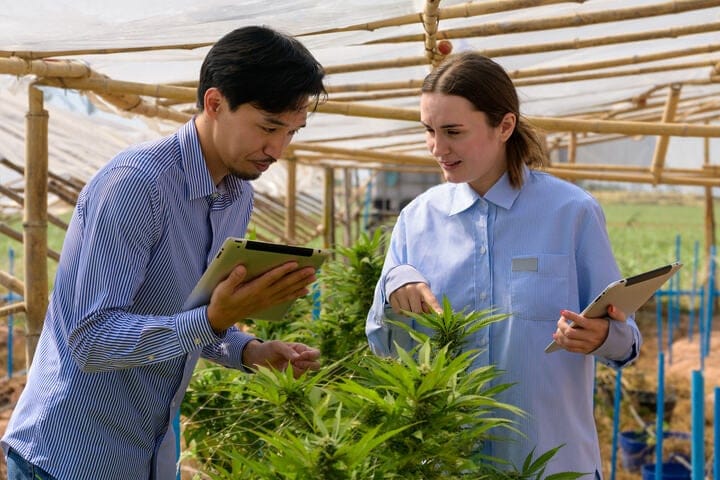
It’s vital to continually observe the growth of your plant and modify ties as needed, especially when practicing Low-Stress Training. Keep a close eye on where ties are fastened to prevent harm to the stems. Paying close attention to the plant's growth allows you to identify potential issues early and optimize development. Periodic adjustments contribute to creating an even canopy and stop ties from tightening excessively around branches.
Employing ties is key in directing heavy branches while simultaneously promoting growth among other branches. Ensuring that these supportive measures are properly implemented will maintain plants structural integrity as the plant develops.
Anticipating where to position these supports can mitigate potential damage and facilitate consistent, guided development of your plant’s structure.
Addressing Common Issues in LST
Employing LST is safe, and complications are rare. Bending and securing branches usually does not hinder their growth or cause problems, demonstrating the dependability of this technique. Nevertheless, for heavy bud-laden branches found in autoflowering varieties, extra support might be necessary.
Combining LST with a careful approach to light defoliation can improve both light penetration and airflow around the lower branches. It’s important to proceed gently when thinning out foliage so as not to inflict too much stress on the plant. Prudent pruning of lower leaves enhances the effectiveness of lighting distribution. Additionally, it is essential to prune selectively during the scrogging process to ensure that leaves or branches not receiving adequate light are trimmed away, focusing the plant's energy on the more productive buds in the canopy.
After undergoing low stress training, plants often bounce back within one to two days without substantial downtime needed for recovery. By proactively managing these typical issues associated with LST, you can maximize your efforts towards keeping your plants robust and thriving.
Impact of LST on Yield
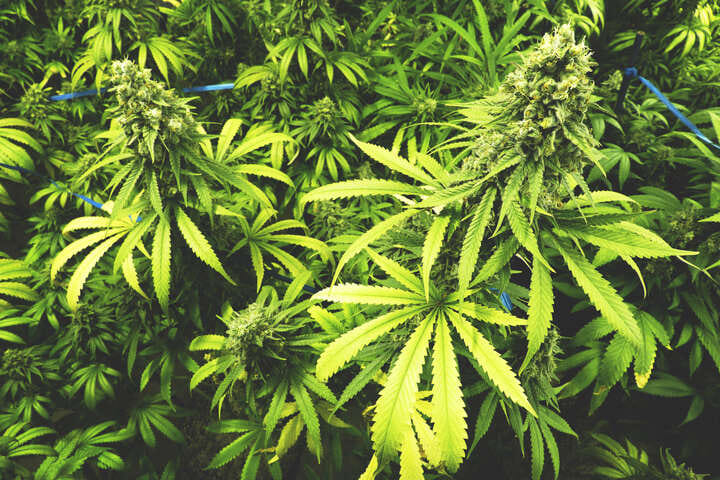
When properly executed, LST has the potential to increase autoflower yields substantially. Some growers have observed increases ranging from 20% up to even doubling their harvests with this technique. The method encourages bushier plants with more robust and densely packed buds through improved light exposure.
By shifting the plant’s energy focus from vertical growth toward lateral branching, LST can create a fuller canopy in autoflowering strains. This leads to an increase in bud sites and maximizes light absorption for all parts of the plant. LST helps the plant receive more light, which enhances energy production and bud development. Of course different varieties may react differently to training methods due to genetic variations.
Employing LST effectively allows one’s yield per autoflowering plant to increase from 30 grams to 60 grams or more. Maximizing each bud site’s access to light via strategic training plays a crucial role in substantially elevating harvest outcomes.
Advanced LST Techniques
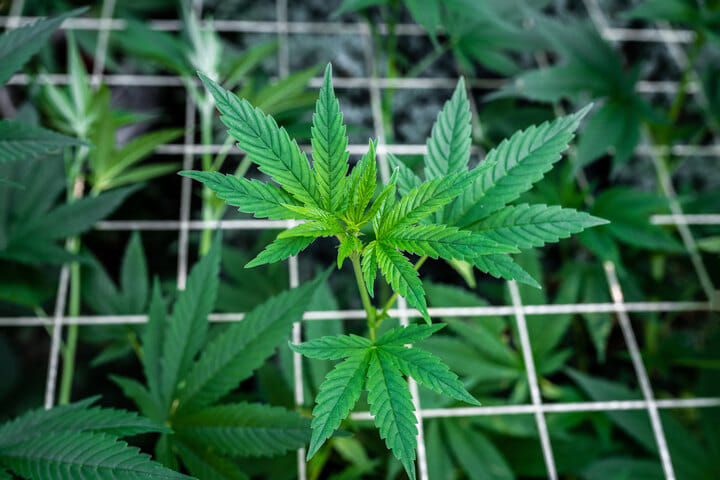
Individuals looking to enhance their LST capabilities might find great success with more complex techniques such as SCROG (Screen of Green) and SOG (Sea of Green). The SCROG approach utilizes a netting structure through which plant branches are woven, ensuring optimal light exposure for uniform growth. Although this strategy necessitates additional tools, it often leads to substantial increases in yield.
In contrast, the Sea of Green method is characterized by cultivating a high number of plants in close proximity. This expedites harvesting cycles and maximizes spatial efficiency. The SOG method is particularly efficient in maximizing space and yield in large-scale grows. Both strategies can be integrated with traditional LST practices to fully exploit horizontal growing spaces and fine-tune light distribution.
By delving into these sophisticated approaches, cultivators have the opportunity to substantially upgrade their operations—boosting yields significantly while meticulously tracking plant development and promoting organic growth patterns among their crops.
Further Reading:Top 10 Tips On Growing Autoflowers
Tips for Successful LST
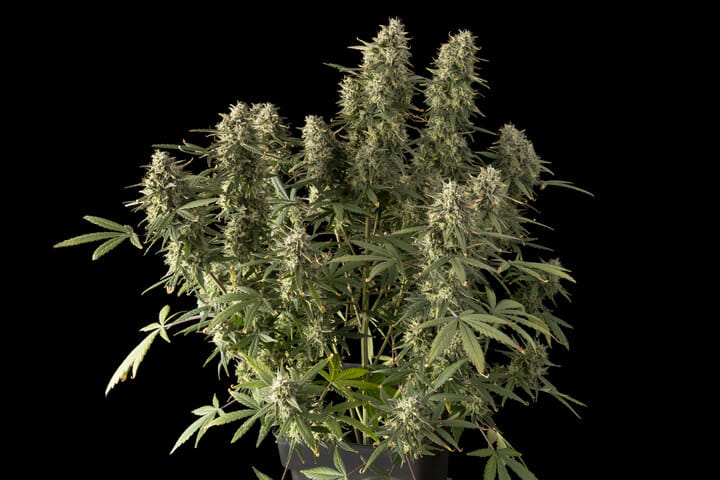
For effective LST, it’s crucial to follow key best practices. Opt for autoflower strains that can handle and react positively to LST techniques. Employing twine is beneficial for safeguarding the tender branches of young autoflowers while they are being trained. Low stress training autoflowers can significantly increase yields and should be timed around the third week of growth for optimal results.
Incorporating a training net with your LST routine can be instrumental in encouraging horizontal growth and enhancing light distribution. Adhering to these guidelines will help you refine your low stress training approach, leading to more vigorous growth.
Further Reading:Top Autoflowering Seeds For May 2025
Summary
In summary, Low Stress Training (LST) is a powerful tool for maximizing the growth and yield of autoflowering plants. By gently guiding the plant’s growth, you can improve light exposure, airflow, and overall plant health. LST is particularly beneficial for growing autoflowers as it minimizes stress and promotes healthy development. Starting LST at the right time and using the proper tools are essential for success.
Whether you’re a novice or an experienced grower, mastering LST techniques can transform your garden. Experiment with combining LST with other methods and explore advanced techniques to further enhance your results. Happy growing!
Frequently Asked Questions
What is Low Stress Training (LST) for autoflowers?
Low Stress Training (LST) is a fantastic technique that helps you gently shape your autoflower plants, maximizing their light exposure and boosting yields while keeping stress to a minimum. LST training helps shape autoflower plants for better light exposure and yield.
Embrace this method for healthier and more productive plants!
When should I start LST on autoflowering plants?
Start LST on your autoflowering plants when they have developed four nodes for the best results. Starting LST around the third week of growth is optimal, as it helps monitor plants growth and ensures the plant becomes more resilient and shifts its energy towards bud production once vertical growth stops.
This timing will help ensure healthy and productive growth!
Can LST be performed during the flowering period?
Absolutely! You can perform LST during the flowering period to improve light exposure and increase yield. Unlike high stress training techniques, which can hinder recovery and reduce yields in autoflowering plants, LST minimizes risk and promotes healthier growth.
How much can LST increase yields?
LST can significantly boost your yields by 20% to 50% or even more with the right application. This technique helps focus the plant's energy on the main cola, leading to higher yields.
Embrace this technique to maximize your harvest!
What are some common methods of low stress training (LST)?
Common methods of Low Stress Training include Scrog (Screen of Green), Tie and Bend, and Sea of Green. Choosing the best LST technique depends on the grower's specific goals and plant needs, whether it's maximizing efficiency for a large number of plants or achieving the highest yield per individual plant.
Embrace these techniques to maximize your plant’s potential without the stress!


