
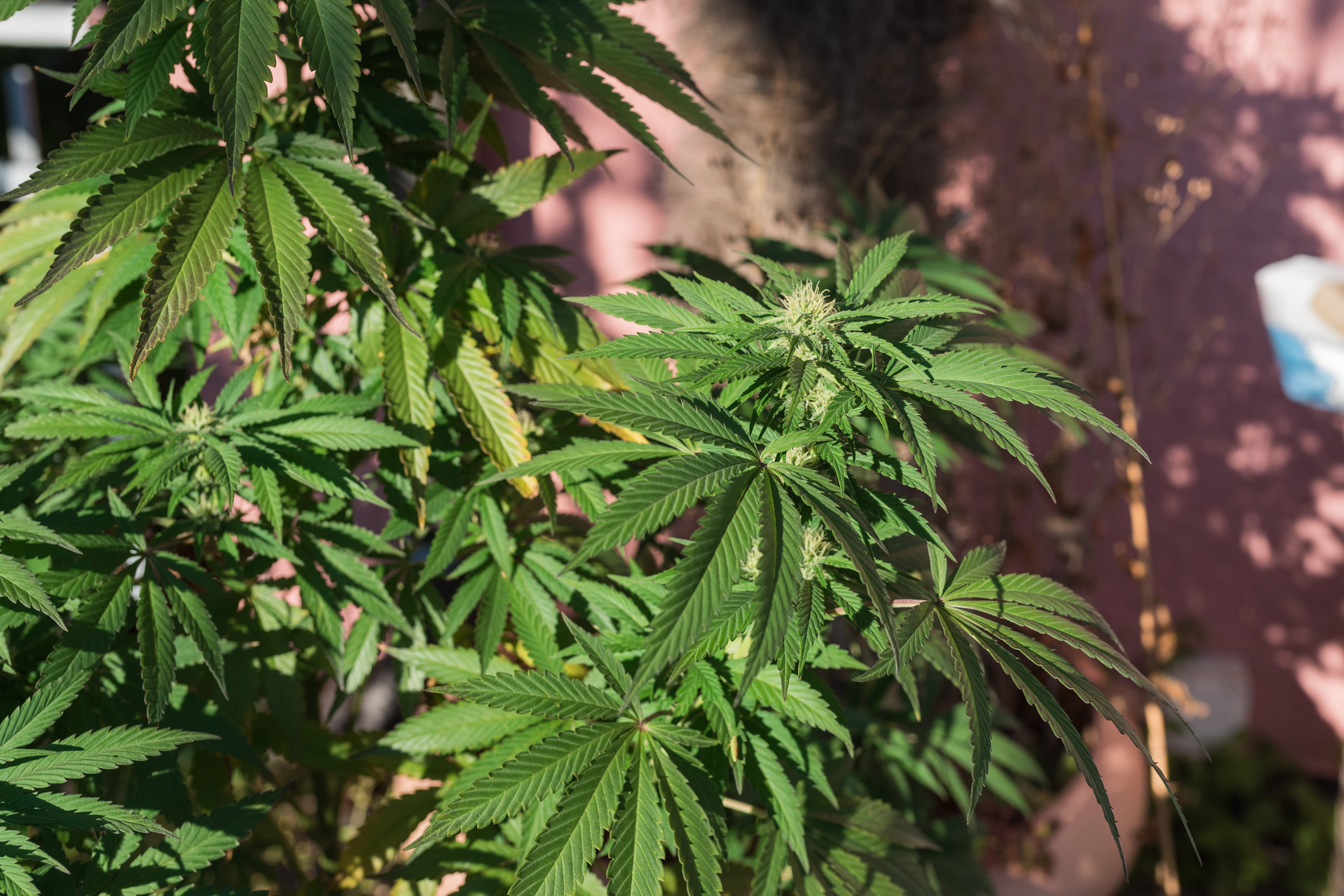

It’s Auto May at Seedsman, and that means there’s no better time to stock up on premium autoflowering cannabis genetics. Visit our promotions page for the latest and greatest deals on top-tier autoflowering seeds - strains you love from breeders you trust.
If you’re new to the idea of autoflowering cannabis, you might be wondering exactly what it is, and how it differs from the standard photoperiod varieties. Autoflowering cannabis has been around for a while now, but it revolutionized the cultivation landscape, offering growers a unique alternative to traditional photoperiod strains. But what does autoflower mean? We'll answer this question - and more - in this article.
Introduction to Autoflowering
Autoflowering seeds are a type of cannabis seed that has become increasingly popular among growers due to their unique characteristics and benefits. Autoflowering cannabis plants are specifically bred to flower automatically, regardless of light cycles, and can produce high-quality buds in a shorter period than regular cannabis plants. Removing the need to flip lighting schedules makes autoflowers an ideal choice for growers who want to harvest their crops quickly and efficiently, with minimal hassle.
The Origins of Autoflowers: Cannabis Ruderalis

Autoflowering seeds are created by crossing cannabis ruderalis with indica or sativa plants, resulting in a compact and resilient plant that can thrive in a variety of environments. To understand autoflowering cannabis, we need to look back at the genetics of Cannabis Ruderalis. Identified in 1924 by Russian botanist D.E. Janischewsky, Cannabis ruderalis is native to Central and Eastern Europe, Northern Europe, and Russia. This subspecies evolved in notoriously harsh climates with low temperatures and short summers, leading to its unique ability to flower based on age rather than photoperiod. Ruderalis learned to flower in adverse climates to survive.
Traditionally, ruderalis plants were smaller, and hardy, with lower THC content. But that resilience and autoflowering trait made them valuable in breeding programs.
The Birth of Autoflowering Cannabis Strains

The first commercially successful autoflowering strain was LowRyder, developed by a breeder known as The Joint Doctor. Lowryder was a cross between the ruderalis strain William’s Wonder, and Northern Lights #2. The Joint Doctor successfully stabilized the autoflowering trait over several generations, resulting in a plant that would flower based on age, regardless of light exposure. Lowryder’s compact size and rapid life cycle brought with it several new advantages for cultivators; it was ideal for discreet cultivation, and could produce multiple harvests per season. But don't just take our word for it - read Seedsman's interview with The Joint Doctor to learn more from the man himself.
What Does Autoflower Mean For Convenience?
Autoflowering cannabis comess with numerous benefits, making them a popular choice among cannabis growers. One of the main advantages is their fast flowering time, which allows for multiple harvests in a single growing season. Autoflowering plants are also low-maintenance and can thrive in a variety of conditions, making them ideal for beginners and experienced growers alike. Additionally, autoflowering seeds are typically highly resistant to certain stresses and can tolerate pests and diseases well, reducing the need for pesticides and other chemicals. Autoflowering plants also produce high-quality buds with potent THC and CBD content, making them a great choice for medicinal and recreational use.
While autoflowering seeds have many benefits, there are some things to consider. As much smaller, faster-finishing plants, autoflowering cannabis strains do tend to have a lower yield potential compared to photoperiod cannabis plants - although modern breeding has seen autoflowers continue to close that gap. However, the benefits of autoflowering seeds, including their fast flowering time and low-maintenance requirements, make them an appealing option for many growers.
What Does Autoflower Mean For Potency?
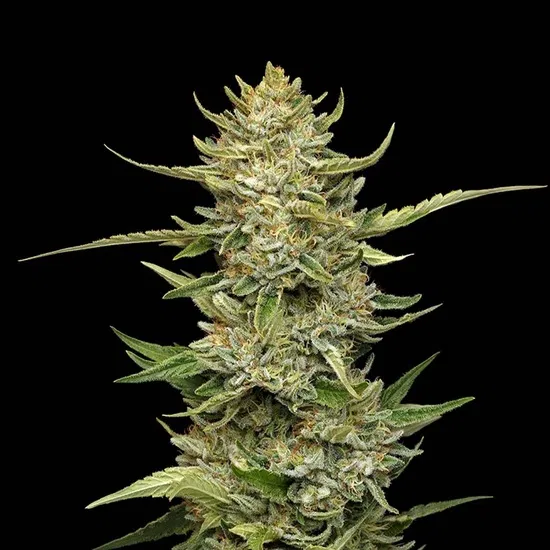
In the early days of autoflowering strains, some cultivators were concerned over the potency of the final product, but a quick look at modern autoflowering cannabis strains shows this is now a baseless concern. Strains like Seedsman's Sour Diesel Auto, packing an impressive high THC content which has been measured at 28%, lay fears of lower potency firmly to rest.
What Is The Difference Between Autoflower and Feminized?
A common question among new growers, is “what is the difference btween autoflower and feminized?”. It’s essential to clarify that these terms refer to different aspects of cannabis genetics.
Autoflowering: Refers to plants that transition to the flowering stage based on age, not light cycle
Feminized: Indicates seeds bred to produce only female plants, which are the ones that produce buds.
Therefore, cannabis seeds can be both autoflowering and feminized, combining the benefits of both traits. The key differences lie between autoflowering and photoperiod strains, where photoperiod cannabis requires a change to the light schedule to trigger the flowering stage.
What Does Autoflower Mean For Cultivation?

Growing autoflowering cannabis is fairly straightforward, but understanding their unique needs is essential to ensure optimal yields. While many of the growing principles are shared, there are both major and minor adjustments needed in some aspects of the cultivation process to guarantee success, from lighting requirements to nutrient needs and plant training. Autoflowering cannabis strains are uniquely designed to start flowering quickly, typically within 3 to 4 weeks of planting, regardless of light cycles.
Germinating your autoflower seeds follows the same principles as photoperiod seeds – a warm, moist environment encourages sprouting. The key differences lie in the stages that follow.
Vegetative Stage
Autoflowers have a brief vegetative growth stage, often just 2-4 weeks, during which they stretch and take on green matter. Autoflowering seeds transition from vegetative growth to flowering based on age, making them easier to cultivate. During this time, growers should focus on building a healthy root system and taking steps to ensure robust growth.
Light Schedules For Autoflowers
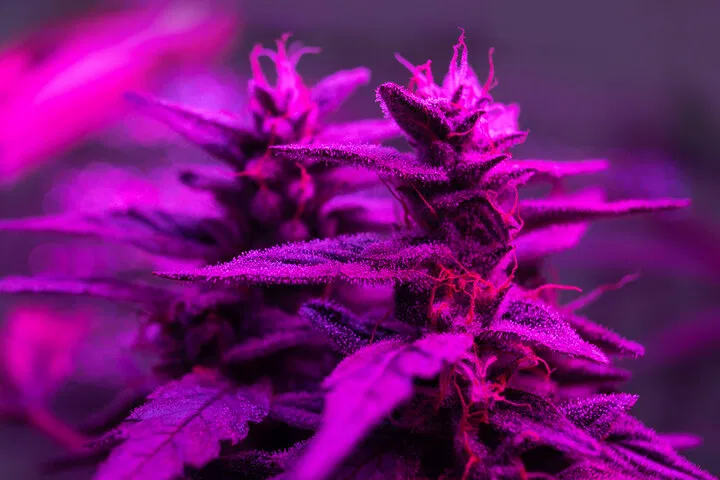
While autoflowers don’t rely on light changes to trigger bud production, light and intensity and duration do still impact growth and yield. Photoperiod seeds, on the other hand, require specific light schedules to trigger flowering, unlike autoflowering seeds. Consider the following options when it comes to hours of light for autoflowering cannabis if you’re just branching out into growing autos.
18/6 (18 hours light / 6 hours dark): A balanced approach promoting healthy growth while allowing rest.
20/4: Maximizes light exposure, potentially increasing yields, but may stress some plants.
24/0: Continuous light can boost growth but may lead to diminishing returns and increased energy costs.
Optimal Growing Conditions
To get the most out of autoflowering seeds, it’s obviously essential to provide them with optimal growing conditions. This includes providing a well-draining soil with a pH level between 6.0 and 7.0, and a moderate temperature between 18-24°C. Autoflowering plants also require a balanced nutrient diet, with a focus on nitrogen, phosphorus, and potassium. Additionally, autoflowering plants prefer a humidity level between 40-60% and can benefit from supplemental lighting, such as LED or HPS grow lights. By providing autoflowering seeds with the right growing conditions, growers can maximize their yield and produce high-quality buds. Autoflowering seeds are a great choice for growers who want to produce high-quality cannabis quickly and efficiently, and with the right care and attention, they can thrive in a variety of environments.
How Much Nutrients Should You Give Autoflowering Cannabis?
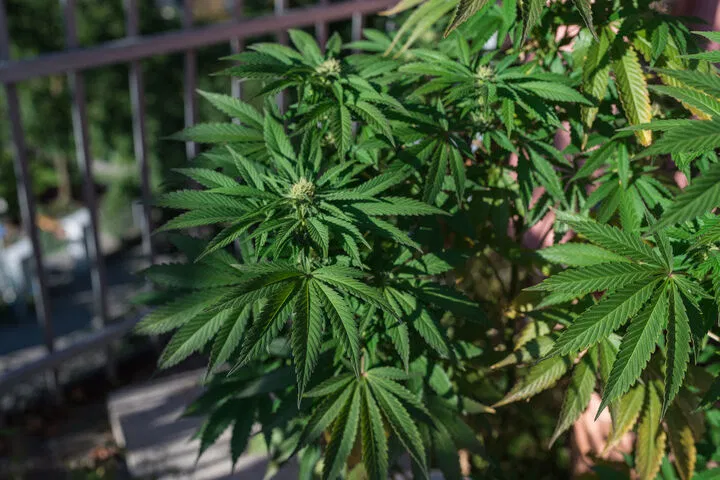
While autoflowering cannabis plants are often praised for their resilience and ease of growth, feeding them correctly is crucial for maximizing yield and potency. Their smaller size and shorter life cycle mean they require a slightly different nutritional approach to photoperiod strains. Additionally, other characteristics such as growth time, yield, and growing conditions make managing nutrient needs for autoflowers through their lifecycle a little less work.
Go Easy on the Nitrogen (Especially Early On)
Autoflower are compact by nature and don’t need as much nitrogen as photoperiod plants during the vegetative stage. In fact, overfeeding nitrogen can result in lush foliage but stunted bud prodcution. A light feeding schedul with a balanced NPK ratio like 3-1-2 in the early vegetative phase is usually sufficient.
Transition Smoothly To Bloom Nutrients
Around week 3-4 (or omce pre-flowers appear), it’s time to ease of the nitrogen and bump up phosphorus and potassium. Look for bloom nutrients with ratios such as 1-3-2 or –0-10-10 to support bud development and resin production.
Tip: Because autoflowers flip to flowering so quickly, using a transitional or “all-in-one" nutrirent that slightly boosts phosphorus early can help prevent deficiencies during the switch.
Micronutrients Matter
Even though they’re needed in small amounts, calcium, magneisum, sulfur, iron, and manganese are essential for healthy growth. Autoflowers are particularly sensistive to calcium and magnesium deficiecies – especially if you’re growing in coco coirr or under intense LED lights.
CalMag supplements are often necessary, particularly if you notice yellowing leaves or brown spots on your plants.
In soil, a quality super soil or organic mix may already contain what’s needed – top dressing with compost or worm casting can help.
Feeding Frequency and Strength
Autoflowering cannabis plants don’t like to be overfed. A good rule of thumb is to start at ¼ to ½ strength of the manufacturer’s recommended dose and observe how the plant reacts. Autoflowering cannabis seeds simplify the cultivation process by removing the need for growers to identify and remove male plants, allowing growers to focus on maximizing the flavors, effects, and quality of their crops. Less is more. It’s much easier to correct a deficiency than to recover from nutrient burn.
Flush cautiously: Because of their short lifespan, you won’t have much time to recover from heavy salt buildup. Light, consistent watering practices help avoid issues.
How Important are pH Levels in Autoflowering Cannabis?
Whether you’re growing in soil, coco, or hydroponics, maintaining the correct pH range is key in cannabis cultivation to avoid nutrient lockout and ensure healthy growth:
Soil: 6.0-7.0
Coco/Hydro: 5.5-6.5
Incorrect pH can lock out nutrients even if they’re present in abundance, leading to deficiencies and stunted growth. Knowing which soil is best for autoflowers can take a whole lot of guesswork out of the equation and prevent headaches later on.
Can You Train Autoflowers?
Yes – but gently! Because autoflowers have such a short vegetative window, you have to be cautious with plant training. High-stress techniques like topping and fimming can work, but only if done early (around day 14-18 from germination) and only on vigorous, healthy plants. Many growers prefer low-stress training, as heavy stress too late in veg or early flowering can seriously stunt growth or delay flowering – something autoflowers don’t have time to recover from. The mantra here is train early, train light, and always observe your plant’s response before pushing further.
What Does Autoflower Mean - Conclusion
Autoflowering cannabis offers a convenient and efficient cultivation option, especially for growers seeking multiple harvests per season or growing in challenging environments. Autoflowering plants can be cultivated in any season, allowing for more than one harvest per year, typically between 3 and 4, while other varieties are limited to just one harvest annually. Understanding their unique characteristics and requirements ensures successful growth and bountiful yields. What does autoflower mean to you? Try growing an autoflowering cannabis strain, and find out!