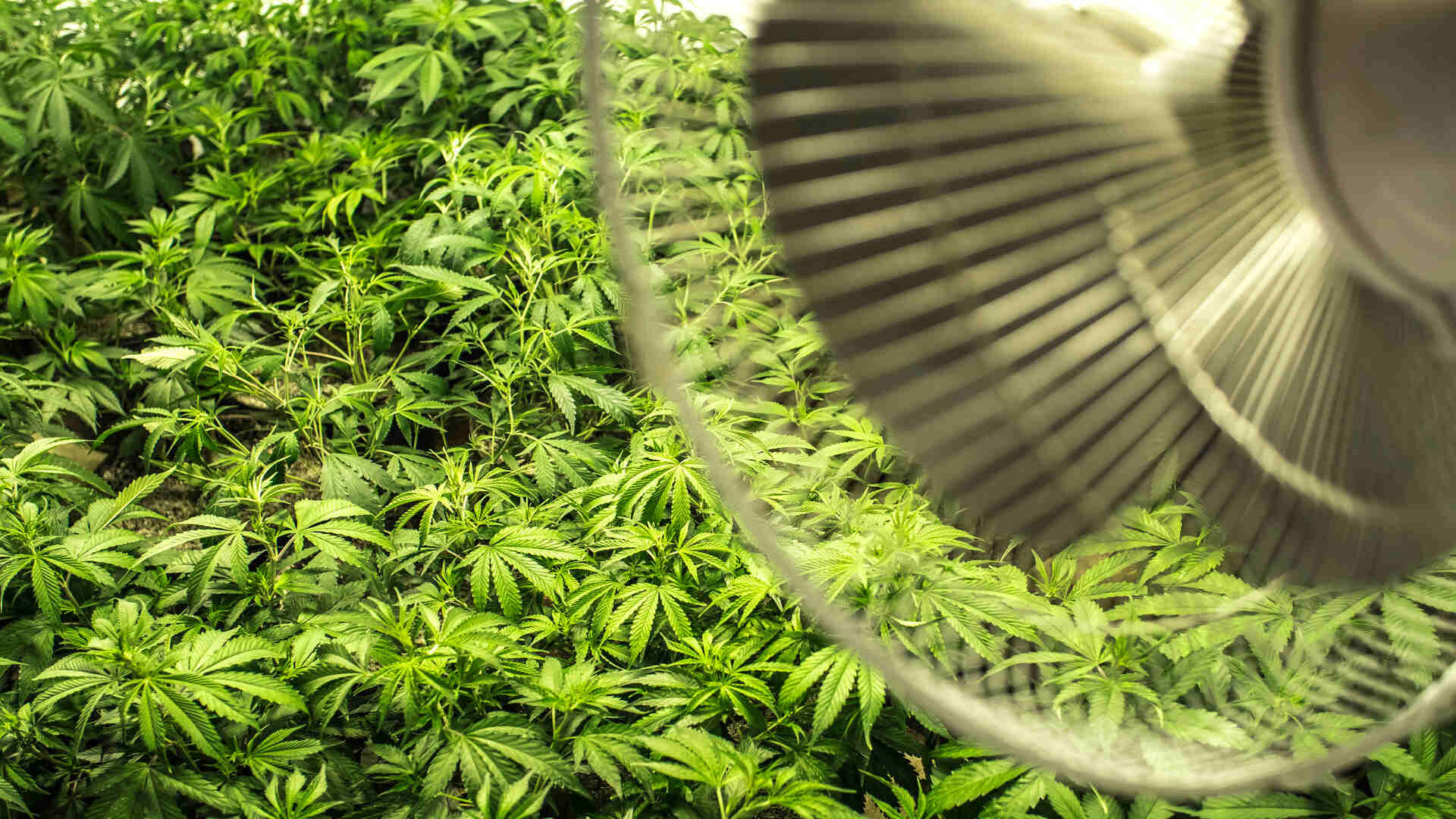
Cannabis cultivation has evolved into a precise science, where every variable is meticulously controlled to optimize plant health and yield. One of the often-overlooked yet crucial elements in this process is the positioning of fans within a cannabis grow room or grow tent. Proper fan placement can significantly impact your cannabis plants’ growth, affecting everything from their resilience to pests and mold, to their final yield. In this comprehensive guide, we’ll explore the importance of fans, how to position them effectively, and best practices for both small and large grow setups.
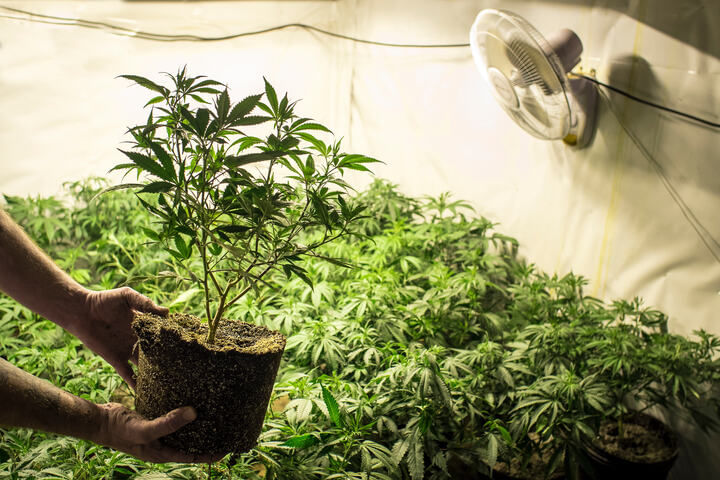
Why Fans and Air Circulation are Essential in a Grow Tent
Fans serve multiple purposes in a grow tent, each critical to the health and productivity of your cannabis plants. Here are the main reasons why fans are indispensable:
Air Circulation: Proper airflow and good air circulation help distribute CO2, which is essential for photosynthesis.
Temperature Control: Fans help maintain a stable temperature by dissipating heat generated by grow lights and other equipment, ensuring proper ventilation.
Humidity Management: Good airflow prevents the buildup of excessive moisture, reducing the risk of mold and mildew.
Strengthening Stems: A gentle breeze simulates natural wind, encouraging plants to develop stronger stems and branches.
Pest Prevention: Constant air movement can deter pests like spider mites from settling on your plants
Without adequate fan placement, plants may suffer from multiple ailments such as poor growth, weak structures, mold infestations, and pest problems, ultimately resulting in lower yields and compromised quality.
Types of Fans and Their Uses
Oscillating Fans
Oscillating fans are the most common to find in a grow tent. You know 'em. You love 'em. Oscillating fans are ideal for maintaining even airflow throughout the grow tent. They can cover a wide area and prevent hotspots by moving back and forth.
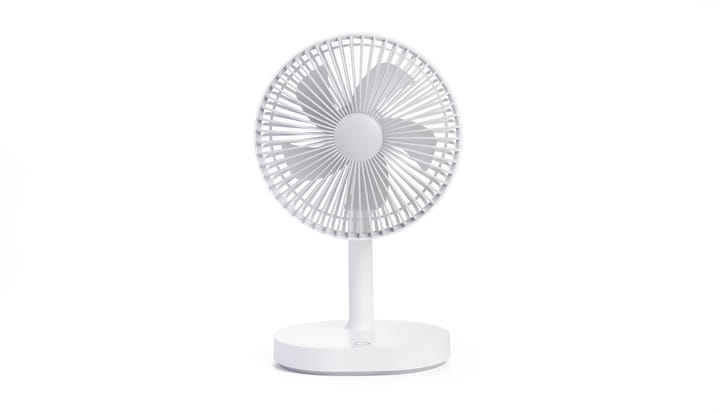
Inline Exhaust Fans
Inline fans are primarily used for ventilation, pulling fresh air into the tent and expelling stale air. They are crucial for maintaining the overall environment within the tent. Inline fans are often paired with a carbon filter to control smells and ensure the air passes through the filter before being vented outside.
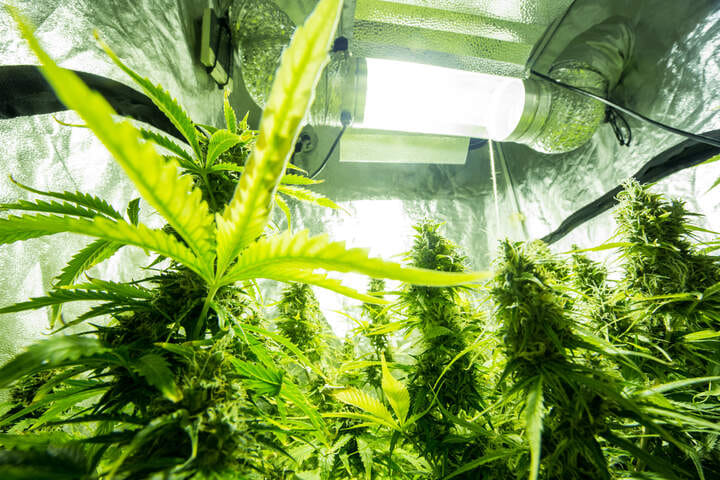
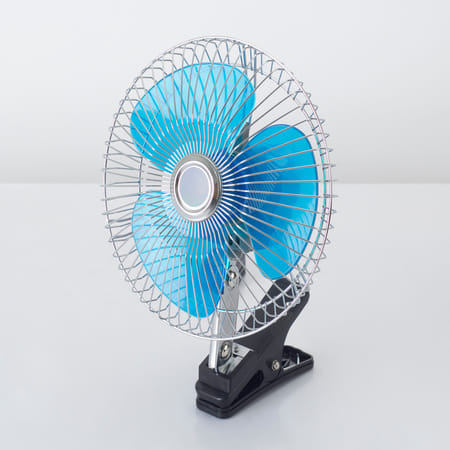
Clip-On Fans
Clip-on fans are versatile and can be attached to poles or other structures within the tent. Available in a range of sizes from tiny to somewhat mighty, they are particularly useful for targeting specific areas.
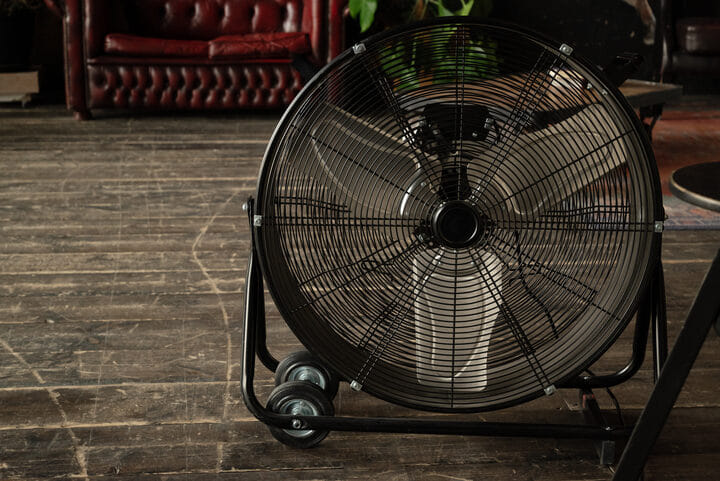
Floor Fans
Floor fans are powerful and can move a significant amount of air. They are suitable for larger grow tents where maintaining consistent airflow at ground level is necessary. Floor fans are also effective in managing excess heat generated by grow lights, preventing heat stress and maintaining optimal temperature.
Positioning Fans in Different Sized Grow Tents
Small Grow Tents (2x2 to 4x4 Feet)
In smaller grow tents, space is at a premium, so fan placement must be strategic.
Oscillating Fans
Place an oscillating fan on one side of the tent, about 12-18 inches above the canopy. This height ensures the airflow reaches the top and middle parts of the plants. The fan should be set to a gentle breeze to avoid windburn but strong enough to rustle the leaves slightly.
Clip-On Fans
Position clip-on fans around the tent at various heights. One can be placed near the bottom to ensure airflow around the base of the plants, and another can be positioned higher up to complement the oscillating fan.
Inline Fans
Mount the inline fan at the top of the tent for exhaust, ensuring hot air is efficiently removed. If possible, place an additional inline fan at the bottom for intake to bring fresh air in. Inline fans also help in maintaining optimal carbon dioxide levels, which are crucial for plant growth.
Medium Grow Tents (4x4 to 8x8 Feet)
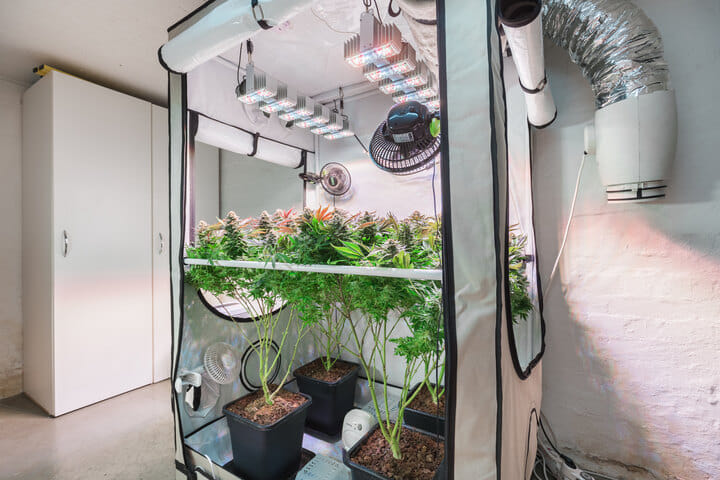
For medium-sized grow tents, a combination of fans is necessary to maintain optimal conditions.
Oscillating Fans
Position two oscillating fans on opposite sides of the tent, each about 12-18 inches above the canopy. This setup ensures comprehensive coverage and prevents stagnant air pockets.
Clip-On Fans
Use multiple clip-on fans at different levels. Place one near the bottom to keep air circulating around the roots and soil, and others at mid-height and near the top to ensure even airflow throughout the canopy.
Floor Fans
In addition to oscillating and clip-on fans, a floor fan can be placed at one end of the tent to push air across the floor, preventing moisture buildup and mold growth.
Inline Fans
As with smaller tents, position the exhaust inline fan at the top and the intake fan at the bottom. In medium tents, you might need additional ducting to direct airflow efficiently. In medium tents, inline fans can be paired with a carbon filter to control smells and ensure the air is clean before being vented outside.
Large Grow Tents (8x8 Feet and Above)
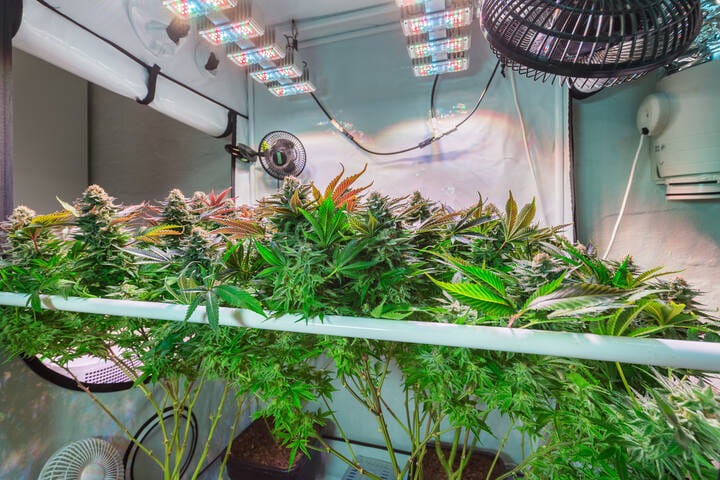
Larger grow tents require a more sophisticated fan arrangement to ensure all areas receive adequate airflow.
Oscillating Fans
Install multiple oscillating fans along the sides of the tent, both at mid-height and near the top of the canopy. Ensure fans are spaced evenly to cover the entire growing area.
Clip-On Fans
Clip-on fans should be used generously in large tents. Place them strategically around the tent to target specific plants or areas that might be prone to stagnant air.
Floor Fans
Multiple floor fans may be necessary in larger tents. Place them at different points around the tent to ensure air is moving uniformly across the floor level.
Inline Fans
Large grow tents benefit from multiple inline fans. Use one or more exhaust fans at the top and several intake fans at the bottom. Ensure the airflow pattern is balanced to avoid creating pressure differentials that could impact plant health.
In large grow tents, using multiple inline fans with carbon filters can effectively control smells and ensure clean air circulation.
Optimal Fan Distances, Adequate Airflow, and Breeze Intensity
Distance from Plants
Oscillating Fans: Place about 12-18 inches away from the plant canopy. This distance allows the airflow to cover a broader area without directly blasting the plants.
Clip-On Fans: Should be positioned 6-12 inches away from the plants they are targeting. Adjust the distance based on the intensity of the fan.
Floor Fans: Typically placed 2-3 feet away from plants to ensure even airflow across the base without causing soil to dry out too quickly. Floor fans can also help in circulating warm air trapped near the ceiling, ensuring even temperature distribution.
Breeze Intensity
The breeze generated by the fans should be strong enough to cause a gentle rustling of the leaves but not so strong that it causes windburn or physical damage to the plants. Here’s a quick test: if the leaves are moving slightly, you’re at the right intensity; if the stems are bending or leaves are flapping wildly, reduce the fan speed or adjust the distance.
Fans During Vegetative and Flowering Stages for Cannabis Plants
Vegetative Stage
Fans are essential during the vegetative stage to promote strong stem and branch development. The breeze encourages plants to grow sturdier, which helps them support the weight of buds during the flowering stage. Using industrial grow room fans can optimize air circulation, ensuring that all areas of the grow tent receive adequate airflow.
Flowering Stage
In the flowering stage, fans continue to play a crucial role. They help prevent mold and mildew by reducing humidity around the dense buds. However, ensure the airflow is gentle and indirect to avoid damaging delicate flowers. Fans can also improve air circulation, reducing the risk of mold and mildew around the dense buds.
Conclusion
Proper fan placement is a cornerstone of successful cannabis cultivation. By ensuring your grow tent has adequate air circulation, temperature control, and humidity management, you create an environment where your plants can thrive. Whether you’re working with a small tent or a large grow space, understanding the optimal positioning and types of fans to use will significantly impact your grow’s success. So, give your plants the gentle breeze they need, and they’ll reward you with robust growth and bountiful yields. Happy growing