


Auto May is here at Seedsman.com. Explore limited-time offers on autoflowering seeds and discover fast, resilient genetics built to fit real life. Visit our promotions page and grow your next run with ease.
When growing autoflowering cannabis, it's easy to let a bit of reckless enthusiasm creep in. With the plant looking healthy and growth picking up speed, it feels like the right moment to give a little more - whether it be nutrients, watering, or just some extra attention. And that instinct is understandable. Growing cannabis pulls you closer to the plant. You notice changes, and you want to help.
But learning how to feed autoflowers well often means the opposite - resisting the urge to constantly improve things. Autos, with their shorter lifecycles, tend to respond better to steady hands rather than busy ones. They like rhythm and momentum. They need a root zone that stays comfortable and a feeding routine that doesn't vary wildly from one week to the next.
People often talk about nutrients as if they're the engine of the grow. In reality, nutrients are like a conversation. The plant speaks, the grower responds, then waits to see what the plant says next. That can mean biting your tongue for a few days and watching what happens.
How To Feed Autoflowers Without Overfeeding Early

The early stage of autoflower growth catches people out all the time. A young autoflower doesn't need much. Small roots and small leaves makes for a limited demand. Yet this is often where growers jump the gun and reach for bottled nutrients first. Some growers may worry the plant might fall behind before it's had adequate time to settle into the pot.
In rich soil, seedlings can often coast comfortably for the first couple of weeks, and sometimes longer. As a rough guide, successful growers often wait until the plant has developed 3-4 set of leaves before introducing additional nutrients into the soil. Even then, starting at around quarter-strength feed is often plenty for young autos. It's easier to increase slowly if the plant needs more. Pulling back after overfeeding is much harder.
At the infant stage, it's arguably more important to have a good soil than to introduce manual feeding. The plant is still establishing itself in this stage, stretching gently into the medium and building root mass. Heavy feeding too early can interrupt that process, causing leaves to darken and growth to tighten up. The plant keeps moving, but it loses some of that natural ease.
- Very dark leaves can point to excess nitrogen early on
- Seedlings that stop reaching up often need less water, not more feed
- If leaf tips begin burning this early, nutrient strength is usually too high
These are the small signs worth noticing before they become larger setbacks later in the cycle.
One of the strange things about autoflowers is that stress doesn't always arrive dramatically. It can show up quietly, like hesitation rather than visible disaster. When people ask how to feed autoflowers successfully, the answer usually begins with patience more than products.
Related Article: How To Grow Autoflowering Cannabis: Managing Rapid Growth Without Stress
Feeding For Momentum, Not Explosive Growth
In some areas of the growing community, there's a certain kind of grow room culture that treats feeding like a contest. You'll see growers touting bigger EC numbers and more additives. Bloom boosters stacked on top of each other like the plant is training for the Olympics. The truth? Autos rarely enjoy that approach.
Healthy autoflower growth often looks calmer than new growers might expect. The plant moves steadily through each stage with no dramatic surges or crashes. That type of stability is the thing worth protecting.
Feeding autoflowering cannabis is less about forcing rapid growth and more about removing resistance. If the plant is eating comfortably and drinking properly, there's usually no need to suddenly increase everything just because a chart says week four requires a bit more nutrients.
Bottle schedules tend to lean heavy. A lot of nutrient companies (not all) aren't writing those charts for one specific plant in one specific environment. They're writing broad suggestions which are useful sometimes, but not gospel. The plant in front of you is the best guide, and what it's saying matters more. Some days, it wants more food. Some days it doesn't. It's key to understand the plant, not just the process.
Environmental changes play a role here too. A plant growing through warmer temperatures or stronger light may naturally consume nutrients faster than it did the week before. Conversely, cooler conditions often slow appetite down. Feeding routines often work best when they stay flexible enough to account for that.
Part of learning how to feed autoflowers is getting comfortable with variations instead of reacting to every small change like an emergency.
Tips on How To Feed Autoflowers in Soil
Soil has its own pace. Things move a little slower, which many growers appreciate with autoflowers. Nutrients tend to remain available for longer, and the medium can safely buffer small mistakes. There's room for the plant and the grower to settle into the rhythm together. But that slower pace is also why overwatering becomes such a common issue in soil grows. Some people feed too often because the surface looks dry, but deeper down the root zone is still holding moisture.
Autos can sulk in wet soil - perhaps not dramatically, but they just stop reaching with the same energy.
If growing organically, feeding might look less like a strict schedule and more like maintaing soil health over time. Using things like compost teas and dry amendments feed the medium as much as the plant itself. There's something satisfying about that approach. It feels less transactional somehow. It asks less of the grower and the plant.
- Dry amendments are often applied lightly every 2-3 weeks
- Compost teas are usually used to support microbial life, not replace watering
- Soil grows often need less intervention than expected once the root zone is settled
Related Article:Which Soil Is Best For Autoflowers?
Tips on How To Feed Autoflowers in Coco

Coco behaves much differently than soil, with a faster uptake, quicker drying times, and more active feeding required. Some growers prefer that level of control, where others find it somehwat relentless at first.
When learning how to feed autoflowers in coco, consistency matters more than intensity. Smaller feeds given regularly often work better than large swings in EC. Calcium and magensium also become more important in coco grows since the medium can hold on to them. As for watering, one missed watering in coco usually gets your attention quickly - the plant is quick to communicate thirst.
Many coco growers feed lightly once or twice per day during early growth, increasing feeding frequency only when the root zone develops and the plant is drinking more heavily.
- Aim for around 10-20% runoff in coco to help prevent salt buildup.
- EC drfiting upward in runoff can suggest nutirents are acuumulating around the roots
- Coco tends to reward consistency more than intensity
Coco can produce beautifully clean growth when things settle into place. Rapid root development and vigorous plants that seem to glide through their cycle when the environment and feeding stay balanced. It's not effortless exactly. Just repsonsive.
Reading The Plant Instead of The Feeding Chart
This is probably the hardest shift for newer growers to make. Charts feel safe, and a new grower will typically feel grateful for what seems like authoritative guidance.
A feeding schedule gives the impression that cannabis grows in straight lines, but it rarely ever does. One plant eats heavily while the one beside it is perfectly happy on less. Environmental changes affect uptake. Genetics play their part. Sometimes the entire garden or grow room can feel completely different from one week to the next.
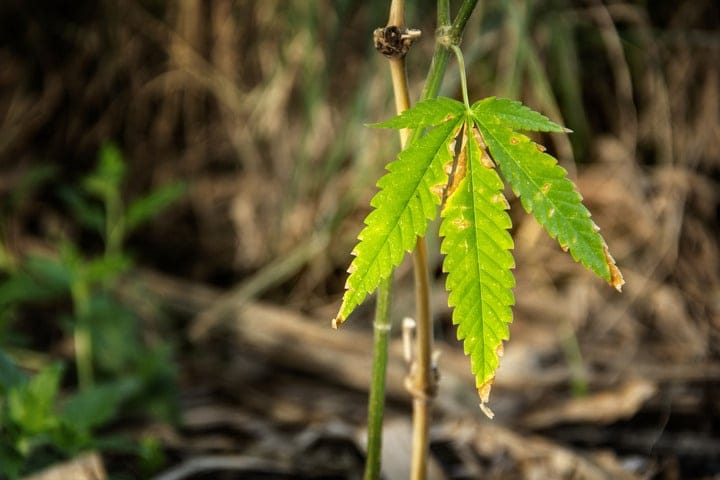
Plants usually tell you they're uncomfortable before they down tools and stop growing altogether. The signs are subtle at first:
- Leaf tips gently burning
- Colour deepening too much
- Leaves clawing slightly downward
- Slower water uptake
None of these signs mean disaster. They're just part of the conversation, but how the grower responds matters. You can shout and bawl in response, or you can whisper gently. Making small adjustments wins every time.
One of the easiest mistakes to make is correcting to aggressively and too quickly. Plants need time to respond. Making several large changes within a couple of days can blur the original issue, creating a second problem on top of the first.
Water Quality, pH, and Nutrient Lockout
Sometimes the issue isn't the amount of feed at all.
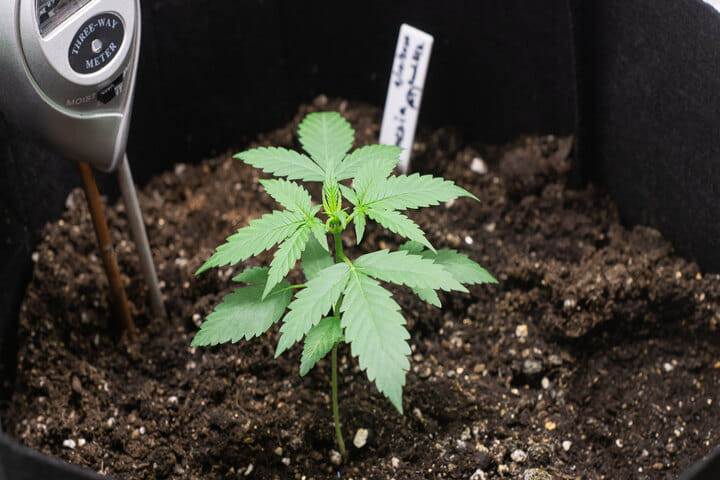
Poor pH can stop the plant from accessing nutrients even when they're sitting right there in the root zone. Hard water changes things. So does very soft water. A feeding schedule that works perfectly in one grow room can create problems in another simply because the water source is different.
That's why throwing more nutrients at a struggling plant doesn't help. Occasionally it makes the situation worse. Keeping pH within a comfortable range gives the roots access to what's already available. In soil, many growers aim for around 6.0-6.8 as a kind of sweet spot. Coco tends to sit slightly lower, often around 5.8-6.2.
- Soil: roughly 6.0-6.8 pH
- Coco: roughly 5.8-6.2 pH
- Large pH swings can cause more issues than sitting slightly above or below a target
That last point matters.
The mantra: Stability is what keeps the plant relaxed, and relaxed plants tend to grow better. Learning how to measure pH levels in cannabis soil will benefit both grower and plant.
Flowering Nutrition - How To Support The Shift Without Forcing It
The transition into flower changes the feel of the plant. Here is where the stretch begins, and with it comes an increased water uptake. The plant is beginning to set its structure for the weeks ahead. At this point, it's tempting to respond by dramatically increasing bloom nutrients all at once. But autos don't always need such a heavy-handed shift.
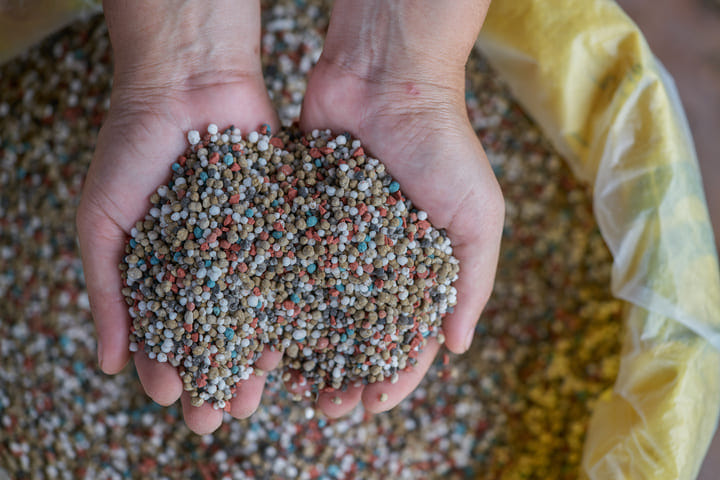
When transitioning nutrients from vegetative to flowering phase, a gradual transition usually feels more natural, easing nitrogen down slightly while increasing phosphorus and potassium steadily in the background. Some plants get hungrier during flowering while others stay surprisingly light feeders right to the end.
There's also a point in late flowering where more nutrients actually stops meaning more results. By this point in the life cycle, the plant already knows what it wants to become. If growers are tempted into overfeeding late in flower, this can be akin to trying to force the ending rather than allowing the plant to finish on its own terms.
Good flowering nutrition supports the process. It doesn't try to overpower it.
Common Feeding Mistakes That Can Hurt Autoflowers
How to feed autoflowers successfully often hinges on the grower's reaction. In some grow rooms, a slight slowdown in growth is met with an immediate increase in feed. Maybe multiple supplements get added at the first sign of a pale leaf. But autos tend to respond better when adjustments happen gently.
- Increase nute strength gradually. Don't double feeds overnight
- Change one variable at a time wherever possible
- Give the plant a few days to respond before making further corrections
A slower approach makes it much easier to understand what the plant is reacting to.
Overfeeding seedlings remains one of the biggest issues, and overwatering sits close behind. In coco, ignoring runoff can slowly create salt buidup around the roots. In soil, feeding too frequently can leave the medium heavy and sluggish.
None of these mistakes are unusual. Every grower runs into them eventually. The important thing is recognising that autoflowers rarely reward panic. They respond much better to calm observation than constant correction.
How To Feed Autoflowers With Confidence

At some point, feeding becomes quieter. No more staring at charts every day, or chasing tiny imperfections in the leaves. Stop treating every pale patch like it's the beginning of the end.
Growing with confidence means letting the grow settle into its own rhythm, watering when the plant needs it and feeding with intention, not anxiety. Listen to the plant and observe the cues. Watch how the leaves respond over days instead of changing direction immediately.
That slower relationship with the plant is part of the reason people stay connected to growing cannabis in the first place. There's satisfaction in learning the pace of something living, and noticing small changes. Good growers soon realise the healthiest plants often come from environments that feel calm and consistent rather than endlessly optimised. Learning how to feed autoflowers isn't about mastering nutrients alone. It's about learning when enough is enough.


