
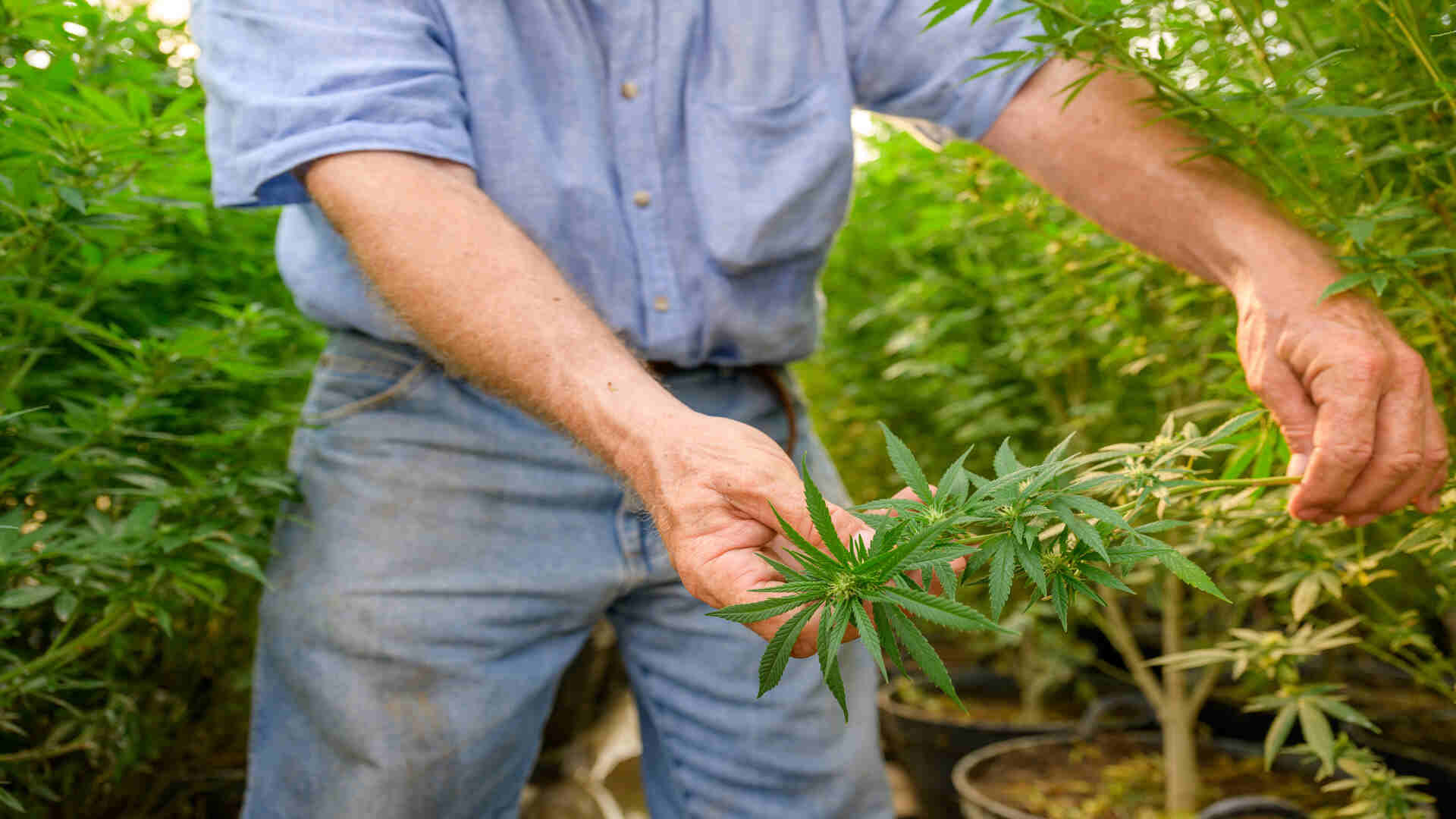

There's a little bit of a misconception around autoflowering cannabis strains - that they're the easy option. Set them, let them run, harvest a few weeks later. In reality, a lot of learning how to grow autoflowering cannabis well comes down to timing. Everything happens quickly with autos. Ther'e's no long vegetative phase to correct mistakes, no long recovery window if something goes wrong. The plant moves forward swiftly whether you're ready or not.
That's where stress becomes the real story. Not the obvious kind - grower panic - but the slow, creeping, plant-related version. It doesn't take much. Maybe a little too much water or a tad too much feed. None of it seems too serious in the moment, but with autoflowering cannabis those small decisions build on each other fast.
Managing rapid growth without stressing the plant isn't about doing more. It's about setting things up so the plant never has to pause.
How To Grow Autoflowering Cannabis In A Shorter Timeline
Autoflowering cannabis seeds create plants that offer cultivators a much faster path to harvest, often completing their entire run in the time it takes a photoperiod strain just to finish flowering. Autos don't wait for a signal to flower; there's no change in light cycle to push them along. They follow their own internal clock, establish their rhythm faster, and it doesn't slow down.
From seed to harvest, you're often working within 8 to 12 weeks, and in some cases, less. The first two or three weeks carry more weight than some growers expect. It's either healthy roots and leaves with uninterrupted growth, or a slow start that lingers all the way through.

Seedsman Chem Cookies Auto: Ready in 8-10 weeks
When answering the question of how to grow autoflowering cannabis properly, much of it as about how to avoid losing time that you can't get back.
Growers accustomed to growing photoperiod plants are used to a degree of forgiveness from the plant. On the offchance a mistake is made, there's time to adjust and wait, to extend veg and allow recovery. Autoflowers don't allow that same space. Growers set the direction early, and the plant runs with it.
For that reason, knowing how to grow autoflowering cannabis without stress is crucial. It's absolutely doable, and the results are certainly worth it. There are many reasons why you should grow autoflowers. Learning to do so while avoiding pitfalls makes it much easier.
Root Zone Stability is the Foundation of Autoflowering Cannabis

If there's one place to keep things steady, it's below the surface. Autoflowers tend to respond well when their roots are left alone. That doesn't mean you can't transplant autoflowering cannabis plants, but successful autoflower cultivators typically advise against it. Even a short pause in growth becomes obvious a little further down the road. Starting autoflowers in their final pot removes that variable, so a set and forget approach here can be the grower's friend.
Related Article:The Science of Cannabis Root Health
Container size matters, but only if managed properly. A pot that's too big can backfire if watering becomes uneven. When choosing a grow medium, aim for a medium that stays lightly moist, with enough air moving through it to keep roots alive. When conisdering which soil is best for autoflowering cannabis, it tends to be something light with good aeration.
Overwatering is where things tend to slip. Not in an obvious way - just enough to slow oxygen exchange. Growth doesn't stop, but it can lose momentum here. With autoflowers, that slowdown sticks throughout the lifecycle.
Soil, coco, blends - all are ideal mediums. The method matters less than the outcome. Roots that can move freely will usually set the pace for everything above.
Light Strategy To Maximize Growth
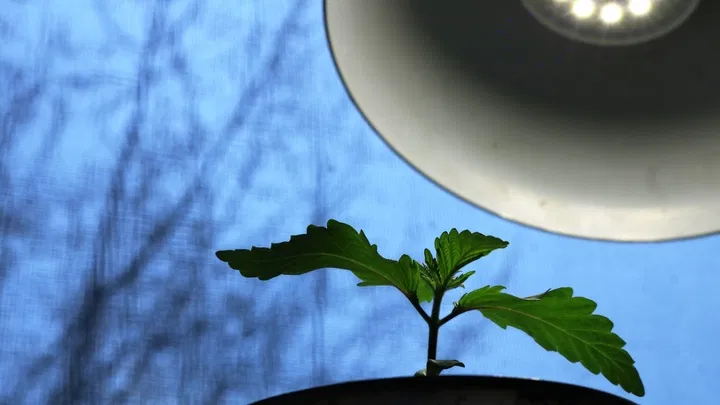
Providing light for autoflowering cannabis is an area where some growers can push too hard. When it comes to hours of light for autoflowering cannabis, autos can handle long days, with eighteen hours common. Some even stretch as far as twenty hours. This can work, but it's important that the light intensity matches the stage of growth. The right light for autoflowering cannabis is key.
Early on, softer light often leads to stronger plants. This allows leaves to open without strain. Structure builds naturally, with no rush to force rapid growth before the plant's roots are ready.
As the plant settles in, growers can increase light intensity, and here a slow increase is often found to work better than a sudden jump. This allows growers to see how the plant responds - how it holds its leaves, how the color develops, and how steady the growth feels.
Learning how to grow autoflowering cannabis under lights isn't about squeezing out every bit of output. It's much more about keeping things moving without interruption.
Feeding Autoflowers Without Slowing Them Down
Feeding autoflowering cannabis plants is where good intentions can lead to bad results.
Managing nutrient needs for autoflowers throughout the life cycle is different than photperiod plants. Autoflowers don't usually need heavy feeding, especially early on. Their size and speed make them a lot more sensitive to excess, and a feed that works fine for a photoperiod plant can slow an autoflower down. It doesn't always show straight away. Leaves darken slightly. Tips curl. Growth continues, but something feels off.
When feeding autoflowering cannabis plants, a lighter approach tends to work better. Growers can build it up over time. Let the plant show you what it can handle instead of following a schedule too closely. This is where growers can find harmony with the plant, working closely with it to create a feedback loop that informs. Rather than dictating the process, understanding the plant is more important.
That said, coco growers might feed more often, and soil growers might feed less, but the idea remains the same. Try to avoid any resistance from the plant. Autoflowers don't need to be pushed. They need breathing space to keep moving.
Related Article:How To Grow Marijuana: Understanding The Plant, Not Just The Process
Environmental Control - How To Keep Growth on Track
When learning how to grow autoflowering cannabis, be aware that environment shapes everything. Temperature and humidity don't need to be perfect, but they do need to stay within a comfortable range. Big swings can cause issues. A warm room that drops off sharply at night, or humidity that drips up and down, forces the plant to keep adjusting. Those adjustments cost energy.
Keep things steady and notice the difference. Growth stays even, and the plant doesn't have to fight its surroundings. Vapor Pressure Deficit gets a lot of attention, and it's useful, but it doesn't have to take over. If temperature and humidity sit in a sensible range, most of the work is done.
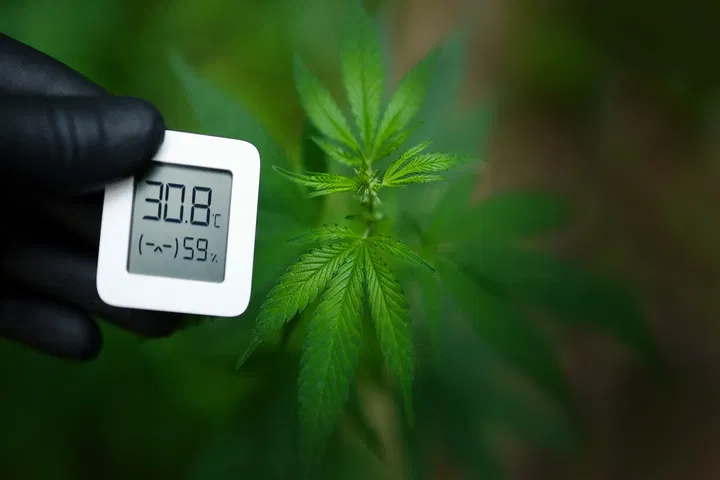
In practical terms, many autoflowering cannabis strains settle in well around 75-82°F (24-28°C) with lights on, with a slight drop at night. Humidity can sit anywhere from 60-70% in early growth, easing down to 40-50% as flowering sets in. Those numbers aren't strict targets. They're a range where things tend to run smoothly. Growers may drift a little either side without issue. What tends to cause headaches is movement - a grow area that heats up too quickly, cools down too fast, or swings in humidity from on end to the other. These factors often lead the plant to spend its time adjusting instead of growing.
If the air feels comfortable to stand in, you're usually not too far off.
Airflow is important, too. It doesn't have to be strong, but it should be consistent. Plants should get enough airflow to keep fresh air moving and prevent the space from feeling stale.
Training Autoflowers Without Causing Stress
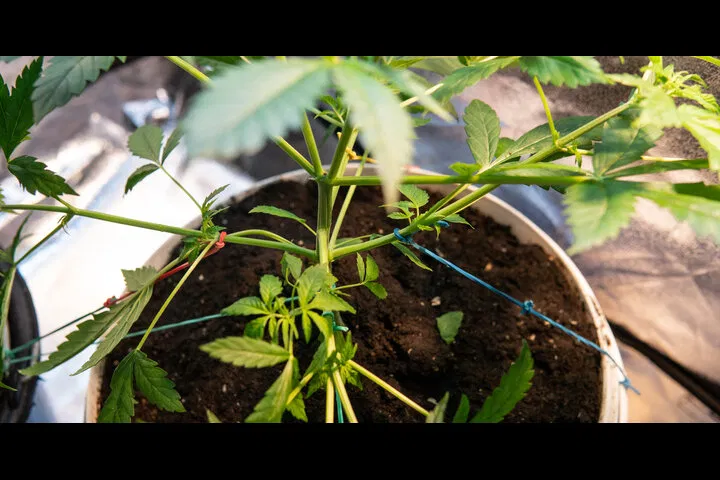
There's often a desire to shape the plant to get get more out of the space. With autoflowering cannabis plants, doing less often works better.
High-stress techniques like topping can work, but they do introduce recovery time. That's the trade-off, and with autofowers, time is limited.
Low-stress training fits more naturally. Small adjustments like a gentle bend here and there keep the risk low. If plant training is done early and kept fairly light, the plant barely notices. Reading legendary cultivator Jorge Cervantes' article, Mastering LST Autoflowers, provides fantastic insight to help growers of any experience level.
Many growers who really understand how to grow autoflowering cannabis leave their plants untouched. That can work just as well. Autos often build a decent structure on their own when conditions are right, and can grow happily and healthily with minimal interference. It comes down to how much intervention is actually needed, and sometimes it;'s best to let the plant be and allow nature to work its own magic.
Related Article:Should You Top Autoflowering Cannabis Plants?
How To Grow Autoflowering Cannabis With Consistency
There should come a point where the plant settles into itself. At that point, roots are well established and the leaves are reaching nicely. Growth will appear steady, and at that stage, the grower's job changes slightly. Rather than having to keep making adjustments, it's time to keep things consistent.
Water only when necessary. Feed in proportion. Keep the environment steady and let the plant move through its cycle. It's a quieter, more relaxed way to grow, and it tends to provide better results. Over-tweaking leads to setbacks, and autoflowers don't always allow time for comebacks.
Learning how to grow autoflowering cannabis often comes down to knowing when to leave things alone. The shorter life cycle can cause some growers to feel as if they need to stay on top of every detail, constantly adjusting as they go. But in truth, the best results often come when the environment is kept steady, and the plant finds its own balance.
Of course, starting with good genetics helps with stability. Beyond that, the focus stays the same - keep stress to a minimum from the start, and the rest of the grow becomes easier to manage. Autoflowers are fast, and when they're handled well, they move from start to finish without much resistance at all. For growers, that means a happy and peaceful grow. No stress for your plants, no stress for you.
Explore autoflowering cannabis strains from respected breeders, featured throughout May.