

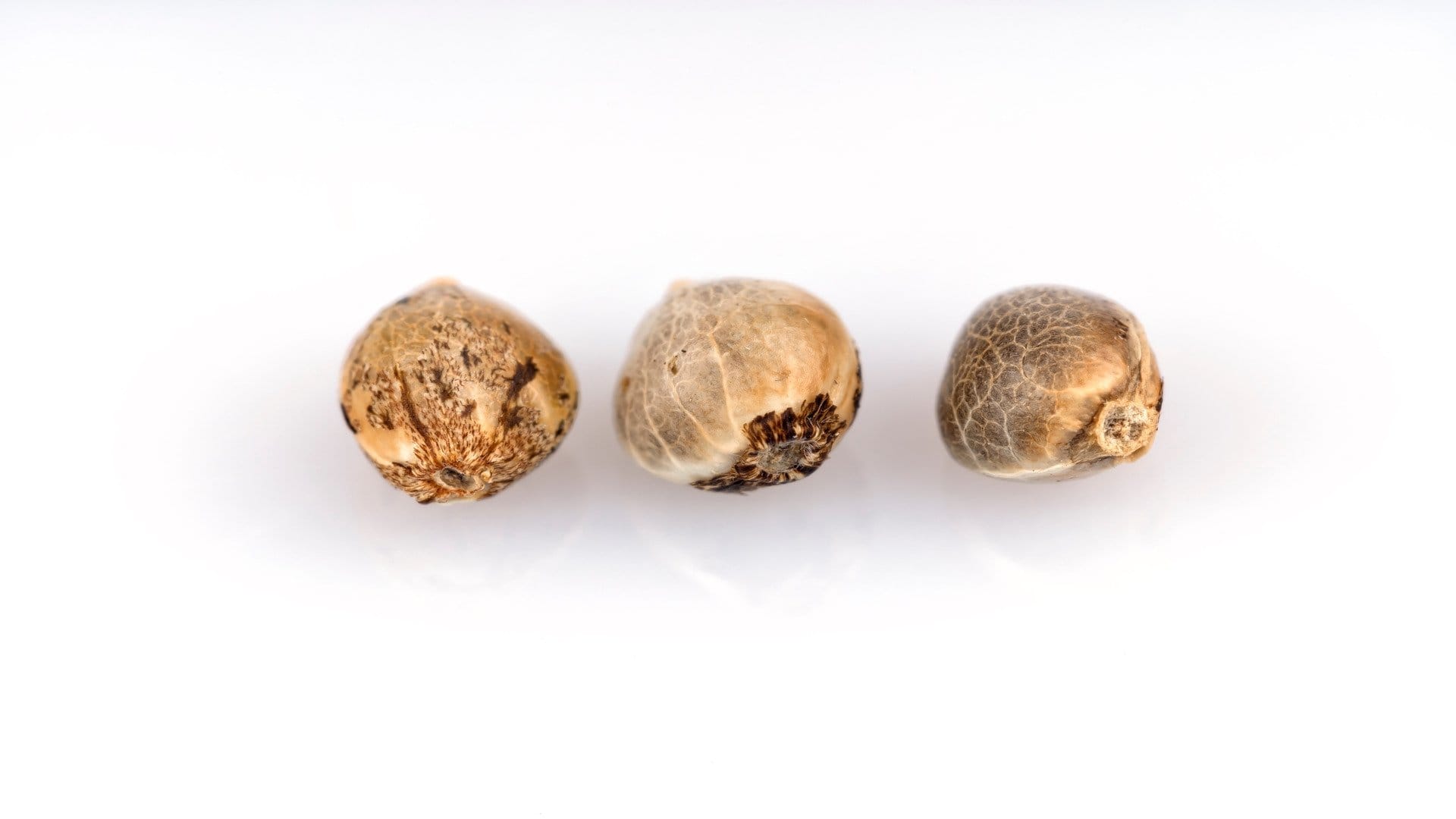
Autoflowering cannabis seeds have changed the game for growers everywhere. No more worrying about strict light schedule. No more long waits until harvest. Just fast, reliable, low-maintenance plants that go from seed to harvest in a matter of weeks, producing high-quality weed with ease. But how did these seemingly magical seeds come to be?
How are autoflower seeds created? It’s a question that’s more than just scientific curiosity – it’s key to understanding why these plants behave the way they do, and how breeders have managed to pack such powerful genetics into such an efficient package. In this article, we’ll explain the fascinating process behind the development of autoflowering cannabis seeds, from their rugged wild ancestors to the sophisticated hybrids you see on the market today.
What Are Autoflowering Cannabis Seeds?

Before we spill the beans on how autoflower seeds are created, let’s understand what sets them apart. Unlike photoperiod strains, which depend on specific light cycles – usually 12 hours of light followed by 12 hours of darkness – to enter the flowering phase, autoflowering cannabis seeds begin producing buds based on age alone. Typically, these plants begin to flower within 2-4 weeks of germination, and they’re ready to harvest after a period of between 8-12 weeks – depending on the strain.
The autoflowering trait is a survival mechanism, enabling the plant to produce seeds quickly without waiting for seasonal light changes. This adaptability is crucial for growing in environments with limited sunlight. Over the years, breeders have refined autoflower genetics to include desirable traits such as high THC levels, unique flavours, and robust growth.
How Are Autoflower Seeds Created? The Basics
At the heart of the question – how are autoflower seeds created – is a process that blends biology, patience, and breeding precision. The discovery of a Mexican strain of Cannabis ruderalis, known as 'Mexican Rudy,' played a crucial role in the development of modern autoflower strains. It involves merging the autoflowering capability of Cannabis ruderalis with the desirable traits of sativa and indica strains, such as high THC content, terpene richness, and high yields.
Step 1: Identifying the Autoflowering Trait in Ruderalis
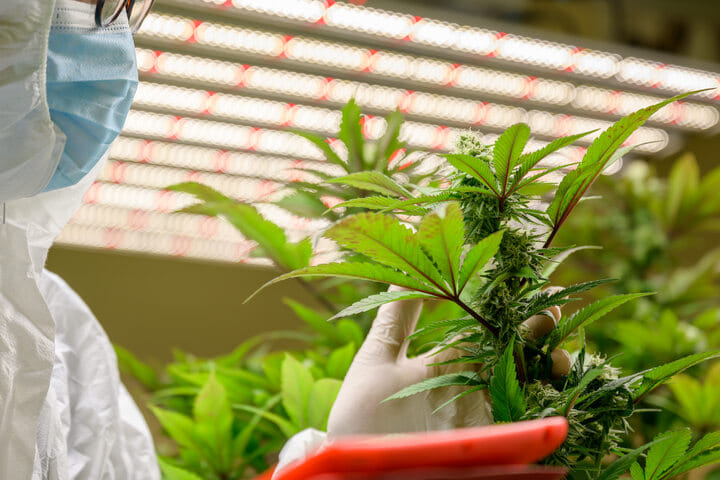
The creation of autoflowering strains starts with isolating pure Cannabis ruderalis. This plant is typically fairly low in cannabinoids but high in survival traits, such as resistance to pests, harsh climates, and of course – that all-important autoflowering ability influenced by specific environmental conditions.
Early breeding efforts involved selecting ruderalis plants that showed the strongest autoflowering traits and crossing them with potent photoperiod cannabis plants. The first cross doesn’t usually produce consistent autoflowering offspring, which leads us to the next essential stage.
Step 2: Hybridisation and Generational Breeding
When a ruderalis plant is crossed with a photoperiod plant, the first-generation F1 hybrid will carry the autoflowering gene but it won’t necessarily express it. The key is to stabilis the gene through multiple generations of breeding. Breeders continue selecting and crossing only the plants that flower automatically, gradually increasing the reliability of the trait.
Over time, this rigorous selection results in a stable autoflowering line where most, if not all, of the offspring exhibit the autoflowering trait consistently. This stabilized line is what becomes a marketable autoflowering cannabis seed.
Step 3: Enhancing with Backcrossing and Trait Selection
A common concern with early autoflower strains was potency. Original ruderalis hybrids often lacked the THC levels that growers desired. To fix this, breeders used backcrossing; they take an autoflowering hybrid and cross it back with a high-THC parent strain. This reinforces potency while preserving the autoflowering gene.
To achieve the desired results, this phase often includes refining other traits, such as:
- Bud density and resin production
- Terpene profiles for taste and aroma
- Resistance to mould and mildew
- Yield size and growth uniformity
Step 4: Feminisation for Consistency
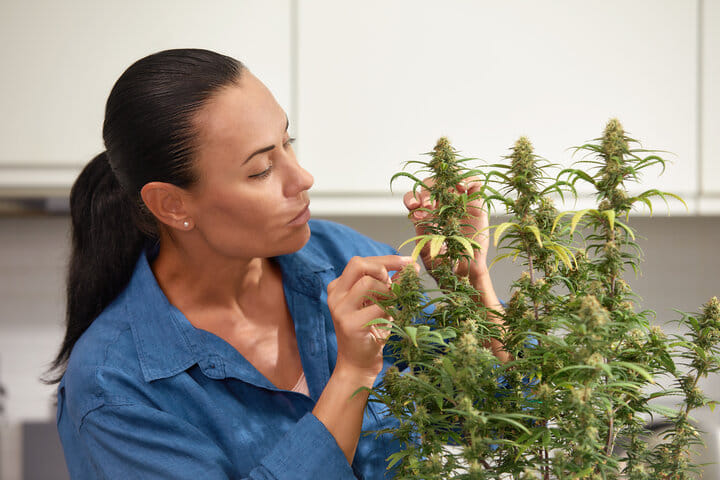
Most commercial autoflower seeds are feminised, meaning all the seeds are bred to produce only female (bud-bearing) plants. Since male cannabis plants don’t produce buds and can pollinate females (leading to seed production instead of flower), feminisation ensures consistent, bud-producing plants for you, the grower.
Breeders feminise plants by inducing female plants to produce pollen through specific techniques, such as silver thiosulphate treatment, and then use that pollen to fertilise another female.
Feminising autoflower strains adds another layer of reliability, particularly for home growers and those operating in limited spaces..
Techniques for Producing Seeds
Producing autoflowering seeds involves several techniques, including self-pollination and cross-pollination. Self-pollination occurs when a female plant is pollinated with male pollen from the same plant, while cross-pollination involves using male pollen from a different plant. Both methods can be used to produce seeds, but the choice depends on the breeder’s goals.
Manual pollination is a common technique where breeders collect pollen from the male plant and carefully brush it onto the female plant’s flowers. This method allows for precise control over which plants are pollinated. Open pollination, on the other hand, involves growing male and female plants together in the same space, allowing natural pollination to occur.
Regardless of the method, breeders should ensure that the plants are healthy and free of pests and diseases before producing seeds. Once pollination is complete, the resulting seeds should be harvested and stored properly to maintain their viability. Proper storage conditions, such as a cool, dark, and dry environment, are essential for preserving the quality of the seeds.
Ensuring Genetic Stability
Ensuring genetic stability is crucial for producing high-quality autoflowering seeds and plants. Genetic stability refers to the consistency of the plant’s traits and characteristics over multiple generations. Breeders can achieve this by selecting parent plants with desirable traits and breeding them over several generations.
Autoflowering plants can be bred to produce stable offspring by consistently selecting plants that exhibit the desired traits. Regular autoflowering seeds can be used to produce stable offspring, but they may require more breeding cycles to achieve consistency. Feminized seeds can help ensure genetic stability by producing only female plants, reducing the variability in the offspring.
Breeders should closely monitor the plants’ growth and development to ensure they are producing consistent results. By focusing on genetic stability, breeders can produce high-quality autoflowering seeds and plants that meet the desired standards and perform reliably for growers.
Common Mistakes to Avoid
Breeding autoflowering seeds is a highly rewarding process, but there are common mistakes that breeders should avoid to ensure success. One major mistake is using low-quality parent plants. Plants with undesirable traits or characteristics can pass these on to the offspring, resulting in lower-quality seeds - making your yield less than optimal.
Another common mistake is not providing adequate light and nutrients to the plants. Proper light and nutrient levels are essential for healthy growth and seed production. Over-pollination is also a pitfall to avoid, as it can lead to reduced seed quality and lower yields.
Failing to monitor the plants’ growth and development can result in reduced seed quality and lower yields. Breeders should also avoid using seeds that are not suitable for their climate or growing conditions, as this can affect the plants’ performance.
Knowing how to properly store cannabis seeds is crucial for maintaining their viability and quality. Seeds should be stored in a cool, dark, and dry environment to preserve their germination potential. By avoiding these common mistakes, breeders can produce high-quality autoflowering seeds and plants that meet the desired standards and perform well for growers.
How Popular Are Autoflower Seeds?
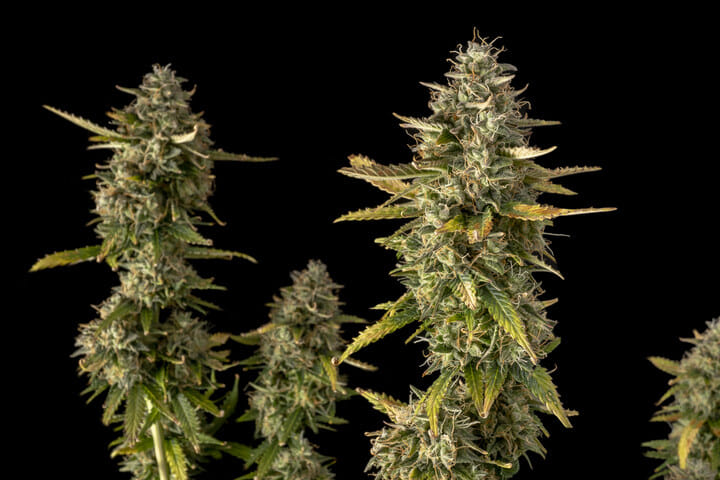
After a rocky start to life plagued by concerns over yield and potency, autoflowering cannabis plants have improved almost immeasurably. But the appeal doesn’t stop with ease and speed. In recent years, breeders have dramatically improved autoflower strains in quality and variety. The result? We can now pick autoflowering strains with a potency to match photoperiods, and yield potential is beginning to catch up, too. Today’s offerings even include a host of CBD-rich varieties, and flavorful strains that rival their photoperiod cousins.
In climates with short growing seasons, autoflowers are a lifeline for outdoor growers. They can be harvested before the first frost, and with fast growing cycles, it's even possible to squeeze in two or three harvests in one season. This ability to produce multiple harvests per year is particularly beneficial for those with limited space or resources, as it enables a quick turnaround between crops, enhancing productivity. Those who favour indoor cannabis cultivation love them too, for their speed and discretion – smaller plants, quicker turnaround, and less need for complex light control, a saving on time, energy, and running costs.
Where To Buy The Best Autoflowering Seeds
If all of this has you excited to try autoflowers, the next logical question is where to find top-quality autoflowering cannabis seeds. For that, Seedsman stands out as the premier source for auto seeds. We work with trusted breeders from around the world to provide a diverse catalogue of well-stabilized, high performing autoflowering strains.
Even better, throughout May, we’re running special promotions on our autoflowering cannabis seed lineup. It’s the perfect opportunity to explore new strains or stock up on your favourites. Visit Seedsman’s promotions page to take advantage of these limited-time deals on autoflowering cannabis seeds while they last.
The Future of Autoflowering Cannabis
So, how are autoflower seeds created? Through a blend of science, genetics, and patient craftsmanship, breeders have transformed wild ruderalis genes into something extraordinary. Autoflowering seeds are no longer a novelty – they’re a cornerstone of modern cannabis cultivation.
As breeding technology evolves and autoflowering genetics continue to improve, they’re set to become even more integral to the cultivation world. And when you’re ready to experience the magic for yourself, Seedsman has the best selection, unbeatable deals, and decades of autoflowering expertise on hand to help you grow your best crop yet.


